Rubber Auxiliary Compound Liquid
CN → US| HS编码 | 关税税率 | 原产国 | 目的国 | 文档 |
|---|---|---|---|---|
| 3403112000 | 35.2% | CN | US | 官方文档 |
| 3403115000 | 36.4% | CN | US | 官方文档 |
| 4005100000 | 35.0% | CN | US | 官方文档 |
| 4005200000 | 35.0% | CN | US | 官方文档 |
| 3824994900 | 41.5% | CN | US | 官方文档 |
商品图片
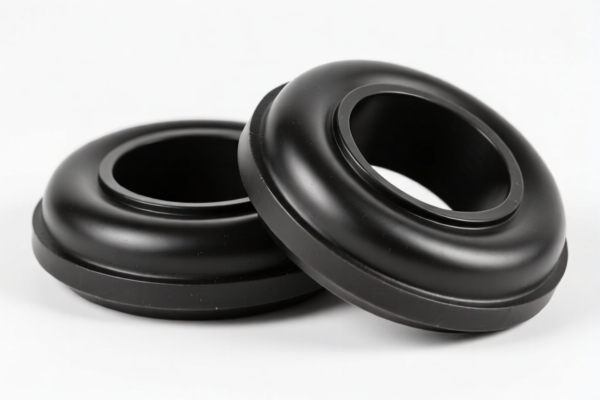
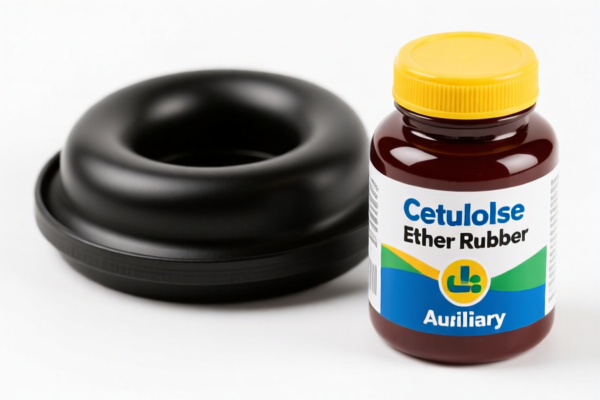
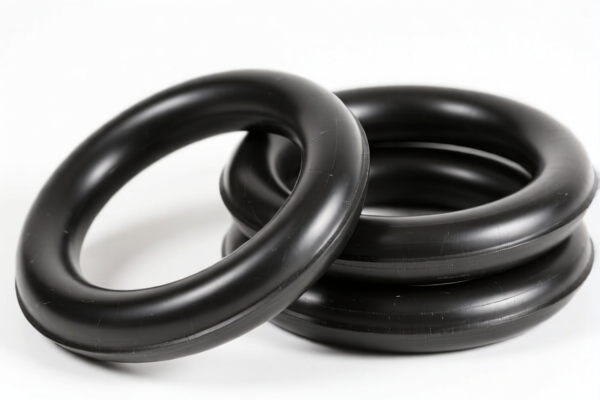
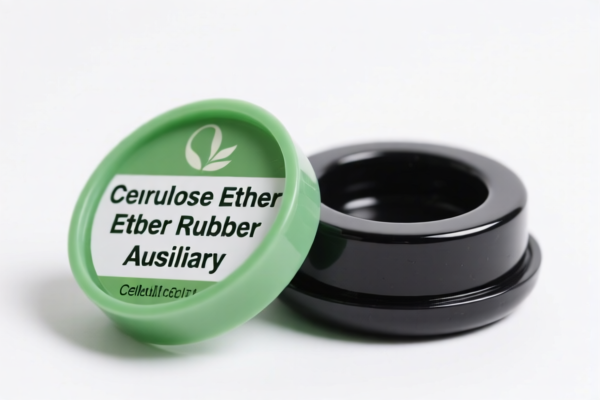
AI分析
🛢️ Rubber Auxiliary Compound Liquid (Rubber Processing Aids & Fillers)
🌐 HS Code Reference & Customs Clearance Guide | 2026 Latest Tariff Analysis | Professional Entry Strategy
📌 Part 1: Product Definition & Classification: What is "Rubber Auxiliary Compound Liquid"?
Rubber Auxiliary Compounds are essential chemical additives used in the rubber manufacturing process to improve processing properties, enhance physical strength, or reduce costs. In international trade, they are primarily categorized based on their chemical nature (lubricants vs. fillers) and functionality.
Key Distinction Criteria: 1. Function: Is it a lubricant/processing aid (reduces friction, aids flow) or a filler/reinforcing agent (adds bulk/strength)? 2. Composition: Does it rely on petroleum oils (>70%) or is it a chemical synthetic/organic hydrocarbon mixture? 3. State: Is it a ready-to-use mixed rubber (uncured) or a raw chemical additive?
⚠️ Critical Classification Points: - If it acts as a lubricant for rubber processing → Falls under Chapter 34 (Soap, organic surface-active agents, washing preparations, lubricating preparations). - If it acts as a filler or is essentially uncured rubber mix → Falls under Chapter 40 (Rubber and articles thereof). - If it is a generic chemical mixture not specifically described elsewhere → Falls under Chapter 38 (Miscellaneous chemical products).
📦 Part 2: HS Code Classification Details (2026 Latest Tariff Authoritative Comparison)
Based on the specific data provided, here are the five potential HS Codes and their precise applications:
| HS Code | Product Description | Applicable Scenario | Key Differentiator |
|---|---|---|---|
3403.11.20.00 |
Lubricant Compound for Rubber | Lubricating agents matching the form of lubricating preparations | ✅ Matches "Lubricant" function; petroleum-based or oil-matched |
3403.11.50.00 |
Other Lubricant Preparations for Material Treatment | Lubricants for rubber that do not meet the strict "lubricating preparation" definition or have <70% petroleum oil | ✅ Broader lubricant category; avoids high-petroleum conflict if oil content <70% |
4005.10.00.00 |
Uncured Compound Rubber (Filler Type) | Rubber filler compounds classified as raw materials/additives for rubber processing | ✅ Classified as "Uncured Rubber Compound"; primary form for mixing |
4005.20.00.00 |
Uncured Rubber & Derivatives (Primary Forms) | Primary forms of added/mixed rubber raw materials, fitting uncured rubber derivatives | ✅ Fits "Uncured Rubber" definition; generic rubber additive |
3824.99.49.00 |
Other Chemical Preparations | Rubber chemical mixtures, mainly organic hydrocarbons or synthetic substances | ✅ Catch-all for chemical mixtures; higher base tariff due to chemical classification |
🔍 Key Reminder: - Lubricants vs. Fillers: If the product’s main function is to reduce friction during extrusion/calendering, lean towards 3403. If its main function is to add volume/stiffness, lean towards 4005. - Petroleum Oil Content: The 122-Clause tariff (10%) often targets products with significant petroleum content. HS Codes
3403.11.20.00and3403.11.50.00have different nuances regarding oil content conflicts. - Chemical vs. Rubber: If the product is a complex synthetic mixture not clearly "rubber," customs may classify it as 3824, leading to higher base tariffs.
💰 Part 3: 2026 Latest Tariff Rate Breakdown (Including Surtaxes & Policy Add-ons)
✅ Applicable Country: United States (US)
✅ Origin: China (CN)
✅ Effective Date: Ongoing (Subject to current USITC & USTR rulings)
🎯 1. 3403.11.20.00 – Lubricant Compound for Rubber (Petroleum-Matched)
| Item | Content |
|---|---|
| Base Tariff | 0.2% (ad valorem) |
| Section 301 Surtax | +25.0% (USITC Footnote: Section 301) |
| Section 122 Surcharge | +10.0% (Targeting specific petroleum-derived products) |
| Total Effective Rate | 35.2% |
| Calculation Basis | CIF Value × 35.2% |
| De Minimis Exemption | ❌ Not Eligible (Deny de minimis for high-surtax items) |
| Legal Path | USITC:3403.11.20.00 → 301 Footnote → 122 Clause |
📌 Explanation:
- This is the most favorable among the lubricant categories due to the extremely low base tariff (0.2%). - However, it attracts the full 25% Section 301 duty because it is considered a lubricating preparation derived from petroleum. - The 10% Section 122 surcharge is applied due to the petroleum content threshold.
🎯 2. 3403.11.50.00 – Other Lubricant Preparations (Non-Petroleum Conflict)
| Item | Content |
|---|---|
| Base Tariff | 1.4% (ad valorem) |
| Section 301 Surtax | +25.0% |
| Section 122 Surcharge | +10.0% |
| Total Effective Rate | 36.4% |
| Calculation Basis | CIF Value × 36.4% |
| De Minimis Exemption | ❌ Not Eligible |
| Legal Path | USITC:3403.11.50.00 → 301 Footnote → 122 Clause |
📌 Note:
- This code is often used when the product does not strictly fit "lubricating preparations" for mechanical parts or when petroleum oil content is below 70% (avoiding specific conflicts). - The total rate is 1.2% higher than3403.11.20.00due to the higher base tariff.
🎯 3. 4005.10.00.00 – Uncured Rubber Compound (Filler Type)
| Item | Content |
|---|---|
| Base Tariff | 0.0% (ad valorem) |
| Section 301 Surtax | +25.0% |
| Section 122 Surcharge | +10.0% |
| Total Effective Rate | 35.0% |
| Calculation Basis | CIF Value × 35.0% |
| De Minimis Exemption | ❌ Not Eligible |
| Legal Path | USITC:4005.10.00.00 → 301 Footnote → 122 Clause |
📌 Explanation:
- Best Base Tariff (0%): Since it is classified under Chapter 40 (Rubber), the base duty is waived. - Total Rate: 35.0%, which is 0.2% cheaper than the lubricant category (3403.11.20.00). - Condition: Must clearly demonstrate that the product is an "uncured compound" or raw rubber additive, not a finished chemical lubricant.
🎯 4. 4005.20.00.00 – Uncured Rubber & Derivatives
| Item | Content |
|---|---|
| Base Tariff | 0.0% (ad valorem) |
| Section 301 Surtax | +25.0% |
| Section 122 Surcharge | +10.0% |
| Total Effective Rate | 35.0% |
| Calculation Basis | CIF Value × 35.0% |
| De Minimis Exemption | ❌ Not Eligible |
| Legal Path | USITC:4005.20.00.00 → 301 Footnote → 122 Clause |
📌 Note:
- Identical tax treatment to4005.10.00.00. - Use this code if the product is a "primary form" of rubber mix or derivative, rather than a specific uncured compound for molding.
🎯 5. 3824.99.49.00 – Other Chemical Preparations
| Item | Content |
|---|---|
| Base Tariff | 6.5% (ad valorem) |
| Section 301 Surtax | +25.0% |
| Section 122 Surcharge | +10.0% |
| Total Effective Rate | 41.5% |
| Calculation Basis | CIF Value × 41.5% |
| De Minimis Exemption | ❌ Not Eligible |
| Legal Path | USITC:3824.99.49.00 → 301 Footnote → 122 Clause |
📌 Warning:
- Highest Total Rate (41.5%): Due to the high base tariff (6.5%), this code is the most expensive. - Risk: This is often a "catch-all" classification. If you misdeclare a rubber-specific product as a general chemical, you risk paying 6.5% more than necessary. - Only use this if the product is a complex organic hydrocarbon mixture that cannot be classified as a rubber compound (4005) or lubricant (3403).
🛠️ Part 4: Customs Clearance Practical Advice (Pitfall Avoidance Guide)
✅ 1. Required Documentation Checklist
| Document | Mandatory? | Description |
|---|---|---|
| ✅ Technical Data Sheet (TDS) | ✔️ | Must specify: Function (Lubricant/Filler), Composition (% Petroleum, % Synthetic), State (Liquid/Paste). |
| ✅ Formula/Composition List | ✔️ | Detailed breakdown of chemical constituents. Critical for distinguishing between 3403 (Lubricant) and 3824 (Chemical). |
| ✅ Product Photos | ✔️ | Clear images of packaging, labels, and the substance itself. |
| ✅ Letter of Function | ✔️ | From manufacturer stating the primary use (e.g., "For lubricating rubber during extrusion" vs. "As a filler to increase volume"). |
| ✅ Commercial Invoice | ✔️ | Clear description: "Rubber Processing Lubricant Compound" or "Uncured Rubber Mix." |
| ✅ Certificate of Origin | ✔️ | Standard CO for China origin. |
✅ 2. Declaration Strategy (Key Mnemonics)
🔥 “Function First, Chapter Determines Tariff!”
| Scenario | Correct HS Code | Strategy |
|---|---|---|
| Main use is lubrication (reducing friction) | 3403.11.20.00 or 3403.11.50.00 |
Emphasize "Lubricating Preparation" in description. |
| Main use is filling (adding volume/strength) | 4005.10.00.00 or 4005.20.00.00 |
Emphasize "Uncured Rubber Compound" or "Rubber Additive." |
| Complex chemical mix (unclear function) | 3824.99.49.00 |
Last resort. High tax risk. Avoid if possible. |
| Petroleum Oil > 70% | 3403.11.20.00 |
Subject to 122 Clause. |
| Petroleum Oil < 70% | 3403.11.50.00 |
May avoid specific oil-conflict clauses. |
📌 Critical Tip:
- If you classify as 4005 (Rubber), ensure the product is not seen as a "finished chemical product." It must be perceived as a "raw material for rubber." - If you classify as 3403 (Lubricant), ensure it is not seen as a "general industrial chemical" (3824).
✅ 3. Special Case Handling
| Situation | Handling Advice |
|---|---|
| High Petroleum Content | If oil content >70%, declare under 3403.11.20.00. Be prepared for 122 Clause surcharge. |
| Unclear Function | Provide a Function Letter from the R&D department. "This product is used as a lubricant during the mixing stage..." |
| OEM/Private Label | Ensure the private label does not conflict with existing trademarks. The HS Code remains the same. |
| Mixed Shipments | Do not mix rubber compounds (4005) with general chemicals (3824) in one invoice unless clearly separated. Customs may audit the entire lot. |
🌍 Part 5: Global Market Comparison (2026 Latest)
| Market | Recommended HS Code | Total Tariff (China Origin) | Key Certification | Note |
|---|---|---|---|---|
| 🇺🇸 USA | 4005.10.00.00 |
35.0% (Lowest Base) | None specific | High Surtax (35%) applies. Avoid 3824 (41.5%). |
| 🇨🇳 China | 4005.10.00.00 |
0%~5% | ISO9001 | No 301/122 surcharges. |
| 🇪🇺 EU | 3403.10.00 |
0%~6.5% | REACH Registration | REACH compliance is critical for chemical imports. |
| 🇲🇽 Mexico | 4005.10.00 |
0%~5% | N/A | USMCA benefits may apply if rubber content is high. |
| 🇻🇳 Vietnam | 3403.11 |
0%~5% | TCK/TTK | Check for circumvention risks if originating from China. |
📌 Conclusion:
- USA: The choice between3403and4005is critical.4005offers a slightly lower total rate (35.0% vs 35.2%/36.4%). - EU/China: Tariffs are significantly lower. Focus on REACH (EU) and Quality Control (China) rather than tariff engineering.
📌 Part 6: Common Errors & Pitfalls (Lessons Learned)
❌ Error 1: Declaring a Lubricant as a Chemical Mixture (3824)
👉 Consequence: Paying 41.5% instead of 35.0%. Unnecessary cost increase.
❌ Error 2: Declaring an Uncured Rubber Mix as a Lubricant (3403)
👉 Consequence: Possible customs rejection or reclassification. Risk of penalty if product is clearly a rubber compound.
❌ Error 3: Ignoring Petroleum Oil Content
👉 Consequence: Misclassification under 3403.11.50.00 when oil content is >70% may trigger audits and back taxes.
❌ Error 4: Using Generic Names like "Rubber Chemical"
👉 Consequence: Customs will classify it as 3824 (41.5%).
✅ Correct: "Rubber Lubricant Compound, Uncured, for Extrusion Processing."
🎯 Part 7: Conclusion: Professional Declaration, Cost Savings, Efficiency!
🎯 Remember the Mantra:
🔹 "Function Dictates Chapter: Lubricant = 3403, Rubber = 4005, Chemical = 3824."
🔹 "Low Base Tariff Wins: 4005 (0% Base) beats 3403 (0.2-1.4% Base)."
🔹 "Surtax is Inevitable: 35%+ Total Rate for US Imports. Plan Accordingly."
📌 Pro Tip:
- If your product is >70% Petroleum Oil, consider 3403.11.20.00 or 3403.11.50.00.
- If your product is <70% Petroleum Oil or primarily Rubber-Based, consider 4005.10.00.00 for the lowest total rate (35.0%).
- Avoid 3824 unless absolutely necessary, as it carries the highest rate (41.5%).
📣 Immediate Action:
📞 Contact a Professional Customs Broker
📄 Provide Technical Data Sheet & Composition List
🚀 Apply for Advance Ruling if value is high to avoid clearance delays.
✨ Professional Customs Clearance Starts with Precise Classification!
💼 Every Percent of Tariff Saved is Pure Profit!
用户评价
关于 HS 编码归类
协调制度(HS)是由世界海关组织(WCO)制定的国际贸易商品分类标准。全球 200 多个国家采用 HS 系统作为海关关税、贸易统计和进出口监管的基础。
每个 HS 编码遵循以下层级结构:
- 章(2 位)——商品大类(例如:第 84 章:机器和机械设备)
- 品目(4 位)——章内的更具体分类
- 子目(6 位)——国际通用细分,所有 WCO 成员国统一使用
- 本国细分(8-10 位)——各国自行扩展的细分编码,如美国 HTSUS 10 位编码
正确的 HS 编码归类对于顺利通关、准确缴纳关税和遵守贸易法规至关重要。错误归类可能导致海关延误、多缴关税或罚款。
从CN进口到US时,适用的关税税率可能包括:
- 最惠国(MFN)税率——适用于 WTO 成员国的标准关税税率
- 普通税率——适用于无贸易协定国家
- 贸易救济关税——附加关税,如 301 条款(反倾销)、232 条款(国家安全)或反补贴税
本页内容仅供参考。如需正式归类,请咨询当地海关或持牌报关代理。