Rubber Diving Gloves
CN → US| HS编码 | 关税税率 | 原产国 | 目的国 | 文档 |
|---|---|---|---|---|
| 4015195100 | 49.0% | CN | US | 官方文档 |
| 6116109500 | 24.5% | CN | US | 官方文档 |
| 4015191150 | 38.0% | CN | US | 官方文档 |
| 6116106500 | 24.5% | CN | US | 官方文档 |
| 4015191110 | 38.0% | CN | US | 官方文档 |
商品图片

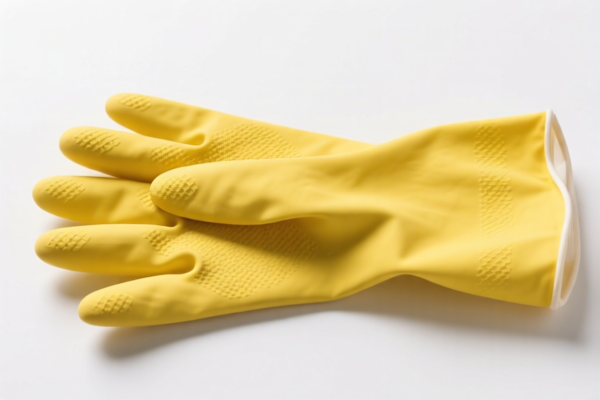
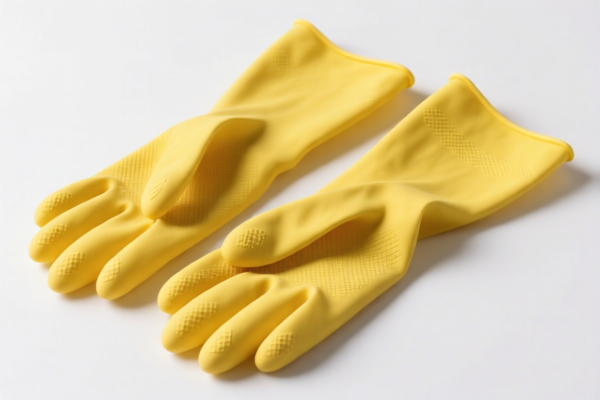

AI分析
🏊♂️ Rubber Diving Gloves (Gloves of Rubber)
🌐 HS Code Reference & Customs Clearance Guide | 2026 Latest Tariff Analysis | Professional Clearance Strategy
📌 I. Product Definition & Classification: What are "Rubber Diving Gloves"?
Rubber diving gloves are specialized protective gear designed to maintain hand dexterity and warmth while resisting chemical, biological, or physical hazards in aquatic environments. In international trade, the classification hinges on two critical factors: Material Composition (Vulcanized Rubber vs. Coated Knitted) and Construction Type (Straight-cut/Seamless vs. Knitted/Coated).
⚠️ Key Distinction Point:
- If made entirely of vulcanized rubber (solid, seamless, or straight-cut) → Generally falls under Chapter 40.
- If made of knitted fabric coated/impregnated with rubber → Generally falls under Chapter 61.
- Note: The provided data indicates multiple potential HS codes based on subtle differences in manufacturing (e.g., seamless vs. knitted) and specific regulatory interpretations.
📦 II. HS Code Classification Details (Based on Provided Data)
The following HS codes are derived from the input dataset, reflecting different interpretations of the glove's construction (vulcanized vs. coated knitted) and associated tax liabilities.
| HS Code | Product Description & Logic | Tax Rate (Total) | Key Tax Components |
|---|---|---|---|
4015.19.51.00 |
Vulcanized Rubber Gloves: Material (Rubber) & Form (Gloves) match. Direct match for vulcanized rubber gloves. | 49.0% | Base: 14.0% Section 301: 25.0% Section 122: 10% |
6116.10.95.00 |
Coated Knitted Gloves: Form (Gloves) + Material (Rubber). Assumed "knitted/coated" via impregnation. "Other" category fallback if fingers aren't explicitly separated. | 24.5% | Base: 7.0% Section 301: 7.5% Section 122: 10% |
4015.19.11.50 |
Vulcanized Rubber Gloves: Material inferred as "Vulcanized Rubber" from keyword. Form matches glove category. | 38.0% | Base: 3.0% Section 301: 25.0% Section 122: 10% |
6116.10.65.00 |
Coated Knitted Gloves: Form (Gloves) + Material (Rubber). Fits rubber-coated glove characteristics. No conflict with knitted assumption. | 24.5% | Base: 7.0% Section 301: 7.5% Section 122: 10% |
4015.19.11.10 |
Vulcanized Rubber Gloves: Plastic/Rubber inference. Matches glove form. Assumed suitable if no material conflict exists. | 38.0% | Base: 3.0% Section 301: 25.0% Section 122: 10% |
🔍 Critical Insight:
- Chapter 40 Codes (4015...): Generally apply to gloves made of vulcanized rubber (solid rubber). These face higher Section 301 tariffs (25%), resulting in total rates of 38%–49%.
- Chapter 61 Codes (6116...): Generally apply to gloves where the base is knitted/hooks and the surface is coated/covered with rubber/plastic. These face lower Section 301 tariffs (7.5%), resulting in total rates of 24.5%.
- Regulatory Impact: The Section 122 (10%) tariff is consistently applied across all codes, likely due to specific trade remedies or emergency provisions.
💰 III. 2026 Latest Tariff Rate Breakdown (Including Surtaxes)
✅ Applicable Country: United States (US)
✅ Origin: China (CN)
✅ Effective Time: Current trade policies (Section 301 & Section 122 apply)
🎯 1. High-Tariff Path: Vulcanized Rubber (4015.19.51.00, 4015.19.11.50, 4015.19.11.10)
| Item | Content |
|---|---|
| Base Tariff | 3.0% – 14.0% (varies by specific subheading) |
| USITC Surtax (Section 301) | +25.0% (High impact on vulcanized rubber goods) |
| IEEPA/Other Surtax (Section 122) | +10.0% |
| Total Effective Rate | 38.0% – 49.0% |
| Calculation Basis | CIF Value × Total Rate |
| De Minimis Exemption | ❌ Not Eligible (High value/tax category) |
| Legal Basis | USITC Footnotes for 4015.19 → Section 301 List → Section 122 Authority |
📌 Explanation:
- The 25% Section 301 tax is the dominant cost driver for Chapter 40 gloves.
- Total rates range from 38% to 49%, making this the most expensive classification path.
- Customs may scrutinize whether the glove is truly "vulcanized" (solid rubber) vs. "coated" to avoid this higher bracket.
🎯 2. Low-Tariff Path: Coated Knitted Rubber (6116.10.95.00, 6116.10.65.00)
| Item | Content |
|---|---|
| Base Tariff | 7.0% |
| USITC Surtax (Section 301) | +7.5% (Lower bracket for coated goods) |
| IEEPA/Other Surtax (Section 122) | +10.0% |
| Total Effective Rate | 24.5% |
| Calculation Basis | CIF Value × 24.5% |
| De Minimis Exemption | ❌ Not Eligible (Still subject to high surtaxes) |
| Legal Basis | USITC Footnotes for 6116.10 → Section 301 List (Lower %) → Section 122 Authority |
📌 Explanation:
- The 7.5% Section 301 tax is significantly lower than the 25% for vulcanized goods.
- Total rate is 24.5%, offering a ~13.5–24.5% cost saving compared to Chapter 40 codes.
- Crucial: This classification requires proof that the glove is knitted/fabric-based with a rubber coating, not solid vulcanized rubber.
🛠️ IV. Customs Clearance Practical Advice (Real-World Pitfall Guide)
✅ 1. Documentation Checklist (Mandatory)
| Document | Required? | Description |
|---|---|---|
| ✅ Product Specification Sheet | ✔️ | Must detail: Material composition (e.g., "Nitrile rubber coating on knitted nylon liner") vs. "Solid vulcanized rubber". |
| ✅ Cross-Section Photo | ✔️ | Critical! Show the inner fabric layer and outer rubber layer to prove it is a "coated knitted" glove (Chapter 61) rather than solid rubber (Chapter 40). |
| ✅ Material Safety Data Sheet (MSDS) | ✔️ | Confirm chemical composition (Rubber/Nitrile/PVC). |
| ✅ Commercial Invoice | ✔️ | Clear description: "Rubber Diving Gloves, Coated Knitted Construction". Avoid ambiguous terms like "Solid Rubber Gloves" if seeking Chapter 61. |
| ✅ Packing List | ✔️ | Standard export documentation. |
✅ 2. Declaration Strategy (Key Mantra)
🔥 “Coated Knitted = Low Tax; Solid Rubber = High Tax. Prove the Liner!”
| Scenario | Correct HS Code | Incorrect Code | Consequence |
|---|---|---|---|
| Knitted fabric + Rubber Coating | 6116.10.65.00 / 95 |
4015.19.51.00 |
Overpaying 24.5% vs 49%. Customs may audit and demand back taxes + penalties. |
| Solid Vulcanized Rubber | 4015.19.51.00 |
6116.10.95.00 |
Undervaluation Risk. Customs will reclassify and impose higher tariffs + potential fraud charges. |
| Mixed Materials (e.g., PVC coating) | 6116.10 (Plastic/Rubber coated) |
4015.19 |
Misclassification. Ensure the base is knitted/hooks to fit Chapter 61. |
✅ 3. Special Case Handling
| Situation | Recommendation |
|---|---|
| OEM Custom Gloves | Provide design drawings showing the knitted base. If the base is missing, customs will assume solid rubber (Chapter 40). |
| "Waterproof" vs. "Diving" | The term "Diving" implies functionality, but classification depends on material. Do not rely on the end-use name; rely on material structure. |
| Section 122 Impact | Note that 10% tax is unavoidable for both paths in this dataset. Focus negotiations on reducing the Section 301 gap (25% vs 7.5%). |
🌍 V. Global Market Clearance Comparison (2026)
| Country/Region | Recommended HS Code | Tariff (China Origin) | Key Requirements | Note |
|---|---|---|---|---|
| 🇺🇸 USA | 6116.10.65.00 / 4015.19.51.00 |
24.5% (Coated) or 49% (Solid) | FCC/RoHS (if electronics), COO | Highly sensitive to Section 301 & 122. |
| 🇨🇳 China | 4015 / 6116 |
~5-14% | None | Standard import duties apply. |
| 🇪🇺 EU | 4015.19 / 6116.10 |
~5-9.6% | CE Mark (PPE Regulation) | No Section 301 surtaxes. |
| 🇬🇧 UK | 4015.19 / 6116.10 |
~5-9.6% | UKCA Mark | Post-Brexit alignment with EU. |
📌 Conclusion:
- The US market is the most complex due to layered surtaxes.
- Proving "Coated Knitted" construction is the single most effective way to save ~25% in duties on Chinese-origin gloves.
📌 VI. Common Errors & Pitfall Guide (Lessons Learned)
❌ Error 1: Declaring "Coated Knitted" gloves as "Solid Rubber" (4015...)
👉 Result: Paying 49% instead of 24.5%. Wasted profit.
👉 Fix: Submit cross-section photos showing the fabric liner.
❌ Error 2: Declaring "Solid Rubber" gloves as "Coated Knitted" (6116...)
👉 Result: Customs Audit & Penalties. High risk of being flagged for tariff evasion.
👉 Fix: Be honest about material. If it’s solid rubber, pay the higher rate.
❌ Error 3: Ignoring Section 122 (10%) in cost calculations
👉 Result: Underestimating landed cost by 10% on all codes.
👉 Fix: Include 10% in all Landed Cost Models.
❌ Error 4: Using vague descriptions like "Protective Gloves"
👉 Result: Customs broker assigns arbitrary code, leading to delays.
👉 Fix: Use precise description: "Rubber-Coated Knitted Diving Gloves, 3mm Thickness, Chemical Resistant".
✅ Best Practice:
“Structure Defines Code. Liner Saves Tax. Photo Proves It.”
🎯 VII. Conclusion: Professional Declaration, Cost Optimization
🎯 Remember the Mantra:
🔹 “Knitted Base + Rubber Coat = Chapter 61 (24.5%)”
🔹 “Solid Rubber = Chapter 40 (38-49%)”
🔹 “Section 122 +10% is Mandatory”
🔹 “Photo Proof is Your Best Defense”
📌 Pro Tip:
If your gloves are coated knitted, ensure your supplier provides a material test report confirming the base fabric is knitted/hooks. This documentation is crucial for defending the 6116 classification against US Customs and Border Protection (CBP).
📣 Immediate Action:
📞 Contact your customs broker with the cross-section photo of the glove.
🚀 Clarify the construction: Ask your manufacturer, "Is the inner liner knitted or solid rubber?"
💼 Optimize your HS Code to save up to 24.5% in duties.
✨ Professional clearance starts with precise classification!
💼 Every dollar saved in duty is pure profit!
用户评价
关于 HS 编码归类
协调制度(HS)是由世界海关组织(WCO)制定的国际贸易商品分类标准。全球 200 多个国家采用 HS 系统作为海关关税、贸易统计和进出口监管的基础。
每个 HS 编码遵循以下层级结构:
- 章(2 位)——商品大类(例如:第 84 章:机器和机械设备)
- 品目(4 位)——章内的更具体分类
- 子目(6 位)——国际通用细分,所有 WCO 成员国统一使用
- 本国细分(8-10 位)——各国自行扩展的细分编码,如美国 HTSUS 10 位编码
正确的 HS 编码归类对于顺利通关、准确缴纳关税和遵守贸易法规至关重要。错误归类可能导致海关延误、多缴关税或罚款。
从CN进口到US时,适用的关税税率可能包括:
- 最惠国(MFN)税率——适用于 WTO 成员国的标准关税税率
- 普通税率——适用于无贸易协定国家
- 贸易救济关税——附加关税,如 301 条款(反倾销)、232 条款(国家安全)或反补贴税
本页内容仅供参考。如需正式归类,请咨询当地海关或持牌报关代理。