Rubber Food Packaging Caps
CN → US| HS编码 | 关税税率 | 原产国 | 目的国 | 文档 |
|---|---|---|---|---|
| 4016991500 | 20.2% | CN | US | 官方文档 |
| 4016990500 | 20.9% | CN | US | 官方文档 |
| 3923500000 | 40.3% | CN | US | 官方文档 |
| 7010202000 | 37.5% | CN | US | 官方文档 |
| 3923109000 | 38.0% | CN | US | 官方文档 |
| 8309900080 | 37.6% | CN | US | 官方文档 |
商品图片
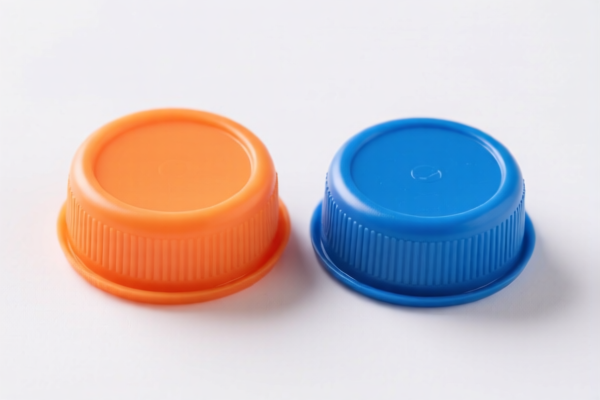
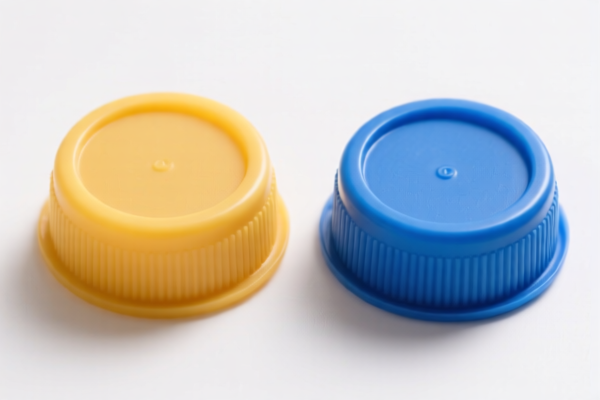
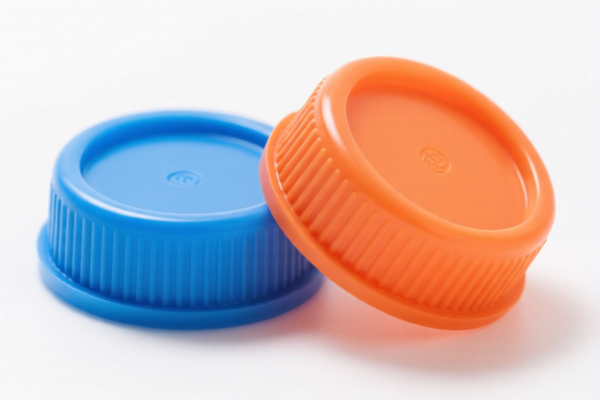
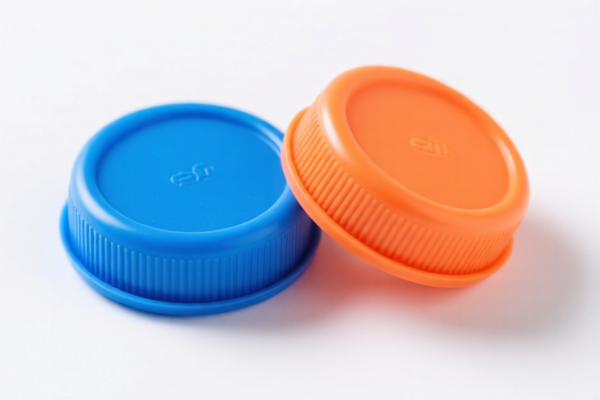
AI分析
🍲 Rubber Food Packaging Caps (Lids & Seals)
🌐 HS Code Reference & Clearance Guide | 2026 Latest Tariff Analysis | Professional Customs Strategy
📌 I. Product Definition & Classification: Do You Really Understand "Rubber Lids"?
Rubber Food Packaging Caps are essential components for sealing containers, ensuring freshness, and preventing leaks. In international trade, they are not simply "lids." Their classification depends strictly on material composition and intended use.
While the user input specifies "Rubber," Customs authorities often scrutinize whether the item is: 1. Pure Rubber/Vulcanized Rubber (Elastic, non-rigid): Falls under Chapter 40. 2. Plastic (Polymer-based, often mistaken for rubber): Falls under Chapter 39. 3. Glass (Rigid, brittle): Falls under Chapter 70. 4. Metal (Rigid, screw-top): Falls under Chapter 83.
⚠️ Critical Distinction:
- If the material is vulcanized rubber and used as a seal/cap, it falls under 4016.
- If the material is plastic (even if labeled "flexible"), it falls under 3923.
- Misclassification leads to massive tariff discrepancies (e.g., 20.2% vs. 40.3%).
📦 II. HS Code Classification Details (2026 Latest Tariff Authoritative对照)
Based on the provided data <DATA>, here are the specific HS Codes and their logical derivations for "Rubber Food Packaging Caps":
| HS Code | Product Description (From Data) | Material Logic | Applicable Scenario |
|---|---|---|---|
4016.99.15.00 |
Rubber cap, material: Vulcanized Rubber, use: Cap | Vulcanized Rubber | Professional rubber seals, high-durability food container lids |
4016.99.05.00 |
Rubber cap, material: Rubber, form: Cap, other household items | Rubber (General) | Generic rubber stoppers, household sealing caps not elsewhere specified |
3923.50.00.00 |
Food cap, material inferred: Plastic, form: Cap | Plastic | Common Misclassification: Many "rubber-like" lids are actually plastic (e.g., PET/PP) |
7010.20.20.00 |
Food cap, material inferred: Glass, form: Cap, for closing containers | Glass | Glass jar lids/seals (rare for "rubber" input, but included for contrast) |
3923.10.90.00 |
Food cap, material inferred: Plastic, use: Cap | Plastic | Plastic stoppers, bottles closures, kitchenware seals |
8309.90.00.80 |
Food cap, material inferred: Metal, form: Cap | Metal | Metal screw-top lids for glass jars (often with rubber lining, but coded as metal if outer layer is metal) |
🔍 Key Insight:
- The user input is "Rubber", so the primary correct codes are4016.99.15.00and4016.99.05.00.
- However, if your supplier provides "soft plastic" labeled as rubber, Customs may reclassify it to3923.50.00.00or3923.10.90.00, triggering higher taxes.
- Glass (7010) and Metal (8309) are listed for reference only if the cap is composite (e.g., metal lid with rubber gasket).
💰 III. 2026 Latest Tariff Rate Detail (Including Surtaxes & Policy Surcharges)
✅ Applicable Country: United States (US)
✅ Origin: China (CN)
✅ Effective Time: Current rates (2025-2026)
🎯 1. 4016.99.15.00 —— Vulcanized Rubber Cap (Best Match for "Rubber")
| Item | Content |
|---|---|
| Base Tariff | 2.7% |
| Section 301 Surtax | +7.5% |
| Section 122 Tariff | +10% |
| Total Tax Rate | 20.2% |
| Tax Calculation | CIF Value × 20.2% |
| De Minimis Eligibility | ❌ No (Must formal entry) |
| Legal Basis | USITC:4016.99.15.00 + Section 301 + Section 122 |
📌 Explanation:
- This is the most accurate code for "Vulcanized Rubber".
- The total tax burden is 20.2%, which is relatively moderate compared to plastic alternatives.
- Key: Ensure the product is vulcanized (processed rubber), not raw latex or synthetic plastic.
🎯 2. 4016.99.05.00 —— Other Rubber Cap (Household Items)
| Item | Content |
|---|---|
| Base Tariff | 3.4% |
| Section 301 Surtax | +7.5% |
| Section 122 Tariff | +10% |
| Total Tax Rate | 20.9% |
| Tax Calculation | CIF Value × 20.9% |
| De Minimis Eligibility | ❌ No |
| Legal Basis | USITC:4016.99.05.00 + Section 301 + Section 122 |
📌 Note:
- Slightly higher than4016.99.15.00due to broader classification ("other").
- Use this if the cap does not meet the specific "vulcanized" criteria or is a general household rubber stopper.
🚫 Risk Warning: Plastic Substitution (3923.50.00.00)
| Item | Content |
|---|---|
| Base Tariff | 5.3% |
| Section 301 Surtax | +25.0% |
| Section 122 Tariff | +10% |
| Total Tax Rate | 40.3% |
| Tax Calculation | CIF Value × 40.3% |
| De Minimis Eligibility | ❌ No |
⚠️ Critical Alert:
- If Customs determines your "Rubber" cap is actually Plastic (common in food packaging), the tax jumps from 20.2% to 40.3%!
- This is a 100% increase in tax cost.
- Section 301 surtax for plastic is 25%, compared to only 7.5% for rubber.
🛠️ IV. Clearance Practical Advice (Pitfall Avoidance Guide)
✅ 1. Preparation Checklist (Non-Negotiable)
| Document | Required | Explanation |
|---|---|---|
| ✅ Material Certificate | ✔️ | Must specify "Vulcanized Rubber" or "Natural/Synthetic Rubber". If it says "Polymer" or "Plastic," expect reclassification. |
| ✅ Product Photos | ✔️ | Clear images showing texture, flexibility, and any labeling (e.g., "Food Grade"). |
| ✅ Commercial Invoice | ✔️ | Describe as "Vulcanized Rubber Cap for Food Packaging". Avoid vague terms like "Lid" without material. |
| ✅ Composition Test Report | ✔️ | If contested, provide lab report proving rubber content >50%. |
| ✅ HS Code Pre-ruling | ✔️ | Highly recommended for large shipments to lock in 4016 classification. |
✅ 2. Declaration Strategy (Key Mantra)
🔥 "Rubber Declare Rubber, Plastic Declare Plastic! Mislabeling = 20% Tax Jump!"
| Situation | Correct Declaration | Wrong Practice |
|---|---|---|
| True Rubber Cap | 4016.99.15.00 |
Calling it "Plastic Lid" → 40.3% |
| Plastic "Rubber-like" Cap | 3923.50.00.00 |
Calling it "Rubber" → Risk of Penalty + Back Taxes |
| Metal Lid with Rubber Gasket | 8309.90.00.80 (if metal is main part) |
Declaring as pure rubber → Rejected |
| Glass Jar + Rubber Seal | Split: 7010 (Jar) + 4016 (Seal) |
Combined as "Food Container" → Complex Classification |
✅ 3. Special Case Handling
| Situation | Handling Advice |
|---|---|
| OEM Custom Rubber Caps | Provide design specs showing vulcanization process. |
| Food Grade Certification | Provide FDA/LFGB compliance docs to avoid health safety delays. |
| Mixed Containers (Rubber + Plastic) | Declare separately! Do not bundle different HS codes in one line item. |
| Small Samples (< $800) | Check if de minimis applies (rare for China-origin rubber/plastic due to Section 301/122). Assume No De Minimis. |
🌍 V. Global Market Clearance Comparison (2026)
| Country/Region | Recommended HS Code | Tariff Rate | Certification | Notes |
|---|---|---|---|---|
| 🇺🇸 USA | 4016.99.15.00 |
20.2% | FDA + Prop 65 | High scrutiny on rubber composition. |
| 🇨🇳 China | 4016.99.15.00 |
5-10% | CCC (if applicable) | Lower base tariff, no Section 122. |
| 🇪🇺 EU | 4016.99.90 |
~0-2% | LFGB + REACH | No surtaxes, but strict food contact rules. |
| 🇯🇵 Japan | 4016.93.00 |
0% | JIS Standards | Zero tariff for rubber caps, but high inspection rates. |
📌 Conclusion:
- The USA is the most complex market due to Section 301 and Section 122 surcharges.
- Material accuracy is paramount. A simple error in describing "Rubber" vs. "Plastic" doubles your tax liability.
📌 VI. Common Mistakes & Pitfall Guide (Lessons Learned)
❌ Mistake 1: Calling all flexible lids "Rubber"
👉 Result: Customs finds plastic composition → Tax jumps from 20.2% to 40.3%.
❌ Mistake 2: Ignoring Section 122 Tariff
👉 Result: Underpaying by 10% → Back taxes + Interest + Penalties.
❌ Mistake 3: Declaring "Food Cap" without Material
👉 Result: Customs assigns worst-case scenario (often Plastic) → Higher Duty + Delay.
❌ Mistake 4: Bundling Rubber Caps with Plastic Bottles
👉 Result: Mixed HS codes cause customs hold → Demurrage Fees.
✅ Correct Approach:
"Vulcanized Rubber Cap, Food Grade, for Jars, Model XYZ, Certified to FDA 21 CFR 177.2600"
🎯 VII. Conclusion: Precise Classification Saves Money!
🎯 Remember the Mantra:
🔹 "Rubber is 20%, Plastic is 40%! Know your material!"
🔹 "Vulcanized Rubber = 4016.99.15.00 = 20.2% Tax"
🔹 "Plastic Masquerading as Rubber = 3923.50.00.00 = 40.3% Tax"
📌 Pro Tip:
- For large volumes, apply for a Customs Ruling (CBP Ruling) to confirm
4016.99.15.00.- Ensure your supplier's certificate explicitly states "Vulcanized Rubber" and "Not Plastic".
📣 Take Action Now:
📞 Contact a Professional Customs Broker
📄 Verify Material Composition
🚀 Secure the 20.2% Rate, Not the 40.3% Trap!
✨ Professional Clearance Starts with Accurate Classification!
💼 Your Profit Margin Depends on These 20% vs. 40% Differences!
用户评价
关于 HS 编码归类
协调制度(HS)是由世界海关组织(WCO)制定的国际贸易商品分类标准。全球 200 多个国家采用 HS 系统作为海关关税、贸易统计和进出口监管的基础。
每个 HS 编码遵循以下层级结构:
- 章(2 位)——商品大类(例如:第 84 章:机器和机械设备)
- 品目(4 位)——章内的更具体分类
- 子目(6 位)——国际通用细分,所有 WCO 成员国统一使用
- 本国细分(8-10 位)——各国自行扩展的细分编码,如美国 HTSUS 10 位编码
正确的 HS 编码归类对于顺利通关、准确缴纳关税和遵守贸易法规至关重要。错误归类可能导致海关延误、多缴关税或罚款。
从CN进口到US时,适用的关税税率可能包括:
- 最惠国(MFN)税率——适用于 WTO 成员国的标准关税税率
- 普通税率——适用于无贸易协定国家
- 贸易救济关税——附加关税,如 301 条款(反倾销)、232 条款(国家安全)或反补贴税
本页内容仅供参考。如需正式归类,请咨询当地海关或持牌报关代理。