Rubber Impregnated Coated Vegetable Fiber Gloves
CN → US| HS编码 | 关税税率 | 原产国 | 目的国 | 文档 |
|---|---|---|---|---|
| 3926204050 | 16.5% | CN | US | 官方文档 |
| 4015195100 | 49.0% | CN | US | 官方文档 |
| 4015129000 | 49.0% | CN | US | 官方文档 |
| 6116105510 | 30.7% | CN | US | 官方文档 |
| 6116104810 | 36.1% | CN | US | 官方文档 |
商品图片
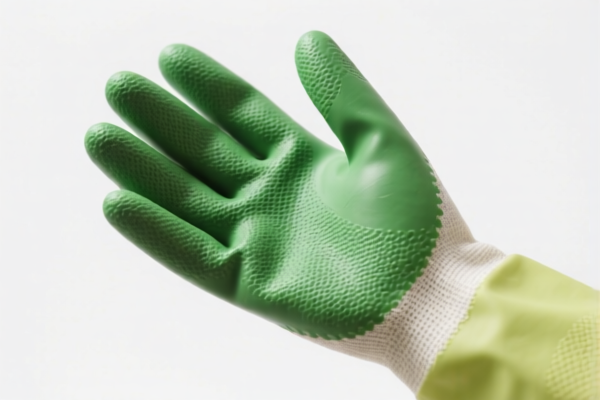
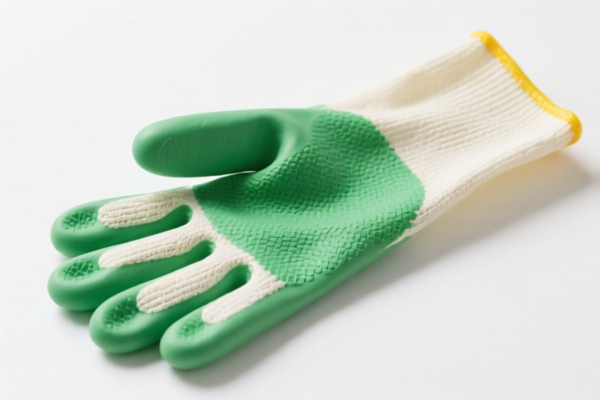
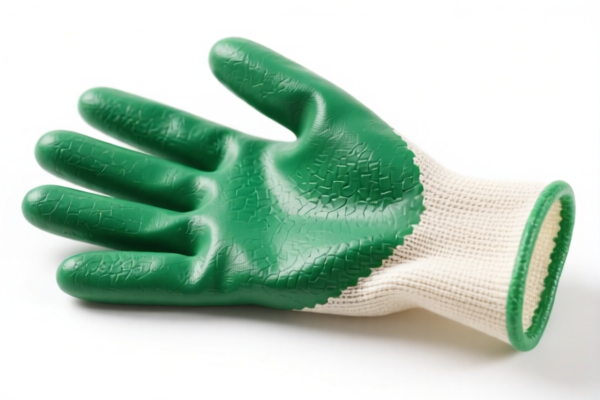
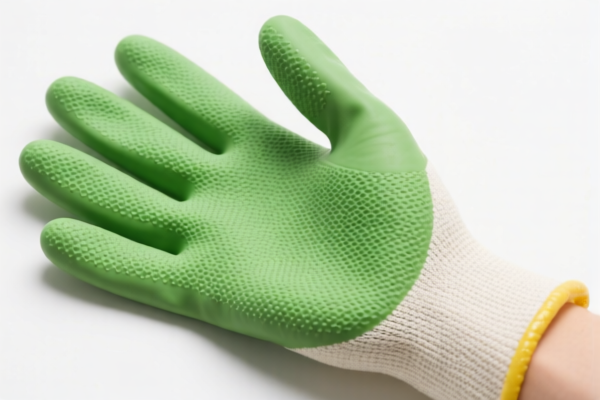
AI分析
🧤 Rubber Impregnated/Coated Vegetable Fiber Gloves
🌐 HS Code Classification & Customs Clearance Guide | 2026 Tax Rate Analysis | Strategic Compliance Strategy
📌 I. Product Definition & Classification: Understanding "Coated Gloves"
"Rubber Impregnated/Coated Vegetable Fiber Gloves" are protective handwear primarily made from cotton (a vegetable fiber) with a layer of natural or synthetic rubber applied to the surface. They are widely used in industrial, construction, and general labor settings for grip, protection against abrasions, and light chemical resistance.
In international trade, these gloves are classified based on fiber content priority and surface treatment: - If Cotton > 50%: Classified under Chapter 61 (Knitted/Crocheted) or Chapter 62 (Non-Knitted). - If Rubber Dominates/Coating is Heavy: Classified under Chapter 40 (Rubber Articles). - If Plastic/PVC Coating: Classified under Chapter 39 (Plastics).
⚠️ Key Classification Logic:
- Customs authorities look at whether the rubber coating is integral to the identity of the good or merely an accessory.
- Heavy impregnation often pushes classification toward Chapter 40 (Rubber).
- Light coating on dominant cotton fabric often keeps classification in Chapter 61/62.
📦 II. HS Code Classification Details (2026 Authoritative Reference)
Based on the specific product attributes, here are the five most likely HS Codes for "Rubber Impregnated Coated Vegetable Fiber Gloves":
| HS Code | Product Description | Classification Logic | Typical Use Case |
|---|---|---|---|
3926.20.40.50 |
Plastic/Rubber Coated Gloves | Classified under Chapter 39 (Articles of Plastic). The summary indicates a combination of plastic/rubber coating with cotton. Note: This code is often used for gloves where the plastic/rubber layer is considered the essential character or when specific sub-classifications for rubber are not met. | General industrial gloves with significant plastic/rubber composite layers. |
4015.19.51.00 |
Vulcanized Rubber Gloves | Classified under Chapter 40 (Rubber). Vulcanized rubber combined with other materials. Fits the classification for "other rubber gloves." | Gloves where the rubber component is dominant or chemically vulcanized to the fiber, giving it rubber characteristics. |
4015.12.90.00 |
Medical/Protective Rubber Gloves | Classified under Chapter 40. Specifically for vulcanized rubber gloves used for medical or protective purposes. | High-grade protective gloves, possibly nitrile or natural rubber dipped, used in medical or high-risk industrial fields. |
6116.10.55.10 |
Cotton Gloves with Rubber Coating (>50% Cotton) | Classified under Chapter 61 (Knitted/Crocheted). Cotton content >50%. Rubber coating is secondary. | Standard work gloves where the base fabric is clearly cotton-dominated, with a light rubber dip/coating. |
6116.10.48.10 |
Coated Cotton Gloves (Specific Subheading) | Classified under Chapter 61. Cotton-based. Coated for grip/protection. Specific subheading for coated gloves not elsewhere specified. | General-purpose cotton work gloves with rubber/polymer coating, not meeting the strict "medical" or "heavy rubber" criteria of Chapter 40. |
🔍 Critical Distinction:
- Chapter 40 vs. Chapter 61: If the rubber coating makes the glove waterproof or primarily rubber-like, it goes to 4015. If it’s just a grip coating on a soft cotton glove, it stays in 6116.
- Chapter 39: Sometimes used if the coating is predominantly plastic/rubber composite and doesn't fit the specific "vulcanized rubber" definitions of 4015.
💰 III. 2026 Latest Tariff Rate Breakdown (Detailed Tax Clauses)
✅ Applicable Country: United States (US)
✅ Origin: China (CN)
✅ Effective Date: 2025/2026 (Current Trade War Clauses Apply)
🎯 1. 3926.20.40.50 – Plastic/Rubber Coated Gloves (Plastic Chapter)
| Item | Detail |
|---|---|
| Base Tariff | 6.5% |
| Section 301 Tariff (Additional) | 0.0% |
| Section 122 Tariff (China Specific) | 10% |
| Total Tax Rate | 16.5% |
| Tax Calculation | CIF Value × 16.5% |
| De Minimis Eligibility | ❌ No (High-value goods) |
| Legal Basis | Base HTSUS → Section 301 Exclusions (if any) → Section 122 China-specific duties |
📌 Explanation:
- This classification benefits from no Section 301 tariffs (common for certain plastic articles or specific exclusions), but still incurs the 10% Section 122 duty specific to China.
- Total 16.5% is relatively competitive compared to rubber chapter codes.
🎯 2. 4015.19.51.00 – Vulcanized Rubber Gloves (Rubber Chapter)
| Item | Detail |
|---|---|
| Base Tariff | 14.0% |
| Section 301 Tariff (Additional) | 25.0% |
| Section 122 Tariff (China Specific) | 10% |
| Total Tax Rate | 49.0% |
| Tax Calculation | CIF Value × 49.0% |
| De Minimis Eligibility | ❌ No |
| Legal Basis | Base HTSUS → Section 301 China Duties → Section 122 China Duties |
📌 Explanation:
- High Risk Category: Rubber gloves are heavily targeted in trade disputes.
- Total 49% is extremely high. Includes full 25% Section 301 + 10% Section 122.
- Impact: Significantly erodes profit margins for Chinese-origin rubber gloves.
🎯 3. 4015.12.90.00 – Medical/Protective Rubber Gloves
| Item | Detail |
|---|---|
| Base Tariff | 14.0% |
| Section 301 Tariff (Additional) | 25.0% |
| Section 122 Tariff (China Specific) | 10% |
| Total Tax Rate | 49.0% |
| Tax Calculation | CIF Value × 49.0% |
| De Minimis Eligibility | ❌ No |
| Legal Basis | Same as 4015.19.51.00 |
📌 Note:
- Even if used for medical purposes, China-origin rubber gloves are subject to the same punitive tariffs.
- No exemption for medical use under current Section 301/122 rules unless specifically excluded (rare).
🎯 4. 6116.10.55.10 – Cotton Gloves with Rubber Coating (>50% Cotton)
| Item | Detail |
|---|---|
| Base Tariff | 13.2% |
| Section 301 Tariff (Additional) | 7.5% |
| Section 122 Tariff (China Specific) | 10% |
| Total Tax Rate | 30.7% |
| Tax Calculation | CIF Value × 30.7% |
| De Minimis Eligibility | ❌ No |
| Legal Basis | Base HTSUS → Section 301 (Partial) → Section 122 |
📌 Explanation:
- Optimization Opportunity: Classified as textile (Chapter 61), not rubber (Chapter 40).
- Lower Section 301: Only 7.5% (instead of 25%) for certain textile-apparel accessories or specific subheadings.
- Total 30.7% is moderate and safer than Chapter 40 codes.
🎯 5. 6116.10.48.10 – Coated Cotton Gloves (Specific Subheading)
| Item | Detail |
|---|---|
| Base Tariff | 18.6% |
| Section 301 Tariff (Additional) | 7.5% |
| Section 122 Tariff (China Specific) | 10% |
| Total Tax Rate | 36.1% |
| Tax Calculation | CIF Value × 36.1% |
| De Minimis Eligibility | ❌ No |
| Legal Basis | Base HTSUS → Section 301 (Partial) → Section 122 |
📌 Note:
- Slightly higher base tariff than6116.10.55.10but still significantly cheaper than Chapter 40 codes.
- Use this if the product fits the specific description of this subheading (e.g., specific coating type or cotton percentage range).
🛠️ IV. Customs Clearance Practical Advice
✅ 1. Material Composition is Key
| Component | Recommendation |
|---|---|
| Cotton Content | Ensure documentation explicitly states Cotton %. If >50%, argue for Chapter 61. |
| Rubber Type | Is it vulcanized? If yes, Chapter 40 is likely. If dipped/coated on fabric, argue Chapter 61. |
| Primary Character | Provide photos showing the fabric structure. If the fabric is visible and dominant, use Chapter 61. |
✅ 2. Documentation Checklist
| Document | Purpose |
|---|---|
| Bill of Materials (BOM) | Show exact % of cotton vs. rubber/plastic. |
| Product Photos | Show cross-section of the glove (fabric layer vs. coating layer). |
| Usage Description | "Industrial work glove" vs. "Medical examination glove" (different codes). |
| Country of Origin | Must be clearly stated as China to apply Section 122/301 correctly. |
✅ 3. Cost-Saving Strategy
| Strategy | Action |
|---|---|
| Prefer Chapter 61 | Aim for 6116.10.55.10 or 6116.10.48.10 to reduce total tax from 49% to 30-36%. |
| Avoid Chapter 40 | Only use 4015 codes if the product is purely rubber/vulcanized with minimal fiber. |
| Check Exclusions | Verify if any specific rubber glove codes have Section 301 exclusions (rare but possible). |
| Substantial Transformation | If possible, finish/good final coating in a non-China country to avoid Section 122. |
🌍 V. Global Market Comparison (2026)
| Market | Recommended HS Code | Total Tax (China Origin) | Notes |
|---|---|---|---|
| 🇺🇸 USA | 6116.10.55.10 |
30.7% | Best balance of cost and classification safety. |
| 🇪🇺 EU | 4015.19 or 6116 |
~4-10% | No Section 122/301. Lower base duties. |
| 🇨🇳 China (Import) | 6116.10 |
~10-14% | Domestic production benefits. |
| 🇻🇳 Vietnam | 4015 or 6116 |
0-5% | Consider shifting coating/packing to Vietnam for tariff avoidance. |
📌 VI. Common Mistakes & Pitfalls
❌ Mistake 1: Classifying all coated gloves as Chapter 40 (Rubber).
👉 Result: 49% tax.
✅ Fix: If cotton is dominant, use Chapter 61.
❌ Mistake 2: Ignoring Section 122.
👉 Result: Underpayment of 10% duties.
✅ Fix: Always add 10% for China-origin goods in US trade.
❌ Mistake 3: Mislabeling "Medical Gloves" to get exemptions.
👉 Result: Customs audit, penalties, and back taxes.
✅ Fix: Only use 4015.12 if truly medical-grade and certified.
🎯 VII. Conclusion
🎯 Key Takeaway:
For "Rubber Impregnated Coated Vegetable Fiber Gloves," classification as Chapter 61 (Textiles) is generally more tax-efficient than Chapter 40 (Rubber) due to lower Section 301 rates.
🔹 Best Code:
6116.10.55.10(30.7% Total Tax)
🔹 Worst Code:4015.19.51.00(49.0% Total Tax)
📌 Action Item:
- Verify Cotton Percentage: Must be clearly documented.
- Photograph Cross-Section: Prove fabric dominance.
- Consult Customs Broker: To confirm if 6116.10.55.10 fits your specific product design.
✨ Precise Classification, Maximized Profit!
💼 Don't let 18% tax difference eat your margin!
用户评价
关于 HS 编码归类
协调制度(HS)是由世界海关组织(WCO)制定的国际贸易商品分类标准。全球 200 多个国家采用 HS 系统作为海关关税、贸易统计和进出口监管的基础。
每个 HS 编码遵循以下层级结构:
- 章(2 位)——商品大类(例如:第 84 章:机器和机械设备)
- 品目(4 位)——章内的更具体分类
- 子目(6 位)——国际通用细分,所有 WCO 成员国统一使用
- 本国细分(8-10 位)——各国自行扩展的细分编码,如美国 HTSUS 10 位编码
正确的 HS 编码归类对于顺利通关、准确缴纳关税和遵守贸易法规至关重要。错误归类可能导致海关延误、多缴关税或罚款。
从CN进口到US时,适用的关税税率可能包括:
- 最惠国(MFN)税率——适用于 WTO 成员国的标准关税税率
- 普通税率——适用于无贸易协定国家
- 贸易救济关税——附加关税,如 301 条款(反倾销)、232 条款(国家安全)或反补贴税
本页内容仅供参考。如需正式归类,请咨询当地海关或持牌报关代理。