Rubber Laminated Sewn Gloves
CN → US| HS编码 | 关税税率 | 原产国 | 目的国 | 文档 |
|---|---|---|---|---|
| 3926204050 | 16.5% | CN | US | 官方文档 |
| 4015195100 | 49.0% | CN | US | 官方文档 |
| 4015129000 | 49.0% | CN | US | 官方文档 |
| 6116105510 | 30.7% | CN | US | 官方文档 |
| 6116104810 | 36.1% | CN | US | 官方文档 |
商品图片
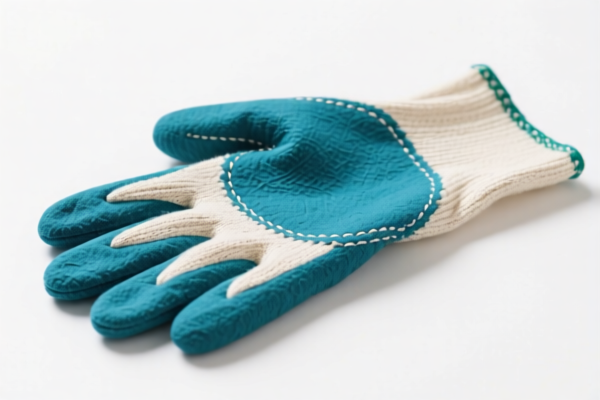
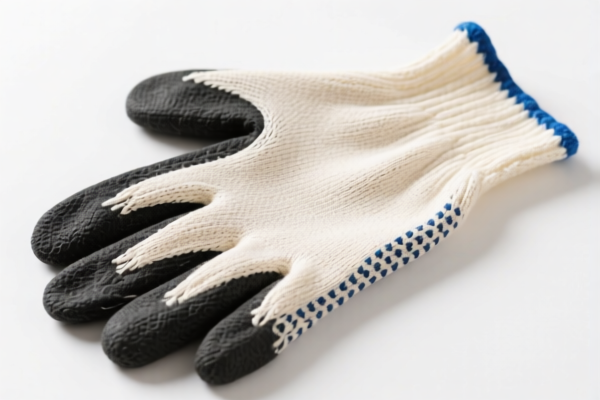


AI分析
🧤 Rubber Laminated Sewn Gloves (Rubber Coated Cotton Gloves)
🌐 HS Code Reference & Customs Clearance Guide | 2026 Latest Tariff Analysis | Professional Compliance Strategy
📌 I. Product Definition & Classification: Do You Really Understand "Rubber Laminated Gloves"?
"Rubber Laminated Sewn Gloves" generally refer to gloves made of textile materials (typically cotton) that are coated, impregnated, or covered with rubber to provide protection against water, chemicals, or abrasion. In international trade, classification depends heavily on material composition, manufacturing process (sewn vs. molded), and specific use.
Key Distinction Points: - Plastic vs. Rubber: Is the coating pure plastic (polymer) or vulcanized rubber? This determines the chapter (Chapter 39 vs. Chapter 40). - Textile Content: Is the base material textile (cotton)? If yes, it likely falls under Chapter 61 (Knitted/Crocheted) or Chapter 62 (Non-Knitted). - Coating Method: Is it "impregnated/coated" (liquid rubber applied) or "laminated" (sheet bonded)? This affects specific subheadings.
⚠️ Critical Warning:
- If the glove is purely rubber (no textile base or minimal), it falls under Chapter 40.
- If the glove is textile-based (cotton) with a rubber coating, it usually falls under Chapter 61 (if knitted/crocheted) or Chapter 62.
- Misclassification between plastic (Ch 39) and rubber (Ch 40) or textile (Ch 61) can lead to massive duty differences (from 6.5% to 49%+).
📦 II. HS Code Classification Details (2026 Latest Tariff Authority)
| HS Code | Product Description | Applicable Scenario | Key Classification Criteria |
|---|---|---|---|
3926.20.40.50 |
Gloves of plastics (e.g., PVC, PE) laminated/coated on textile base | Low-cost industrial gloves; coating is plastic, not rubber | ❌ Not Rubber (Plastic Coating) |
4015.19.51.00 |
Other gloves of vulcanized rubber (composite) | Rubber-coated gloves where rubber is the dominant protective layer, not specifically medical | ✅ Rubber Composite |
4015.12.90.00 |
Surgical gloves of vulcanized rubber | Medical/Surgical use; high-purity rubber | ✅ Medical/Rubber |
6116.10.55.10 |
Gloves impregnated/coated with rubber, cotton >50% | Most Common: Cotton base (>50%), rubber coating, knitted/crocheted | ✅ Textile + Rubber Coating |
6116.10.48.10 |
Gloves impregnated/coated with rubber, cotton subject to restrictions | Similar to above, but cotton origin/compliance issues apply | ✅ Textile + Rubber Coating |
🔍 Key Insight:
- HS 6116.10 is the most likely category for standard "rubber-coated cotton work gloves."
- HS 4015 applies if the rubber component is significant or if it's not considered a "textile article" under Chapter 61.
- HS 3926 is rare for rubber coatings; it applies if the coating is plastic (e.g., PVC-coated nylon). Ensure your product description explicitly states "Vulcanized Rubber" if aiming for Chapter 40/61.
💰 III. 2026 Latest Tariff Rate Breakdown (Including Surcharges & Policy Add-ons)
✅ Applicable Country: United States (US)
✅ Country of Origin: China (CN)
✅ Effective Date: 2025/2026 Tariff Period
🎯 1. 3926.20.40.50 — Gloves of Plastics (Misclassified if Rubber)
| Item | Details |
|---|---|
| Base Duty | 6.5% |
| Section 301 Surcharge | 0.0% (Note: Check latest HTSUS notes; some plastic goods may have 0% or higher depending on specific subheading updates. Data Source: Provided HS Data) |
| Section 122 Tariff | 10% |
| Total Effective Rate | 16.5% |
| Tax Calculation | CIF Value × 16.5% |
| De Minimis Eligibility | ❌ No (Section 301/122 usually blocks de minimis) |
| Legal Basis | HTSUS 3926.20 + IEEPA/USITC Footnotes |
📌 Explanation:
- This classification assumes the coating is plastic, not rubber. If your product is truly rubber, this code is incorrect.
- Risk: If customs determines the coating is rubber, they will reclassify to Chapter 40/61, leading to back taxes + penalties.
- 122 Tariff: Applies to specific goods under IEEPA authority.
🎯 2. 4015.19.51.00 — Other Vulcanized Rubber Gloves (Composite)
| Item | Details |
|---|---|
| Base Duty | 14.0% |
| Section 301 Surcharge | 25.0% |
| Section 122 Tariff | 10% |
| Total Effective Rate | 49.0% |
| Tax Calculation | CIF Value × 49.0% |
| De Minimis Eligibility | ❌ No |
| Legal Basis | IEEPA:9903.01.24 → USITC:4015.19.51.00 |
📌 Explanation:
- High duty due to Section 301 (25%) on Chinese rubber products.
- Applies if the glove is classified primarily as a rubber article rather than a textile article.
- Common for heavy-duty industrial gloves with thick rubber layers.
🎯 3. 4015.12.90.00 — Surgical/Medical Rubber Gloves
| Item | Details |
|---|---|
| Base Duty | 14.0% |
| Section 301 Surcharge | 25.0% |
| Section 122 Tariff | 10% |
| Total Effective Rate | 49.0% |
| Tax Calculation | CIF Value × 49.0% |
| De Minimis Eligibility | ❌ No |
| Legal Basis | IEEPA:9903.01.24 → USITC:4015.12.90.00 |
📌 Explanation:
- Same high duty as other rubber gloves.
- FDAs may also require additional medical device registration if marketed for medical use.
- Ensure "Surgical" label is accurate; mislabeling non-medical gloves as surgical can cause FDA seizures.
🎯 4. 6116.10.55.10 — Cotton >50% with Rubber Coating (Knitted/Crocheted)
| Item | Details |
|---|---|
| Base Duty | 13.2% |
| Section 301 Surcharge | 7.5% |
| Section 122 Tariff | 10% |
| Total Effective Rate | 30.7% |
| Tax Calculation | CIF Value × 30.7% |
| De Minimis Eligibility | ❌ No |
| Legal Basis | IEEPA:9901.25 → USITC:6116.10.55.10 |
📌 Explanation:
- Most Likely Code for General Work Gloves.
- Lower duty than pure rubber codes because the textile base reduces the "rubber content" threshold for Section 301.
- Cotton content must be >50% to qualify for this specific subheading.
🎯 5. 6116.10.48.10 — Cotton Gloves with Rubber Coating (Cotton Restrictions Apply)
| Item | Details |
|---|---|
| Base Duty | 18.6% |
| Section 301 Surcharge | 7.5% |
| Section 122 Tariff | 10% |
| Total Effective Rate | 36.1% |
| Tax Calculation | CIF Value × 36.1% |
| De Minimis Eligibility | ❌ No |
| Legal Basis | IEEPA:9901.25 → USITC:6116.10.48.10 |
📌 Explanation:
- Similar to6116.10.55.10but may apply if cotton origin is restricted or if the product fails the ">50% cotton" test for the 55.10 subheading.
- Higher base duty (18.6%) reflects stricter compliance or different material weighting.
🛠️ IV. Customs Clearance Practical Advice (Real-World Pitfall Guide)
✅ 1. Documentation Checklist (Mandatory)
| Document | Required | Notes |
|---|---|---|
| ✅ Product Specification Sheet | ✔️ | Must state: "Cotton Base," "Vulcanized Rubber Coating," "Weight of Coating," "Knitted/Crocheted Structure" |
| ✅ Material Composition Statement | ✔️ | Clearly state % Cotton vs. % Rubber. Critical for HS 6116 classification. |
| ✅ Product Photos (Front/Back/Interior) | ✔️ | Show texture, stitching, and coating coverage. |
| ✅ Commercial Invoice | ✔️ | Describe as "Rubber Coated Cotton Gloves, Knitted, For Industrial Use" |
| ✅ Packing List | ✔️ | Include gross/net weight, dimensions, and number of pairs. |
| ✅ Certificate of Origin (CO) | ✔️ | Essential for proving Chinese origin to apply correct Section 301/122 rates. |
✅ 2. Declaration Tips (Key Mantras)
🔥 "Cotton Over 50%, Knitted Base, Rubber Coating, Declare 6116!"
| Scenario | Correct HS Code | Incorrect Practice | Consequence |
|---|---|---|---|
| Standard Work Glove (Cotton >50%, Knitted, Rubber Coated) | 6116.10.55.10 (30.7%) |
Declare as 4015.19.51.00 |
Overpay ~18.3% |
| Pure Rubber Glove (No textile base) | 4015.19.51.00 (49.0%) |
Declare as 6116.10.55.10 |
Underpayment + Penalty |
| Plastic-Coated Glove (PVC/Nitrile Plastic, not rubber) | 3926.20.40.50 (16.5%) |
Declare as 6116.10.55.10 |
Underpayment + Penalty |
| Medical/Surgical Glove | 4015.12.90.00 (49.0%) |
Declare as 6116.10.55.10 |
FDA Violation + Duty Underpayment |
📌 Critical Reminder:
- "Rubber" vs. "Plastic": Ensure your supplier specifies if the coating is vulcanized rubber (Chapter 40/61) or synthetic plastic (Chapter 39). Nitrile, for example, is often classified as rubber if it meets specific vulcanization criteria, but can sometimes be argued as plastic. Be precise.
- "Sewn" vs. "Knitted": If the base is sewn (non-knitted), it may fall under Chapter 62 (6216.00.00), which has different duty rates. Check if your gloves are knitted/crocheted (Chapter 61) or cut-and-sew (Chapter 62). The provided data focuses on Chapter 61 (6116.10), implying knitted base.
✅ 3. Special Cases Handling
| Case | Handling Advice |
|---|---|
| Nitrile-Coated Gloves | Nitrile is a synthetic rubber. Often classified under 6116.10 if on textile base. Confirm with broker if it qualifies as "vulcanized rubber" for HS purposes. |
| Latex-Coated Cotton Gloves | Definitely 6116.10 or 4015.10. Latex is natural rubber. |
| Double-Lined Gloves | If lined with additional textile (e.g., terry cloth), ensure the outer coating material determines classification. |
| Custom Branding/OEM | Provide OEM agreement to prove ownership, but do not alter material description. |
🌍 V. Global Market Comparison (2026 Latest)
| Country/Region | Recommended HS Code | Duty Rate (CN Origin) | Certification | Notes |
|---|---|---|---|---|
| 🇺🇸 USA | 6116.10.55.10 |
30.7% | No special certs | High Section 301/122 impact |
| 🇨🇳 China | 6116.10.55.10 |
~13-15% | GB Standards | No Section 301 |
| 🇪🇺 EU | 6116.10 |
~10-12% | REACH, CPSR | No Section 301, but REACH compliance critical |
| 🇬🇧 UK | 6116.10 |
~10-12% | UKCA, REACH | Post-Brexit rules apply |
| 🇦🇺 Australia | 6116.10 |
~5% | ACCC | Lower duties, no surcharges |
📌 Conclusion:
- USA is the most expensive market for rubber-coated gloves due to Section 301 (7.5-25%) and Section 122 (10%).
- China/EU have lower duties but stricter chemical compliance (REACH, Prop 65).
- Consider transshipment (if legal) or supply chain diversification to mitigate US duties.
📌 VI. Common Errors & Pitfalls (Blood Lessons)
❌ Error 1: Calling "Nitrile Gloves" as "Plastic Gloves" to avoid rubber duties.
👉 Result: Customs reclassifies to 6116.10 or 4015, leading to back taxes + interest.
❌ Error 2: Declaring "Cotton Gloves" without mentioning rubber coating.
👉 Result: Classified as plain cotton gloves (6116.90), which may have lower duties, but if found to be coated, penalty for misdeclaration.
❌ Error 3: Using "Sewn Gloves" in description but declaring under Chapter 61 (Knitted).
👉 Result: If gloves are cut-and-sew (non-knitted), they fall under Chapter 62 (6216.00.00). Wrong code → delayed clearance.
❌ Error 4: Ignoring Section 122 impact.
👉 Result: Forgetting to include the 10% IEEPA tariff in cost calculations → profit margin erosion.
✅ Correct Practice:
"Rubber-Coated Cotton Work Gloves, Knitted, 13 Gauge, Cuff Length 8", for Industrial Use, Compliant with CPSIA & REACH"
🎯 VII. Conclusion: Precision Classification Saves Money!
🎯 Remember the Mantra:
🔹 "Cotton Base, Rubber Coat, Knitted Structure → 6116.10"
🔹 "Pure Rubber or Medical → 4015.10 (49% Duty!)"
🔹 "Plastic Coat → 3926.20 (16.5% Duty)"
🔹 "Check Cotton %: >50% = 55.10, Else = 48.10"
📌 Pro Tip:
- Request a Pre-Ruling from US Customs (CBP) if your product is borderline between Chapter 39, 40, and 61.
- Work with a licensed customs broker to verify material composition and HS code accuracy.
- Keep samples of raw materials (yarn, rubber sheet) to prove composition during audits.
📣 Immediate Action:
📞 Contact your customs broker with product photos and material specs.
📝 Update your commercial invoice with precise descriptions.
🚀 Optimize your supply chain to handle the 30.7%–49% duty burden.
✨ Professional Clearance, Starts with Accurate Classification!
💼 Every Penny Saved on Duties is Profit Kept!
用户评价
关于 HS 编码归类
协调制度(HS)是由世界海关组织(WCO)制定的国际贸易商品分类标准。全球 200 多个国家采用 HS 系统作为海关关税、贸易统计和进出口监管的基础。
每个 HS 编码遵循以下层级结构:
- 章(2 位)——商品大类(例如:第 84 章:机器和机械设备)
- 品目(4 位)——章内的更具体分类
- 子目(6 位)——国际通用细分,所有 WCO 成员国统一使用
- 本国细分(8-10 位)——各国自行扩展的细分编码,如美国 HTSUS 10 位编码
正确的 HS 编码归类对于顺利通关、准确缴纳关税和遵守贸易法规至关重要。错误归类可能导致海关延误、多缴关税或罚款。
从CN进口到US时,适用的关税税率可能包括:
- 最惠国(MFN)税率——适用于 WTO 成员国的标准关税税率
- 普通税率——适用于无贸易协定国家
- 贸易救济关税——附加关税,如 301 条款(反倾销)、232 条款(国家安全)或反补贴税
本页内容仅供参考。如需正式归类,请咨询当地海关或持牌报关代理。