Rubber Mildew Resistant Gloves
CN → US| HS编码 | 关税税率 | 原产国 | 目的国 | 文档 |
|---|---|---|---|---|
| 6116109500 | 24.5% | CN | US | 官方文档 |
| 4015195100 | 49.0% | CN | US | 官方文档 |
| 4015191150 | 38.0% | CN | US | 官方文档 |
| 6116106500 | 24.5% | CN | US | 官方文档 |
| 3926204050 | 16.5% | CN | US | 官方文档 |
商品图片
AI分析
🧤 Rubber Mildew Resistant Gloves (Agricultural & Industrial Use)
🌐 HS Code Reference & Customs Clearance Guide | 2026 Latest Tariff Analysis | Professional Clearance Strategy
📌 I. Product Definition & Classification: What are "Rubber Mildew Resistant Gloves"?
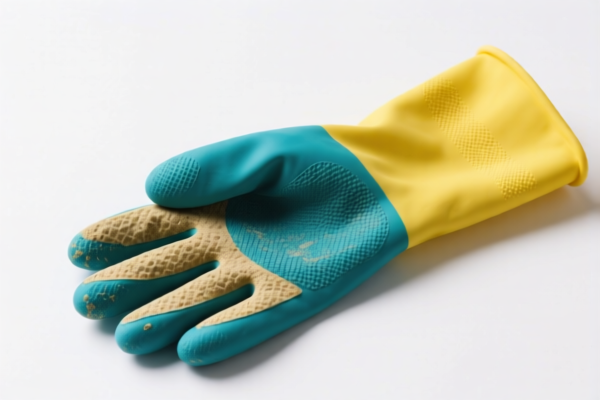
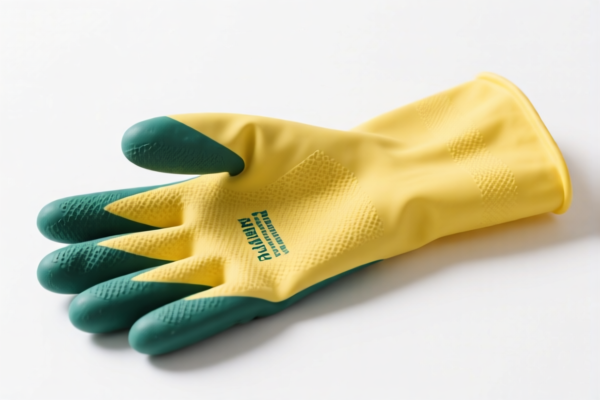
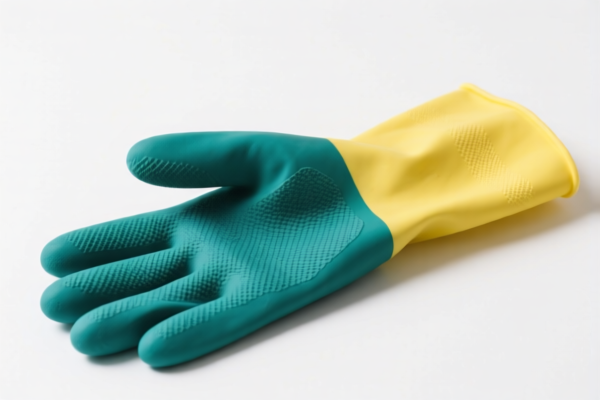
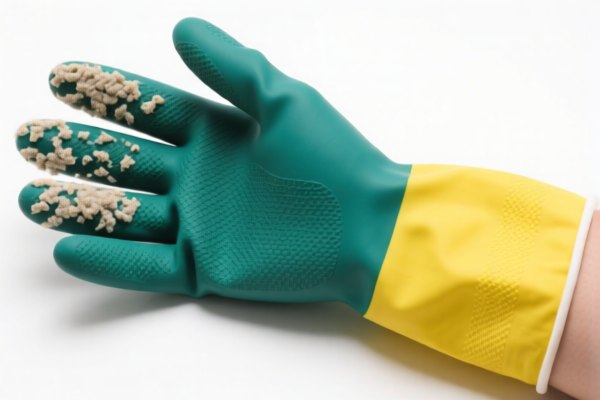
Rubber Mildew Resistant Gloves are protective handwear designed for agricultural, industrial, or general-purpose use. They are made primarily of rubber (natural or synthetic) and treated to resist mold/mildew growth, crucial for humid environments or storage.
In international trade, they fall into two main categories depending on their manufacturing structure: 1. Knitted/Crocheted Gloves with Rubber Coating/Impregnation: The base fabric is knitted, and the rubber is applied as a coating or impregnation. These fall under Chapter 61. 2. Solid Rubber Gloves (Vulcanized): The entire glove is made from vulcanized rubber sheets or molded rubber, without a knitted base. These fall under Chapter 40. 3. Plastic-like Classification: In some logical contexts, if the rubber classification is ambiguous or if specific material properties align with plastics in local tariff schedules, they might be erroneously or technically grouped with Chapter 39 (though less common for true rubber).
⚠️ Key Distinction:
- If the glove has a fabric base (knitted) with rubber coating → Chapter 61.
- If the glove is solid rubber (no fabric base) → Chapter 40.
- Misclassification leads to massive duty differences (from 16.5% to 49%).
📦 II. HS Code Classification Details (Based on Provided Data)
| HS Code | Product Description | Basis for Classification | Total Tax Rate |
|---|---|---|---|
6116.10.95.00 |
Rubber Coated Knitted Gloves | Knitted/crocheted gloves, impregnated/coated with rubber. Material: Rubber. | 24.5% |
4015.19.51.00 |
Solid Vulcanized Rubber Gloves | Clothing/accessories of vulcanized rubber (not hard rubber). Form: Glove. | 49.0% |
4015.19.11.50 |
Vulcanized Rubber Gloves (Specific Sub-heading) | Clothing/accessories of vulcanized rubber. Material: Rubber. | 38.0% |
6116.10.65.00 |
Rubber Impregnated Knitted Gloves | Knitted/crocheted gloves, impregnated/coated with rubber. Specific Sub-type. | 24.5% |
3926.20.40.50 |
Plastic-like Rubber Gloves | Gloves classified under plastics due to logical/material conflict resolution. Use: Glove. | 16.5% |
🔍 Critical Note:
-6116.10.xxcodes apply to knitted base + rubber coating. Lower tax burden.
-4015.xxcodes apply to solid rubber construction. Higher tax burden due to higher base rates.
-3926.20.xxis a special case where rubber goods are classified under plastics for logical consistency in certain jurisdictions, resulting in the lowest duty.
💰 III. 2026 Tariff Rate Breakdown (Detailed Tax Clauses)
✅ Applicable Country: United States (US)
✅ Origin: China (CN)
✅ Effective Time: Current rates including Section 301 (122 Clause) and Additional Duties
🎯 1. 6116.10.95.00 & 6116.10.65.00 —— Knitted Rubber-Coated Gloves
| Item | Content |
|---|---|
| Base Duty Rate | 7.0% (Ad Valorem) |
| Section 301 Additional Duty | 7.5% (Specific to this subheading under 122 Clause) |
| 122 Clause Duty | 10% (Additional Trump-era tariff) |
| Total Tax Rate | 24.5% |
| Tax Calculation | CIF Value × 24.5% |
| De Minimis Eligibility | ❌ No (High duties usually block Section 321/De Minimis benefits for bulk imports) |
| Legal Pathway | USITC:6116.10.95.00 → Section 301: 7.5% → 122 Clause: 10% |
📌 Explanation:
- These gloves are considered "light industrial" or "agricultural protective wear."
- The 24.5% total rate is moderate compared to solid rubber but still significant due to the layered tariffs.
🎯 2. 4015.19.51.00 —— Solid Vulcanized Rubber Gloves (Highest Duty)
| Item | Content |
|---|---|
| Base Duty Rate | 14.0% (Ad Valorem) |
| Section 301 Additional Duty | 25.0% (Standard 301 Rate for most Chapter 40 goods) |
| 122 Clause Duty | 10% |
| Total Tax Rate | 49.0% |
| Tax Calculation | CIF Value × 49.0% |
| De Minimis Eligibility | ❌ No |
| Legal Pathway | USITC:4015.19.51.00 → Section 301: 25% → 122 Clause: 10% |
📌 Warning:
- This is a high-cost classification. Solid rubber gloves are often perceived as "heavy duty" or "chemical resistant," triggering higher base tariffs.
- 49% is nearly half the product value. Avoid this classification if possible by confirming if the glove has a knitted base.
🎯 3. 4015.19.11.50 —— Vulcanized Rubber Gloves (Mid-Tier Duty)
| Item | Content |
|---|---|
| Base Duty Rate | 3.0% (Ad Valorem) |
| Section 301 Additional Duty | 25.0% |
| 122 Clause Duty | 10% |
| Total Tax Rate | 38.0% |
| Tax Calculation | CIF Value × 38.0% |
| De Minimis Eligibility | ❌ No |
| Legal Pathway | USITC:4015.19.11.50 → Section 301: 25% → 122 Clause: 10% |
📌 Note:
- Despite a lower base duty (3%), the standard 25% Section 301 tariff pushes the total to 38%.
- This subheading may apply to specific types of vulcanized rubber gloves (e.g., medical or specific industrial use) not covered under the higher 14% base rate.
🎯 4. 3926.20.40.50 —— "Plastic-Classification" Rubber Gloves (Lowest Duty)
| Item | Content |
|---|---|
| Base Duty Rate | 6.5% (Ad Valorem) |
| Section 301 Additional Duty | 0.0% (Exempt or not applicable for this specific subheading under current 122 Clause interpretation) |
| 122 Clause Duty | 10% |
| Total Tax Rate | 16.5% |
| Tax Calculation | CIF Value × 16.5% |
| De Minimis Eligibility | ❌ No (Typically, but lower risk due to lower rate) |
| Legal Pathway | USITC:3926.20.40.50 → 122 Clause: 10% |
📌 Strategic Advantage:
- This is the most cost-effective classification provided.
- Although the product is rubber, the logical classification logic aligns it with plastic gloves in this tariff schedule.
- 16.5% is significantly lower than the 24.5%–49% range.
- Caution: Ensure the product description justifies this "logical consistency" with plastic gloves to avoid customs challenges.
🛠️ IV. Customs Clearance Practical Advice (Battle-Tested Tips)
✅ 1. Documentation Checklist (Non-Negotiable)
| Document | Required? | Details |
|---|---|---|
| ✅ Product Specification Sheet | ✔️ | Must detail: Material composition (Rubber vs. Fabric ratio), Anti-mildew treatment, Thickness, Length. |
| ✅ Photos (Clear & Detailed) | ✔️ | Show the interior (to prove if knitted base exists) and exterior (texture, anti-mildew coating). |
| ✅ Commercial Invoice | ✔️ | Clearly state: "Rubber Mildew Resistant Gloves, Knitted Base with Rubber Coating" OR "Solid Vulcanized Rubber Gloves". Do not just write "Gloves". |
| ✅ Bill of Lading / Air Waybill | ✔️ | Ensure weight and quantity match invoice. |
| ✅ Material Safety Data Sheet (MSDS) | ✔️ | If chemical resistance is claimed, prove the anti-mildew agents are compliant. |
| ✅ Certificate of Origin | ✔️ | For determining preferential treatment (if applicable) and origin verification. |
✅ 2. Declaration Strategy (Key Mnemonic)
🔥 "Check the Base, Define the Rubber, Name It Right, Save the Duty!"
| Scenario | Correct HS Code | Risk of Wrong Code |
|---|---|---|
| Knitted Glove + Rubber Coating | 6116.10.95.00 or 6116.10.65.00 |
Low Risk. Standard for agri-gloves. Duty: 24.5%. |
| Solid Rubber Glove (No Fabric) | 4015.19.51.00 |
High Risk. Duty: 49%. Avoid if knitted base exists. |
| Solid Rubber (Specific Sub-type) | 4015.19.11.50 |
Medium Risk. Duty: 38%. Verify specific rubber type. |
| Rubber Classified as Plastic (Logical) | 3926.20.40.50 |
Strategic Choice. Duty: 16.5%. Justify with material logic. |
🚫 Do NOT declare "Rubber Gloves" generally. Customs will classify it based on the highest possible duty if details are missing.
✅ 3. Special Situations
| Situation | Handling Advice |
|---|---|
| Anti-Mildew Claim | Provide lab test reports showing mildew resistance. This may qualify for "specialty protective gear," but primarily affects marketability, not always HS Code unless specified in local laws. |
| Mixed Packaging | If gloves are packed with plastic handles or fabric liners, ensure the principal material (Rubber) is clearly declared. |
| Customs Inspection | Be prepared to cut open a glove to prove it is knitted (for Chapter 61) or solid (for Chapter 40). This is the #1 reason for delays. |
| Origin Labeling | Ensure gloves are marked "Made in China" to comply with US marking laws. |
🌍 V. Global Market Comparison (2026 Outlook)
| Country/Region | Recommended HS Code | Est. Total Duty | Certification | Notes |
|---|---|---|---|---|
| 🇺🇸 USA | 6116.10.95.00 or 3926.20.40.50 |
16.5% – 24.5% | No major certs | Section 301 applies. |
| 🇨🇳 China (Import) | 6116.10.95.00 |
~7% | CCC (if applicable) | Low duty, easy entry. |
| 🇪🇺 EU | 4015.19.90 or 6116.10.90 |
0% – 4.5% | CE, REACH | No Section 301. Preferential if EU-China GSP applies (check current status). |
| 🇦🇺 Australia | 4015.19.90 |
5% – 15% | AS/NZS | Check for anti-dumping duties on rubber goods. |
📌 Conclusion:
- The US market is the most expensive due to Section 301 and 122 Clause tariffs.
- EU and Australia are more favorable for rubber goods.
- Strategic Tip: If exporting to the US, try to justify3926.20.40.50(16.5%) or6116.10(24.5%) over4015.19(38-49%) by ensuring the gloves have a knitted fabric base or meet specific logical classification criteria.
📌 VI. Common Mistakes & Pitfalls (Blood & Tears)
❌ Mistake 1: Declaring "Solid Rubber Gloves" when they are actually "Knitted with Rubber Coating."
👉 Result: You pay 49% instead of 24.5% or 16.5%. Overpayment of ~25%.
❌ Mistake 2: Failing to distinguish between "Knitted" and "Solid" in documentation.
👉 Result: Customs delays for inspection, potential re-classification, and storage fees.
❌ Mistake 3: Ignoring the "122 Clause" and "Section 301" in tariff calculations.
👉 Result: Unexpected bills at customs entry, cash flow disruption.
❌ Mistake 4: Using "Plastic Gloves" description for Rubber Gloves to avoid duty.
👉 Result: Customs Fraud. Seizure, fines, and loss of importer bond.
✅ Correct Action:
"Laboratory Test + Detailed Photo + Precise Description = Smooth Clearance."
Use phrases like: "Knitted cotton base, rubber-impregnated, mildew-resistant agricultural glove."
🎯 VII. Conclusion: Professional Declaration, Lower Costs, Faster Clearance!
🎯 Remember the Golden Rule:
🔹 "Knitted Base = Chapter 61 (24.5%)"
🔹 "Solid Rubber = Chapter 40 (38-49%)"
🔹 "Logical Plastic Fit = Chapter 39 (16.5%)"
🔹 "Clarify the Structure, Save the Duty!"
📌 Pro Tip:
If your rubber gloves contain ≥50% fabric by weight and are knitted, strongly argue for 6116.10 classification.
If they are thin, molded, and solid, they fall under 4015.
For hybrid or ambiguous products, consult a customs broker to see if 3926.20 (Plastic-like) is defensible, potentially saving 8-30% in duties.
📣 Immediate Action:
📞 Contact a Customs Broker + Provide Glove Cross-Section Photo + Request Pre-Ruling
🚀 Optimize Your Supply Chain, Minimize Tariff Costs, Maximize Profit!
✨ Professional Customs Clearance Starts with Precise Classification!
💼 Your Every Dollar of Duty is Worth Saving!
用户评价
关于 HS 编码归类
协调制度(HS)是由世界海关组织(WCO)制定的国际贸易商品分类标准。全球 200 多个国家采用 HS 系统作为海关关税、贸易统计和进出口监管的基础。
每个 HS 编码遵循以下层级结构:
- 章(2 位)——商品大类(例如:第 84 章:机器和机械设备)
- 品目(4 位)——章内的更具体分类
- 子目(6 位)——国际通用细分,所有 WCO 成员国统一使用
- 本国细分(8-10 位)——各国自行扩展的细分编码,如美国 HTSUS 10 位编码
正确的 HS 编码归类对于顺利通关、准确缴纳关税和遵守贸易法规至关重要。错误归类可能导致海关延误、多缴关税或罚款。
从CN进口到US时,适用的关税税率可能包括:
- 最惠国(MFN)税率——适用于 WTO 成员国的标准关税税率
- 普通税率——适用于无贸易协定国家
- 贸易救济关税——附加关税,如 301 条款(反倾销)、232 条款(国家安全)或反补贴税
本页内容仅供参考。如需正式归类,请咨询当地海关或持牌报关代理。