Rubber Tire
CN → US| HS编码 | 关税税率 | 原产国 | 目的国 | 文档 |
|---|---|---|---|---|
| 4012118000 | 38.4% | CN | US | 官方文档 |
| 4012124035 | 39.0% | CN | US | 官方文档 |
| 4013100010 | 38.7% | CN | US | 官方文档 |
| 4011802010 | 39.0% | CN | US | 官方文档 |
| 4011801010 | 35.0% | CN | US | 官方文档 |
| 4012198000 | 20.9% | CN | US | 官方文档 |
商品图片
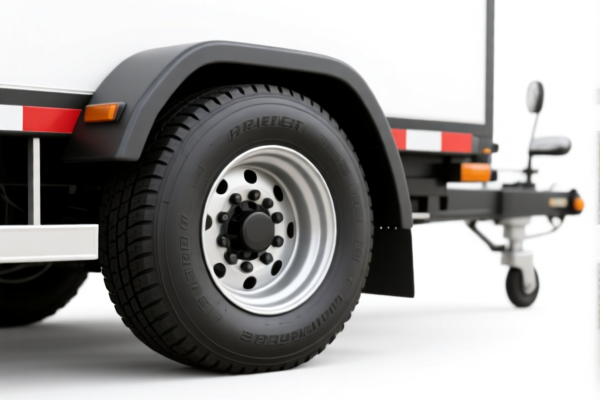
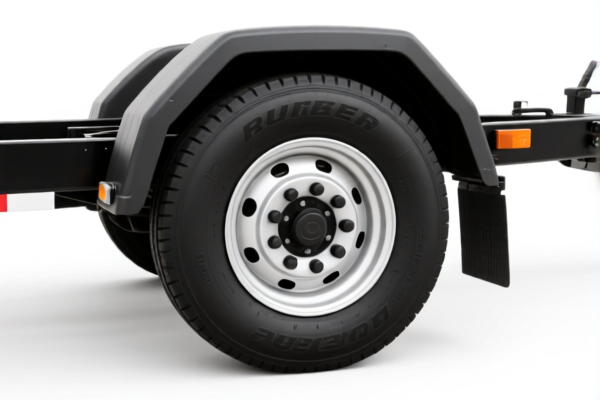
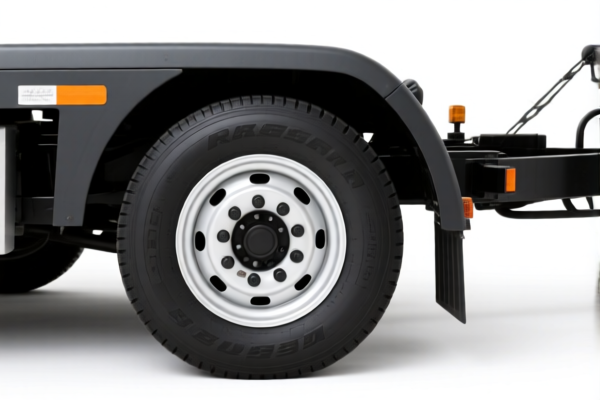
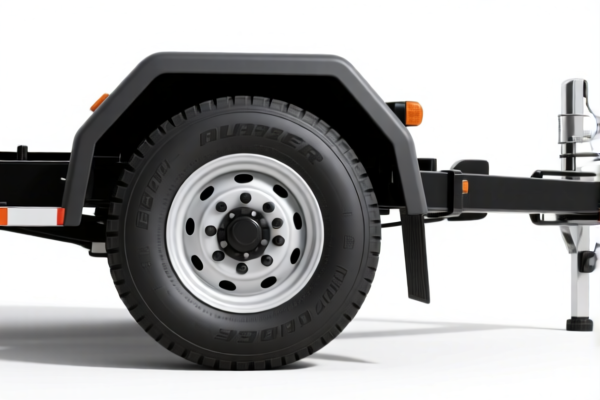
AI分析
🛞 Rubber Tires: Global HS Code Classification & Customs Clearance Guide (2026)
🌐 HS Code Reference & Customs Strategy | 2026 Latest Tariff Analysis | Professional Clearance Protocol
📌 I. Product Definition & Classification: Do You Really Understand "Rubber Tires"?
Rubber tires are the critical interface between vehicles and the road, essential for automotive, construction, and industrial logistics. In international trade, they are strictly categorized by material (rubber), structure (radial/non-radial), and specific application (automotive/engineering/other).
Key Distinction Points: - Automotive Passenger/Commercial Vehicle Tires: Typically fall under 4011. - Tire Retreads/Recaps: Fall under 4012. - Inner Tubes & Other Tire Accessories: Fall under 4013. - Engineering/Industrial Tires: Specific subheadings within 4011.
⚠️ Critical Compliance Note:
- Misclassification between 4011 (New Tires) and 4012 (Retreads) is a common audit trigger. - "Other" categories (4012.xx.80) are often used for fallback classification but may carry different duty rates. - US Import Restrictions: Many rubber tire categories from China are subject to Section 301 and Section 122 tariffs, leading to significantly higher effective duties.
📦 II. HS Code Classification Matrix (Based on Provided Data)
| HS Code | Product Description | Application/Scenario | Tax Details (Total) | Key Classification Logic |
|---|---|---|---|---|
| 4012.11.80.00 | Rubber Tires (Retreads/Recaps) | Retreaded tires for passenger/commercial vehicles | 38.4% | Fallback rule: Matches "Other" categories for retreaded rubber tires. |
| 4012.12.40.35 | Rubber Tires (Retreads) | Specific retread classification based on other category matching rules | 39.0% | Specific rule: Matches retreaded tires under detailed subheadings. |
| 4013.10.00.10 | Rubber Inner Tubes | Inner tubes for tires, material/usage matches core elements of reference classification | 38.7% | Component rule: Classified as a core accessory/component of tire systems. |
| 4011.80.20.10 | Rubber Engineering Tires | Radial tires for engineering/construction/industrial vehicles | 39.0% | Usage rule: Explicitly categorized for engineering/industrial use; radial structure. |
| 4011.80.10.10 | Rubber Engineering Tires | Non-radial or specific engineering tires for construction/industrial vehicles | 35.0% | Special rate: Matches tire morphology for construction/industrial vehicles; lower base duty. |
| 4012.19.80.00 | Rubber Tires (Other Retreads/Parts) | Other retreaded tires or parts not elsewhere specified | 20.9% | Low-rate fallback: "Other" category with reduced additional tariffs (7.5% vs 25%). |
🔍 Analysis of Tax Variances:
- Highest Duty (39.0%): Applied to specific retreads (4012.12.40.35) and engineering radial tires (4011.80.20.10).
- Lowest Duty (20.9%): Applied to general "other" retreads/parts (4012.19.80.00), likely due to lower additional tariff rates (7.5% instead of 25%).
- Engineering Tires: Two distinct rates (35.0% vs 39.0%) suggest structural differences (radial vs. non-radial) or specific subheading privileges.
💰 III. 2026 Tariff Rate Breakdown (US Market - China Origin)
✅ Applicable Market: United States (US)
✅ Origin: China (CN)
✅ Policy Context: Includes Base Duty, Section 301 Additional Duty, and Section 122 Duty.
🎯 1. General High-Tax Category (e.g., 4012.12.40.35, 4011.80.20.10)
| Item | Details |
|---|---|
| Base Duty | 4.0% (ad valorem) |
| Section 301 Additional Duty | +25.0% (Standard penalty for Chinese goods) |
| Section 122 Duty | +10.0% (Specific penalty for certain rubber articles) |
| Total Effective Duty | 39.0% |
| Calculation Basis | CIF Value × 39.0% |
| De Minimis Exemption | ❌ Not Eligible (High duty rate excludes low-value shipments) |
📌 Explanation:
- The 25% Section 301 duty is the primary cost driver for most Chinese-manufactured tires.
- The 10% Section 122 duty is a targeted additional penalty for specific rubber products.
- Base Duty (4%) is relatively low, but the additions make the total rate prohibitive for low-margin goods.
🎯 2. Medium-Tax Category (e.g., 4012.11.80.00, 4013.10.00.10)
| Item | Details |
|---|---|
| Base Duty | 3.4% - 3.7% (varies by subheading) |
| Section 301 Additional Duty | +25.0% |
| Section 122 Duty | +10.0% |
| Total Effective Duty | 38.4% - 38.7% |
| Calculation Basis | CIF Value × ~38.5% |
| De Minimis Exemption | ❌ Not Eligible |
📌 Note:
- Even with a slightly lower base duty (3.4-3.7%), the 25% + 10% additions keep the total rate nearly identical to the 39.0% bracket.
- Inner Tubes (4013.10.00.10) are taxed similarly to retreads, emphasizing the strict policy on rubber accessories.
🎯 3. Low-Tax Category (e.g., 4012.19.80.00)
| Item | Details |
|---|---|
| Base Duty | 3.4% |
| Section 301 Additional Duty | +7.5% (Reduced rate for "Other" categories) |
| Section 122 Duty | +10.0% |
| Total Effective Duty | 20.9% |
| Calculation Basis | CIF Value × 20.9% |
| De Minimis Exemption | ❌ Not Eligible |
📌 Opportunity:
- This is the most cost-effective classification provided.
- The Section 301 duty is reduced from 25% to 7.5%, saving 17.5% in additional tariffs.
- Strategy: Verify if your product genuinely qualifies for "Other" or "Unspecified" categories under 4012.19 to leverage this lower rate.
🎯 4. Special Engineering Tire Category (4011.80.10.10)
| Item | Details |
|---|---|
| Base Duty | 0.0% (Preferential or specific exemption) |
| Section 301 Additional Duty | +25.0% |
| Section 122 Duty | +10.0% |
| Total Effective Duty | 35.0% |
| Calculation Basis | CIF Value × 35.0% |
| De Minimis Exemption | ❌ Not Eligible |
📌 Note:
- Despite a 0% base duty, the high additional tariffs push the total to 35%.
- This is still 4.1% cheaper than the 39.0% bracket, making it a viable option for engineering tires if classification allows.
🛠️ IV. Customs Clearance Practical Advice (Pitfall Avoidance Guide)
✅ 1. Documentation Checklist (Mandatory)
| Document | Requirement | Purpose |
|---|---|---|
| Product Specification Sheet | ✔️ | Must detail tire size, ply rating, radial/non-radial structure, and tread type. |
| Tire Identification Number (TIN/UTQG) | ✔️ | Required for US DOT compliance; proves safety standards. |
| Commercial Invoice | ✔️ | Must clearly state "Rubber Tire" and specify HS Code. |
| Country of Origin Certificate | ✔️ | Crucial for determining Section 301 applicability. |
| Packing List | ✔️ | Must match invoice exactly; no discrepancies in quantity/weight. |
| Bill of Lading/Air Waybill | ✔️ | Ensure shipper/consignee details are accurate. |
✅ 2. Classification Strategy & Tips
🔥 "Match Structure, Declare Usage, Avoid Ambiguity!"
| Scenario | Recommended HS Code | Reason |
|---|---|---|
| Retreaded Tires (General) | 4012.11.80.00 or 4012.12.40.35 |
Depends on specific retread type; check for 7.5% vs 25% Section 301 applicability. |
| New Engineering Tires (Radial) | 4011.80.20.10 |
Explicitly for industrial/construction use; higher duty (39%). |
| New Engineering Tires (Non-Radial) | 4011.80.10.10 |
Lower total duty (35%); check if your product qualifies. |
| Inner Tubes | 4013.10.00.10 |
Always classified separately from tires; high duty (38.7%). |
| "Other" Rubber Articles | 4012.19.80.00 |
Best Rate (20.9%); only use if product genuinely doesn't fit specific tire subheadings. |
📌 Warning:
- Do not misdeclare new tires as retreads to access lower duties; this is fraud.
- Ensure the tread pattern and ply rating match the declared HS Code description.
✅ 3. Special Cases & Mitigation
| Situation | Recommendation |
|---|---|
| OEM Tires for Private Label | Provide OEM contract; still subject to China tariffs unless origin is changed. |
| Mixed Shipments (Tires + Accessories) | Declare separately; do not lump inner tubes with tires. |
| Transshipment via Third Country | Risk: US Customs scrutinizes "de minimis" and origin fraud. Ensure genuine transformation. |
| Section 301 Exclusions | Check if your specific HTS code was excluded during 2020-2024; most tire codes were not excluded. |
🌍 V. Global Market Comparison (2026)
| Market | Recommended HS Code | Total Duty (China Origin) | Key Certification |
|---|---|---|---|
| 🇺🇸 USA | 4011.80.20.10 / 4012.12.40.35 |
35.0% - 39.0% | DOT, TSB |
| 🇨🇳 China | 4011.80.20.10 |
~5-10% (Low Base + No Section 301) | CCC (if applicable) |
| 🇪🇺 EU | 4011.80.20.10 |
0-5% (Free Trade Agreements possible) | ECE R117 |
| 🇦🇺 Australia | 4011.80.20.10 |
5-10% | ADR |
| 🇯🇵 Japan | 4011.80.20.10 |
0-5% | JIS |
📌 Conclusion:
- The US market is significantly more expensive due to Section 301 and Section 122 duties.
- EU/Japan/Australia offer much more competitive duty rates, especially if FTAs apply.
- Strategy: Consider supply chain diversification to non-China origins (e.g., Vietnam, Thailand) to avoid US tariffs.
📌 VI. Common Errors & Pitfalls (Lessons Learned)
❌ Error 1: Misclassifying New Tires as Retreads
👉 Consequence: Fraud allegations, fines, and cargo seizure.
❌ Error 2: Ignoring Section 122 Duty
👉 Consequence: Underpayment of 10%, leading to retroactive duties + interest.
❌ Error 3: Failing to Separate Inner Tubes
👉 Consequence: Complex clearance delays, potential reclassification errors.
❌ Error 4: Using Ambiguous Descriptions ("Rubber Products")
👉 Consequence: Customs audit, delayed release, and additional scrutiny.
✅ Correct Practice:
Use precise descriptions:
"Radial Pneumatic Rubber Tires, Size 315/80R22.5, for Heavy-Duty Trucks, DOT Certified, Model XYZ"
🎯 VII. Conclusion: Precision Drives Profit
🎯 Key Takeaways: 1. Tariff Sensitivity: A 3.5% difference in duty (20.9% vs 24.4%) can make or break profitability. 2. Classification is Key: Ensure your HS Code matches the exact structure (radial/non-radial) and use (engineering/automotive). 3. US Market Risk: High duties (35-39%) require careful cost calculation and potential supply chain adjustments.
📌 Pro Tip:
If your tires qualify for 4012.19.80.00 (20.9% duty), ensure they truly fit the "Other" category.
For engineering tires, compare 4011.80.10.10 (35%) vs 4011.80.20.10 (39%) to choose the lower-cost option.
📣 Immediate Action:
📞 Consult a Customs Broker to verify the correct HS Code for your specific tire model.
📄 Prepare Detailed Specs to support your classification.
🚀 Optimize Your Supply Chain to mitigate high US tariffs.
✨ Accurate Classification Saves Money!
💼 Every Percent Counts in Global Trade!
用户评价
关于 HS 编码归类
协调制度(HS)是由世界海关组织(WCO)制定的国际贸易商品分类标准。全球 200 多个国家采用 HS 系统作为海关关税、贸易统计和进出口监管的基础。
每个 HS 编码遵循以下层级结构:
- 章(2 位)——商品大类(例如:第 84 章:机器和机械设备)
- 品目(4 位)——章内的更具体分类
- 子目(6 位)——国际通用细分,所有 WCO 成员国统一使用
- 本国细分(8-10 位)——各国自行扩展的细分编码,如美国 HTSUS 10 位编码
正确的 HS 编码归类对于顺利通关、准确缴纳关税和遵守贸易法规至关重要。错误归类可能导致海关延误、多缴关税或罚款。
从CN进口到US时,适用的关税税率可能包括:
- 最惠国(MFN)税率——适用于 WTO 成员国的标准关税税率
- 普通税率——适用于无贸易协定国家
- 贸易救济关税——附加关税,如 301 条款(反倾销)、232 条款(国家安全)或反补贴税
本页内容仅供参考。如需正式归类,请咨询当地海关或持牌报关代理。