Rubber diving mittens
CN → US| HS编码 | 关税税率 | 原产国 | 目的国 | 文档 |
|---|---|---|---|---|
| 4015195100 | 49.0% | CN | US | 官方文档 |
| 6116109500 | 24.5% | CN | US | 官方文档 |
| 4015191150 | 38.0% | CN | US | 官方文档 |
| 6116106500 | 24.5% | CN | US | 官方文档 |
| 4015191110 | 38.0% | CN | US | 官方文档 |
商品图片

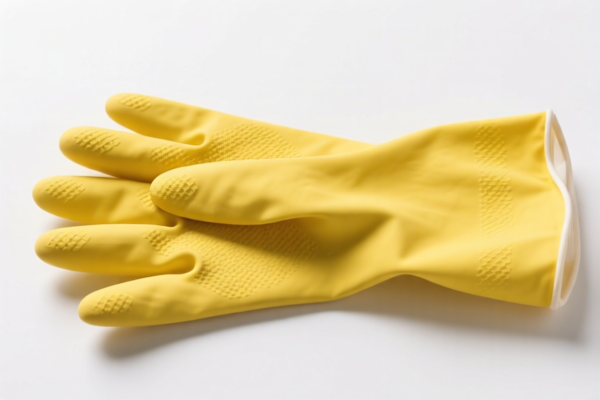
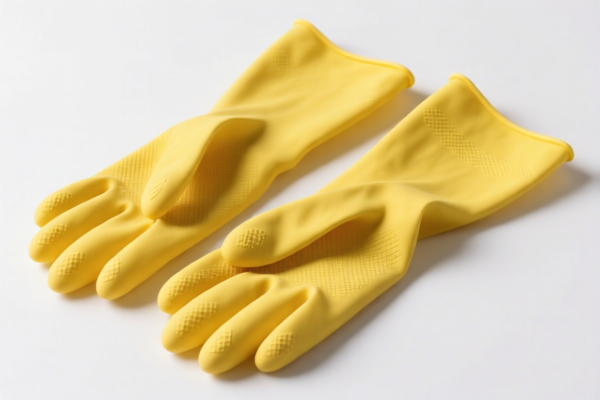

AI分析
🧤 Rubber Diving Mittens: The Ultimate Guide to HS Codes, Tax Burdens & Clearance Strategies (2026)
🌐 HS Code Reference & Clearance Guide | 2026 Latest Tariff Analysis | Professional Compliance Strategy
📌 One: Product Definition & Classification: What Exactly Are "Rubber Diving Mittens"?
Rubber diving mittens are specialized protective gear designed for underwater activities, commercial diving, or industrial aquatic work. In international trade, they are not simply "gloves" but are categorized based on their material composition and manufacturing process. The two primary classification paths are:
- Vulcanized Rubber Gloves (Chapter 40): Made entirely of vulcanized rubber, providing high elasticity, waterproofing, and chemical resistance. These are considered "articles of vulcanized rubber."
- Impregnated/Coated Knitted Gloves (Chapter 61): Knitted or crocheted gloves where the palm or entire surface is dipped in, coated with, or covered by rubber/latices. These are considered "knitted apparel accessories."
⚠️ Key Distinction Point:
- If the glove is molded/vulcanized rubber (homogeneous material, no fabric base) →归入 Chapter 40 (e.g.,4015.19...).
- If the glove is knitted fabric dipped in rubber (composite material) →归入 Chapter 61 (e.g.,6116.10...).
- Note: Even if used for "diving," the primary classification remains based on material/structure, not just end-use, unless specific sub-headings for "sports equipment" apply (which rarely override material-specific headings for gloves).
📦 Two: HS Code Classification Details (2026 Latest Tariff Authority Comparison)
Based on the provided data <DATA>, here are the 5 possible HS Codes for Rubber Diving Mittens, with their corresponding tax breakdowns.
| HS Code | Product Description (Summary from Data) | Material/Structure Feature | Total Tax Rate |
|---|---|---|---|
4015.19.51.00 |
Rubber material gloves, fits classification for vulcanized rubber gloves | Pure Vulcanized Rubber | 49.0% |
6116.10.95.00 |
Rubber-impregnated or coated gloves, classified as knitted/hooked other types | Knitted Fabric + Rubber Coating | 24.5% |
4015.19.11.50 |
Vulcanized rubber material gloves, fits glove category characteristics | Pure Vulcanized Rubber | 38.0% |
6116.10.65.00 |
Rubber-coated gloves, fits glove usage and material characteristics | Knitted Fabric + Rubber Coating | 24.5% |
4015.19.11.10 |
Plastic (vulcanized rubber) material gloves, no obvious material conflict | Pure Vulcanized Rubber | 38.0% |
🔍 Critical Observation:
- Chapter 40 (Vulcanized Rubber) tariffs are significantly higher (38% - 49%) due to a high "Additional Tariff" (加征关税) of 25% plus base tariffs.
- Chapter 61 (Knitted/Coated) tariffs are lower (24.5%) with a lower "Additional Tariff" of 7.5%.
- Why the difference? The US/China trade relations impose higher penalties on solid rubber goods (often seen as more competitive/manufacturing-intensive) compared to textile-based coated goods.
💰 Three: 2026 Latest Tariff Rate Detailed Explanation (Including Surtaxes & Policy Add-ons)
✅ Applicable Country: United States (US) (Implied by "122 Clause" and high surtaxes)
✅ Origin: China (CN)
✅ Effective Time: Current Trade Policy Era (2024-2026)
🎯 1. Chapter 40: Vulcanized Rubber Gloves (High Tariff Zone)
| HS Code | Base Tariff | Additional Tariff (301 Clause) | 122-Clause Tariff | Total Tax Rate |
|---|---|---|---|---|
4015.19.51.00 |
14.0% | 25.0% | 10.0% | 49.0% |
4015.19.11.50 |
3.0% | 25.0% | 10.0% | 38.0% |
4015.19.11.10 |
3.0% | 25.0% | 10.0% | 38.0% |
📌 Explanation:
- Base Tariff: Ranges from 3% to 14% depending on specific sub-category nuances within "Other gloves of vulcanized rubber."
- Additional Tariff (25%): Standard Section 301 tariff on Chinese goods.
- 122-Clause Tariff (10%): Specific surcharge under Section 122 of the Trade Act of 1962 (often used for national security or urgent relief, currently applied to certain rubber/textile imports).
- ⚠️ High Cost Alert: If your diving mittens are 100% vulcanized rubber (no fabric liner), you face a 38% to 49% tax burden. This is extremely expensive for high-volume gear.
🎯 2. Chapter 61: Knitted/Coated Gloves (Lower Tariff Zone)
| HS Code | Base Tariff | Additional Tariff (301 Clause) | 122-Clause Tariff | Total Tax Rate |
|---|---|---|---|---|
6116.10.95.00 |
7.0% | 7.5% | 10.0% | 24.5% |
6116.10.65.00 |
7.0% | 7.5% | 10.0% | 24.5% |
📌 Explanation:
- Base Tariff: 7% for other knitted/crocheted gloves.
- Additional Tariff (7.5%): Lower than Chapter 40's 25%.
- 122-Clause Tariff (10%): Same as Chapter 40.
- 💡 Cost Saving Opportunity: If you can structure the product as a knitted glove dipped in rubber (even if the lining is thin), the total tariff drops to 24.5%, saving you 13.5% - 24.5% in taxes compared to pure rubber gloves.
🛠️ Four: Clearance Practical Advice (Battle-Tested Pitfall Avoidance)
✅ 1. Preparation Checklist (Non-Negotiable)
| Document | Required? | Reason |
|---|---|---|
| Product Specifications Sheet | ✔️ | Must detail material composition (e.g., "100% Vulcanized Natural Rubber" vs. "Polyester Knit with Nitrile Rubber Coating"). |
| Material Composition Statement | ✔️ | Crucial for distinguishing between Chapter 40 and 61. |
| Product Photos (Clear & Detailed) | ✔️ | Show texture, flexibility, and any fabric lining visible at the cuff. |
| Commercial Invoice | ✔️ | Clearly state "Diving Mittens" and HS Code. |
| Origin Certificate | ✔️ | To confirm CN origin and apply correct surtaxes. |
| Test Report (if available) | ✔️ | Shows durability, chemical resistance, confirming diving use. |
✅ 2. Declaration Strategy (The Golden Rules)
🔥 “Structure Defines Tariff: Pure Rubber = Expensive, Knitted+Coat = Cheaper!”
| Scenario | Correct HS Code | Tax Rate | Why? |
|---|---|---|---|
| Pure Vulcanized Rubber Glove (No fabric) | 4015.19.11.10 or 4015.19.51.00 |
38% - 49% | Classified as "Articles of Vulcanized Rubber." High surtax applies. |
| Knitted Glove Dipped in Rubber | 6116.10.65.00 or 6116.10.95.00 |
24.5% | Classified as "Knitted Gloves with Rubber Coating." Lower surtax. |
| Latex-Coated Knitted Glove | 6116.10.65.00 or 6116.10.95.00 |
24.5% | Same as above. Latex is treated as a rubber coating in Chapter 61. |
📌 Critical Warning:
- Do NOT declare "Rubber Diving Gloves" generically. The customs officer will ask for material breakdown.
- Do NOT try to misclassify a pure rubber glove as "Knitted" if there is no fabric. This is customs fraud and leads to heavy fines.
- DO optimize product design if possible: Adding a thin knitted liner can shift the classification from Ch.40 to Ch.61, saving thousands of dollars.
✅ 3. Special Handling for Diving Gear
| Situation | Advice |
|---|---|
| Reinforced Palm | If the palm is solid rubber but the back is knitted, it may still qualify for Ch.61 if the rubber is considered a "coating." Verify with a ruling. |
| Insulated Gloves | If lined with fleece/warmth material, it reinforces the "Knitted/Apparel" argument for Ch.61, reducing tax. |
| Custom Molds | If custom-molded, emphasize "Vulcanized Rubber" (Ch.40) to avoid ambiguity, but accept the higher tax. |
🌍 Five: Global Market Clearance Comparison (2026 Latest)
| Country/Region | Recommended HS Code | Estimated Total Tax (China Origin) | Key Certification | Notes |
|---|---|---|---|---|
| 🇺🇸 USA | 4015.19.11.10 (Rubber) 6116.10.65.00 (Coated) |
38% - 49% (Rubber) 24.5% (Coated) |
None specific, but ASTM standards apply | High 122-Clause Tax! Always try to qualify for Ch.61 if possible. |
| 🇨🇳 China (Import) | 4015.19 or 6116.10 |
10% - 15% | CCC (if applicable) | Lower base tariffs, no 301/122 surcharges. |
| 🇪🇺 EU | 4015.11 or 6116.10 |
6.5% - 9.6% | CE Marking (PPE Regulation) | No 122-Clause. Tariffs are stable. |
| 🇬🇧 UK | 4015.11 or 6116.10 |
6.5% - 9.6% | UKCA Marking | Post-Brexit rules similar to EU but with UKCA. |
📌 Conclusion for USA Imports:
- The 122-Clause 10% surtax is a hidden killer.
- The difference between Ch.40 (49%) and Ch.61 (24.5%) is 24.5%—a massive margin for a low-cost item like gloves.
- Strategy: Work with your manufacturer to produce knitted gloves with rubber coating rather than solid vulcanized rubber gloves to save nearly half in duties.
📌 Six: Common Errors & Pitfalls (Lessons Learned)
❌ Error 1: Declaring "Diving Gloves" without specifying material structure.
👉 Consequence: Customs holds shipment, requests evidence, delays clearance by 2-4 weeks.
❌ Error 2: Misclassifying pure rubber gloves as "Textile Gloves" to avoid 301 tariffs.
👉 Consequence: Fraud Alert. Penalties of 100%+ of value, blacklisting.
❌ Error 3: Ignoring the "122-Clause Tariff."
👉 Consequence: Unexpected 10% bill at customs, eroding profit margins completely.
❌ Error 4: Using incorrect HS Code prefix (e.g., 4015.19 for coated gloves).
👉 Consequence: Tax increase from 24.5% to 49%. Loss of $24.50 per $100 of value.
✅ Correct Approach:
"Knitted Glove, Polyester Base, Nitrile Rubber Palm Coating, for Diving Safety, Size M, ASTM F2938 Certified" → HS Code
6116.10.65.00
🎯 Seven: Conclusion: Smart Classification, Maximize Profit!
🎯 Remember the Mantra:
🔹 "Pure Rubber = 49% Pain. Knitted+Coat = 24.5% Gain."
🔹 "Check the Liner! Check the Core! Tariffs Drop When Structure Changes!"
🔹 "122-Clause is 10% Free Money You Don't Want to Lose!"
📌 Pro Tip:
If your diving mittens must be pure vulcanized rubber for safety/performance reasons:
1. Apply for an Exclusion: Check if your specific HS Code is eligible for USTR Section 301 exclusions (though rare for gloves now).
2. Value Engineering: Can you add a thin knit liner without compromising grip? If yes, switch to 6116.10.65.00 to save 24.5%.
3. Pre-Ruling: Submit a binding ruling request to US CBP to confirm your specific product qualifies for Ch.61.
📣 Immediate Action:
📞 Audit Your BOM (Bill of Materials): Is there fabric?
🚀 Recalculate Landed Cost: Compare 49% vs 24.5% on your next PO.
📄 Update Labels: Ensure "Material Composition" is clear on packaging to avoid customs scrutiny.
✨ Professional clearance starts with precise classification!
💼 Every percentage point saved is pure profit added to your bottom line!
用户评价
关于 HS 编码归类
协调制度(HS)是由世界海关组织(WCO)制定的国际贸易商品分类标准。全球 200 多个国家采用 HS 系统作为海关关税、贸易统计和进出口监管的基础。
每个 HS 编码遵循以下层级结构:
- 章(2 位)——商品大类(例如:第 84 章:机器和机械设备)
- 品目(4 位)——章内的更具体分类
- 子目(6 位)——国际通用细分,所有 WCO 成员国统一使用
- 本国细分(8-10 位)——各国自行扩展的细分编码,如美国 HTSUS 10 位编码
正确的 HS 编码归类对于顺利通关、准确缴纳关税和遵守贸易法规至关重要。错误归类可能导致海关延误、多缴关税或罚款。
从CN进口到US时,适用的关税税率可能包括:
- 最惠国(MFN)税率——适用于 WTO 成员国的标准关税税率
- 普通税率——适用于无贸易协定国家
- 贸易救济关税——附加关税,如 301 条款(反倾销)、232 条款(国家安全)或反补贴税
本页内容仅供参考。如需正式归类,请咨询当地海关或持牌报关代理。