Rural Style Plant Fiber Woven Bag
CN → US| HS编码 | 关税税率 | 原产国 | 目的国 | 文档 |
|---|---|---|---|---|
| 4823908000 | 35.0% | CN | US | 官方文档 |
| 4823902000 | 35.0% | CN | US | 官方文档 |
| 4202124000 | 41.3% | CN | US | 官方文档 |
| 4202921500 | 41.3% | CN | US | 官方文档 |
| 4602192920 | 40.3% | CN | US | 官方文档 |
商品图片
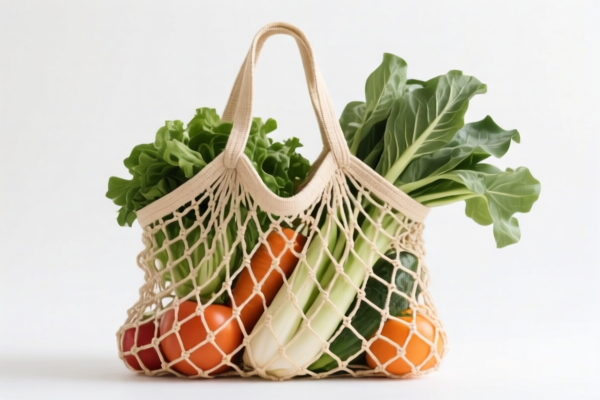
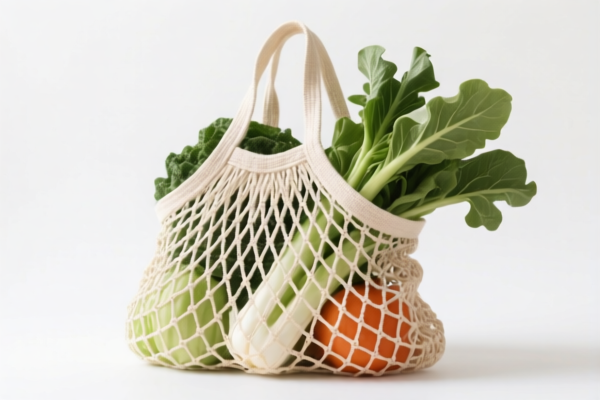
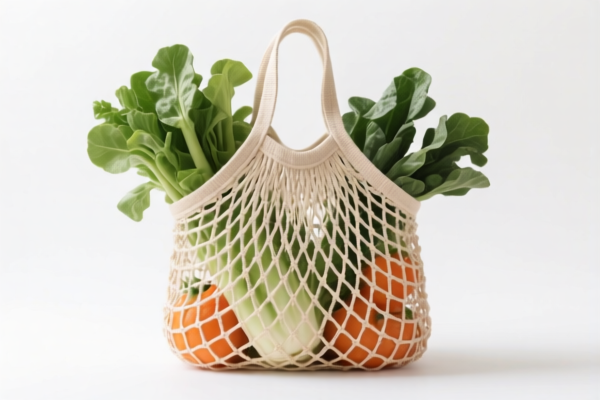
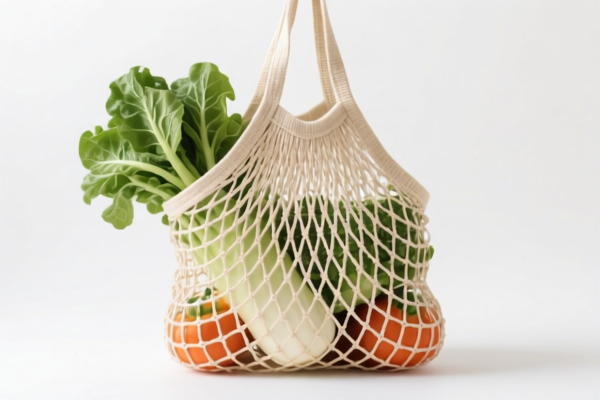
AI分析
🌿 Rural Style Plant Fiber Woven Bag (Eco-Friendly Handcrafted Accessories)
🌐 HS Code Reference & Customs Clearance Guide | 2026 Latest Tariff Analysis | Professional通关 Strategy
📌 I. Product Definition & Classification: What Exactly is a "Rural Style Plant Fiber Woven Bag"?
In the context of international trade, items described as "Rural Style Plant Fiber Woven Bags" are often ambiguous. They sit at the crossroads of paper products, textile/craft containers, and travel accessories. The classification hinges on two critical factors: 1. Material Composition: Is it strictly paper pulp/fibrous material, or does it include other structural elements (like plastic lining, metal hardware, or specific textile blends)? 2. Primary Function: Is it designed for storage (like a document folder) or for carrying personal items (like a cosmetic pouch or handbag)?
⚠️ Key Distinction:
- If the bag is made primarily of paper pulp or cellulose fibers and resembles a notebook cover or file organizer → It falls under Chapter 48 (Paper).
- If the bag has a structure resembling a handbag, pouch, or travel accessory, even if made of plant fibers, it may fall under Chapter 42 (Articles of Leather/Travel Goods) or Chapter 46 (Woven Materials).
📦 II. HS Code Classification Details (2026 Latest Tariff Concordance)
Based on the provided data, here are the four potential HS Codes for this product, along with their specific tax implications for imports into the US from China.
| HS Code | Product Description | Key Characteristics | Total Tax Rate |
|---|---|---|---|
| 4823.90.80.00 | Plant Fiber Woven File Bag (Paper Category) | Made of plant fibers, woven structure, classified as paper pulp/cellulose goods. Typically flat or folder-like. | 35.0% |
| 4823.90.20.00 | Plant Fiber Woven File Bag (Paper Category) | Similar to above, strictly within the paper pulp/fiber product scope. | 35.0% |
| 4202.12.40.00 | Plant Fiber Woven File Bag (Container Category) | Classified as a "container" or "pouch." Material inferred as vegetable fiber. Used for file storage but structured like a bag. | 41.3% |
| 4202.92.15.00 | Plant Fiber Woven Bag (Travel/Accessory Category) | Classified under "Travel, Saddle & Trimming" or similar bags. Used for document storage but shaped as a handbag/pouch. | 41.3% |
🔍 Critical Note:
- The difference between Chapter 48 and Chapter 42 is crucial. Chapter 48 items are generally considered "Paper Articles," while Chapter 42 items are "Articles of Leather/Plastics/Textiles/Other Materials" (including woven plant fibers if structured as bags).
- If your product has a zipper, handle, or rigid structure similar to a handbag, Customs is more likely to classify it under 4202 (higher tax).
- If it is a flat, foldable file cover without handles, it may qualify for 4823 (lower tax).
💰 III. 2026 Latest Tariff Rate Breakdown (Including Surcharges & Policy Add-ons)
✅ Applicable Country: United States (US)
✅ Origin: China (CN)
✅ Effective Date: November 10, 2025 onwards (for subsequent imports)
🎯 1. 4823.90.80.00 & 4823.90.20.00 —— Plant Fiber Woven File Bags (Paper Category)
| Item | Details |
|---|---|
| Base Tariff | 0.0% (Ad Valorem) |
| Section 301 Surcharge | +25.0% (Additional Duty) |
| Section 122 Tariff | +10.0% (Specific US Trade Policy Surcharge) |
| Total Tax Rate | 35.0% |
| Tax Calculation | CIF Value × 35% |
| De Minimis Eligibility | ❌ Not Eligible (Deny De Minimis) |
| Legal Basis Path | Section 301: 9903.88.01 → Section 122: IEEPA → USITC: 4823.90.80.00 / 4823.90.20.00 |
📌 Explanation:
- These codes are treated as paper products. While the base tariff is low (0%), the Section 301 (25%) and Section 122 (10%) surcharges apply heavily due to Chinese origin.
- Total impact: 35%. This is still significant, but lower than the Chapter 42 alternatives.
🎯 2. 4202.12.40.00 —— Plant Fiber Woven File Bag (Container Category)
| Item | Details |
|---|---|
| Base Tariff | 6.3% (Ad Valorem) |
| Section 301 Surcharge | +25.0% (Additional Duty) |
| Section 122 Tariff | +10.0% (Specific US Trade Policy Surcharge) |
| Total Tax Rate | 41.3% |
| Tax Calculation | CIF Value × 41.3% |
| De Minimis Eligibility | ❌ Not Eligible (Deny De Minimis) |
| Legal Basis Path | Section 301: 9903.88.01 → Section 122: IEEPA → USITC: 4202.12.40.00 |
📌 Explanation:
- The base tariff is higher (6.3%) because it is classified as a manufactured container/accessory, not raw paper.
- The surcharges remain the same, pushing the total to 41.3%.
🎯 3. 4202.92.15.00 —— Plant Fiber Woven Bag (Travel/Accessory Category)
| Item | Details |
|---|---|
| Base Tariff | 6.3% (Ad Valorem) |
| Section 301 Surcharge | +25.0% (Additional Duty) |
| Section 122 Tariff | +10.0% (Specific US Trade Policy Surcharge) |
| Total Tax Rate | 41.3% |
| Tax Calculation | CIF Value × 41.3% |
| De Minimis Eligibility | ❌ Not Eligible (Deny De Minimis) |
| Legal Basis Path | Section 301: 9903.88.01 → Section 122: IEEPA → USITC: 4202.92.15.00 |
📌 Explanation:
- Similar to the previous code, this is a bag-type classification.
- If the bag is marketed as a "Cosmetic Pouch" or "Handbag," this code is likely.
- Total impact: 41.3%.
🎯 4. 4602.19.29.20 —— Plant Fiber Woven Cosmetic Bag (Woven Articles)
(Note: This code was mentioned in the source data for a "Cosmetic Bag," which is a specific variant of the general "Woven Bag")
| Item | Details |
|---|---|
| Base Tariff | 5.3% (Ad Valorem) |
| Section 301 Surcharge | +25.0% (Additional Duty) |
| Section 122 Tariff | +10.0% (Specific US Trade Policy Surcharge) |
| Total Tax Rate | 40.3% |
| Tax Calculation | CIF Value × 40.3% |
| De Minimis Eligibility | ❌ Not Eligible (Deny De Minimis) |
| Legal Basis Path | Section 301: 9903.88.01 → Section 122: IEEPA → USITC: 4602.19.29.20 |
📌 Explanation:
- This code falls under Chapter 46 (Articles of Vegetables Materials).
- It is specifically for woven products like baskets, mats, and cosmetic bags made from plant fibers.
- Total impact: 40.3%. This is a middle-ground option if the product is clearly a "woven cosmetic bag" rather than a "file folder" or "handbag."
🛠️ IV. Customs Clearance Practical Advice (Real-World Pitfall Avoidance)
✅ 1. Preparation Checklist (Mandatory)
| Document | Required | Notes |
|---|---|---|
| ✅ Product Specification Sheet | ✔️ | Must detail material (e.g., "100% Bamboo Fiber," "Rattan," "Paper Pulp"). |
| ✅ Product Photos | ✔️ | Show the entire item, including handles, zippers, linings, and any hardware. |
| ✅ Commercial Invoice | ✔️ | Clearly state "Rural Style Plant Fiber Woven Bag" and specify the intended use (e.g., "for file storage" vs. "for personal items"). |
| ✅ Packing List | ✔️ | Ensure dimensions and weight match the declared HS Code. |
| ✅ Origin Certificate | ✔️ | If applicable, to confirm Chinese origin for surcharge calculations. |
✅ 2. Declaration Tips (Key Mnemonics)
🔥 "Shape Determines Chapter! Structure Dictates Tax!"
| Scenario | Correct Declaration | Wrong Declaration | Risk |
|---|---|---|---|
| Flat, foldable file cover | 4823.90.80.00 |
"Woven Handbag" | Higher tax (41.3% vs 35%) |
| Bag with handle & zipper | 4202.92.15.00 or 4602.19.29.20 |
"Paper File" | Misclassification, potential fines |
| Cosmetic pouch (woven) | 4602.19.29.20 |
"Handbag" | Slight tax difference, but accuracy matters |
| Any Plant Fiber Bag | Specify "Plant Fiber" | "Synthetic" or "Textile" | False declaration, severe penalties |
✅ 3. Special Considerations
| Situation | Handling Advice |
|---|---|
| OEM Custom Bags | Provide design blueprints or samples to prove the primary function (storage vs. carrying). |
| Mixed Materials | If the bag has plastic linings or metal zippers, the classification may shift to Chapter 42. Disclose all materials! |
| "De Minimis" Exemption | ❌ Do NOT attempt to use $800 de minimis exemption. These codes are explicitly denied de minimis for Chinese origin. |
| Pre-Ruling Application | Highly Recommended. Apply for a Binding Ruling with US Customs (CBP) to lock in the HS Code before shipment. |
🌍 V. Global Market Comparison (2026 Latest)
| Country/Region | Recommended HS Code | Estimated Tax (China Origin) | Certification Requirements | Notes |
|---|---|---|---|---|
| 🇺🇸 USA | 4823.90.80.00 (File) / 4202.92.15.00 (Bag) |
35% - 41.3% | None specific (General) | Highest tax burden. Surcharges apply. |
| 🇨🇳 China | 4823.90.80.00 |
~6.5% - 13% | None | Low tax, but focus on domestic market. |
| 🇪🇺 EU | 4602.11.00 (Woven) |
0% - 4% (if eco-certified) | CE (if applicable), REACH | Lower tax. Eco-friendly products favored. |
| 🇬🇧 UK | 4602.11.00 |
4% | UKCA | Post-Brexit rules apply. |
| 🇯🇵 Japan | 4602.11.00 |
0% - 3% | None | Minimal barriers. |
📌 Conclusion:
- The US market is the most expensive for Chinese-made plant fiber bags due to Section 301 and Section 122 surcharges.
- European and Asian markets offer significantly lower tariffs.
- If targeting the US, cost optimization or supply chain diversification (e.g., assembly in a third country, though origin rules still apply) is critical.
📌 VI. Common Errors & Pitfall Guide (Lessons Learned)
❌ Error 1: Declaring a "Woven Handbag" as "Paper File" to save tax.
👉 Consequence: Customs inspection reveals handles/zippers → Reclassification to 4202 + Penalties + Delay.
❌ Error 2: Ignoring the "Section 122" 10% surcharge.
👉 Consequence: Underpayment → Seizure or Audit upon entry.
❌ Error 3: Using "De Minimis" for shipments under $800.
👉 Consequence: Denial of entry for Chinese-origin goods under these codes. All duties must be paid.
❌ Error 4: Vague description: "Woven Bag."
👉 Consequence: Customs ambiguity → Manual inspection → Storage fees + Delays.
✅ Correct Approach:
"Rural Style Bamboo Fiber Woven Cosmetic Pouch, No Hardware, 100% Natural Material, For Personal Storage, Model XYZ, Origin: China"
🎯 VII. Conclusion: Precise Classification, Efficient Clearance, Cost Control!
🎯 Remember the Key Points:
🔹 "Paper vs. Bag: The Shape Defines the Code."
🔹 "US Tariffs: 35% to 41.3% – Plan Your Margin!"
🔹 "No De Minimis for China: Prepare for Full Duty Payment."
🔹 "Be Specific: 'Plant Fiber' Not Just 'Woven.'"
📌 Pro Tip:
If you are importing into the US, apply for a Pre-Ruling (CBP Ruling Letter) with detailed photos and specs. This gives you legal certainty and avoids surprise costs.
📣 Immediate Action:
📞 Contact a licensed US Customs Broker.
📸 Provide high-res photos of your product.
📝 Apply for an Advance Ruling to lock in the most favorable HS Code.
✨ Professional Clearance Starts with Accurate Classification!
💼 Every Percentage Point of Tax Saves You Profit!
用户评价
关于 HS 编码归类
协调制度(HS)是由世界海关组织(WCO)制定的国际贸易商品分类标准。全球 200 多个国家采用 HS 系统作为海关关税、贸易统计和进出口监管的基础。
每个 HS 编码遵循以下层级结构:
- 章(2 位)——商品大类(例如:第 84 章:机器和机械设备)
- 品目(4 位)——章内的更具体分类
- 子目(6 位)——国际通用细分,所有 WCO 成员国统一使用
- 本国细分(8-10 位)——各国自行扩展的细分编码,如美国 HTSUS 10 位编码
正确的 HS 编码归类对于顺利通关、准确缴纳关税和遵守贸易法规至关重要。错误归类可能导致海关延误、多缴关税或罚款。
从CN进口到US时,适用的关税税率可能包括:
- 最惠国(MFN)税率——适用于 WTO 成员国的标准关税税率
- 普通税率——适用于无贸易协定国家
- 贸易救济关税——附加关税,如 301 条款(反倾销)、232 条款(国家安全)或反补贴税
本页内容仅供参考。如需正式归类,请咨询当地海关或持牌报关代理。