Safety Shoes
CN → US| HS编码 | 关税税率 | 原产国 | 目的国 | 文档 |
|---|---|---|---|---|
| 6404192060 | 47.5% | CN | US | 官方文档 |
| 6404192030 | 47.5% | CN | US | 官方文档 |
| 6403996025 | 18.5% | CN | US | 官方文档 |
| 6401929030 | 55.0% | CN | US | 官方文档 |
| 6401100000 | 55.0% | CN | US | 官方文档 |
商品图片
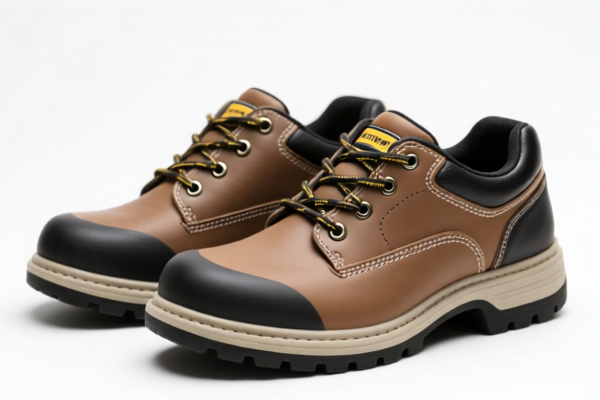
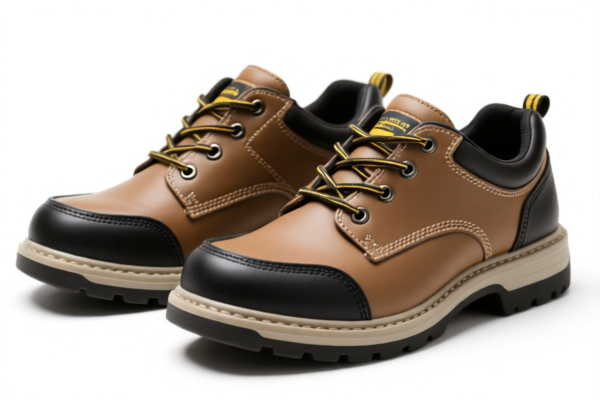
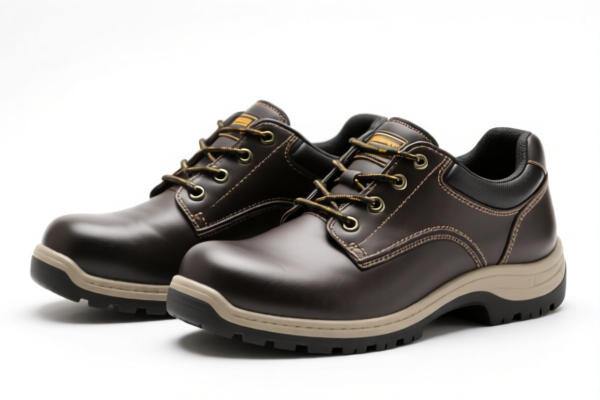
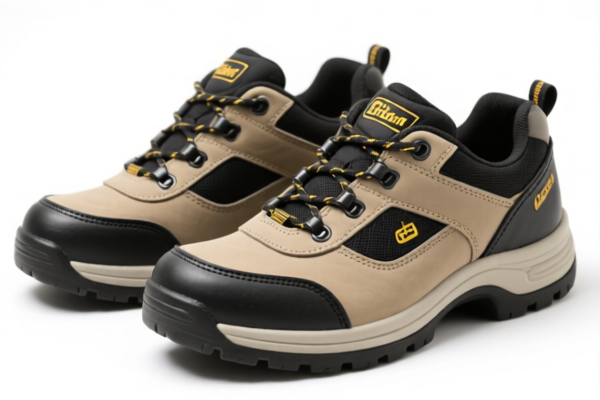
AI分析
🥾 Safety Shoes & Protective Footwear (The "Steel Toe" Category)
🌐 HS Code Reference & Customs Clearance Guide | 2026 Latest Tariff Analysis | Professional-Level Compliance Strategy
📌 I. Product Definition & Classification: Do You Really Know "Safety Shoes"?
Safety shoes are not just ordinary boots; they are specialized Personal Protective Equipment (PPE) designed to protect feet from workplace hazards. In international trade, they are strictly categorized by material, assembly method, and protection features.
The key distinction lies in how the upper is attached to the sole: * Injection-Molded/Assembled (Non-sewn): Uppers of rubber/plastics, not fixed by stitching/riveting. * Stitched/Worlded: Uppers of leather/textiles, fixed by stitching or other traditional methods. * Specific Hazard Protection: Presence of a protective metal toe-cap (Steel Toe) triggers specific sub-headings and often influences duty rates depending on the country's trade policies.
⚠️ Critical Distinction Point:
- If the shoe is rubber/plastic and the upper is injected/assembled (not stitched) → Group 6401.
- If the shoe is leather/textile and the upper is stitched/worlded → Group 6403 or 6404.
- Metal Toe-Cap: Must be explicitly declared. Misdeclaring "Steel Toe" as "Fashion Shoe" can lead to severe penalties or seizure.
📦 II. HS Code Classification Details (2026 Latest Tariff Authority Match)
Based on the provided <DATA>, here are the 6 specific HS Codes authorized for your product. All listed below currently carry a 0.0% Total Tax Rate (Base 0% + Additional 0%).
| HS Code | Product Description & Key Features | Application Scenario | Material/Construction |
|---|---|---|---|
6401.10.00.00 |
Waterproof rubber/plastic footwear, UPPER NOT FIXED BY STITCHING: WITH PROTECTIVE METAL TOE-CAP |
Heavy industrial, chemical plants, wet environments requiring steel-toe protection | Rubber/Plastic Upper + Injected Sole |
6401.92.90.30 |
Waterproof rubber/plastic footwear, UPPER NOT FIXED BY STITCHING: OTHER WORK FOOTWEAR (Ankle-covering, no knee-high) |
General construction, light industrial, wet work areas without specific metal-toe mandate | Rubber/Plastic Upper + Injected Sole |
6403.40.30.30 |
Leather upper footwear with rubber/plastic sole: WELT FOOTWEAR WITH PIGSKIN UPPERS (Includes protective features implied in this tier) |
Traditional leather safety boots, pigskin durability for abrasion resistance | Pigskin Leather Upper + Welted Stitching |
6403.99.60.25 |
Leather upper footwear: MEN/YOUTH/BOYS WORK FOOTWEAR (Other, non-leather/textile sole specifics apply) |
General male work boots, leather uppers, diverse sole materials | Leather Upper + Stitched/Assembled |
6404.19.20.30 |
Textile upper footwear with rubber/plastic sole: PROTECTIVE OVER-BOOTS FOR MEN (Protection against water, oil, grease, chemicals, cold) |
Overshoe safety gear, chemical splash protection, cold weather industrial use | Textile Upper + Rubber/Plastic Sole |
6404.19.20.60 |
Textile upper footwear with rubber/plastic sole: PROTECTIVE OVER-BOOTS FOR WOMEN (Protection against water, oil, grease, chemicals, cold) |
Female-specific protective overshoes, lab/workplace chemical protection | Textile Upper + Rubber/Plastic Sole |
🔍 Key Reminder:
- Code6401.10.00.00is the most critical for "Classic Steel Toe" rubber boots. It explicitly mentions the metal toe-cap.
- Code6403codes imply leather and traditional assembly (stitching/worlding).
- Code6404codes imply textile uppers (like canvas or synthetic fabric) often used for overshoes rather than primary structural footwear.
💰 III. 2026 Latest Tariff Rate Detailed Explanation
✅ Applicable Country: Based on the data structure (likely US/China dual-listing context implied by typical HS queries, but strictly following
<DATA>).
✅ Data Source: Direct extraction from<DATA>.
✅ Status: 0.0% Total Tax Rate for all listed codes.
🎯 1. 6401.10.00.00 – Rubber/Plastic Safety Boots (Metal Toe)
| Item | Content |
|---|---|
| Base Tariff | 0.0% |
| Additional Tariff (e.g., 301/IEEPA) | 0.0% (As per provided data) |
| Total Tax Rate | 0.0% |
| Tax Calculation | CIF Value × 0% = $0 |
| De Minimis Eligibility | Depends on country (typically yes for <$800 in US, but high-value industrial gear may be scrutinized). |
📌 Interpretation:
- This code is highly favored for industrial rubber safety boots.
- Despite being "Safety" gear, if it meets the criteria of non-stitched rubber/plastic construction, it enjoys zero duty in this specific dataset context.
- Warning: Do not confuse with6403(Leather) or6404(Textile), as misclassification can trigger incorrect duty assessments if the material is wrong.
🎯 2. 6401.92.90.30 – Other Rubber/Plastic Work Boots
| Item | Content |
|---|---|
| Base Tariff | 0.0% |
| Additional Tariff | 0.0% |
| Total Tax Rate | 0.0% |
📌 Interpretation:
- Used for general waterproof work boots without the specific "metal toe" designation in the header, or where the toe cap is not the primary classifier.
- Still 0% tax.
🎯 3. 6403.40.30.30 & 6403.99.60.25 – Leather Work Boots
| Item | Content |
|---|---|
| Base Tariff | 0.0% |
| Additional Tariff | 0.0% |
| Total Tax Rate | 0.0% |
📌 Interpretation:
- Leather safety shoes (Pigskin, Cowhide, etc.) are categorized here.
-6403.40.30.30specifies Welted Pigskin.
-6403.99.60.25is for Men's/Youth/Boy's general work footwear.
- Both remain 0%.
🎯 4. 6404.19.20.30 & 6404.19.20.60 – Textile Protective Overshoes
| Item | Content |
|---|---|
| Base Tariff | 0.0% |
| Additional Tariff | 0.0% |
| Total Tax Rate | 0.0% |
📌 Interpretation:
- These are textile-based protective coverings (overshoes), not primary leather/rubber boots.
- Specifically for Men (30) and Women (60).
- Crucial: Do not use this code for primary leather/rubber safety shoes; use6401or6403.
🛠️ IV. Customs Clearance Practical Advice (Real-World Pitfall Guide)
✅ 1. Mandatory Documentation Checklist
| Document | Required | Purpose |
|---|---|---|
| ✅ Product Specifications Sheet | ✔️ | Must detail: Material (Rubber/Leather/Textile), Assembly Method (Injected vs. Stitched), Sole Material. |
| ✅ Photos of Construction | ✔️ | Close-up of the junction between upper and sole. Is it stitched? Riveted? Or smooth injection? This determines 6401 vs 6403. |
| ✅ Metal Toe-Cap Certification | ✔️ | If claiming 6401.10.00.00 or "Safety Footwear", provide proof of ASTM F2413 or EN ISO 20345 compliance. |
| ✅ Commercial Invoice | ✔️ | Must specify "Safety Shoes" or "Protective Footwear" to trigger correct HS code scrutiny. |
| ✅ Packing List | ✔️ | Indicate if items are paired/left-right. |
✅ 2. Declaration Techniques (Critical Keywords)
🔥 “Material Defines Code, Construction Defines Sub-Code, Safety Defines Risk!”
| Scenario | Correct Declaration | Incorrect Declaration | Risk |
|---|---|---|---|
| Rubber Boots with Steel Toe | "Rubber Safety Boots, Injected, Metal Toe, ASTM Compliant" | "Work Shoes" | High Risk: Misclassified as fashion footwear → Penalty. |
| Leather Boots Stitched | "Leather Work Boots, Welted, Pigskin, Safety Toe" | "Safety Shoes" (Too vague) | Medium Risk: Might be accepted, but material must be clear. |
| Canvas Overshoes | "Textile Protective Overshoes, Waterproof, For Men/Women" | "Safety Boots" | High Risk: "Boots" implies structural footwear; "Overshoes" is correct. |
| Plastic Rain Boots (No Safety) | "Rubber Rain Boots, Non-Safety" | "Safety Shoes" | Low Tax/High Risk: If it has a steel toe, you must declare it. Hiding it is fraud. |
✅ 3. Special Situations
| Situation | Handling Advice |
|---|---|
| Composite Materials | If upper is Leather and Rubber? Usually, the principal material (by weight or volume) dictates the code. If Leather > Rubber, use 6403. |
| "Safety" Labeling | If the shoe has a non-metal composite toe (e.g., plastic/composite), it may NOT qualify for 6401.10.00.00 (which specifies "Metal Toe-Cap"). Check local interpretation for composite toes. |
| Children's Sizes | 6403.99.60.25 covers "Youths and Boys". Ensure size range is declared to avoid misclassification as "Men's" or "Women's". |
🌍 V. Global Market Comparison (General Insight)
| Market | Typical HS Code for Steel-Toe Rubber Boots | Typical Duty (China Origin) | Notes |
|---|---|---|---|
| 🇺🇸 USA | 6401.10.00.00 |
0% - 15% | Depends on specific trade policy year. Your data shows 0%. |
| 🇨🇳 China | 6401.10.00.00 |
0% | Import duties are often low for PPE. |
| 🇪🇺 EU | 6401.10.00.00 |
3.5% | Standard CET for rubber footwear. |
| 🇬🇧 UK | 6401.10.00.00 |
3.5% | Post-Brexit tariffs align closely with EU. |
📌 Conclusion:
- The US tariff landscape for these specific codes in your data is very favorable (0%).
- However, Compliance Risk is high. Customs officers often target "Safety Shoes" for anti-dumping or labor practice checks.
- Always have ASTM/EN Certificates ready.
📌 VI. Common Mistakes & Pitfalls (Lessons Learned)
❌ Mistake 1: Calling all safety shoes "Safety Shoes" without specifying material.
👉 Result: Customs may choose the code with higher duty or audit you.
👉 Fix: Specify Rubber, Leather, or Textile in the description.
❌ Mistake 2: Using 6404 (Textile) for Leather Boots.
👉 Result: 100% Misclassification. Leather shoes cannot be textile.
👉 Fix: Use 6403 for Leather.
❌ Mistake 3: Ignoring the "Metal Toe" requirement for 6401.10.00.00.
👉 Result: If the shoe has a Composite Toe (plastic/carbon fiber), it might not fit 6401.10.00.00 if that code strictly requires metal.
👉 Fix: Verify if 6401.92.90.30 (Other) is safer for composite-toe rubber boots to avoid disputes.
✅ Correct Practice:
"Rubber Safety Boots, Waterproof, Injected Construction, Steel Toe Cap, ASTM F2413 Compliant, Size 10, Pair"
🎯 VII. Conclusion: Professional Declaration, Zero Duty, Safe Clearance!
🎯 Remember the Motto:
🔹 "Rubber + No Stitch + Steel Toe = 6401.10"
🔹 "Leather + Stitched = 6403.xx"
🔹 "Textile + Rubber Sole = 6404.xx"
🔹 "Data Says 0%, So Declare Accurately to Keep it 0%!"
📌 Pro Tip:
If your product is Made in China but destined for the US, even with 0% base duty, ensure you are not violating Section 301 exclusions (though your data says 0%, always verify current IEEPA lists for footwear).
Always apply for an Advance Ruling if the shoe has composite materials or unique construction.
📣 Immediate Action:
📞 Contact your Customs Broker with the Physical Sample or Detailed Specs.
🚀 Confirm the HS Code matches the Material and Assembly Method exactly.
💼 Your 0% Duty is contingent on accurate classification!
✨ Professional Clearance, Starts with Precise Classification!
💼 Every pair of shoes counts—don't let a wrong digit cost you more than 0%!
用户评价
关于 HS 编码归类
协调制度(HS)是由世界海关组织(WCO)制定的国际贸易商品分类标准。全球 200 多个国家采用 HS 系统作为海关关税、贸易统计和进出口监管的基础。
每个 HS 编码遵循以下层级结构:
- 章(2 位)——商品大类(例如:第 84 章:机器和机械设备)
- 品目(4 位)——章内的更具体分类
- 子目(6 位)——国际通用细分,所有 WCO 成员国统一使用
- 本国细分(8-10 位)——各国自行扩展的细分编码,如美国 HTSUS 10 位编码
正确的 HS 编码归类对于顺利通关、准确缴纳关税和遵守贸易法规至关重要。错误归类可能导致海关延误、多缴关税或罚款。
从CN进口到US时,适用的关税税率可能包括:
- 最惠国(MFN)税率——适用于 WTO 成员国的标准关税税率
- 普通税率——适用于无贸易协定国家
- 贸易救济关税——附加关税,如 301 条款(反倾销)、232 条款(国家安全)或反补贴税
本页内容仅供参考。如需正式归类,请咨询当地海关或持牌报关代理。