Sample Box
CN → US| HS编码 | 关税税率 | 原产国 | 目的国 | 文档 |
|---|---|---|---|---|
| 3923300010 | 38.0% | CN | US | 官方文档 |
| 3923300090 | 38.0% | CN | US | 官方文档 |
| 7017905000 | 41.7% | CN | US | 官方文档 |
| 7017106000 | 39.6% | CN | US | 官方文档 |
| 3926908700 | 40.3% | CN | US | 官方文档 |
商品图片
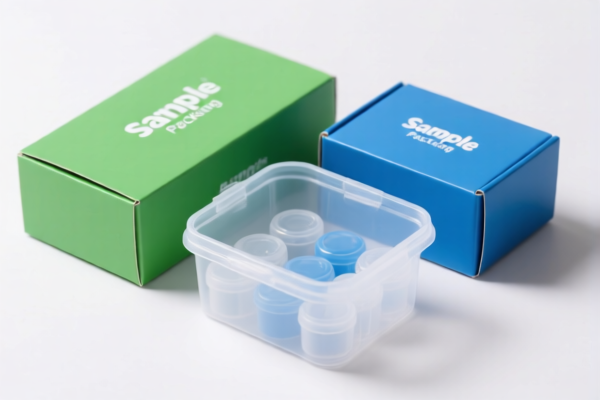
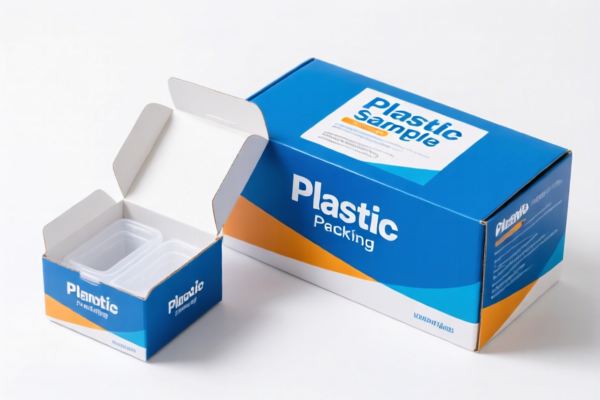
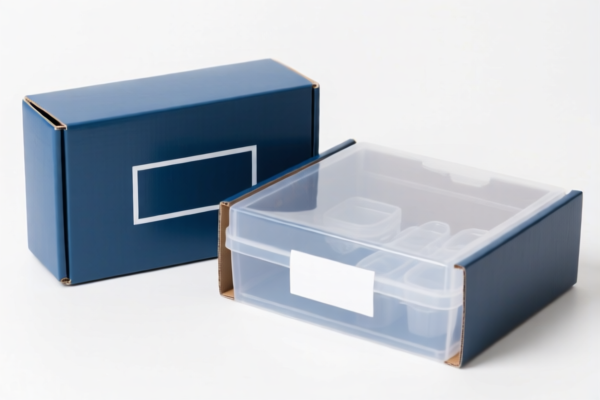
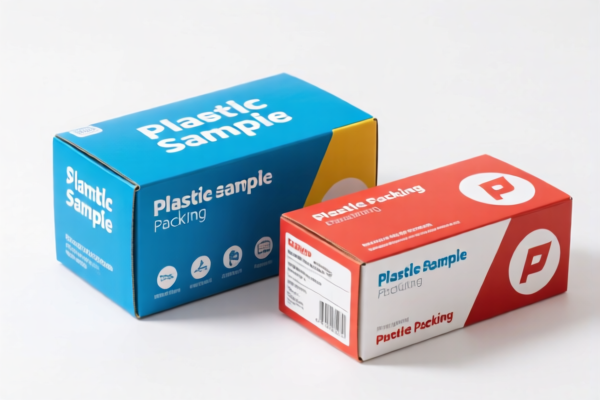
AI分析
📦 Sample Box (Packaging / Containers)
🌐 HS Code Reference & Customs Clearance Guide | 2026 Latest Tariff Analysis | Professional Clearance Strategy
📌 Part 1: Product Definition & Classification: Do You Really Understand "Sample Boxes"?
A "Sample Box" is a generic term often used in international trade to describe packaging intended for displaying, storing, or transporting samples. However, in customs classification, the term itself is not sufficient. The classification depends entirely on two critical factors:
1. Material Composition: Is it plastic, glass, paper, or flexible material?
2. Form/Function: Is it a rigid container (like a bottle/jar) or a flexible packaging (like a pouch/binder)?
⚠️ Key Classification Logic:
- If it is a rigid container (bottle, jar, vial) made of plastic → Look at Chapter 39 (Plastics).
- If it is a rigid container made of glass for laboratory/medical use → Look at Chapter 70 (Glass).
- If it is a flexible packaging or file holder → Look at Chapter 39 or Chapter 48/49.
📦 Part 2: HS Code Classification Details (Based on Provided Data)
The following table maps the generic term "Sample Box" to specific HS Codes based on material and form, derived from the provided dataset.
| HS Code | Product Description & Summary | Inferred Material | Form/Use Case |
|---|---|---|---|
3923.30.00.10 |
Plastic Bottles & Similar Containers: Matched by form (bottle/container) and use. | Plastic ✅ | Rigid bottle/jar |
3923.30.00.90 |
Plastic Bottles & Similar Containers: Matched by use as a container/holder. | Plastic ✅ | General plastic container |
7017.90.50.00 |
Laboratory/Glassware: Matched by lab/medical use and glass form. | Glass ✅ | Lab vial/bottle |
7017.10.60.00 |
Laboratory/Glassware: Matched by lab/pharma use and bottle form. | Glass ✅ | Lab/Pharma bottle |
3926.90.87.00 |
Plastics & Articles Thereof: Matched by binding/file format form. | Flexible Plastic/Paper ✅ | Pouch/Binder/Flat pack |
🔍 Critical Note:
- "Sample Box" is not a valid HS Code. You must declare the specific material and form.
- If your "sample box" is actually a plastic bottle, use 3923.30.
- If it is a glass vial, use 7017.90 or 7017.10.
- If it is a plastic pouch or file, use 3926.90.
💰 Part 3: 2026 Latest Tariff Rate Breakdown (Including Surcharges)
✅ Applicable Country: United States (US)
✅ Origin: China (CN)
✅ Effective Time: Current rates as per provided data
🎯 1. 3923.30.00.10 & 3923.30.00.90 (Plastic Containers)
| Item | Detail |
|---|---|
| Base Tariff | 3.0% (Ad Valorem) |
| Section 301 Tariff (Additional) | 25.0% |
| Section 122 Tariff | 10.0% |
| Total Tax Rate | 38.0% |
| Tax Calculation | CIF Value × 38% |
| De Minimis Exemption | ❌ Not Applicable (High tax rate excludes it from typical de minimis benefits for commercial shipments) |
| Legal Basis Path | Base Tariff 3.0% → Section 301 25.0% → Section 122 10.0% |
📌 Explanation:
- 3.0% is the standard Most Favored Nation (MFN) rate for plastic containers.
- 25.0% is the Section 301 tariff on Chinese goods.
- 10.0% is the Section 122 tariff (often related to national security/import surcharges).
- Total: 38.0%. This is a significant cost for plastic packaging imports.
🎯 2. 7017.90.50.00 (Glass Laboratory Articles)
| Item | Detail |
|---|---|
| Base Tariff | 6.7% |
| Section 301 Tariff (Additional) | 25.0% |
| Section 122 Tariff | 10.0% |
| Total Tax Rate | 41.7% |
| Tax Calculation | CIF Value × 41.7% |
| De Minimis Exemption | ❌ Not Applicable |
| Legal Basis Path | Base Tariff 6.7% → Section 301 25.0% → Section 122 10.0% |
📌 Explanation:
- Glass laboratory articles carry a higher base rate (6.7%) than plastic.
- Total: 41.7%. This is the highest tax rate among the options.
- Suitable only if the item is strictly for laboratory or medical use.
🎯 3. 7017.10.60.00 (Glass Laboratory/Pharma Articles)
| Item | Detail |
|---|---|
| Base Tariff | 4.6% |
| Section 301 Tariff (Additional) | 25.0% |
| Section 122 Tariff | 10.0% |
| Total Tax Rate | 39.6% |
| Tax Calculation | CIF Value × 39.6% |
| De Minimis Exemption | ❌ Not Applicable |
| Legal Basis Path | Base Tariff 4.6% → Section 301 25.0% → Section 122 10.0% |
📌 Explanation:
- Base rate is slightly lower (4.6%) than 7017.90.
- Total: 39.6%.
- Also for lab/medical use, but may have specific sub-category distinctions.
🎯 4. 3926.90.87.00 (Other Plastic Articles / Flexible Packaging)
| Item | Detail |
|---|---|
| Base Tariff | 5.3% |
| Section 301 Tariff (Additional) | 25.0% |
| Section 122 Tariff | 10.0% |
| Total Tax Rate | 40.3% |
| Tax Calculation | CIF Value × 40.3% |
| De Minimis Exemption | ❌ Not Applicable |
| Legal Basis Path | Base Tariff 5.3% → Section 301 25.0% → Section 122 10.0% |
📌 Explanation:
- This code is for "other articles of plastics" or flexible materials.
- Total: 40.3%.
- Use this if the "sample box" is a plastic pouch, bag, or binder, not a rigid bottle.
🛠️ Part 4: Customs Clearance Practical Advice (Actionable Tips)
✅ 1. Preparation Checklist (Mandatory)
| Document | Required | Explanation |
|---|---|---|
| ✅ Product Description | ✔️ | Must specify Material (Plastic/Glass) and Form (Bottle/Pouch/Lab Vial). Do NOT just write "Sample Box". |
| ✅ Material Specification Sheet | ✔️ | Proof of composition (e.g., "HDPE Plastic", "Borosilicate Glass"). |
| ✅ Product Images | ✔️ | Clear photos showing the item's shape (rigid vs. flexible) and any lab/medical markings. |
| ✅ Commercial Invoice | ✔️ | Must accurately reflect the declared HS Code and value. |
| ✅ Packing List | ✔️ | Detailing quantity and unit type (e.g., "100 Plastic Bottles"). |
✅ 2. Declaration Strategy (Key Rules)
🔥 Golden Rule: "Material Dictates Code, Form Dictates Subcategory!"
| Scenario | Correct HS Code | Wrong Code | Consequence |
|---|---|---|---|
| Plastic Bottle/Jar | 3923.30.00.10 or .90 |
3926.90.87.00 |
Misclassification risk, potential audit. |
| Glass Lab Vial | 7017.90.50.00 |
3923.30 |
41.7% vs 38.0% difference + legal risk. |
| Plastic Pouch/Binder | 3926.90.87.00 |
3923.30 |
"Pouch" is not a "Bottle". |
| Mixed Material Box | Consult Expert | Guess | High risk of penalty. |
✅ 3. Special Considerations
| Situation | Advice |
|---|---|
| Cost Optimization | Compare 38.0% (Plastic Bottle) vs 41.7% (Glass Lab). If function allows, plastic may be cheaper. |
| Lab Use Claim | To use 7017 codes, the item must be demonstrably for laboratory or medical use. If it's just a generic glass jar, customs may reclassify to general glass containers. |
| Section 122 & 301 | These are mandatory surcharges for Chinese-origin goods. Plan for ~40% total landed duty cost. |
| No De Minimis | These high tax rates mean that even small shipments may not benefit from de minimis thresholds if duties exceed limits. Verify with your freight forwarder. |
📌 Part 5: Common Mistakes & Pitfalls (Learn from Others' Errors)
❌ Mistake 1: Declaring as "Packaging Material" generically.
👉 Result: Customs will request clarification, causing delays. You must specify Plastic or Glass.
❌ Mistake 2: Using 3923.30 for a Glass bottle.
👉 Result: 38.0% vs 41.7%. While close, misdeclaration is fraudulent. If caught, penalties apply.
❌ Mistake 3: Ignoring the Form (Rigid vs. Flexible).
👉 Result: A plastic pouch (3926.90) declared as a plastic bottle (3923.30) is a clear error in form.
✅ Correct Declaration Example:
"Plastic Sample Container, Rigid, HDPE Material, for Pharmaceutical Use, Model XYZ"
HS Code:3923.30.00.10
Value: $1,000
Duty: $380 (38%)
🎯 Part 6: Conclusion & Action Plan
🎯 Summary:
- Plastic Rigid Containers: 38.0% Total Tax (3923.30)
- Glass Lab Containers: 39.6% - 41.7% Total Tax (7017.10/90)
- Plastic Flexible/Pouch: 40.3% Total Tax (3926.90)
📌 Recommendation:
1. Identify Material: Is it Plastic or Glass?
2. Identify Form: Is it a Bottle (Rigid) or Pouch (Flexible)?
3. Check Use: Is it for Lab/Medical? (If Glass, use 7017).
4. Calculate Landed Cost: Include ~40% duty in your pricing.
5. Pre-clearance: If unsure, file an Advance Ruling with CBP to lock in the HS Code and avoid post-import audits.
📣 Immediate Action:
📞 Contact Your Freight Forwarder: Provide specific product photos and material specs.
📝 Update Invoice: Ensure description matches the HS Code (e.g., "Plastic Bottle" not "Sample Box").
🚀 Plan Budget: Allocate ~40% of product value for duties/taxes for US imports from China.
✨ Professional Clearance Starts with Precise Classification!
💼 Your Cost Efficiency Depends on Accurate HS Codes!
用户评价
关于 HS 编码归类
协调制度(HS)是由世界海关组织(WCO)制定的国际贸易商品分类标准。全球 200 多个国家采用 HS 系统作为海关关税、贸易统计和进出口监管的基础。
每个 HS 编码遵循以下层级结构:
- 章(2 位)——商品大类(例如:第 84 章:机器和机械设备)
- 品目(4 位)——章内的更具体分类
- 子目(6 位)——国际通用细分,所有 WCO 成员国统一使用
- 本国细分(8-10 位)——各国自行扩展的细分编码,如美国 HTSUS 10 位编码
正确的 HS 编码归类对于顺利通关、准确缴纳关税和遵守贸易法规至关重要。错误归类可能导致海关延误、多缴关税或罚款。
从CN进口到US时,适用的关税税率可能包括:
- 最惠国(MFN)税率——适用于 WTO 成员国的标准关税税率
- 普通税率——适用于无贸易协定国家
- 贸易救济关税——附加关税,如 301 条款(反倾销)、232 条款(国家安全)或反补贴税
本页内容仅供参考。如需正式归类,请咨询当地海关或持牌报关代理。