Sanding Sheet
CN → US| HS编码 | 关税税率 | 原产国 | 目的国 | 文档 |
|---|---|---|---|---|
| 6805200000 | 35.0% | CN | US | 官方文档 |
| 6805301000 | 35.0% | CN | US | 官方文档 |
| 6805100000 | 35.0% | CN | US | 官方文档 |
| 4016996050 | 37.5% | CN | US | 官方文档 |
| 4016993550 | 35.0% | CN | US | 官方文档 |
商品图片
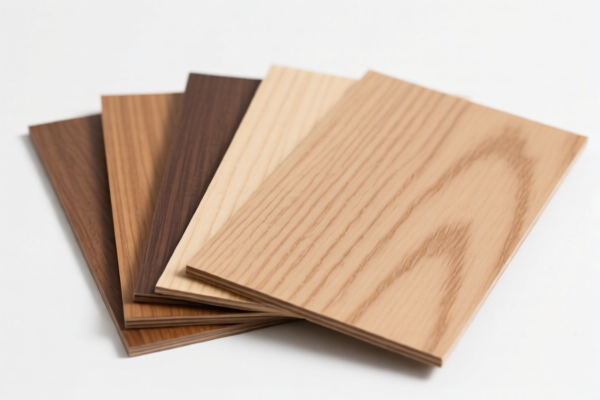
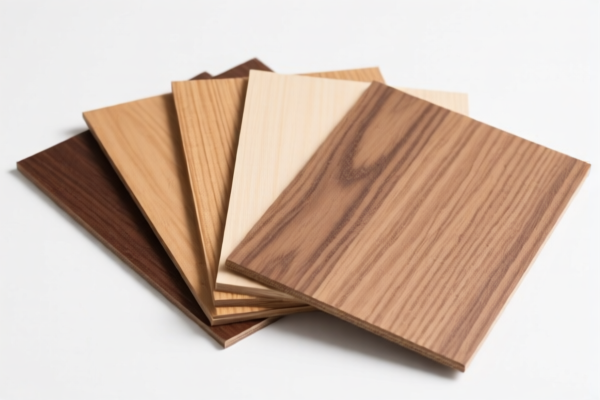
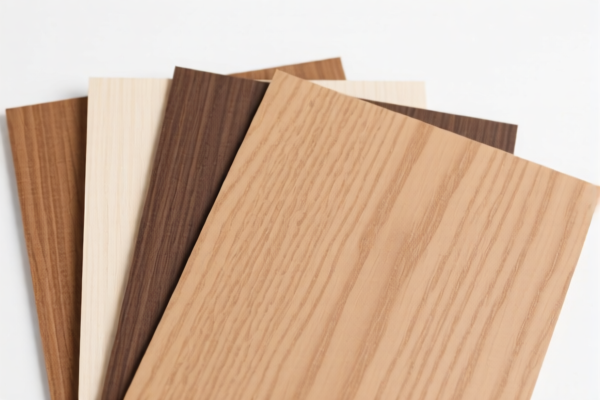
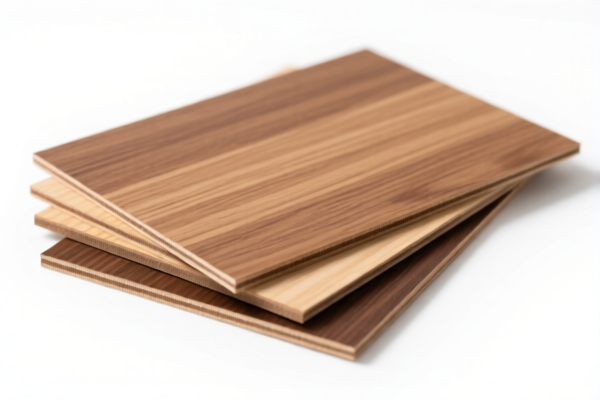
AI分析
🧱 Sanding Sheet (Abrasive Paper/Backed Abrasives)
🌐 HS Code Reference & Customs Clearance Guide | 2026 Latest Tariff Analysis | Professional Clearance Strategy
📌 I. Product Definition & Classification: Do You Really Understand "Sanding Sheets"?
Sanding sheets, commonly known as sandpaper or abrasive sheets, are essential consumables in woodworking, metalworking, and construction. In international trade, they are classified as "abrasives on a base of paper or paperboard."
The core characteristic is the combination of a substrate (paper/cardboard) and an abrasive layer (powder or granules). The classification depends heavily on the specific type of abrasive material used (e.g., natural grit, artificial grit, metal oxide) and the state of the product (sheet vs. roll).
⚠️ Key Distinction:
- If the backing is paper/cardboard with abrasive particles → Classified under Chapter 68 (Articles of Stone, Plaster, Cement...); - If the product is misidentified as a general rubber/plastic tool or misclassified by function → It might incorrectly fall into Chapter 40 (Rubber) or other miscellaneous categories, leading to severe penalties.
📦 II. HS Code Classification Details (2026 Latest Tariff Authority Comparison)
| HS Code | Product Description | Applicable Scenario | Tax Detail Breakdown | Total Tax Rate |
|---|---|---|---|---|
6805.20.00.00 |
Abrasives on base of paper, consisting of artificial graphite or fused alumina | Most common industrial sandpaper (emery paper, alumina sheets) | Base: 0%, Section 301: 25%, Section 122: 10% | 35.0% |
6805.30.10.00 |
Abrasives on base of paper, consisting of other abrasives (e.g., silicon carbide, diamond) | High-grade or specialized abrasive sheets | Base: 0%, Section 301: 25%, Section 122: 10% | 35.0% |
6805.10.00.00 |
Abrasives on base of paper, consisting of natural stone (e.g., emery, garnet) | Traditional or natural grit sandpaper | Base: 0%, Section 301: 25%, Section 122: 10% | 35.0% |
4016.99.60.50 |
Other molded or manufactured rubber articles | Incorrect/Edge Case: If rubber content is dominant or misclassified as a "rubber tool" | Base: 2.5%, Section 301: 25%, Section 122: 10% | 37.5% |
4016.99.35.50 |
Other rubber articles (not vulcanized fiber or hard rubber) | Incorrect/Edge Case: If adhesive/backing is heavily rubber-based and misidentified | Base: 0%, Section 301: 25%, Section 122: 10% | 35.0% |
🔍 Focus Reminder:
- The correct and most standard classification for sanding sheets is under Chapter 68 (6805.xx) because the primary function is abrasion, and the base is paper. - Classification under Chapter 40 (Rubber) (4016.99.60.50or4016.99.35.50) is generally incorrect for standard sandpaper unless the product is a specialized rubber-backed abrasive tool that loses its primary identity as "sanding sheet" and becomes a "rubber article." This often leads to disputes. - Avoid Misclassification: Do not classify standard sandpaper as Chapter 40 to save on the 2.5% base duty if it triggers a higher total burden or violates the "essential character" rule.
💰 III. 2026 Latest Tariff Rate Details (Including Surcharges & Policy Add-ons)
✅ Applicable Country: United States (US)
✅ Origin: China (CN)
✅ Effective Time: From November 10, 2025 (including subsequent imports)
🎯 1. 6805.10.00.00 / 6805.20.00.00 / 6805.30.10.00 —— Abrasives on Paper (Standard Sandpaper)
| Item | Content |
|---|---|
| Base Rate | 0% (ad valorem) |
| USITC Surcharge | +25% (Under USITC Footnote 9903.88.01, Section 301 Tariffs) |
| IEEPA Surcharge | +10% (Targeting China/Hong Kong products, effective from Nov 10, 2025, Section 122/IEEPA) |
| Total Tax Rate | 35.0% |
| Tax Calculation | CIF Value × 35% |
| De Minimis Exemption | ❌ Not Eligible (deny_de_minimis) |
| Legal Basis Path | IEEPA:9903.01.25 → IEEPA:9903.01.24 → USITC:6805.xx → FOOTNOTE:9903.88.01 |
📌 Explanation:
- The 25% surcharge is the standard Section 301 tariff for Chinese goods; - The 10% IEEPA surcharge is an additional layer for specific Chinese-origin goods; - Total 35% is the standard burden for correctly classified sandpaper.
🎯 2. 4016.99.60.50 —— Other Rubber Articles (Misclassification/Edge Case)
| Item | Content |
|---|---|
| Base Rate | 2.5% |
| USITC Surcharge | +25% |
| IEEPA Surcharge | +10% |
| Total Tax Rate | 37.5% |
| Tax Calculation | CIF Value × 37.5% |
| De Minimis Exemption | ❌ Not Eligible |
| Legal Basis Path | IEEPA:9903.01.25 → IEEPA:9903.01.24 → USITC:4016.99.60.50 → FOOTNOTE:9903.88.01 |
📌 Warning:
- Although the base rate is 2.5%, the total rate (37.5%) is higher than the standard 35% for Chapter 68. - This classification is risky because it misrepresents the product’s essential character. Customs may audit and demand back taxes + penalties.
🎯 3. 4016.99.35.50 —— Other Rubber Articles (Another Edge Case)
| Item | Content |
|---|---|
| Base Rate | 0% |
| USITC Surcharge | +25% |
| IEEPA Surcharge | +10% |
| Total Tax Rate | 35.0% |
| Tax Calculation | CIF Value × 35% |
| De Minimis Exemption | ❌ Not Eligible |
| Legal Basis Path | IEEPA:9901.25 → IEEPA:9903.01.24 → USITC:4016.99.35.50 → FOOTNOTE:9903.88.01 |
📌 Note:
- While the total rate matches the standard 35%, the classification under Chapter 40 is technically incorrect for standard sandpaper. - Using this code may trigger customs inquiries regarding the "essential character" of the product (paper vs. rubber).
🛠️ IV. Customs Clearance Practical Advice (Battle-Tested Pitfall Avoidance)
✅ 1. Required Documentation Checklist (Non-negotiable)
| Document | Mandatory? | Description |
|---|---|---|
| ✅ Product Specification Sheet | ✔️ | Must detail: Base material (Paper/Cardboard), Abrasive Type (Alumina/Silicon Carbide/Natural), Grit Size, Backing Type. |
| ✅ Product Photos (Clear) | ✔️ | Show the texture of the abrasive side and the paper backing clearly. |
| ✅ Commercial Invoice | ✔️ | Description should read: "Sanding Sheets, Abrasive on Paper Base, Alumina" (Avoid vague terms like "Tools"). |
| ✅ Packing List | ✔️ | List quantities and weights accurately. |
| ✅ Origin Certificate | ❌ (Optional) | If claiming preferential rates (not applicable here due to 35% total, but good for record). |
✅ 2. Declaration Tips (Key Mantra)
🔥 "Base is Paper, Abrasive is Key, Chapter 68 is the Way!"
| Scenario | Correct Declaration | Wrong Practice |
|---|---|---|
| Standard Sandpaper | 6805.20.00.00 (Alumina) or 6805.10.00.00 (Natural) |
Misclassify as 4016.99.60.50 → Higher Tax (37.5%) + Audit Risk |
| Backed Abrasives (Rubber Backing?) | Verify if it's primarily rubber. If so, 4016.99.35.50 might apply, but explain clearly. |
Hide the abrasive function → Customs will reclassify. |
| "Sandpaper" vs. "Sanding Sheet" | Use both terms: "Sanding Sheets (Sandpaper)" | Use only "Sandpaper" → Acceptable, but "Sanding Sheet" is more precise for HS 6805. |
| Raw Grit (Not on base) | Different HS Code (e.g., 6804) | Do not declare raw grit as "Sanding Sheet." |
✅ 3. Special Case Handling
| Situation | Handling Advice |
|---|---|
| OEM Custom Sandpaper | Provide client order + design specs. Ensure the base is explicitly stated as "Paper." |
| Waterproof Sandpaper | Still Chapter 68. The waterproofing is a surface treatment, not a change in essential character. |
| Rubber-Backed Abrasives | If the rubber backing is integral and heavy, consult a customs broker. It might qualify for Chapter 40, but the tax benefit is minimal (35% vs 37.5% or similar). Stick to 6805 for safety. |
| Small Samples (De Minimis) | ❌ Not Eligible. Due to IEEPA/Section 301, small shipments from China are not exempt from these tariffs. |
🌍 V. Global Market Clearance Comparison (2026 Latest)
| Country/Region | Recommended HS Code | Total Tax Rate (China Origin) | Certification Requirements | Notes |
|---|---|---|---|---|
| 🇺🇸 USA | 6805.20.00.00 / 6805.10.00.00 |
35% (0% + 25% + 10%) | None specific | High tariff burden. Chapter 40 misclassification is risky. |
| 🇨🇳 China | 6805.20.00.00 |
Low/Zero (VAT 13% standard) | N/A | Domestic trade has low duties. |
| 🇪🇺 EU | 6805.20.00.00 |
2.7% (Standard MFN) | CE (if tool), RoHS | No Section 301 equivalent. Much cheaper than US. |
| 🇬🇧 UK | 6805.20.00.00 |
2.7% | UKCA | Post-Brexit, similar to EU. |
| 🇨🇦 Canada | 6805.20.00.00 |
2.7% (MFN) | None | CUSMA preferential rates may apply if origin is Canadian/Mexican. |
| 🇦🇺 Australia | 6805.20.00.00 |
5.0% | None | No major surcharges like the US. |
📌 Conclusion:
- The USA is the most expensive market for sanding sheets due to the combined 35% tariff. - EU, UK, Canada, and Australia offer significantly lower tariffs (~2.7%–5%). - Strategic Advice: If exporting to the US, ensure accurate HS Code6805.xxto avoid the 37.5% penalty of misclassification. Consider sourcing from Vietnam/Mexico for US entry to avoid Section 301/122 surcharges.
📌 VI. Common Mistakes & Pitfalls (Lessons Learned)
❌ Mistake 1: Classifying sandpaper as 4016.99.60.50 to "save" on base duty.
👉 Consequence: Total tax rises to 37.5% (2.5% base + 25% + 10%) + Audit Risk.
👉 Result: Higher cost and delayed clearance.
❌ Mistake 2: Vague description "Abrasive Tool" on Invoice.
👉 Consequence: Customs cannot determine the base material (Paper vs. Cloth vs. Rubber).
👉 Result: Delayed release, request for additional documents, potential reclassification.
❌ Mistake 3: Assuming small shipments are exempt from the 10% IEEPA tax.
👉 Consequence: De Minimis exemption does NOT apply to goods subject to IEEPA/Section 301 from China.
👉 Result: Unexpected bill upon arrival.
❌ Mistake 4: Confusing "Sanding Sheets" with "Raw Abrasive Powder."
👉 Consequence: Different HS Code (e.g., 6804 vs. 6805).
👉 Result: Misdeclaration, fines.
✅ Correct Action:
"Sanding Sheets, Paper Backed, Artificial Graphite/Alumina Abrasive, 120 Grit, Model XYZ, 100 Sheets/Box"
🎯 VII. Conclusion: Precision in Classification Saves Money!
🎯 Remember the Mantra:
🔹 "Paper Base, Chapter 68, 35% Total for US."
🔹 "Rubber Base? Check Character, But 35-37.5% Either Way."
🔹 "No De Minimis for China, Pay the 35% or Restructure Supply Chain."
📌 Pro Tip:
If your sanding sheets are originating from Vietnam, Mexico, or Thailand, you may qualify for IEEPA/Section 301 Exemptions (tax rate drops to 0%–2.7% depending on the country).
👉 Recommendation: Apply for Advance Rulings or Supply Chain Restructuring to bypass high US tariffs.
📣 Immediate Action:
📞 Contact a licensed Customs Broker + Provide Product Specs + Verify Base Material (Paper vs. Rubber)
🚀 Ensure your Commercial Invoice explicitly states "Abrasive on Paper Base" to avoid delays!
✨ Professional Clearance Starts with Accurate Classification!
💼 Every Percent of Tariff Counts – Know Your HS Code!
用户评价
关于 HS 编码归类
协调制度(HS)是由世界海关组织(WCO)制定的国际贸易商品分类标准。全球 200 多个国家采用 HS 系统作为海关关税、贸易统计和进出口监管的基础。
每个 HS 编码遵循以下层级结构:
- 章(2 位)——商品大类(例如:第 84 章:机器和机械设备)
- 品目(4 位)——章内的更具体分类
- 子目(6 位)——国际通用细分,所有 WCO 成员国统一使用
- 本国细分(8-10 位)——各国自行扩展的细分编码,如美国 HTSUS 10 位编码
正确的 HS 编码归类对于顺利通关、准确缴纳关税和遵守贸易法规至关重要。错误归类可能导致海关延误、多缴关税或罚款。
从CN进口到US时,适用的关税税率可能包括:
- 最惠国(MFN)税率——适用于 WTO 成员国的标准关税税率
- 普通税率——适用于无贸易协定国家
- 贸易救济关税——附加关税,如 301 条款(反倾销)、232 条款(国家安全)或反补贴税
本页内容仅供参考。如需正式归类,请咨询当地海关或持牌报关代理。