Sauce Bottle
CN → US| HS编码 | 关税税率 | 原产国 | 目的国 | 文档 |
|---|---|---|---|---|
| 3923300090 | 38.0% | CN | US | 官方文档 |
| 3923300010 | 38.0% | CN | US | 官方文档 |
| 7010905009 | 35.0% | CN | US | 官方文档 |
| 7010905039 | 35.0% | CN | US | 官方文档 |
商品图片
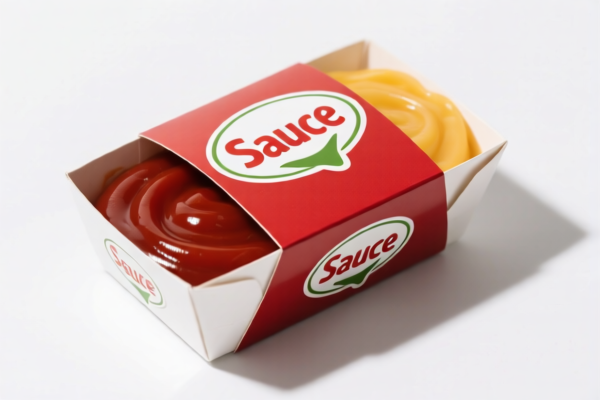
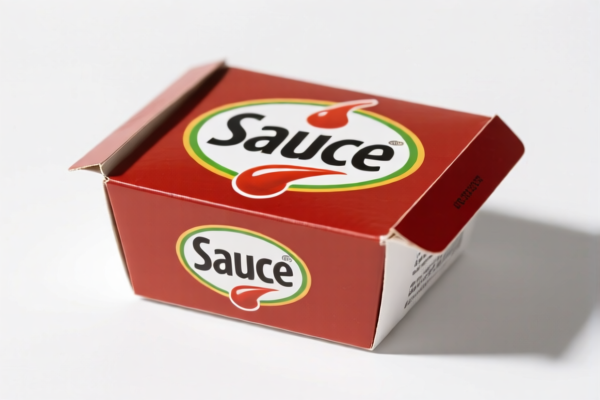


AI分析
🍯 Sauce Bottle (Glass & Plastic Containers)
🌐 HS Code Reference & Customs Clearance Guide | 2026 Latest Tariff Analysis | Professional Clearance Strategy
📌 I. Product Definition & Classification: Understanding the "Sauce Bottle"
In international trade, "Sauce Bottles" are generally classified based on their material composition and specific utility. The key distinction lies in whether they are made of Plastic (Chapter 39) or Glass (Chapter 70). Both types are typically categorized under headings for articles of plastic or glass used for the transport or packaging of goods.
Key Classification Criteria: 1. Material: Plastic vs. Glass. 2. Primary Use: * Condiment/Condiment Containers: Specifically designed for sauces, jams, dressings (often smaller, specialized shapes). * General Containers/Bottles: Broader category for large bottles, jars, and similar receptacles.
⚠️ Critical Distinction:
- If the bottle is Plastic and specifically for sauces/condiments → Likely 3923.30.
- If the bottle is Glass and specifically for sauces/condiments → Likely 7010.90.50.09.
- If the bottle is Glass and fits a broader "other container" description → Likely 7010.90.50.39.
- If the bottle is Plastic and described generally as "large bottles/jars" → Likely 3923.30.00.90.
📦 II. HS Code Classification Details (2026 Latest Tariff Authority对照)
Based on the provided data, here are the specific HS Codes and their corresponding descriptions:
| HS Code | Product Description | Material | Specific Use/Category |
|---|---|---|---|
| 3923.30.00.10 | Sauce Bottle | Plastic | Condiment/Condiment Containers (酱料瓶,材质为塑料,用途为容器类) |
| 7010.90.50.09 | Sauce Bottle | Glass | Condiment/Condiment Containers (酱料瓶,材质为玻璃,用途为容器类) |
| 7010.90.50.39 | Sauce Bottle | Glass | Other Containers (酱料瓶,材质为玻璃,用途为其他容器) |
| 3923.30.00.90 | Sauce Bottle | Plastic | Large Bottles, Jars & Similar Articles (酱料瓶,材质为塑料,用途为大瓶、瓶及类似制品) |
🔍 Key Reminder:
- Plastic Bottles: Both3923.30.00.10(specific condiment use) and3923.30.00.90(general large bottle use) incur the same total tax rate (38.0%). The distinction is in the textual description for customs inspection. - Glass Bottles: While both fall under Chapter 70, the sub-classification (50.09vs50.39) may affect customs documentation accuracy, though the total tax rate remains 35.0%. - Material Matters: Glass containers generally enjoy a slightly lower base tariff (0.0%) compared to Plastic (3.0%), but both are heavily impacted by additional duties.
💰 III. 2026 Latest Tariff Rate Breakdown (Including Additional Duties & Policy Surcharges)
✅ Applicable Country: United States (US)
✅ Origin: China (CN)
✅ Effective Date: Rates include Section 301 and Section 122 measures.
🎯 1. Plastic Sauce Bottles (3923.30.00.10 & 3923.30.00.90)
| Item | Details |
|---|---|
| Product | Plastic Sauce Bottles / Large Plastic Containers |
| HS Codes | 3923.30.00.10 / 3923.30.00.90 |
| Base Tariff | 3.0% |
| Section 301 Additional Tariff | 25.0% |
| Section 122 Tariff | 10.0% |
| Total Tax Rate | 38.0% |
| Calculation Basis | CIF Value × 38.0% |
| De Minimis Exemption | ❌ NOT Available (Denied) |
📌 Explanation:
- Base 3%: Standard MFN rate for plastic articles for transport/packaging. - Section 301 (25%): Imposed on many Chinese goods, including plastic packaging materials. - Section 122 (10%): A specific additional tariff applicable to certain imports, likely due to trade defense measures. - Total 38%: This is a very high effective tariff rate. Importers must account for this in cost calculations.
🎯 2. Glass Sauce Bottles (7010.90.50.09 & 7010.90.50.39)
| Item | Details |
|---|---|
| Product | Glass Sauce Bottles / Glass Containers |
| HS Codes | 7010.90.50.09 / 7010.90.50.39 |
| Base Tariff | 0.0% |
| Section 301 Additional Tariff | 25.0% |
| Section 122 Tariff | 10.0% |
| Total Tax Rate | 35.0% |
| Calculation Basis | CIF Value × 35.0% |
| De Minimis Exemption | ❌ NOT Available (Denied) |
📌 Explanation:
- Base 0%: Glass articles often have lower or zero base MFN rates. - Section 301 (25%) & Section 122 (10%): These additional duties apply regardless of the base rate. - Total 35%: While 3% lower than plastic, it is still a significant cost barrier. The primary advantage of glass here is the lower base tariff, not the final landed cost.
🛠️ IV. Customs Clearance Practical Advice (Avoiding Pitfalls)
✅ 1. Required Documentation Checklist (Essential for Smooth Clearance)
| Document | Must Provide? | Notes |
|---|---|---|
| ✅ Commercial Invoice | ✔️ | Must clearly state: "Sauce Bottle", Material (Plastic/Glass), and HS Code. |
| ✅ Packing List | ✔️ | Detail quantity, weight, and packaging type. |
| ✅ Product Specifications | ✔️ | Confirm material (e.g., PET, HDPE for plastic; Soda-lime glass for glass). |
| ✅ Usage Declaration | ✔️ | Explicitly state: "Used for packaging sauces/condiments." |
| ✅ Certificate of Origin | ✔️ | To prove origin as China (CN) for accurate tariff application. |
| ✅ Photos of Products | ✔️ | Show the bottle shape and any labeling to support the "Sauce Bottle" classification. |
✅ 2. Declaration Tips (Key Mnemonics)
🔥 "Material First, Use Specific, Don't Split, Get It Right!"
| Scenario | Correct Declaration | Incorrect Action | Consequence |
|---|---|---|---|
| Plastic Sauce Bottle | 3923.30.00.10 or 3923.30.00.90 |
Declare as generic "Container" without detail | Potential misclassification penalty |
| Glass Sauce Bottle | 7010.90.50.09 or 7010.90.50.39 |
Declare as "Glassware" generally | Customs may query or delay |
| Mixed Shipment | Declare Plastic and Glass separately | Mix HS Codes in one line item | Confusion, possible seizure |
| De Minimis Claim | Do not claim | Claiming under $800 exemption | Goods will be held/audited |
📌 Note on Section 122 & 301: Both
3923(Plastic) and7010(Glass) are subject to these additional tariffs. There is no exemption for small quantities (De Minimis) for these items from China to the US.
✅ 3. Special Situations
| Situation | Handling Advice |
|---|---|
| OEM Custom Bottles | Provide customer design specs to justify "Sauce Bottle" use if challenged. |
| Glass vs. Plastic Cost | Glass has 0% base but 35% total; Plastic has 3% base but 38% total. Glass is slightly cheaper in duty, but may have higher shipping costs due to weight. |
| Labeling Requirements | Ensure bottles are clean and free of previous product residues if exported as empty containers. |
🌍 V. Global Market Comparison (2026 Update)
| Country/Region | Recommended HS Code | Total Duty (China Origin) | Notes |
|---|---|---|---|
| 🇺🇸 United States | 3923.30.00.10 / 7010.90.50.09 |
38.0% (Plastic) / 35.0% (Glass) | High tariffs due to Sec 301 & Sec 122. |
| 🇨🇳 China (Import) | 3923.30 / 7010.90 |
~0% - 6% | Low duty, no Section 301/122. |
| 🇪🇺 European Union | 3923.30 / 7010.90 |
~0% - 6% | No Section 301/122 equivalents. |
| 🇬🇧 United Kingdom | 3923.30 / 7010.90 |
~0% - 6% | Post-Brexit tariffs may vary slightly. |
📌 Conclusion:
- The US market is the most expensive due to layered additional tariffs.
- Glass is marginally more tax-efficient (35% vs 38%) but consider logistics costs.
- No De Minimis exemption applies for these goods from China to the US.
📌 VI. Common Mistakes & Pitfall Avoidance (Lessons Learned)
❌ Mistake 1: Claiming De Minimis (Section 321) for shipments under $800.
👉 Result: Customs will deny entry, audit the shipment, and may seize goods if duties are evaded.
❌ Mistake 2: Misdeclaring Glass as Plastic or vice versa to "guess" a lower rate.
👉 Result: Misclassification penalties (civil fines) and potential criminal charges for fraud.
❌ Mistake 3: Ignoring Section 122 and Section 301 applicability.
👉 Result: Underpayment of duties, leading to back-taxes and interest.
❌ Mistake 4: Using vague descriptions like "Plastic Container" without specifying "Sauce Bottle".
👉 Result: Customs may request additional info, causing delays.
✅ Correct Approach:
"Plastic Sauce Bottles, Empty, for Condiments, HS 3923.30.00.10, Origin: China"
"Glass Sauce Bottles, Empty, for Condiments, HS 7010.90.50.09, Origin: China"
🎯 VII. Conclusion: Precise Classification Saves Money
🎯 Key Takeaways:
🔹 Plastic: 38% Total Duty (3% Base + 25% Sec 301 + 10% Sec 122).
🔹 Glass: 35% Total Duty (0% Base + 25% Sec 301 + 10% Sec 122).
🔹 No De Minimis Exemption for China-origin goods under these HS codes.
🔹 Accuracy is Critical: Ensure material and use are clearly stated.📌 Pro Tip:
If you are sourcing from Vietnam, Mexico, or other non-China countries, you may be eligible to avoid Section 301 and Section 122 duties, significantly reducing your tax burden. Consider supply chain diversification if the US market is your primary destination.
📣 Immediate Action:
📞 Consult a licensed customs broker for pre-classification rulings.
📋 Verify the latest Section 122 and Section 301 exclusions (if any apply).
🚀 Plan your landed cost accurately with the 35%-38% duty rate in mind.
✨ Professional Clearance Starts with Accurate Classification!
💼 Every Percent Counts in Global Trade!
用户评价
关于 HS 编码归类
协调制度(HS)是由世界海关组织(WCO)制定的国际贸易商品分类标准。全球 200 多个国家采用 HS 系统作为海关关税、贸易统计和进出口监管的基础。
每个 HS 编码遵循以下层级结构:
- 章(2 位)——商品大类(例如:第 84 章:机器和机械设备)
- 品目(4 位)——章内的更具体分类
- 子目(6 位)——国际通用细分,所有 WCO 成员国统一使用
- 本国细分(8-10 位)——各国自行扩展的细分编码,如美国 HTSUS 10 位编码
正确的 HS 编码归类对于顺利通关、准确缴纳关税和遵守贸易法规至关重要。错误归类可能导致海关延误、多缴关税或罚款。
从CN进口到US时,适用的关税税率可能包括:
- 最惠国(MFN)税率——适用于 WTO 成员国的标准关税税率
- 普通税率——适用于无贸易协定国家
- 贸易救济关税——附加关税,如 301 条款(反倾销)、232 条款(国家安全)或反补贴税
本页内容仅供参考。如需正式归类,请咨询当地海关或持牌报关代理。