Scented Sachet
CN → US| HS编码 | 关税税率 | 原产国 | 目的国 | 文档 |
|---|---|---|---|---|
| 3307490000 | 41.0% | CN | US | 官方文档 |
| 3307900000 | 40.4% | CN | US | 官方文档 |
| 2106909987 | 16.4% | CN | US | 官方文档 |
| 2106903900 | 10.0% | CN | US | 官方文档 |
商品图片
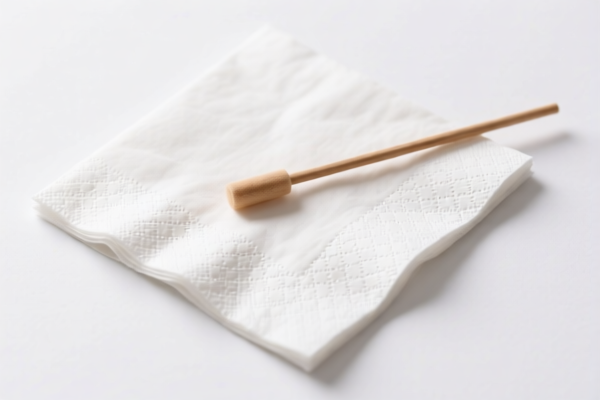
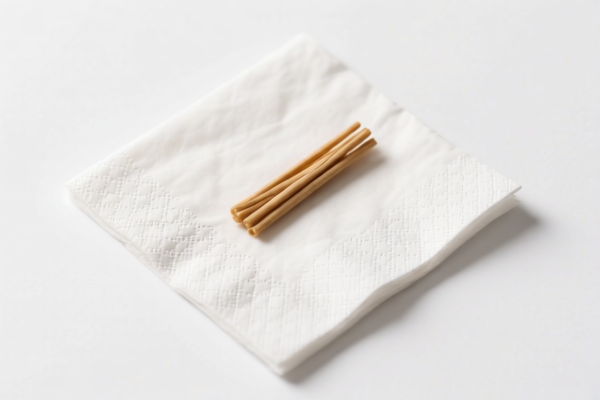
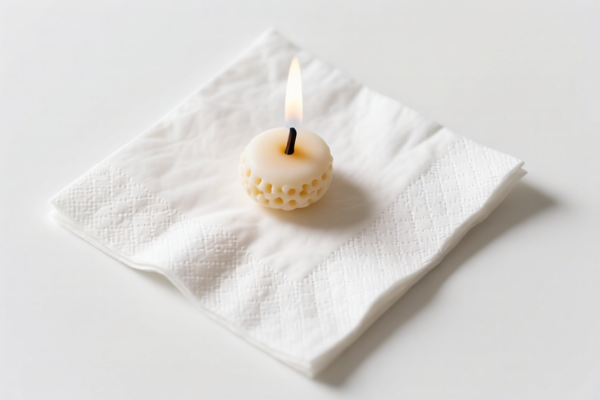
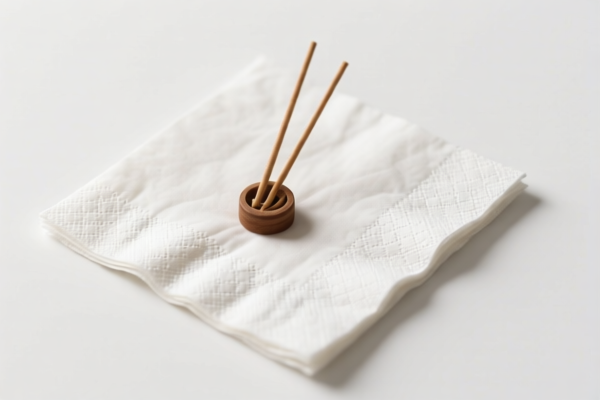
AI分析
🌸 Scented Sachet (Aromatherapy & Home Fragrance)
🌐 HS Code Reference & Customs Clearance Guide | 2026 Latest Tariff Analysis | Professional Compliance Strategy
📌 1. Product Definition & Classification: What Exactly is a "Scented Sachet"?
A Scented Sachet is a small bag or packet containing fragrant materials (such as dried herbs, flowers, activated carbon, or synthetic fragrance beads) used to perfume enclosed spaces like drawers, closets, cars, or religious altars.
In international trade, the classification depends strictly on primary function: * Room Deodorizer/Perfumer: If the primary purpose is to scent or deodorize a room or enclosed space (e.g., drawers, cars, rooms), it falls under Chapter 33 (Perfumery, Cosmetic or Toilet Preparations). * Food Preparation: If the sachet contains herbs primarily for consumption or brewing (like herbal tea bags), it falls under Chapter 21 (Food Preparations).
⚠️ Key Distinction Point:
- If the sachet is for aromatherapy, masking odors in closets/cars, or religious rituals → HS 3307 (Cosmetic/Toilet/Room Deodorizer).
- If the sachet contains herbal mixtures for brewing tea or direct consumption → HS 2106 (Food Preparation).
- Note: The provided data includes specific sub-categories for "Herbal teas/infusions" and "Cough drops" under Food, but "Scented Sachets" for rooms are typically 3307.
📦 2. HS Code Classification Details (Based on Provided Data)
The following HS Codes and Tariffs are derived strictly from the provided <DATA>.
| HS Code | Product Description | Application Scenario | Primary Function |
|---|---|---|---|
3307.49.00.00 |
Preparations for perfuming or deodorizing rooms, including odoriferous preparations used during religious rites; Other | Sachets for closets, drawers, cars, or religious altars; Room sprays; Solid perfumes | Fragrance/Deodorizing |
3307.90.00.00 |
Other perfumery, cosmetic or toilet preparations; Prepared room deodorizers (if not specifically "perfuming/deodorizing rooms" in the sense of 3307.49) | General cosmetic preparations, bath salts, depilatories, or miscellaneous deodorizers not classified elsewhere | Cosmetic/Toilet/Misc |
2106.90.99.87 |
Food preparations not elsewhere specified: Other Herbal teas and herbal infusions comprising mixed herbs | Sachets containing dried lavender/chamomile intended for brewing into tea for drinking | Food/Consumption |
2106.90.39.00 |
Food preparations not elsewhere specified: Other: Artificially sweetened cough drops | (Included in data for context, but irrelevant to sachets unless the sachet contains cough drops) | Food/Medicinal |
🔍 Critical Reminder:
- For a standard Scented Sachet (e.g., lavender bag for clothes), use3307.49.00.00.
- If you accidentally declare a tea bag as a room sachet (or vice versa), you risk misclassification penalties.
💰 3. 2026 Latest Tariff Rate Breakdown (Including Surcharge)
✅ Applicable Country: United States (US)
✅ Origin: China (CN) (Inferred from the 25% surcharge structure typical of Section 301 tariffs)
✅ Validity: Current as of 2026 Data
🎯 1. 3307.49.00.00 —— Room Deodorizers / Scented Sachets (Non-Tea)
| Item | Detail |
|---|---|
| Base Tariff | 6.0% (ad valorem) |
| Additional Tariff (Section 301) | +25.0% |
| Total Tariff Rate | 31.0% |
| Calculation Basis | CIF Value × 31.0% |
| Legal Basis | USITC Tariff Schedule + Section 301 List 4C (Typical for 3307) |
📌 Explanation:
- The 6% base rate is the standard Most Favored Nation (MFN) rate for room deodorizers.
- The 25% additional tariff is the punitive duty on Chinese goods under Section 301 of the Trade Act.
- Total Cost: You pay 31% of the customs value in duties alone.
🎯 2. 3307.90.00.00 —— Other Cosmetic/Toilet Preparations
| Item | Detail |
|---|---|
| Base Tariff | 5.4% (ad valorem) |
| Additional Tariff (Section 301) | +25.0% |
| Total Tariff Rate | 30.4% |
| Calculation Basis | CIF Value × 30.4% |
| Legal Basis | USITC Tariff Schedule + Section 301 List 4C |
📌 Explanation:
- If the sachet is classified as a "general cosmetic" or "toilet preparation" (e.g., a bath sachet or non-room specific scent), it falls here.
- Slightly cheaper than 3307.49, but still subject to the heavy 25% surcharge.
🎯 3. 2106.90.99.87 —— Herbal Tea Sachets (Consumption)
| Item | Detail |
|---|---|
| Base Tariff | 0.0% |
| Additional Tariff | 0.0% |
| Total Tariff Rate | 0.0% |
| Calculation Basis | Free |
| Legal Basis | HTSUS General Notes / Specific Exclusions for Food |
📌 Explanation:
- If your "scented sachet" is actually a tea bag for drinking, the tariff is 0%.
- Risk: Do not use this code for non-consumable fragrances. If Customs inspects and finds it's for smelling, not drinking, you will be fined for misdeclaration.
🎯 4. 2106.90.39.00 —— Artificially Sweetened Cough Drops
| Item | Detail |
|---|---|
| Base Tariff | 0.0% |
| Additional Tariff | 0.0% |
| Total Tariff Rate | 0.0% |
📌 Note: Included in data, but typically not applicable to sachets unless the product is a medicinal cough drop packet.
🛠️ 4. Customs Clearance Practical Advice (Avoiding Pitfalls)
✅ 1. Documentation Checklist (Must-Haves)
| Document | Required? | Description |
|---|---|---|
| ✅ Product Description | ✔️ | Must clearly state: "Scented Sachet for Closet/Clothing, Contains Dried Lavender, Not for Consumption." |
| ✅ Ingredients List | ✔️ | List all herbs, essential oils, or carriers. |
| ✅ Usage Instructions | ✔️ | Explicitly state: "For External Use Only / Aromatherapy / Not for Ingestion." |
| ✅ Commercial Invoice | ✔️ | Value must match CIF (Cost, Insurance, Freight). |
| ✅ Certificate of Non-Dangerous Goods | ✔️ | If containing essential oils (flammable), a DGM report may be needed. |
✅ 2. Declaration Tips (Key Mantra)
🔥 "Smell it? Class 33. Drink it? Class 21. Specify 'Not for Consumption'!"
| Scenario | Correct HS Code | Wrong Code | Consequence |
|---|---|---|---|
| Lavender Bag for Drawers | 3307.49.00.00 |
2106.90.99.87 |
Tax Evasion Penalty: Customs sees 0% vs 31%, fines ensue. |
| Herbal Tea Bags | 2106.90.99.87 |
3307.49.00.00 |
Misclassification: Higher duty paid (31% instead of 0%), potential refund delay. |
| Cough Drops in Sachet | 2106.90.39.00 |
3307.90.00.00 |
Minor Error: Different duty rate (0% vs 30.4%), but less severe than scent/food mix-up. |
✅ 3. Special Handling for "Scented" Products
| Issue | Solution |
|---|---|
| Essential Oil Content | If the sachet contains liquid essential oils (not just dried herbs), it may be classified as "Toilet Preparation" or "Perfume." Ensure it is dry or solid to avoid hazardous materials (HazMat) classification. |
| Religious Sachets | If used in religious rites, still classified under 3307.49.00.00. Provide documentation if requested to prove religious context (though tariff is the same). |
| "Natural" Claims | Avoid marketing claims like "Medicinal" or "Therapeutic" unless you have FDA approval. Such claims can push the product into Chapter 30 (Pharmaceuticals), which has different rules. Stick to "Fragrance" or "Aromatherapy." |
🌍 5. Global Market Comparison (2026 Context)
| Country/Region | Recommended HS Code | Tariff Rate (China Origin) | Key Requirement |
|---|---|---|---|
| 🇺🇸 USA | 3307.49.00.00 |
31.0% (6% Base + 25% Surcharge) | Section 301 Tariffs apply. |
| 🇪🇺 EU | 3307.49.00 |
Varies (Usually 0-2%) | REACH Compliance for chemicals; CPNP notification. |
| 🇨🇳 China (Import) | 3307.49.00 |
Varies | NMPA Registration if cosmetic claim. |
| 🇯🇵 Japan | 3307.49.00 |
0-5% | FSCA Compliance for scents. |
📌 Conclusion for US Importers:
The 31% tariff is significant. To mitigate costs: 1. Ensure strict classification to avoid 30.4% vs 31% errors (though both are high). 2. Check if the product qualifies for HTSUS exclusions (if applicable for specific Section 301 lists, though rare for cosmetics). 3. Consider third-country assembly (e.g., packaging in Vietnam/Malaysia) if rules of origin allow, to avoid the 25% surcharge.
📌 6. Common Errors & Pitfalls (Blood & Tears Lessons)
❌ Mistake 1: Declaring a Lavender Closet Sachet as Herbal Tea (2106.90.99.87) to save 31%.
👉 Consequence: Customs AI detects "Scented Sachet" description mismatch with "Tea." Audit, fines, and cargo seizure.
❌ Mistake 2: Declaring Dried Herb Sachets as Cosmetics (3307.90.00.00) instead of Room Deodorizers (3307.49.00.00).
👉 Consequence: Minor tariff difference (30.4% vs 31%), but incorrect HS code may trigger unnecessary cosmetic regulatory reviews (FDA).
❌ Mistake 3: Ambiguous Description: "Herb Bag." 👉 Consequence: Customs may classify under the highest duty or hold cargo for misclassification review. Always specify: "Scented Sachet, For Closet Use, Not For Consumption."
✅ Correct Declaration Example:
"SCENTED SACHET, CONTAINING DRIED LAVENDER AND CHAMOMILE, FOR USE IN DRAWERS AND CLOSETS TO PERFUME CLOTHING, NOT FOR INGESTION OR MEDICAL USE, MODEL: AROMA-001"
🎯 7. Conclusion: Smart Classification, Lower Costs!
🎯 Remember the Mantra:
🔹 "Smell it? 3307. Drink it? 2106. Say 'Not for Eating' to stay safe!"
🔹 "31% Tariff is High, But Misclassification is Higher!"
📌 Pro Tip:
If your product contains essential oils above a certain concentration, check if it’s classified as a Dangerous Good (DG) for shipping. This affects logistics costs, not just tariffs.
📣 Immediate Action:
📞 Verify Ingredients: Are they dried herbs (3307) or consumable tea (2106)?
📝 Label Clearly: "For Fragrance Use Only. Not for Food."
📊 Calculate Landed Cost: Factor in the 31% US Tariff for accurate pricing.
✨ Professional Clearance Starts with Accurate Classification!
💼 Your Profit Margin Depends on the First Line of the Commercial Invoice!
用户评价
关于 HS 编码归类
协调制度(HS)是由世界海关组织(WCO)制定的国际贸易商品分类标准。全球 200 多个国家采用 HS 系统作为海关关税、贸易统计和进出口监管的基础。
每个 HS 编码遵循以下层级结构:
- 章(2 位)——商品大类(例如:第 84 章:机器和机械设备)
- 品目(4 位)——章内的更具体分类
- 子目(6 位)——国际通用细分,所有 WCO 成员国统一使用
- 本国细分(8-10 位)——各国自行扩展的细分编码,如美国 HTSUS 10 位编码
正确的 HS 编码归类对于顺利通关、准确缴纳关税和遵守贸易法规至关重要。错误归类可能导致海关延误、多缴关税或罚款。
从CN进口到US时,适用的关税税率可能包括:
- 最惠国(MFN)税率——适用于 WTO 成员国的标准关税税率
- 普通税率——适用于无贸易协定国家
- 贸易救济关税——附加关税,如 301 条款(反倾销)、232 条款(国家安全)或反补贴税
本页内容仅供参考。如需正式归类,请咨询当地海关或持牌报关代理。