School Bag
CN → US| HS编码 | 关税税率 | 原产国 | 目的国 | 文档 |
|---|---|---|---|---|
| 4202128910 | 52.6% | CN | US | 官方文档 |
| 4202923120 | 52.6% | CN | US | 官方文档 |
| 4820104000 | 10.0% | CN | US | 官方文档 |
| 4202110030 | 43.0% | CN | US | 官方文档 |
| 4202128920 | 52.6% | CN | US | 官方文档 |
商品图片
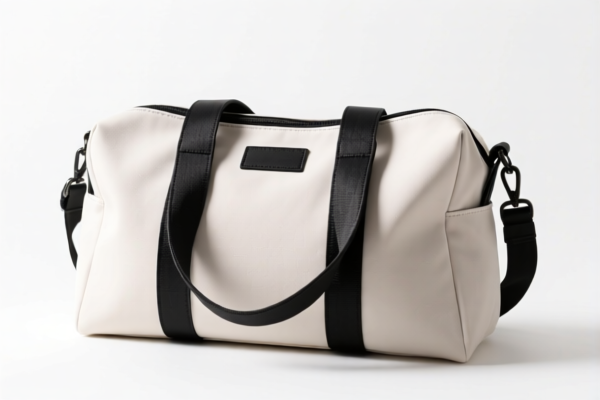
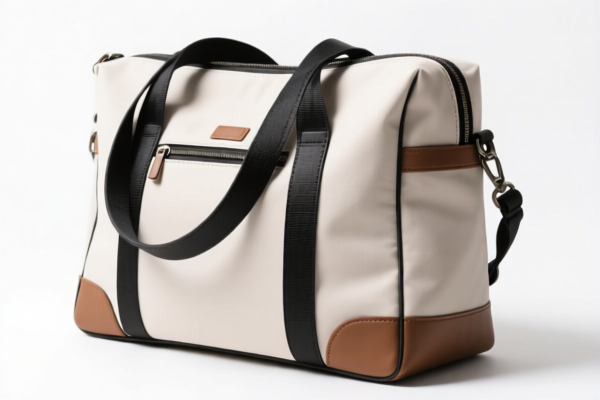

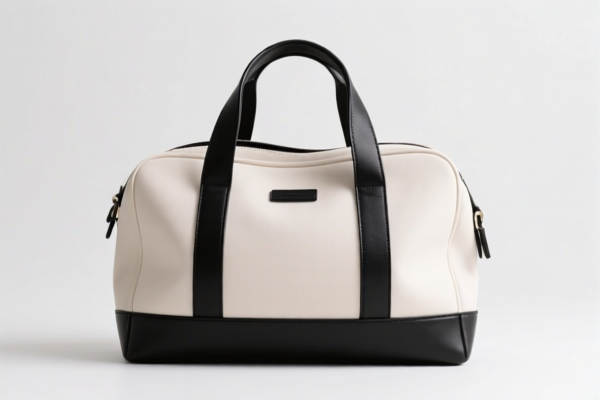
AI分析
🎒 School Bags: HS Code Classification & Duty Breakdown (US Imports)
🌐 HS Code Reference & Customs Clearance Guide | 2026 Latest Tariff Analysis | Strategic Entry Strategies
📌 Part 1: Product Definition & Classification – Do You Know Your "Bag"?
In international trade, the term "School Bag" is not a single Harmonized System (HS) code. It is an umbrella term that splits into several distinct categories based on material and specific form factor (e.g., generic bag vs. specific backpack). Misclassification is the #1 cause of customs delays and unexpected duties for this category.
The key differentiator is the outer surface material (Leather vs. Textile vs. Paper) and the specific shape (Backpack vs. General Satchel).
⚠️ Critical Distinction:
- Leather/Synthetic Leather Outer: Falls under HS Chapter 42, Heading 4202.11. High duty. - Textile/Canvas/Plastic Outer: Falls under HS Chapter 42, Heading 4202.12. Higher base duty + Section 301. - Paper/Cardboard: Falls under HS Chapter 48. Low duty, but rare for durable school bags.
📦 Part 2: HS Code Classification Matrix (2026 Latest Tariff Authority)
Based on the provided data, here are the 5 specific HS Codes applicable to School Bags:
| HS Code | Summary Description | Material/Form Factor Match | Duty Rate |
|---|---|---|---|
4202.12.89.10 |
Fabric School Bag | Matches Shape: Bag; Material: Textile | 52.6% |
4202.92.31.20 |
Fabric Backpack | Matches Shape: Backpacks; Material: Textile | 52.6% |
4820.10.40.00 |
Paper/Cardboard Bag | Inferred as Paper/Cardboard material or Stationery class | 10.0% |
4202.11.00.30 |
Leather Student Bag | Matches Use: Student; Material: Leather/Synthetic Leather | 43.0% |
4202.12.89.20 |
Textile Student Bag | Matches Use: Student; Outer Surface: Textile | 52.6% |
🔍 Key Insight:
- Textile/Canvas Bags (4202.12.89.10/4202.12.89.20/4202.92.31.20) are taxed heavily at 52.6% due to the combination of base tariff + Section 301 tariffs. - Leather Bags (4202.11.00.30) are slightly lower at 43.0%. - Paper Bags (4820.10.40.00) are significantly cheaper at 10.0%, but this is likely for disposable or decorative paper bags, not durable daily-use school bags.
💰 Part 3: 2026 Tariff Rate Detail Breakdown (China Origin → US)
✅ Applicable Country: United States (US)
✅ Origin: China (CN)
✅ Effective Time: Current rates apply (Section 301 & IEEPA surcharges included)
🎯 1. 4202.12.89.10 – Fabric Bag (General Textile)
| Item | Detail |
|---|---|
| Base Tariff | 17.6% (Standard MFN Rate) |
| Section 301 Surcharge | +25.0% (Trade War Tariff) |
| IEEPA / 122 Clause | +10.0% (Additional surcharge) |
| Total Effective Rate | 52.6% |
| Calculation | CIF Value × 52.6% |
| De Minimis Exemption? | ❌ NO (Deny De Minimis) |
| Legal Path | Base Rate 17.6% → USITC Footnote 301 (+25%) → IEEPA Clause 122 (+10%) |
📌 Explanation:
- The 17.6% is the standard duty for "Bags, with outer surface of textile materials." - The 25% is the Section 301 tariff on Chinese textiles/bags. - The 10% is an additional surcharge (often referred to as Clause 122 or IEEPA-related) applied to Chinese goods. - Total: 52.6%. This is a high-cost classification.
🎯 2. 4202.92.31.20 – Fabric Backpack (Specific Shape)
| Item | Detail |
|---|---|
| Base Tariff | 17.6% |
| Section 301 Surcharge | +25.0% |
| IEEPA / 122 Clause | +10.0% |
| Total Effective Rate | 52.6% |
| Calculation | CIF Value × 52.6% |
| De Minimis Exemption? | ❌ NO |
| Legal Path | Same as above. Specific shape ("Backpacks") does not reduce the tariff burden for Chinese textile bags. |
📌 Note:
- Even though "Backpack" is a specific sub-category, the tariff structure for Textile materials remains identical to the general fabric bag in this dataset. - Both4202.12.89.10and4202.12.89.20and4202.92.31.20all hit the 52.6% wall.
🎯 3. 4202.11.00.30 – Leather Student Bag
| Item | Detail |
|---|---|
| Base Tariff | 8.0% |
| Section 301 Surcharge | +25.0% |
| IEEPA / 122 Clause | +10.0% |
| Total Effective Rate | 43.0% |
| Calculation | CIF Value × 43.0% |
| De Minimis Exemption? | ❌ NO |
| Legal Path | Base Rate 8.0% → USITC Footnote 301 (+25%) → IEEPA Clause 122 (+10%) |
📌 Comparison:
- Leather bags enjoy a lower base rate (8.0%) compared to textile bags (17.6%). - However, after adding the 35% surcharges (25% + 10%), the total is 43.0%. - Savings: 9.6% lower than textile bags. If you can use leather/synthetic leather, this is a cost-effective alternative.
🎯 4. 4820.10.40.00 – Paper/Cardboard Bag
| Item | Detail |
|---|---|
| Base Tariff | 0.0% |
| Section 301 Surcharge | 0.0% |
| IEEPA / 122 Clause | +10.0% |
| Total Effective Rate | 10.0% |
| Calculation | CIF Value × 10.0% |
| De Minimis Exemption? | ❌ NO (Note: 122 clause still applies) |
| Legal Path | Base Rate 0% → IEEPA Clause 122 (+10%) |
📌 Caution:
- This code implies Paper or Cardboard material. - Most durable "School Bags" are NOT paper. Misclassifying a canvas/nylon bag as paper to get 10% tax is customs fraud and will result in severe penalties. - Use this only if the product is genuinely a disposable paper bag or stationery item.
🛠️ Part 4: Customs Clearance Practical Advice (Avoid Pitfalls)
✅ 1. Documentation Checklist (Non-Negotiable)
| Document | Must Provide | Why? |
|---|---|---|
| ✅ Product Photos | ✔️ | Must clearly show material (leather vs. fabric) and brand. |
| ✅ Material Composition | ✔️ | Exact percentage of Leather vs. Textile vs. Paper. |
| ✅ Commercial Invoice | ✔️ | Description must match HS Code (e.g., "Leather School Bag" not just "Bag"). |
| ✅ Country of Origin Cert | ✔️ | Proves CN origin to apply/add surcharges correctly. |
| ✅ HS Code Pre-ruling | ✔️ | Recommended. Get a binding ruling from CBP to lock in the rate. |
✅ 2. Classification Strategy (Key口诀)
🔥 "Material Dictates Duty: Leather Saves, Textile Suffers!"
| Scenario | Correct HS Code | Total Duty | Strategy |
|---|---|---|---|
| Nylon/Polyester Bag | 4202.12.89.10 / 4202.12.89.20 / 4202.92.31.20 |
52.6% | High cost. Verify if any component can be leather to shift category? (Unlikely for fabric bags). |
| Leather/PU Bag | 4202.11.00.30 |
43.0% | Best for Durable Goods. Lower base rate makes it 9.6% cheaper than fabric. |
| Paper Bag | 4820.10.40.00 |
10.0% | Only for actual paper products. Do not misclassify. |
✅ 3. Common Mistakes & Penalties
❌ Mistake 1: Calling a Nylon Bag "Student Bag" and trying to argue for a lower rate.
👉 Result: CBP will inspect material. If it’s textile, you pay 52.6%.
❌ Mistake 2: Misclassifying a Fabric Bag as Paper (4820) to save 42.6%.
👉 Result: Severe Penalty. Fraud charges, seizure of goods, and fines up to 3x the duty evaded.
❌ Mistake 3: Ignoring the 10% IEEPA/122 Clause.
👉 Result: Even if base duty is 0% (like paper), you still owe 10%. Never assume "0% base" means "0% total."
🌍 Part 5: Global Market Comparison (Quick Reference)
| Destination | Recommended HS Code | Est. Total Duty (China Origin) | Notes |
|---|---|---|---|
| 🇺🇸 USA | 4202.11.00.30 (Leather) |
43.0% | Best option for durability. |
| 🇺🇸 USA | 4202.12.89.10 (Fabric) |
52.6% | Highest cost. |
| 🇨🇳 China (Export) | Varies | Varies | China exports these goods; duties apply at destination. |
| 🇪🇺 EU | 4202.12.99 |
~12% (No 301/122) | EU does not have Section 301 or Clause 122. Much lower duty! |
📌 Strategic Takeaway:
- If your primary market is the USA, consider material changes (Leather/PU vs. Nylon) to reduce duty from 52.6% to 43.0%. - If your market is Europe, textile bags are much more competitive (~12% vs. 52.6% in US). - Avoid Paper HS Codes for real school bags to prevent fraud accusations.
📌 Part 6: Final Clearance Tips
- Be Precise in Description:
- ✅ "Leather School Satchel, Outer Surface: PU Leather" →
4202.11.00.30 - ✅ "Nylon Backpack, Outer Surface: Textile" →
4202.12.89.20 -
❌ "School Bag" → Too vague, leads to manual inspection and potential misclassification.
-
Calculate Landed Cost Early:
- Use 52.6% for fabric/nylon/polyester bags.
- Use 43.0% for leather/synthetic leather bags.
-
Use 10.0% ONLY for paper/cardboard items.
-
Consider Pre-Ruling:
- Submit samples and photos to CBP for an Advance Ruling. This locks in your HS Code and duty rate, providing certainty for your supply chain.
🎯 Bottom Line:
🔹 "Fabric Bags = 52.6% Pain. Leather Bags = 43.0% Relief. Paper = 10.0% (But Don't Lie!)"
🔹 "HS Code is not about the name 'School Bag', but about the MATERIAL."
✨ Professional Customs Clearance Starts with Accurate Classification!
💼 Every percentage point counts. Choose the right HS Code, save your margins!
用户评价
关于 HS 编码归类
协调制度(HS)是由世界海关组织(WCO)制定的国际贸易商品分类标准。全球 200 多个国家采用 HS 系统作为海关关税、贸易统计和进出口监管的基础。
每个 HS 编码遵循以下层级结构:
- 章(2 位)——商品大类(例如:第 84 章:机器和机械设备)
- 品目(4 位)——章内的更具体分类
- 子目(6 位)——国际通用细分,所有 WCO 成员国统一使用
- 本国细分(8-10 位)——各国自行扩展的细分编码,如美国 HTSUS 10 位编码
正确的 HS 编码归类对于顺利通关、准确缴纳关税和遵守贸易法规至关重要。错误归类可能导致海关延误、多缴关税或罚款。
从CN进口到US时,适用的关税税率可能包括:
- 最惠国(MFN)税率——适用于 WTO 成员国的标准关税税率
- 普通税率——适用于无贸易协定国家
- 贸易救济关税——附加关税,如 301 条款(反倾销)、232 条款(国家安全)或反补贴税
本页内容仅供参考。如需正式归类,请咨询当地海关或持牌报关代理。