Scrap Steel Rebar
CN → US| HS编码 | 关税税率 | 原产国 | 目的国 | 文档 |
|---|---|---|---|---|
| 7204490020 | 35.0% | CN | US | 官方文档 |
| 7204490040 | 35.0% | CN | US | 官方文档 |
商品图片
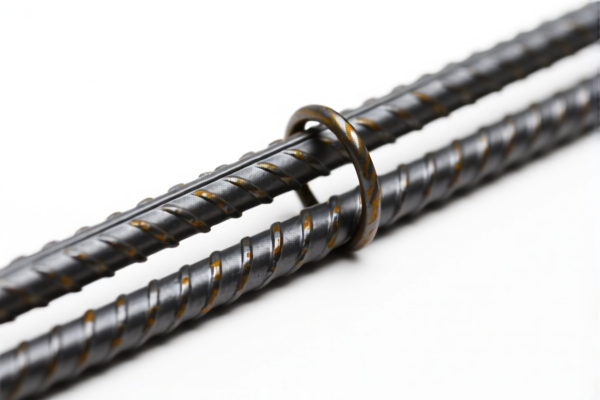
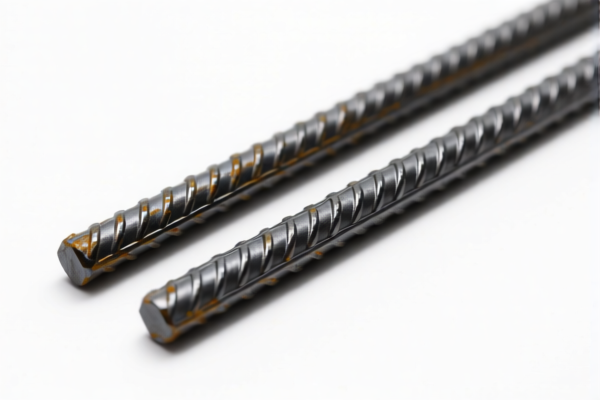
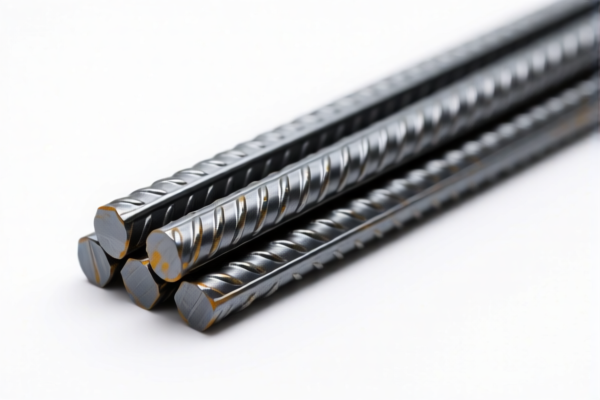
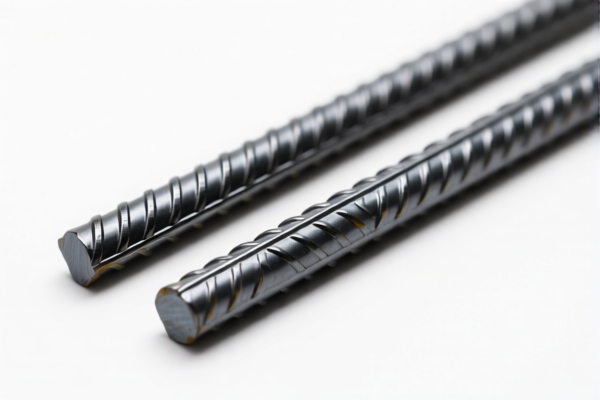
AI分析
🏗️ Ferrous Waste and Scrap: Steel Rebar/Remelting Scrap (7204.49)
🌐 HS Code Reference & Customs Clearance Guide | 2026 Latest Tariff Analysis | Professional Level Compliance Strategy
📌 Part I: Product Definition and Classification: What Exactly is "Scrap Steel Rebar"?
Steel rebar (reinforcing bar) scrap refers to discarded, cut-off, or worn-out steel reinforcement bars used in construction, collected for recycling. In international trade, particularly under the US Harmonized Tariff Schedule (HTSUS), ferrous waste and scrap are classified based on their condition, shape, and intended use for remelting.
This product falls under Heading 72.04: Ferrous waste and scrap; remelting scrap ingots of iron or steel.
Specifically, it is categorized as "Other waste and scrap", further divided into heavy melting structures and lighter forms. The key distinction for rebar scrap lies in its density, bundling, and whether it meets the specific "No. 1" or "No. 2" heavy melting criteria defined by US customs and industry standards.
⚠️ Critical Distinction:
- No. 1 Heavy Melting: High-quality, clean, dense scrap with minimal impurities, typically consisting of intact beams, plates, or tightly bound rebar bundles that meet specific density and size requirements.
- No. 2 Heavy Melting: Slightly lower grade, may include some contamination, thinner sections, or less dense bundling, but still intended for heavy melting in steel furnaces.
- Rebar Specifics: While rebar is often long and irregular, if baled or bundled to meet density thresholds and is primarily steel (ferrous), it fits into the "Other waste and scrap" subcategories.
📦 Part II: HS Code Classification Details (2026 Latest Tariff Authority Match)
Based on the provided data, the applicable HS Codes for Ferrous Waste and Scrap (including rebar scrap) are as follows:
| HS Code | Product Description | Application Scenario | Grade/Condition |
|---|---|---|---|
7204.49.00.20 |
Other waste and scrap: Other No. 1 heavy melting | Clean, dense, high-quality rebar scrap, tightly banded, minimal rust/contamination | ✅ High Quality |
7204.49.00.40 |
Other waste and scrap: Other No. 2 heavy melting | Standard rebar scrap, possibly with some rust, dirt, or less dense bundling | ✅ Standard Quality |
🔍 Key Reminder:
- Both codes fall under 7204.49: Other waste and scrap.
- The difference between.20and.40is based on quality and density standards for "heavy melting" scrap.
- Rebar scrap is not considered "turnings" (7204.30) or "swarf" (7204.21); it is classified as heavy melting structural scrap.
- Misclassification can lead to significant customs delays or penalties. Ensure your supplier provides a mill certificate or quality declaration specifying the grade.
💰 Part III: 2026 Latest Tariff Rate Details (Including Additional Duties)
✅ Applicable Country: United States (US)
✅ Origin: China (CN) (Assumed based on typical rebar export origins and tariff structure)
✅ Effective Time: Current as per 2026 tariff schedule
🎯 1. 7204.49.00.20 —— Other Waste and Scrap: Other No. 1 Heavy Melting
| Item | Content |
|---|---|
| Base Tariff Rate | 0.0% (ad valorem) |
| Section 301 Additional Duty | +25.0% (USITC Footnote 9903.88.01 / Trade Act 301) |
| Total Tax Rate | 25.0% |
| Tax Calculation | CIF Value × 25% |
| De Minimis Exemption | ❌ Not Eligible (Scrap metal is excluded from de minimis relief under US law) |
| Legal Basis | HTSUS 7204.49.00.20 + USITC Section 301 List 3/4 adjustments |
📌 Explanation:
- The base tariff for ferrous scrap is 0%, reflecting that scrap is a raw material, not a finished good.
- However, due to Section 301 tariffs on Chinese goods, an additional 25% is applied.
- Total effective duty: 25%. This is a significant cost factor for importers.
- Note: If the origin is not China (e.g., Vietnam, Mexico), the 301 duty may not apply, potentially reducing the rate to 0%. Verify origin carefully.
🎯 2. 7204.49.00.40 —— Other Waste and Scrap: Other No. 2 Heavy Melting
| Item | Content |
|---|---|
| Base Tariff Rate | 0.0% (ad valorem) |
| Section 301 Additional Duty | +25.0% (USITC Footnote 9903.88.01 / Trade Act 301) |
| Total Tax Rate | 25.0% |
| Tax Calculation | CIF Value × 25% |
| De Minimis Exemption | ❌ Not Eligible |
| Legal Basis | HTSUS 7204.49.00.40 + USITC Section 301 List 3/4 adjustments |
📌 Note:
- Identical tariff treatment to No. 1 heavy melting.
- The 25% additional duty applies regardless of the sub-grade within "Other waste and scrap" for Chinese-origin ferrous scrap.
🛠️ Part IV: Customs Clearance Practical Advice (Real-World Pitfall Avoidance Guide)
✅ 1. Document Checklist (Mandatory)
| Document | Required | Description |
|---|---|---|
| ✅ Commercial Invoice | ✔️ | Must clearly state: "Steel Rebar Scrap, HS Code 7204.49.xx, Origin: China" |
| ✅ Packing List | ✔️ | Detail weight, bundle size, and number of bundles. Must match invoice. |
| ✅ Bill of Lading (B/L) | ✔️ | Clean on board B/L. Note any damage or contamination. |
| ✅ Mill Test Certificate / Quality Declaration | ✔️ | Critical for proving "No. 1" vs "No. 2" grade. Must confirm steel type (e.g., ASTM A615). |
| ✅ Certificate of Origin (CO) | ✔️ | Form A or general CO to verify origin. If not China, may avoid 301 duty. |
| ✅ Phytosanitary Certificate | (If applicable) | Rare for scrap, but required if scrap contains organic material (soil, wood bundles). |
| ✅ SCAC Code / EPA Manifest | (If hazardous) | If scrap is contaminated with oil/chemicals, EPA manifest is required. |
✅ 2. Declaration Tips (Key Mnemonics)
🔥 "Clean vs. Dirty, Dense vs. Loose, Origin Matters for Duty!"
| Situation | Correct Declaration | Wrong Practice |
|---|---|---|
| Clean, dense, tightly baled rebar | 7204.49.00.20 (No. 1) |
Declaring as No. 2 → May trigger inspection for grade verification |
| Rusty, loose, or mixed-grade rebar | 7204.49.00.40 (No. 2) |
Declaring as No. 1 → Risk of penalty for misclassification |
| Chinese Origin | Declare full HS Code + Origin | Hiding origin → Seizure + penalties |
| Non-Chinese Origin | Declare Country of Manufacture | Assuming same tariff → May miss 0% rate if eligible |
✅ 3. Special Circumstances Handling
| Situation | Handling Advice |
|---|---|
| Contaminated Scrap | If rebar is coated with oil, paint, or soil, it may be classified as hazardous waste or require additional EPA documentation. Inspect and clean before shipment if possible. |
| Mixed Lots | If a container contains both No. 1 and No. 2 scrap, customs may inspect and downgrade the entire lot to the lower grade. Keep lots separate by grade. |
| Origin Fraud | Trans-shipping via third countries to mask Chinese origin is illegal and heavily penalized. Ensure proper CO and supplier declarations. |
| Recycling Subsidies | Some US states offer incentives for recycling scrap. Consult local agencies for potential rebates. |
🌍 Part V: Global Market Comparison for Ferrous Scrap (2026)
| Country/Region | Recommended HS Code | Tariff (Chinese Origin) | Certification Requirements | Notes |
|---|---|---|---|---|
| 🇺🇸 USA | 7204.49.00.20 / .40 |
25% (Base 0% + 301 25%) | EPA Manifest (if contaminated) | High inspection rate for scrap |
| 🇨🇳 China | 7204.39.00.00 (Example) |
Varies (Import restrictions apply) | GB Standards | China often restricts scrap imports |
| 🇪🇺 EU | 7204.49 |
0% (Generally) | REACH Compliance | No major additional duties |
| 🇮🇳 India | 7204.49 |
5-10% | BIS Certification | Import duties vary by grade |
| 🇹🇷 Turkey | 7204.49 |
0-5% | TSE Standards | Major scrap importer |
📌 Conclusion:
- USA imposes a 25% additional duty on Chinese-origin ferrous scrap under Section 301.
- EU and India have lower or zero duties but strict quality/environmental regulations.
- Origin is the key driver of duty cost. If possible, source scrap from non-China origins to save 25%.
📌 Part VI: Common Errors & Pitfalls (Lessons Learned)
❌ Error 1: Declaring "Steel Rebar" as finished product (HS 7214)
👉 Consequence: Incorrect HS Code → 0% duty initially, but customs will reclassify to scrap → 25% duty + penalties + back taxes.
❌ Error 2: Mixing No. 1 and No. 2 scrap in one shipment
👉 Consequence: Customs may inspect and classify entire lot as No. 2 → Potential audit and delay.
❌ Error 3: Failing to declare origin accurately
👉 Consequence: If origin is China but declared as Vietnam → Seizure, fines, and loss of import privileges.
❌ Error 4: Ignoring contamination issues
👉 Consequence: EPA may reject the shipment if scrap contains prohibited contaminants → Return or destruction at exporter's cost.
✅ Correct Practice:
"Ferrous Scrap, Steel Rebar, Clean, Baled, ASTM A615 Grade 60, HS Code 7204.49.00.20, Origin: China, CIF Value $X, Total Duty: 25%"
🎯 Part VII: Conclusion: Precision in Classification Saves Money!
🎯 Remember the Mnemonic:
🔹 "Scrap is Raw, Duty is 25%, Origin is Key, Grade Matters!"
🔹 "No. 1 vs. No. 2: Document it Well, Avoid the Drill!"
📌 Pro Tip:
If your scrap is not of Chinese origin, you may qualify for 0% total duty. Ensure your supplier provides a valid Certificate of Origin and mill test reports to support the HS Code and grade.
For large volumes, consider applying for an Advance Ruling from US Customs to confirm classification and duty liability.
📣 Immediate Action:
📞 Contact a licensed customs broker + Provide mill certificates + Verify origin
🚀 Clear customs smoothly, minimize duties, and maximize recycling profits!
✨ Professional clearance starts with accurate classification!
💼 Your bottom line depends on these 25%!
用户评价
关于 HS 编码归类
协调制度(HS)是由世界海关组织(WCO)制定的国际贸易商品分类标准。全球 200 多个国家采用 HS 系统作为海关关税、贸易统计和进出口监管的基础。
每个 HS 编码遵循以下层级结构:
- 章(2 位)——商品大类(例如:第 84 章:机器和机械设备)
- 品目(4 位)——章内的更具体分类
- 子目(6 位)——国际通用细分,所有 WCO 成员国统一使用
- 本国细分(8-10 位)——各国自行扩展的细分编码,如美国 HTSUS 10 位编码
正确的 HS 编码归类对于顺利通关、准确缴纳关税和遵守贸易法规至关重要。错误归类可能导致海关延误、多缴关税或罚款。
从CN进口到US时,适用的关税税率可能包括:
- 最惠国(MFN)税率——适用于 WTO 成员国的标准关税税率
- 普通税率——适用于无贸易协定国家
- 贸易救济关税——附加关税,如 301 条款(反倾销)、232 条款(国家安全)或反补贴税
本页内容仅供参考。如需正式归类,请咨询当地海关或持牌报关代理。