Seafood Pot
CN → US| HS编码 | 关税税率 | 原产国 | 目的国 | 文档 |
|---|---|---|---|---|
| 8419819040 | 17.5% | CN | US | 官方文档 |
| 6912004810 | 19.8% | CN | US | 官方文档 |
| 8419815080 | 17.5% | CN | US | 官方文档 |
| 7323930045 | 62.0% | CN | US | 官方文档 |
| 7323930015 | 62.0% | CN | US | 官方文档 |
商品图片



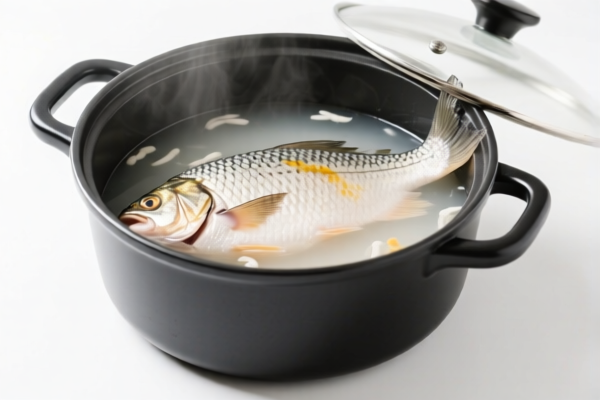
AI分析
🥘 Seafood Pot (Seafood Cooking Pot / Hot Pot)
🌐 HS Code Reference & Clearance Guide | 2024/2025 Latest Tariff Analysis | Professional Customs Strategy
📌 I. Product Definition & Classification: What Exactly Is a "Seafood Pot"?
A "Seafood Pot" (often referred to as a Seafood Hot Pot or Paella Pan) is a specialized cooking vessel designed for boiling, simmering, or steaming seafood. In international trade, its classification depends heavily on material and function. It generally falls into two main categories:
1. Cooking/Heating Appliances (Electronic/Non-Electric):
If the pot is part of a heating apparatus (e.g., an electric hot pot base) or is primarily defined as a device for heating food, it may fall under Chapter 84 (Machinery and Mechanical Appliances).
2. Tableware & Kitchen Utensils (Non-Metallic or Metallic):
If it is a simple cooking vessel without mechanical heating components, classified by its material (ceramic, stainless steel, etc.), it falls under Chapter 69 (Ceramics) or Chapter 73 (Articles of Iron/Steel).
⚠️ Key Distinction Point:
- If it has an integrated heating element or is sold as a "cooking appliance" → Chapter 84
- If it is a standalone vessel (pot/pan) made of non-metallic material → Chapter 69
- If it is a standalone vessel made of stainless steel/iron → Chapter 73
📦 II. HS Code Classification Details (Based on Provided Data)
| HS Code | Product Description | Application Scenario | Material/Function Logic |
|--------|--------------------------|--------------------------|
| 8419.81.90.40 | Cooking/Heating Equipment | Electronic hot pots, induction-compatible cooking devices | Cooking/Heating device; Material inferred as heat-resistant metal/composite. |
| 6912.00.48.10 | Ceramic/Tableware | Ceramic seafood pots, clay pots, non-metallic kitchenware | Tableware/kitchen utensil; No material conflict for food contact. |
| 8419.81.50.80 | Cooking/Heating Apparatus | Specific heating devices for seafood preparation | Cooking/heating apparatus; Specific application instance of heating devices. |
| 7323.93.00.45 | Stainless Steel Articles | Stainless steel seafood pots, pans, cookware | Metallic household kitchenware; Material inferred as stainless steel. |
| 7323.93.00.15 | Metal Cookware (General) | Metal seafood pots, general metal kitchen utensils | Cooking/kitchen utensil; Material inferred as metal (generic). |
🔍 Key Reminder:
- Electronic/Heating Pots: Must be declared under 8419. Misdeclaring an electric pot as simple tableware (6912or7323) can lead to significant duty discrepancies and customs delays.
- Material Matters: For 7323, the high tariff (62%) is due to specific anti-dumping/countervailing duties on steel/aluminum/copper products from China. If the pot is ceramic, use 6912 to avoid these penalties.
💰 III. 2024/2025 Latest Tariff Rate Breakdown (Including Surcharges & Policy Add-ons)
✅ Applicable Country: United States (US)
✅ Origin: China (CN)
✅ Effective Date: Current Trade Policies (Section 301 & 122)
🎯 1. 8419.81.90.40 & 8419.81.50.80 —— Cooking/Heating Equipment (Non-Electric or Specific Electric Appliances)
| Item | Content |
|---|---|
| Base Duty Rate | 0% (ad valorem) |
| Section 301 Surcharges | +7.5% (Specific to this subheading) |
| Section 122 Duties | +10% (Targeted import relief for certain steel/aluminum/copper products, though sometimes applied to related categories) |
| Total Rate | 17.5% |
| Tax Calculation | CIF Value × 17.5% |
| De Minimis Eligibility | ❌ No (Deny de minimis for Section 301 goods) |
| Legal Basis Path | USITC:8419.81.90.40 → FOOTNOTE:Section 301 → Section 122 |
📌 Explanation:
- 7.5% is the specific Section 301 additional duty for this cooking equipment category.
- 10% is the Section 122 duty, which may apply depending on the specific "heating apparatus" nature and origin.
- Total 17.5% is significantly lower than the stainless steel cookware rate.
🎯 2. 6912.00.48.10 —— Ceramic/Tableware (Non-Metallic)
| Item | Content |
|---|---|
| Base Duty Rate | 9.8% (ad valorem) |
| Section 301 Surcharges | 0% (Not applicable to this specific ceramic subheading) |
| Section 122 Duties | +10% |
| Total Rate | 19.8% |
| Tax Calculation | CIF Value × 19.8% |
| De Minimis Eligibility | ❌ No (Due to Section 122) |
| Legal Basis Path | USITC:6912.00.48.10 → Section 122 |
📌 Note:
- While the base duty is higher (9.8%), the absence of the 7.5% Section 301 charge makes it competitive.
- The 10% Section 122 duty still applies.
- Best for: Ceramic, clay, or non-metallic seafood pots.
🎯 3. 7323.93.00.45 & 7323.93.00.15 —— Stainless Steel/Metal Cookware (HIGH RISK)
| Item | Content |
|---|---|
| Base Duty Rate | 2.0% (ad valorem) |
| Section 301 Surcharges | 0% (Not applicable to this specific metal cookware subheading) |
| Section 122 Duties | +10% |
| Steel/Aluminum/Copper Surcharges | +50% (Targeted import relief duties on steel/copper/aluminum products) |
| Total Rate | 62.0% |
| Tax Calculation | CIF Value × 62.0% |
| De Minimis Eligibility | ❌ No (Highly restricted) |
| Legal Basis Path | USITC:7323.93.00.45 → Section 122 → Steel/Copper Surcharge |
📌 Critical Warning:
- The 50% surcharge on steel/copper/aluminum products is the main driver.
- If your seafood pot is made of stainless steel, you face a 62% total tariff.
- Strategy: If possible, consider if the product can be classified as a "cooking appliance" (8419) or if it has non-metallic components that might allow reclassification, though this is risky. Otherwise, the cost impact is severe.
🛠️ IV. Customs Clearance Practical Advice (Avoid Pitfalls)
✅ 1. Required Documentation Checklist (None Can Be Missing)
| Document | Must Provide | Explanation |
|---|---|---|
| ✅ Product Specifications | ✔️ | Include dimensions, weight, material composition (e.g., "304 Stainless Steel", "Ceramic"), and capacity. |
| ✅ Material Declaration | ✔️ | Crucial for distinguishing between 6912 (Ceramic) and 7323 (Steel). Misdeclaration leads to 62% vs 17.5% difference. |
| ✅ Product Photos | ✔️ | Clear images showing the pot, any heating elements, handles, and labels. |
| ✅ Commercial Invoice | ✔️ | Must accurately describe the item as "Seafood Cooking Pot" or "Stainless Steel Pot" and state the correct HS Code. |
| ✅ Packaging List | ✔️ | Detail contents to ensure no accessories (like electric bases) are overlooked if classified as pure cookware. |
| ✅ Certificate of Origin | ✔️ | Required for Section 301/122 duty assessments. |
✅ 2. Declaration Tips (Key Mnemonics)
🔥 “Material First, Function Second; Steel is Expensive, Ceramic is Moderate, Appliances are Cheaper!”
| Scenario | Correct Declaration | Wrong Practice |
|---|---|---|
| Electric Seafood Pot | 8419.81.90.40 or 8419.81.50.80 |
Misdeclare as "Pot" → 62% or 19.8% |
| Ceramic Clay Pot | 6912.00.48.10 |
Misdeclare as "Steel Pot" → 62% |
| Stainless Steel Pot | 7323.93.00.45 |
Ignore surcharges → Unexpected 62% bill |
| Pot + Electric Base (Sold Separately) | Declare separately | Combine → Complex classification, higher risk |
✅ 3. Special Case Handling
| Scenario | Handling Advice |
|---|---|
| OEM Custom Pots | Provide customer orders and design specs. Avoid vague terms like "Kitchen Item." |
| Mixed Material (Steel Exterior, Ceramic Interior) | Consult a customs broker. Usually, the primary material determines classification, but complex structures may require detailed technical data. |
| Seafood Pot with Integrated Electric Heater | Must be declared under Chapter 84 (8419). Do not declare under Chapter 73. |
| Non-Stick Coated Steel Pot | Still 7323. The coating does not change the base material classification for duty purposes. |
🌍 V. Global Market Clearance Comparison (2024/2025 Latest)
| Country/Region | Recommended HS Code | Tariff (China Origin) | Certification Requirements | Notes |
|---|---|---|---|---|
| 🇺🇸 USA | 8419.81.90.40 (Appliance) |
17.5% | N/A (General) | Lowest Risk: Avoids 50% steel surcharge. |
| 🇺🇸 USA | 6912.00.48.10 (Ceramic) |
19.8% | N/A | Medium Cost: No Section 301, but has Section 122. |
| 🇺🇸 USA | 7323.93.00.45 (Steel) |
62.0% | N/A | High Cost: 50% surcharge on steel products. |
| 🇨🇳 China | 7323.93.00.15 |
2.0% | CCC (if electric) | No additional anti-dumping duties for domestic trade. |
| 🇪🇺 EU | 7323.93.00 |
4.2% | LFGB, Food Contact Safe | No Section 122/301 equivalents. |
| 🇯🇵 Japan | 7323.93.00 |
0% | Food Sanitation Law | Zero duty for many stainless steel articles. |
📌 Conclusion:
- For the US Market: If your product is electric, use8419(17.5%). If it is ceramic, use6912(19.8%). Avoid7323(62%) unless absolutely necessary, as the cost is prohibitive.
- For Non-US Markets: Stainless steel pots (7323) are generally much cheaper to import.
📌 VI. Common Errors & Pitfall Guide (Lessons Learned)
❌ Error 1: Declaring an electric seafood pot as a ceramic pot (6912)
👉 Consequence: Customs seizure, penalties, and potential fraud charges. The heating element changes the fundamental nature of the product.
❌ Error 2: Declaring a stainless steel pot as a ceramic pot to avoid the 50% surcharge
👉 Consequence: High risk of audit. If tested and found to be steel, you will owe the difference (62% - 19.8% = 42.2%) plus penalties.
❌ Error 3: Ignoring the Section 122 10% duty
👉 Consequence: Underestimation of total landed cost. All three categories above include a 10% Section 122 duty for China-origin goods.
❌ Error 4: Using generic terms like "Cookware" in the commercial invoice
👉 Consequence: Customs may assign a default HS Code, which could be the highest tax bracket. Be specific: "Stainless Steel Seafood Hot Pot" or "Ceramic Seafood Boiler."
✅ Correct Approach:
“Stainless Steel Seafood Pot, Non-Electric, 5L Capacity, Model XYZ” →
7323.93.00.45(62%)
“Electric Seafood Hot Pot, 120V, Model XYZ” →8419.81.90.40(17.5%)
“Ceramic Seafood Clay Pot, Model XYZ” →6912.00.48.10(19.8%)
🎯 VII. Conclusion: Professional Declaration, Cost Optimization, and Efficiency
🎯 Remember the Key Takeaways:
🔹 “Electric? Go 8419 (17.5%). Ceramic? Go 6912 (19.8%). Steel? Avoid 7323 (62%)!”
🔹 “Section 122 is always 10%. Section 301 is 7.5% for appliances. Steel surcharge is 50%.”
📌 Pro Tip:
If you are importing stainless steel pots to the US, consider:
1. Value Engineering: Can you add a non-metallic component (e.g., wooden handle, ceramic coating) to justify a different classification? (Consult a customs broker).
2. Supply Chain Adjustment: Source from countries not subject to the steel surcharge (e.g., Vietnam, Mexico) if applicable.
3. Pre-Ruling: Apply for an Advance Ruling (CBP Ruling) from US Customs to confirm the HS Code before shipping, avoiding surprise bills.
📣 Immediate Action:
📞 Contact a licensed customs broker.
📄 Provide detailed product photos and material specs.
🚀 Optimize your HS Code to save up to 44.5% in duties!
✨ Professional Customs Clearance Starts with Accurate Classification!
💼 Every cent counts in international trade!
用户评价
关于 HS 编码归类
协调制度(HS)是由世界海关组织(WCO)制定的国际贸易商品分类标准。全球 200 多个国家采用 HS 系统作为海关关税、贸易统计和进出口监管的基础。
每个 HS 编码遵循以下层级结构:
- 章(2 位)——商品大类(例如:第 84 章:机器和机械设备)
- 品目(4 位)——章内的更具体分类
- 子目(6 位)——国际通用细分,所有 WCO 成员国统一使用
- 本国细分(8-10 位)——各国自行扩展的细分编码,如美国 HTSUS 10 位编码
正确的 HS 编码归类对于顺利通关、准确缴纳关税和遵守贸易法规至关重要。错误归类可能导致海关延误、多缴关税或罚款。
从CN进口到US时,适用的关税税率可能包括:
- 最惠国(MFN)税率——适用于 WTO 成员国的标准关税税率
- 普通税率——适用于无贸易协定国家
- 贸易救济关税——附加关税,如 301 条款(反倾销)、232 条款(国家安全)或反补贴税
本页内容仅供参考。如需正式归类,请咨询当地海关或持牌报关代理。