Sealing Synthetic Rubber
CN → US| HS编码 | 关税税率 | 原产国 | 目的国 | 文档 |
|---|---|---|---|---|
| 4002990000 | 35.0% | CN | US | 官方文档 |
| 4002190019 | 35.0% | CN | US | 官方文档 |
| 3506915000 | 37.1% | CN | US | 官方文档 |
| 4016993510 | 35.0% | CN | US | 官方文档 |
| 4016935010 | 37.5% | CN | US | 官方文档 |
商品图片
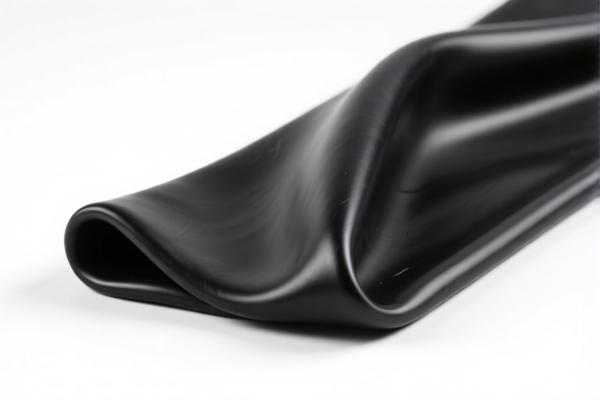
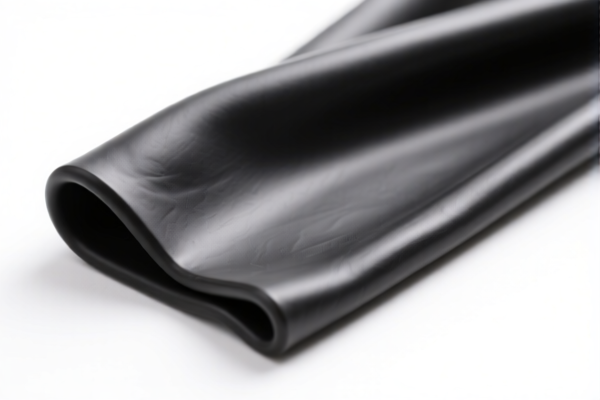
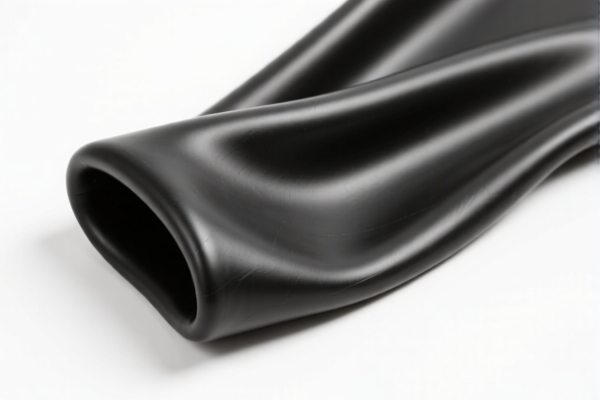
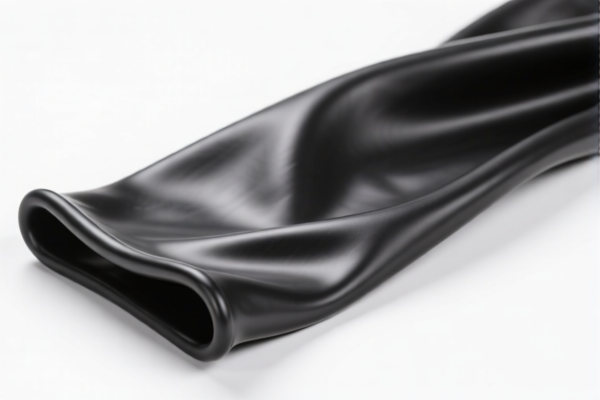
AI分析
🛡️ Sealing Synthetic Rubber (Flame Retardant & General Purpose)
🌐 HS Code Reference & Customs Clearance Guide | 2026 Latest Tariff Analysis | Professional Clearance Strategy
📌 I. Product Definition & Classification: Do You Really Understand "Sealing Synthetic Rubber"?
"Sealing Synthetic Rubber" is a broad term in international trade, primarily referring to rubber products used for sealing, gasketing, or insulating purposes. The classification depends heavily on the material composition (Synthetic vs. Natural) and the form/function (Raw material vs. Finished Article).
In the provided , we encounter three distinct categories based on specific material and functional nuances:
1. Flame Retardant Synthetic Rubber (Raw/Mass Material)
Nature: Typically bulk rubber, sheets, or compound without specific final shape.
* Key Feature: "Flame retardant" is a functional property, but the primary identity is "Synthetic Rubber".
* Classification Logic:* Falls under Chapter 40 (Rubber and Articles Thereof), specifically raw/unvulcanized or semi-manufactured synthetic rubber categories.
2. Natural Rubber Seals (Finished Articles)
Nature: Finished goods like O-rings, gaskets, or seals.
* Key Feature: Material is Natural Rubber.
* Classification Logic:* Falls under Chapter 40, specifically "Articles of rubber other than hard rubber" (Vulcanized rubber products).
⚠️ Critical Distinction Point:
- If the material is Synthetic Rubber and treated as a bulk/functional material → Look to 4002 or 3506 (Polymer/Chemical base).
- If the material is Natural Rubber and formed into a seal → Look to 4016 (Vulcanized Rubber Articles).
- Do NOT mix Synthetic Raw Material with Natural Finished Goods in the same declaration line.
📦 II. HS Code Classification Details (2026 Latest Tariff Authority对照)
Based strictly on the provided , here are the 5 specific HS Codes applicable to "Sealing Synthetic Rubber" scenarios:
| HS Code | Product Description | Material Base | Functional/Category Logic | Total Tax Rate |
|---|---|---|---|---|
4002.99.00.00 |
Flame Retardant Synthetic Rubber | Synthetic Rubber | Fallback/General Rule: Classified as other synthetic rubber not elsewhere specified. Fits the "bottom-line" rule for generic synthetic rubber materials. | 35.0% |
4002.19.00.19 |
Flame Retardant Synthetic Rubber | Synthetic Rubber | Functional Product: Classified as "Other" functional synthetic rubber products. Emphasizes the specific "flame retardant" utility within the synthetic rubber chapter. | 35.0% |
3506.91.50.00 |
Flame Retardant Synthetic Rubber | Synthetic Rubber | Chemical/Adhesive Basis: Based on polymer/rubber classification logic, potentially treated as a chemical preparation or adhesive compound if it lacks standard rubber article form. | 37.1% |
4016.99.35.10 |
Natural Rubber Seals | Natural Rubber | Vulcanized Articles: Finished sealing items (O-rings, gaskets) made from natural rubber. Not synthetic. | 35.0% |
4016.93.50.10 |
Natural Rubber Seals | Natural Rubber | Specific Item (Seals/O-Rings): Specifically identified as "Sealing parts / O-rings" made of natural rubber. Higher specificity leads to a slightly different rate. | 37.5% |
🔍 Key Insight:
- Synthetic Rubber items in range from 35.0% to 37.1% tax.
- Natural Rubber Seals range from 35.0% to 37.5% tax.
- Warning: Misclassifying Natural Rubber as Synthetic (or vice versa) is a major compliance risk. The material source is the primary determinant.
💰 III. 2026 Latest Tariff Rate Details (Including Surtaxes)
✅ Applicable Country: United States (US)
✅ Origin: China (CN)
✅ Effective Date: From November 10, 2025 (and subsequent imports)
🎯 1. Flame Retardant Synthetic Rubber (4002.99.00.00 & 4002.19.00.19)
| Item | Content |
|---|---|
| Base Tariff | 0.0% (Ad Valorem) |
| USITC Surtax (Section 301) | +25.0% (Standard Section 301 Tariff) |
| 122 Clause Tariff | +10.0% (Specific Chinese Import Surtax) |
| Total Tax Rate | 35.0% |
| Calculation Basis | CIF Value × 35% |
| De Minimis Eligibility | ❌ NO (Denied De Minimis / Section 321 exemption does not apply to these codes) |
| Legal Path | USITC:4002.99.00.00 → FOOTNOTE:301 + 122 Clause:10% |
📌 Explanation:
- Even though the base duty is 0%, the 25% Section 301 surtax applies to synthetic rubber from China.
- The additional 10% "122 Clause" tariff further increases the cost, resulting in a 35% total.
- Crucial: These items are NOT eligible for de minimis (gift/low-value) exemptions, meaning every shipment, no matter how small, is subject to this 35% duty.
🎯 2. Flame Retardant Synthetic Rubber (3506.91.50.00)
| Item | Content |
|---|---|
| Base Tariff | 2.1% (Ad Valorem) |
| USITC Surtax (Section 301) | +25.0% |
| 122 Clause Tariff | +10.0% |
| Total Tax Rate | 37.1% |
| Calculation Basis | CIF Value × 37.1% |
| De Minimis Eligibility | ❌ NO |
| Legal Path | USITC:3506.91.50.00 → FOOTNOTE:301 + 122 Clause:10% |
📌 Explanation:
- This code (3506) is classified under Prepared Binders or Chemical Preparations, which have a 2.1% base duty (unlike 4002 which is 0%).
- Therefore, the total tax is higher (37.1%) than the standard rubber codes.
- Risk: If your product is clearly a rubber article, classifying it here to avoid the "0% base" might be challenged if it doesn't fit the "prepared binder" definition. However, if it's a chemical compound/rubber mix, this may be the correct code.
🎯 3. Natural Rubber Seals (4016.99.35.10 & 4016.93.50.10)
A. General Natural Rubber Seals (4016.99.35.10)
| Item | Content |
|---|---|
| Base Tariff | 0.0% |
| USITC Surtax (Section 301) | +25.0% |
| 122 Clause Tariff | +10.0% |
| Total Tax Rate | 35.0% |
| Calculation Basis | CIF Value × 35% |
B. Specific O-Rings/Seals (4016.93.50.10)
| Item | Content |
|---|---|
| Base Tariff | 2.5% |
| USITC Surtax (Section 301) | +25.0% |
| 122 Clause Tariff | +10.0% |
| Total Tax Rate | 37.5% |
| Calculation Basis | CIF Value × 37.5% |
📌 Explanation:
- Natural Rubber Seals are also heavily taxed due to Section 301 and the 122 Clause.
- Specificity Matters:4016.93(O-rings/seals) has a 2.5% base rate, making it 37.5% total.
-4016.99(Other articles) has a 0% base rate, making it 35.0% total.
- Strategic Note: If your product is clearly an O-ring, customs may force you into4016.93(37.5%). If it's a complex gasket or non-standard seal,4016.99(35.0%) might be argued, but requires strong justification.
🛠️ IV. Customs Clearance Practical Advice (Battle-Tested Pitfall Guide)
✅ 1. Documentation Checklist (Non-Negotiable)
| Document | Required | Notes |
|---|---|---|
| ✅ Material Composition Statement | ✔️ | Must explicitly state "100% Synthetic Rubber" or "100% Natural Rubber". Mixed materials require detailed breakdown. |
| ✅ Flame Retardancy Test Report | ✔️ | If claiming "Flame Retardant" features for marketing or specific sub-classification, provide UL94 or similar test results. |
| ✅ Product Photos (Clear) | ✔️ | Show cross-section, shape, and any markings. Crucial to distinguish between "Raw Block" (4002) and "Finished Seal" (4016). |
| ✅ Commercial Invoice | ✔️ | Describe as: "Synthetic Rubber Compound, Flame Retardant" OR "Natural Rubber O-Ring, Size XX, Vulcanized" |
| ✅ Packing List | ✔️ | Ensure weight and quantity match invoice. |
| ✅ ISF (10+2) Filing | ✔️ | Mandatory for all shipments to the US. Late filing = $5,000 fine. |
✅ 2. Declaration Strategy (Key Mantras)
🔥 "Material First, Shape Second; Synthetic vs Natural is the Key!"
| Scenario | Correct Classification | Why? | Risk of Wrong Class |
|---|---|---|---|
| Bulk Flame-Retardant Synthetic Rubber | 4002.99.00.00 or 4002.19.00.19 |
It's a synthetic rubber product/material. Base 0% + 35% tax. | Misclassifying as 3506 increases tax to 37.1%. |
| Chemical Rubber Compound/Adhesive | 3506.91.50.00 |
If it acts as a binder or chemical prep rather than a rubber article. | Higher base duty (2.1%) → Higher total tax (37.1%). |
| Natural Rubber O-Rings | 4016.93.50.10 |
Specific subheading for O-rings/seals made of natural rubber. | Misclassifying as 4016.99 might be rejected if clearly an O-ring. Tax is 37.5%. |
| Natural Rubber Gaskets/General Seals | 4016.99.35.10 |
Other articles of natural rubber, vulcanized. | Base 0% → Total 35.0%. Best if applicable. |
✅ 3. Special Cases & Tips
| Situation | Handling Advice |
|---|---|
| Mixed Material Seals | If the seal is 80% Natural Rubber, 20% Synthetic, customs may classify based on essential character or major component. Usually, if >50% is natural, use 4016. |
| Flame Retardant Claim | Do not rely solely on "Flame Retardant" for HS Code. It’s a functional attribute, not a structural one. The HS Code is driven by what it is (Rubber), not what it does. |
| Origin Labeling | Ensure all products are clearly marked "Made in China". This triggers the 301 and 122 surtaxes automatically. |
| De Minimis Avoidance | Do NOT use 8611 (de minimis) for these HS Codes. The explicitly shows Total Tax > 0%. Even small shipments will incur duty. |
🌍 V. Global Market Comparison (2026 Snapshot)
| Country/Region | Recommended HS Code | Est. Tariff (China Origin) | Notes |
|---|---|---|---|
| 🇺🇸 USA | 4002 / 4016 |
35.0% - 37.5% | High tariffs due to Section 301 + 122 Clause. |
| 🇨🇳 China | 4002 / 4016 |
2.0% - 5.0% | Standard MFN rates. No Section 301. |
| 🇪🇺 EU | 4002 / 4016 |
4.0% - 6.7% | Standard EU Common Customs Tariff. |
| 🇨🇦 Canada | 4002 / 4016 |
0% - 5% | CUSMA benefits may apply if Canadian origin. |
| 🇲🇽 Mexico | 4002 / 4016 |
0% - 5% | USMCA benefits may apply. |
📌 Conclusion:
- The USA market is the most expensive for these goods due to political tariffs.
- Cost Saving Strategy: If possible, source synthetic rubber from non-China origins (e.g., Vietnam, Malaysia) to potentially avoid the 25% + 10% surtaxes (though rubber processing rules of origin must be strictly met).
📌 VI. Common Mistakes & Pitfall Guide (Lessons Learned)
❌ Mistake 1: Calling "Synthetic Rubber" a "Chemical Adhesive" (3506) to look fancy, but it’s actually a raw rubber block.
👉 Consequence: Customs may reject the 0% base rate claim, or charge 37.1% if 4002 is deemed more accurate. Inconsistent classification can lead to audits.
❌ Mistake 2: Declaring "Natural Rubber Seal" as "Synthetic Rubber" to fit a different budget category.
👉 Consequence: Fraud risk. Material testing will reveal natural rubber. Penalties include seizure and fines.
❌ Mistake 3: Assuming "De Minimis" applies because the item is small.
👉 Consequence: Seizure or Duty Demand. These HS Codes explicitly exclude de minimis exemption. Every box is dutiable.
❌ Mistake 4: Using generic terms like "Rubber Stuff" on the invoice.
👉 Consequence: Customs Delay. CBP will assign a generic code, likely the highest duty rate, or hold the shipment for detailed inspection.
✅ Correct Practice:
"Natural Rubber Vulcanized O-Ring, HS 4016.93.50.10, Origin: China"
OR
"Synthetic Rubber Compound, Flame Retardant, HS 4002.99.00.00, Origin: China"
🎯 VII. Conclusion: Professional Declaration, Cost Control
🎯 Remember the Mantra:
🔹 "Synthetic is 35%, Natural is 35-37%; No De Minimis, No Excuses!"
🔹 "Check Material: Natural or Synthetic? Shape: Raw or Finished?"
🔹 "301 + 122 = 35% Minimum. Plan for It!"
📌 Pro Tip:
If your volume is high, consider Applying for a Binding Ruling from CBP. A pre-defined HS code classification protects you from retrospective duty changes and penalties.
📣 Immediate Action:
📞 Consult a Customs Broker to review your specific product samples.
📦 Ensure Your Commercial Invoice accurately reflects the material (Natural vs. Synthetic) and function (Seal vs. Compound).
🚀 Avoid Surprises: Budget for the 35-37.5% duty in your landed cost calculations.
✨ Professional Customs Clearance Starts with Accurate Classification!
💼 Your Profit Margin Depends on Precise Tariff Strategy!
用户评价
关于 HS 编码归类
协调制度(HS)是由世界海关组织(WCO)制定的国际贸易商品分类标准。全球 200 多个国家采用 HS 系统作为海关关税、贸易统计和进出口监管的基础。
每个 HS 编码遵循以下层级结构:
- 章(2 位)——商品大类(例如:第 84 章:机器和机械设备)
- 品目(4 位)——章内的更具体分类
- 子目(6 位)——国际通用细分,所有 WCO 成员国统一使用
- 本国细分(8-10 位)——各国自行扩展的细分编码,如美国 HTSUS 10 位编码
正确的 HS 编码归类对于顺利通关、准确缴纳关税和遵守贸易法规至关重要。错误归类可能导致海关延误、多缴关税或罚款。
从CN进口到US时,适用的关税税率可能包括:
- 最惠国(MFN)税率——适用于 WTO 成员国的标准关税税率
- 普通税率——适用于无贸易协定国家
- 贸易救济关税——附加关税,如 301 条款(反倾销)、232 条款(国家安全)或反补贴税
本页内容仅供参考。如需正式归类,请咨询当地海关或持牌报关代理。