Seat Parts
CN → US| HS编码 | 关税税率 | 原产国 | 目的国 | 文档 |
|---|---|---|---|---|
| 7326908688 | 87.9% | CN | US | 官方文档 |
| 3926305000 | 22.8% | CN | US | 官方文档 |
| 7326190080 | 87.9% | CN | US | 官方文档 |
| 3926301000 | 24.0% | CN | US | 官方文档 |
商品图片
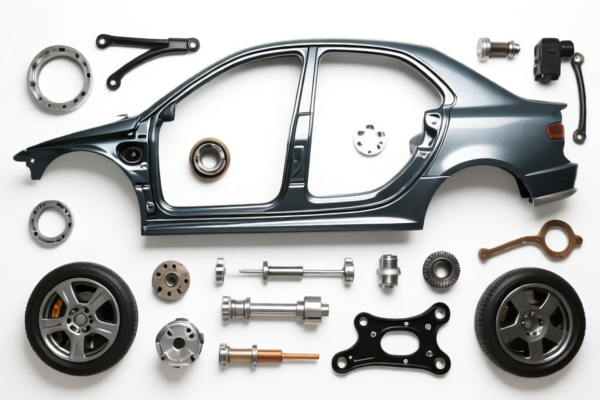
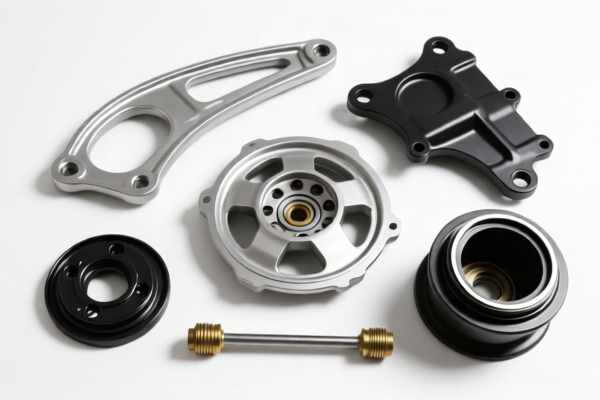
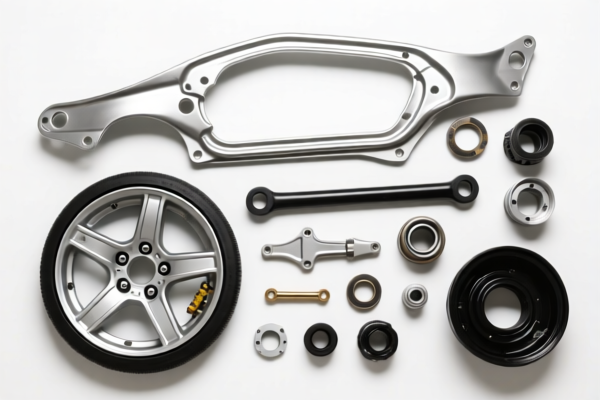
AI分析
🪑 Seat Parts (座椅部件)
🌐 HS Code Reference & Customs Clearance Guide | 2026 Latest Tariff Analysis | Professional Clearance Strategy
📌 I. Product Definition & Classification: What Are "Seat Parts"?
In international trade, "Seat Parts" are components used in the manufacturing, assembly, or repair of seating units. These can range from automotive seats, office chair mechanisms, to furniture upholstery frames. Because seats are made of various materials (metal, plastic, wood, fabric), the HS Code depends entirely on the MATERIAL and FUNCTION of the specific part.
⚠️ Key Distinction Point:
- If the part is Steel/Iron-based → Likely falls under Chapter 73 (Articles of Iron or Steel);
- If the part is Plastic/Synthetic-based → Likely falls under Chapter 39 (Plastics and Articles Thereof);
- Note: The provided data highlights significant tariff differences based on material classification, especially due to U.S. trade policies (Section 301 & Section 232).
📦 II. HS Code Classification Details (Based on Provided Data)
The following HS Codes are derived from the provided dataset. They reflect two main material categories: Steel/Iron and Plastic.
| HS Code | Product Description | Material Inference | Application Scenario |
|---|---|---|---|
7326.90.86.88 |
General Purpose Steel/Iron Articles | Iron or Steel | General steel seat components, frames, brackets not elsewhere specified. |
7326.19.00.80 |
Steel Articles for Specific Machinery/Parts | Steel | Steel seat parts inferred under parts rules. Often applies to structural steel components. |
3926.30.50.00 |
Other Plastic Articles for Furniture | Plastic / Synthetic | Plastic seat components, connectors, or parts for furniture seating. |
3926.30.10.00 |
Plastic Articles for Furniture Use | Plastic | Plastic seat parts specifically categorized under furniture utensils. |
🔍 Critical Insight:
- Steel Parts (7326...) are subject to EXTREMELY HIGH tariffs (up to 87.9%) due to Section 232 (Steel/Aluminum) and Section 301 (China) tariffs.
- Plastic Parts (3926...) have LOWER tariffs (22.8%–24.0%) but still include significant Section 301 additional duties.
- Misclassification Risk: Declaring a steel part as plastic (or vice versa) to avoid higher tariffs is a major compliance risk.
💰 III. 2026 Latest Tariff Rate Details (Including Surcharges & Policy Add-ons)
✅ Applicable Country: United States (US)
✅ Origin: China (CN)
✅ Effective Time: Ongoing (as per current trade policy)
🎯 1. 7326.90.86.88 & 7326.19.00.80 — Steel/Iron Seat Parts
| Item | Detail |
|---|---|
| Base Tariff | 2.9% (Ad Valorem) |
| Section 301 Additional Tariff | +25.0% |
| Section 232 Tariff (Steel/Aluminum/Copper) | +50.0% |
| Total Tariff Rate | 87.9% |
| Tax Calculation | CIF Value × 87.9% |
| De Minimis Exemption | ❌ Not Applicable (High-risk, high-value classification) |
| Legal Basis | USITC Footnotes for Section 232 + IEEPA Section 301 |
📌 Explanation:
- Section 232 Tariff (50%): Applies to steel articles imported under Chapter 72–73. This is the highest duty component.
- Section 301 Tariff (25%): Additional duty on Chinese-origin goods.
- Base Duty (2.9%): Standard Most Favored Nation (MFN) rate.
- Total 87.9%: This is a cost-prohibitive rate. Importers must carefully verify if the part truly qualifies as "steel" or if a different material classification is possible.
🎯 2. 3926.30.50.00 & 3926.30.10.00 — Plastic/Synthetic Seat Parts
| Item | Detail |
|---|---|
| Base Tariff | 5.3% – 6.5% (Ad Valorem) |
| Section 301 Additional Tariff | +7.5% – 10.0% |
| Total Tariff Rate | 22.8% – 24.0% |
| Tax Calculation | CIF Value × (22.8% to 24.0%) |
| De Minimis Exemption | ❌ Not Applicable (Standard commercial goods) |
| Legal Basis | USITC Footnotes for Section 301 |
📌 Explanation:
- Section 301 Tariff (7.5%–10%): Lower than steel, but still significant.
- Base Duty (5.3%–6.5%): Lower than steel base rates.
- Total 22.8%–24.0%: More favorable than steel, but still subject to trade restrictions.
- Note:3926.30.10.00has a slightly higher base rate (6.5%) but the same Section 301 rate, resulting in 24.0% total.
🛠️ IV. Customs Clearance Practical Advice (Avoiding Pitfalls)
✅ 1. Preparation Checklist (Non-Negotiable)
| Document | Required | Explanation |
|---|---|---|
| ✅ Material Certificate | ✔️ | CRITICAL: Must specify material composition (e.g., "Stainless Steel 304" vs. "ABS Plastic"). |
| ✅ Technical Drawings | ✔️ | Show dimensions, connection points, and material labels. |
| ✅ Product Photos | ✔️ | Clear images of the part, including any markings, stamps, or labels. |
| ✅ Bill of Lading / Invoice | ✔️ | Describe the item accurately (e.g., "Steel Bracket for Office Chair" vs. "Plastic Armrest"). |
| ✅ Customs Ruling (Optional) | ✔️ | Recommended for high-value shipments to pre-validate HS Code. |
✅ 2. Declaration Strategy (Key Rules)
🔥 "Material Determines Duty, Not Function Alone!"
| Scenario | Correct Declaration | Incorrect Action | Consequence |
|---|---|---|---|
| Steel Frame Component | 7326.90.86.88 or 7326.19.00.80 |
Declare as Plastic (3926...) |
87.9% vs 24% → Massive Back Taxes & Penalties |
| Plastic Connector | 3926.30.50.00 or 3926.30.10.00 |
Declare as Steel (7326...) |
Unnecessary 87.9% Duty → Overpayment |
| Mixed Material Part | Primary Material Rule | Split into multiple HS Codes incorrectly | Customs may reject or audit the entire shipment |
⚠️ Warning:
- Do NOT declare a steel part as plastic to save on tariffs. Customs uses X-ray and material analysis.
- Section 232 (Steel) is strictly enforced. If any component is steel, ensure it is correctly declared.
✅ 3. Special Cases & Mitigation
| Situation | Recommendation |
|---|---|
| OEM Components | Provide original equipment manufacturer (OEM) specifications to prove material composition. |
| Surface-Coated Steel | Still classified as Steel (7326...). Coating does not change material classification. |
| Composite Materials | If part is steel-reinforced plastic, Steel dominates → Likely 7326... (87.9%). Consult a customs broker. |
| Pre-Assembly Units | If sold as a "seat assembly," different HS Codes may apply (e.g., 9401 for furniture). However, parts are classified by material. |
🌍 V. Global Market Comparison (2026 Latest)
| Country/Region | Recommended HS Code (Steel) | Tariff (China Origin) | Tariff (Plastic) | Notes |
|---|---|---|---|---|
| 🇺🇸 USA | 7326.90.86.88 |
87.9% (Steel) | 22.8%–24.0% (Plastic) | Highest tariffs globally. Strict Section 232 & 301 enforcement. |
| 🇨🇳 China | 7326.90.86.88 |
5%–10% | 5%–8% | No Section 301/232. Much lower cost for imports into China. |
| 🇪🇺 EU | 7326.90 |
6.5% (MFN) | 5.5% (MFN) | No additional Section 301 tariffs. Standard MFN rates apply. |
| 🇯🇵 Japan | 7326.90 |
3.7% | 4.5% | Moderate tariffs. No major trade barriers for these parts. |
📌 Conclusion:
- USA is the most challenging market for steel seat parts due to 87.9% tariff.
- Plastic parts are more viable but still face ~24% duty.
- Consider supply chain diversification (e.g., sourcing from Vietnam, Mexico, or EU) to avoid Section 301/232 tariffs.
📌 VI. Common Mistakes & Pitfalls (Lessons Learned)
❌ Mistake 1: Declaring a steel bracket as a "furniture part" under 9403.90 to avoid Section 232.
👉 Result: Customs audits, 87.9% back taxes, penalties, and shipment seizure.
❌ Mistake 2: Ignoring Section 232 for steel parts.
👉 Result: 50% additional duty on top of 25% Section 301 → 87.9% total.
❌ Mistake 3: Mixing steel and plastic in one declaration without clarity.
👉 Result: Customs may classify the entire shipment under the higher steel rate.
✅ Correct Practice:
"Steel Seat Bracket, Stainless Steel 304, for Automotive Use, Model XYZ, Origin: China"
Use precise material descriptions in all documents.
🎯 VII. Conclusion: Precision is Profit
🎯 Key Takeaways:
🔹 Steel Parts = 87.9% Duty (Section 232 + 301)
🔹 Plastic Parts = 22.8%–24.0% Duty (Section 301)
🔹 Material Certificates are Non-Negotiable
🔹 Misclassification Leads to Seizures & Penalties💼 Your Bottom Line Depends on Accuracy:
- A 63% difference (87.9% vs 24%) can make or break your profit margin.
- Always verify material composition before declaring HS Codes.
📣 Immediate Action:
📞 Contact a Licensed Customs Broker for a Pre-Ruling on your specific seat parts.
📄 Request Material Certificates from your supplier.
🚀 Optimize Supply Chain: Consider non-Chinese origins for steel parts to mitigate tariffs.
✨ Professional Clearance Starts with Correct Classification!
💼 Every Percent of Duty Saved is Pure Profit!
用户评价
关于 HS 编码归类
协调制度(HS)是由世界海关组织(WCO)制定的国际贸易商品分类标准。全球 200 多个国家采用 HS 系统作为海关关税、贸易统计和进出口监管的基础。
每个 HS 编码遵循以下层级结构:
- 章(2 位)——商品大类(例如:第 84 章:机器和机械设备)
- 品目(4 位)——章内的更具体分类
- 子目(6 位)——国际通用细分,所有 WCO 成员国统一使用
- 本国细分(8-10 位)——各国自行扩展的细分编码,如美国 HTSUS 10 位编码
正确的 HS 编码归类对于顺利通关、准确缴纳关税和遵守贸易法规至关重要。错误归类可能导致海关延误、多缴关税或罚款。
从CN进口到US时,适用的关税税率可能包括:
- 最惠国(MFN)税率——适用于 WTO 成员国的标准关税税率
- 普通税率——适用于无贸易协定国家
- 贸易救济关税——附加关税,如 301 条款(反倾销)、232 条款(国家安全)或反补贴税
本页内容仅供参考。如需正式归类,请咨询当地海关或持牌报关代理。