Self adhesive Packaging Label
CN → US| HS编码 | 关税税率 | 原产国 | 目的国 | 文档 |
|---|---|---|---|---|
| 4821902000 | 35.0% | CN | US | 官方文档 |
| 3919905060 | 40.8% | CN | US | 官方文档 |
| 3919102055 | 40.8% | CN | US | 官方文档 |
| 4821102000 | 35.0% | CN | US | 官方文档 |
| 3926909989 | 22.8% | CN | US | 官方文档 |
商品图片
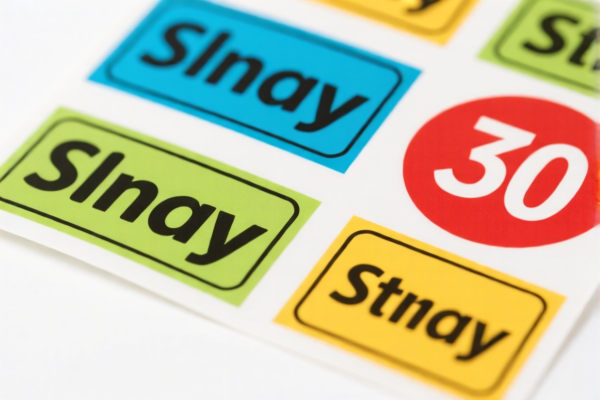
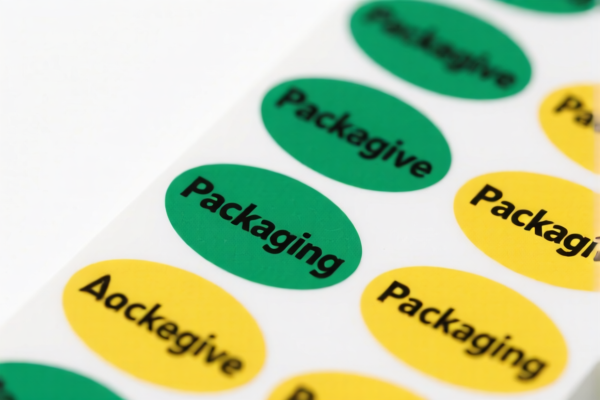
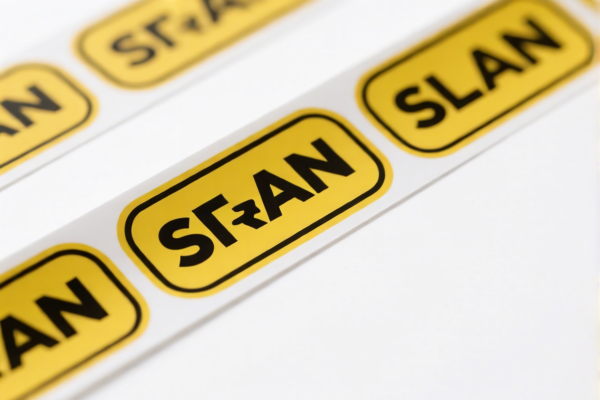
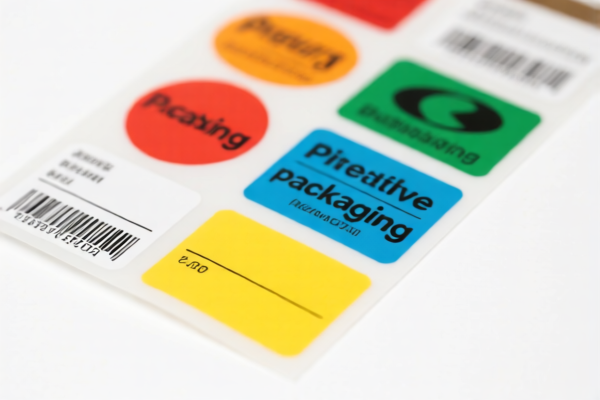
AI分析
🏷️ Self-Adhesive Packaging Labels
🌐 HS Code Reference & Customs Clearance Guide | 2026 Latest Tariff Analysis | Professional Strategy for Adhesive Labels
📌 I. Product Definition & Classification: Do You Really Understand "Labels"?
Self-adhesive labels are ubiquitous in supply chains, retail, and industrial packaging. They consist of a face material (the visible label), an adhesive, a liner (backing paper), and a release coating. In international trade, the HS Code classification depends entirely on the material composition of the face material. Misclassification leads to severe tariff discrepancies (from 22.8% to 40.8%).
Two Main Categories: 1. Paper-Based Labels: Face material is paper or cardboard. 2. Plastic/Polymer-Based Labels: Face material is plastic, film, or synthetic material.
⚠️ Key Distinction Point:
- If the label is paper-based → Check HS Codes starting with 4821
- If the label is plastic/synthetic-based → Check HS Codes starting with 3919, 3926, etc.
- Crucial: The "self-adhesive" feature is secondary to the material of the face in determining the primary chapter.
📦 II. HS Code Classification Details (2026 Latest Tariff Authority Comparison)
Based on the provided data, here are the precise classifications for Self-Adhesive Packaging Labels:
| HS Code | Product Description | Applicable Scenario | Material Base |
|---|---|---|---|
4821.90.20.00 |
Self-adhesive labels, paper/cardboard based, matching paper characteristics | Paper packaging, food labels, shipping labels (standard) | 📄 Paper/Cardboard |
3919.90.50.60 |
Self-adhesive labels, plastic-based, matching films/plates/flat shapes | Plastic packaging, durable labels, chemical labels | 🧪 Plastic/Film |
3919.10.20.55 |
Self-adhesive labels, plastic self-adhesive type, flat shape | Standard plastic adhesive rolls, synthetic paper labels | 🧪 Plastic (Self-Adhesive Class) |
4821.10.20.00 |
Self-adhesive labels, paper-based, matching label category | General purpose paper labels, retail price tags | 📄 Paper |
3926.90.99.89 |
Self-adhesive labels, plastic/composite products, other articles | Composite materials, multi-layer labels, special plastic composites | 🧩 Plastic/Composite |
🔍 Key Reminder:
- Paper vs. Plastic is the Deciding Factor:
- Paper labels fall under Chapter 48 (4821...).
- Plastic/Synthetic labels fall under Chapter 39 (3919...or3926...).
- "Self-Adhesive" Alone is Not Enough: You must specify the face material in the commercial invoice.
💰 III. 2026 Latest Tariff Rate Breakdown (Including Additional Taxes)
✅ Applicable Country: United States (US)
✅ Origin: China (CN)
✅ Effective Date: Post-2025 (Current Sanctions Apply)
🎯 1. Paper-Based Labels (Chapter 48)
📌 A. 4821.90.20.00 & 4821.10.20.00
Description: Self-adhesive labels, paper/cardboard based.
| Item | Content |
|---|---|
| Base Duty Rate | 0.0% (Ad Valorem) |
| Section 301 Additional Duty | +25.0% |
| Section 122 Duty | +10.0% |
| Total Tax Rate | 35.0% |
| Tax Calculation | CIF Value × 35.0% |
| De Minimis Eligibility | ❌ Not Eligible (High duty rate exceeds threshold) |
| Legal Basis Path | Section 301: 350 → Section 122: 122 → USITC: 4821.xx.xx.xx |
📌 Explanation:
- Paper labels enjoy a 0% base duty, making them relatively low-cost in terms of base tariff.
- However, the 35% total rate (25% + 10%) is significant.
- Note: Both4821.90.20.00and4821.10.20.00share the same 35% total tax rate.
🎯 2. Plastic-Based Labels (Chapter 39)
📌 B. 3919.90.50.60 & 3919.10.20.55
Description: Self-adhesive labels, plastic/film based.
| Item | Content |
|---|---|
| Base Duty Rate | 5.8% (Ad Valorem) |
| Section 301 Additional Duty | +25.0% |
| Section 122 Duty | +10.0% |
| Total Tax Rate | 40.8% |
| Tax Calculation | CIF Value × 40.8% |
| De Minimis Eligibility | ❌ Not Eligible |
| Legal Basis Path | IEEPA: 9903 → Section 301: 350 → Section 122: 122 → USITC: 3919.xx.xx.xx |
📌 Explanation:
- Plastic labels have a higher base duty (5.8%) compared to paper.
- The total rate of 40.8% is the highest among the listed options.
- Both3919.90.50.60(Plastic/Film) and3919.10.20.55(Self-adhesive Plastic) share this 40.8% total rate.
📌 C. 3926.90.99.89
Description: Other articles of plastics/composites (including composite self-adhesive labels).
| Item | Content |
|---|---|
| Base Duty Rate | 5.3% (Ad Valorem) |
| Section 301 Additional Duty | +7.5% |
| Section 122 Duty | +10.0% |
| Total Tax Rate | 22.8% |
| Tax Calculation | CIF Value × 22.8% |
| De Minimis Eligibility | ❌ Not Eligible |
| Legal Basis Path | Section 301: 301 (Lower tier) → Section 122: 122 → USITC: 3926.xx.xx.xx |
📌 Explanation:
- This is the most cost-effective option if your label qualifies as a "composite product" under Chapter 39.
- The Section 301 duty is reduced to 7.5% (vs. 25% for Chapter 39.19/39.10).
- Total Rate: 22.8%, which is 17.2% lower than standard plastic labels.
- Caution: This classification is for "other articles" (e.g., multi-layer composites, non-standard shapes). Standard plastic adhesive rolls usually fall under3919. Misuse can lead to audits.
🛠️ IV. Customs Clearance Practical Advice (Real-World Pitfall Avoidance)
✅ 1. Required Documentation Checklist (Non-Negotiable)
| Document | Mandatory? | Explanation |
|---|---|---|
| ✅ Commercial Invoice | ✔️ | Must clearly state "Self-Adhesive Label" and Material (Paper/Plastic). |
| ✅ Product Specifications | ✔️ | Detail: Face material, adhesive type, liner type, dimensions, roll length. |
| ✅ Material Composition Statement | ✔️ | Explicitly declare: "100% Paper" or "Polyester Film" etc. |
| ✅ Structure Diagram | ✔️ | Show layers: Release paper, adhesive, face material. |
| ✅ Photos (Label & Roll) | ✔️ | Show printed side, adhesive side, and liner. |
| ✅ Packing List | ✔️ | Include gross/net weight, number of rolls/pieces. |
✅ 2. Declaration Tips (Key Mantra)
🔥 “Material Determines Code, Paper is Cheaper, Plastic is Expensive, Composite is the Sweet Spot!”
| Scenario | Correct Declaration | Incorrect Practice |
|---|---|---|
| Paper Label | 4821.10.20.00 or 4821.90.20.00 → 35% Total |
Declare as plastic → 40.8% (Overpayment) |
| Plastic Label | 3919.90.50.60 → 40.8% Total |
Declare as paper → 35% (Underpayment → Penalty) |
| Composite Label | 3926.90.99.89 → 22.8% Total |
Declare as standard plastic → 40.8% (Missed Savings) |
| Blank Label Rolls | Same as above | Declare as "Printed Material" → Wrong Chapter |
✅ 3. Special Cases Handling
| Scenario | Handling Advice |
|---|---|
| Multi-Material Label | If label has paper face + plastic backing → Check if it meets "composite" criteria for 3926. If not, follow primary material rule. |
| Pre-Printed vs. Blank | Both fall under the same HS code based on material. Pre-printing doesn’t change classification. |
| Adhesive Type | Acrylic, Rubber-based, etc. → Does not affect HS code. Only face material matters. |
| Sample Shipments | Even for samples, if value > $800, de minimis does not apply due to high duties. Declare properly. |
🌍 V. Global Market Comparison (2026 Latest)
| Country/Region | Recommended HS Code | Total Duty (China Origin) | Notes |
|---|---|---|---|
| 🇺🇸 USA | 4821.90.20.00 (Paper) |
35.0% | High Section 301 + 122 |
| 🇺🇸 USA | 3919.90.50.60 (Plastic) |
40.8% | Highest rate among listed |
| 🇺🇸 USA | 3926.90.99.89 (Composite) |
22.8% | Best Rate if applicable |
| 🇪🇺 EU | 4821.10.00 / 3919.90 |
Varies (0-6%) | No Section 122; Lower base duties |
| 🇨🇳 China | 4821.10.00 / 3919.90 |
0-5.5% | Low import duty for domestic use |
📌 Conclusion:
- USA is the most expensive market for labels due to Section 301 (25%) and Section 122 (10%).
- Composite labels (3926) offer the lowest duty (22.8%) in the US, but require strict compliance with "composite article" definitions.
- Paper labels (35%) are more expensive than composite (22.8%) but cheaper than standard plastic (40.8%).
📌 VI. Common Errors & Pitfall Guide (Lessons Learned)
❌ Error 1: Declaring plastic labels as paper (4821)
👉 Consequence: Customs audit, back-duties of 5.8% base difference + penalties.
👉 Fix: Always verify face material with supplier.
❌ Error 2: Assuming all plastic labels are 3926
👉 Consequence: Misclassification if the product is a standard adhesive roll (3919).
👉 Fix: Only use 3926 for composite or other plastic articles. Standard adhesive films go to 3919.
❌ Error 3: Ignoring Section 122 Duty
👉 Consequence: Underpaying by 10% on all entries.
👉 Fix: Include Section 122 in all cost calculations. It applies to all listed codes.
❌ Error 4: Using vague descriptions like "Label"
👉 Consequence: Customs may assign highest default duty or hold shipment.
👉 Fix: Use "Self-Adhesive Paper Label" or "Self-Adhesive Plastic Label".
✅ Correct Practice:
"Self-Adhesive Label, 2x1 inch, Matte White Paper Face, Acrylic Adhesive, on 3-inch Core, Roll of 10,000 pcs"
🎯 VII. Conclusion: Precise Classification, Cost Control!
🎯 Key Takeaway:
🔹 Paper = 35% Total
🔹 Standard Plastic = 40.8% Total
🔹 Composite Plastic = 22.8% Total🔹 Material is King: Determine the face material first!
🔹 Composite is Key: If possible, design labels to qualify as composite articles (3926) to save 12-18% in duties.
🔹 Declare Accurately: Vague descriptions lead to audits and delays.
📌 Pro Tip:
For high-volume shipments, consider Advance Rulings (PBO) from CBP to confirm if your specific label design qualifies for 3926.90.99.89 (22.8%) instead of 3919 (40.8%). This can save tens of thousands of dollars annually.
📣 Immediate Action:
📞 Consult with a customs broker to review your label’s material composition.
🚀 Optimize your label design to potentially qualify for the 22.8% composite rate.
💼 Your label’s cost starts with its HS Code!
✨ Smart Classification, Lower Duties, Smoother Customs!
💼 Every percentage point saved is pure profit!
用户评价
关于 HS 编码归类
协调制度(HS)是由世界海关组织(WCO)制定的国际贸易商品分类标准。全球 200 多个国家采用 HS 系统作为海关关税、贸易统计和进出口监管的基础。
每个 HS 编码遵循以下层级结构:
- 章(2 位)——商品大类(例如:第 84 章:机器和机械设备)
- 品目(4 位)——章内的更具体分类
- 子目(6 位)——国际通用细分,所有 WCO 成员国统一使用
- 本国细分(8-10 位)——各国自行扩展的细分编码,如美国 HTSUS 10 位编码
正确的 HS 编码归类对于顺利通关、准确缴纳关税和遵守贸易法规至关重要。错误归类可能导致海关延误、多缴关税或罚款。
从CN进口到US时,适用的关税税率可能包括:
- 最惠国(MFN)税率——适用于 WTO 成员国的标准关税税率
- 普通税率——适用于无贸易协定国家
- 贸易救济关税——附加关税,如 301 条款(反倾销)、232 条款(国家安全)或反补贴税
本页内容仅供参考。如需正式归类,请咨询当地海关或持牌报关代理。