Self adhesive Velvet Fabric
CN → US| HS编码 | 关税税率 | 原产国 | 目的国 | 文档 |
|---|---|---|---|---|
| 5903901800 | 43.0% | CN | US | 官方文档 |
| 5903903090 | 37.7% | CN | US | 官方文档 |
| 5801229000 | 55.2% | CN | US | 官方文档 |
| 5801275020 | 53.5% | CN | US | 官方文档 |
| 6001920010 | 52.2% | CN | US | 官方文档 |
商品图片
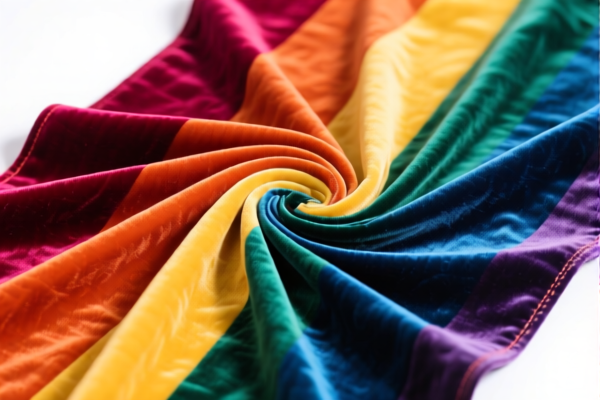
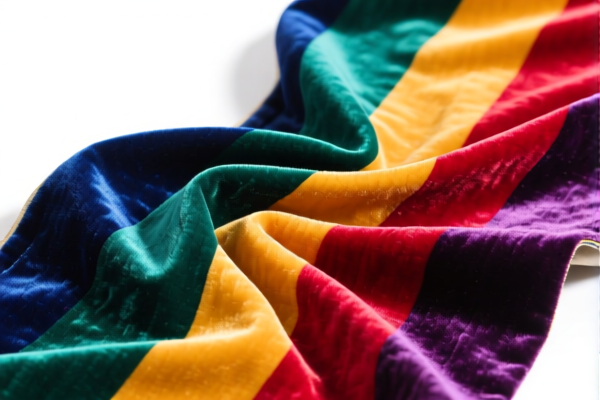
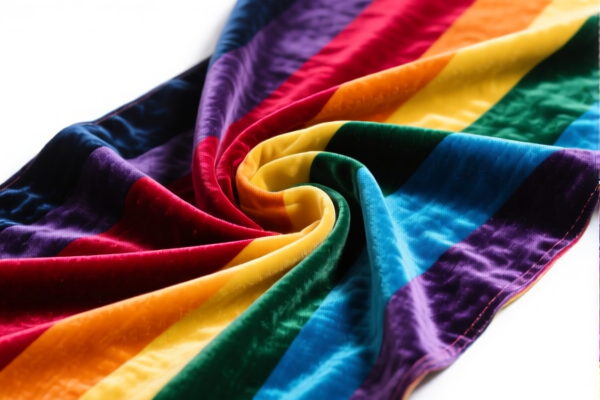
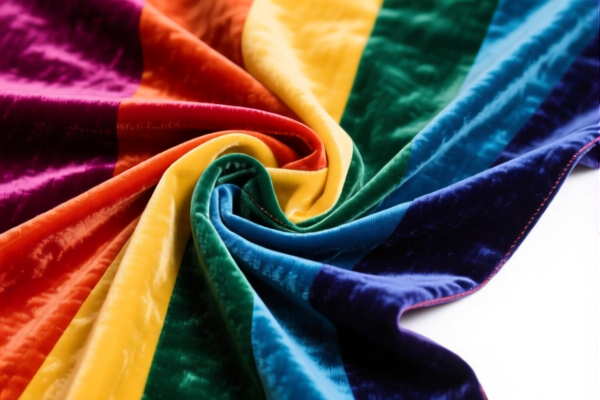
AI分析
🧵 Self-Adhesive Velvet Fabric (Adhesive Velvet Textiles)
🌐 HS Code Reference & Customs Clearance Guide | 2026 Latest Tariff Analysis | Strategic Clearance Strategy
📌 I. Product Definition & Classification: Do You Really Understand "Self-Adhesive Velvet"?
Self-Adhesive Velvet Fabric is a specialized textile composite material. It combines the aesthetic texture of velvet (plush/loomed pile fabric) with a pressure-sensitive adhesive layer. In international trade, classification depends heavily on the material composition (cotton, synthetic, other) and the specific adhesive application method (impregnated vs. non-wool inference).
⚠️ Key Distinction Points:
- If it is self-impregnated/impregnated with adhesives and matches textile forms → Likely HS 5903.
- If it is a standard woven plush/velvet (no adhesive layer implied in basic structure) → Likely HS 5801 or 6001.
- Material is King: The base fiber (Cotton vs. Other) drastically changes the tariff rate.
📦 II. HS Code Classification Details (2026 Latest Tariff Authority Match)
Based on the provided data, here are the precise mappings for "Self-Adhesive Velvet Fabric" and related velvet textiles.
| HS Code | Product Description & Logic | Application Scenario | Adhesive/Structure Status |
|---|---|---|---|
5903.90.18.00 |
Self-Adhesive Velvet Fabric: Matches textile form + Self-Adhesive Impregnation Characteristics | Decorative linings, craft applications, industrial bonding layers | ✅ Yes (Impregnated) |
5903.90.30.90 |
Self-Adhesive Velvet Fabric: Matches textile form + Non-Wool Material Inference | Non-woven or synthetic-based velvet with adhesive backing | ✅ Yes (Non-Wool) |
5801.22.90.00 |
Velvet Fabric: Matches Plush/Weft-Pile Structure + Cotton Fiber Inference | High-end curtains, apparel (if not self-adhesive, but listed for comparison) | ❌ No (Standard Woven) |
5801.27.50.20 |
Velvet Fabric: Matches Woven Plush Structure + Cotton Material Inference | Cotton-based velvet textiles for upholstery or fashion | ❌ No (Standard Woven) |
6001.92.00.10 |
Velvet Fabric: Matches Pile Fabric Form + Other Category (Unspecified Weight) | Knitted or other pile fabrics not covered by 5801 | ❌ No (Standard Pile) |
🔍 Critical Reminder:
- HS 5903 items are specifically treated as "Textiles impregnated, coated, covered or laminated with plastic substances" (or adhesives). This is a distinct category from pure woven velvets (HS 5801/6001).
- HS 5801/6001 items are treated as "Woven Knitted Pile Fabrics" without the adhesive/impregnation feature being the primary classifier.
- Do not confuse "Velvet" (the texture) with "Impregnated Textile" (the functional treatment).
💰 III. 2026 Latest Tariff Rate Breakdown (Including Additional Duties & Policies)
✅ Applicable Country: United States (US)
✅ Origin: China (CN)
✅ Effective Date: Ongoing (Includes Section 301 & Section 122 Tariffs)
🎯 1. 5903.90.18.00 – Self-Adhesive Velvet (Impregnated)
| Item | Content |
|---|---|
| Base Tariff | 8.0% |
| Section 301 Additional Tariff | +25.0% |
| Section 122 Tariff | +10.0% |
| Total Effective Rate | 43.0% |
| Tax Calculation | CIF Value × 43.0% |
| De Minimis Eligibility | ❌ Not Eligible (High tariff burden) |
| Legal Basis Path | USITC:5903.90.18.00 → FOOTNOTE:301 → FOOTNOTE:122 |
📌 Explanation:
- The 8.0% base rate reflects the standard duty for plastic-impregnated textiles.
- The 25% Section 301 tariff applies due to the Chinese origin of most such manufactured goods.
- The 10% Section 122 tariff (if currently active under specific trade authorities) adds further cost.
- Total 43% is a significant cost driver. Ensure your margin analysis accounts for this fully.
🎯 2. 5903.90.30.90 – Self-Adhesive Velvet (Non-Wool/Other)
| Item | Content |
|---|---|
| Base Tariff | 2.7% |
| Section 301 Additional Tariff | +25.0% |
| Section 122 Tariff | +10.0% |
| Total Effective Rate | 37.7% |
| Tax Calculation | CIF Value × 37.7% |
| De Minimis Eligibility | ❌ Not Eligible |
| Legal Basis Path | USITC:5903.90.30.90 → FOOTNOTE:301 → FOOTNOTE:122 |
📌 Note:
- The base rate (2.7%) is lower because this subheading often covers broader "other" adhesive textiles that are not specifically cotton or wool.
- However, the 37.7% total is still high. The difference from5903.90.18.00is purely in the base tariff (8.0% vs 2.7%).
- Optimization Tip: If your product composition allows, verify if it can legally qualify for the5903.90.30.90category (e.g., by ensuring it doesn't fall strictly into the "impregnated" definition of .18.00) to save 5.3% on the base duty.
🎯 3. 5801.22.90.00 – Velvet (Cotton Plush)
| Item | Content |
|---|---|
| Base Tariff | 20.2% |
| Section 301 Additional Tariff | +25.0% |
| Section 122 Tariff | +10.0% |
| Total Effective Rate | 55.2% |
| Tax Calculation | CIF Value × 55.2% |
| De Minimis Eligibility | ❌ Not Eligible |
| Legal Basis Path | USITC:5801.22.90.00 → FOOTNOTE:301 → FOOTNOTE:122 |
📌 Warning:
- Highest Tax Bracket. If customs determines your "Self-Adhesive" fabric is actually a standard cotton velvet with an adhesive added later (or if the adhesive is negligible), they may reclassify it here.
- Risk: This is 12.2% higher than5903.90.18.00.
🎯 4. 5801.27.50.20 – Velvet (Cotton Woven Plush)
| Item | Content |
|---|---|
| Base Tariff | 18.5% |
| Section 301 Additional Tariff | +25.0% |
| Section 122 Tariff | +10.0% |
| Total Effective Rate | 53.5% |
| Tax Calculation | CIF Value × 53.5% |
| De Minimis Eligibility | ❌ Not Eligible |
| Legal Basis Path | USITC:5801.27.50.20 → FOOTNOTE:301 → FOOTNOTE:122 |
📌 Note:
- Similar to above, high base tariff due to cotton content. Avoid misclassification.
🎯 5. 6001.92.00.10 – Velvet (Other Pile Fabric)
| Item | Content |
|---|---|
| Base Tariff | 17.2% |
| Section 301 Additional Tariff | +25.0% |
| Section 122 Tariff | +10.0% |
| Total Effective Rate | 52.2% |
| Tax Calculation | CIF Value × 52.2% |
| De Minimis Eligibility | ❌ Not Eligible |
| Legal Basis Path | USITC:6001.92.00.10 → FOOTNOTE:301 → FOOTNOTE:122 |
📌 Note:
- Applicable if the fabric is knitted or does not fit the woven definitions of 5801.
🛠️ IV. Customs Clearance Practical Advice (Real-World Pitfall Guide)
✅ 1. Preparation Checklist (Non-Negotiable)
| Document | Must Provide | Description |
|---|---|---|
| ✅ Product Specification Sheet | ✔️ | Must detail: Base material (Cotton/Polyester/etc.), Pile height, Adhesive Type (Acrylic, Rubber, etc.), Adhesive Weight. |
| ✅ Material Composition Certificate | ✔️ | Crucial for distinguishing between 5903 (Impregnated) and 5801 (Woven). |
| ✅ Product Photos (Front & Back) | ✔️ | Show the adhesive backing clearly. If visible, it supports 5903 classification. |
| ✅ Commercial Invoice | ✔️ | Description: "Self-Adhesive Velvet Fabric, Polyester Base, Acrylic Adhesive Backing". Avoid vague terms like "Velvet Cloth". |
| ✅ Origin Certificate | ✔️ | If applicable for other markets, but for US, it confirms CN origin for Section 301. |
✅ 2. Declaration Strategy (Key Mnemonics)
🔥 "Adhesive Visible? Go 5903. Base Cotton? Watch 5801. Section 301 Hits 25%."
| Scenario | Correct Declaration | Wrong Approach |
|---|---|---|
| Fabric has visible glue/adhesive backing | 5903.90.18.00 or 5903.90.30.90 |
Declare as "Velvet Curtain" → 55.2% Tax |
| Pure Woven Velvet (No Adhesive) | 5801.22.90.00 |
Declare as "Self-Adhesive" → Misclassification Penalty |
| Cotton-Based Velvet | 5801.27.50.20 |
Declare as "Synthetic" → Audit Risk |
| Knitted Pile Fabric | 6001.92.00.10 |
Declare as "Woven" → Incorrect Structure |
📌 Critical Insight:
- The presence of adhesive is the differentiator. If the adhesive is integral to the import form (e.g., peel-and-stick), HS 5903 is the correct path.
- Do not try to hide the adhesive. If customs strips the adhesive and tests the base, they will reclassify to5801(higher tax) or penalize for false declaration.
✅ 3. Special Case Handling
| Situation | Handling Suggestion |
|---|---|
| Hybrid Product (Velvet + Glue Roll) | If sold as a roll with separate glue, declare as two items: Fabric (5801) + Glue (3506). This may lower tax on the fabric portion. |
| Cotton Content > 50% | Verify if 5801.22 or 5801.27 is more appropriate. Base tariffs are high (20.2%/18.5%), so ensure the adhesive feature justifies 5903. |
| Section 122 Tariff Applicability | Current regulations vary. Confirm if Section 122 is active for your specific import date. If not, subtract 10% from total rate. |
| Transshipment via Vietnam/Mexico | If re-exported, ensure substantial transformation. Simple repackaging does not evade Section 301. |
🌍 V. Global Market Comparison (2026 Latest)
| Country/Region | Recommended HS Code | Tariff (Base + 301/Additional) | Certification Requirements | Notes |
|---|---|---|---|---|
| 🇺🇸 USA | 5903.90.18.00 / 5903.90.30.90 |
37.7% – 43.0% | None specific for fabric | Highest Cost. Section 301 is the main burden. |
| 🇨🇳 China | 5903.90.18.00 |
~5-8% (Import Tariff) | None | Lower duties for raw material import. |
| 🇪🇺 EU | 5903.20.00 (Similar) |
~3-6% | REACH Compliance | No Section 301 equivalent. Easier clearance. |
| 🇬🇧 UK | 5903.20.00 |
~3-6% | UKCA Mark (if applicable) | Post-Brexit rules align with EU. |
| 🇨🇦 Canada | 5903.20.00 |
~3-5% | Health Canada (if cosmetic) | No Section 301. Favorable for US-Canada trade. |
📌 Conclusion:
- USA is the most expensive market for this product due to Section 301 (25%) and Section 122 (10%).
- Consider supply chain diversification if targeting US exclusively.
- For EU/UK, focus on REACH compliance rather than tariff negotiation.
📌 VI. Common Mistakes & Pitfall Guide (Blood & Tears Lessons)
❌ Mistake 1: Declaring "Self-Adhesive Velvet" as "Cotton Velvet" (5801) to avoid adhesive scrutiny.
👉 Consequence: Customs detects adhesive layer → Reclassification to 5801 (55.2%) + Penalty.
💡 Fix: Accurately declare adhesive presence. Use 5903 (37.7-43%).
❌ Mistake 2: Ignoring Section 122 Tariff.
👉 Consequence: Underpayment by 10% → Back taxes + Interest.
💡 Fix: Check current trade authority status for Section 122.
❌ Mistake 3: Vague Invoice Description ("Velvet Fabric").
👉 Consequence: Customs examiner assumes highest duty (5801 at 55.2%) or requests detailed submission → Delays.
💡 Fix: Use specific descriptions: "Synthetic Self-Adhesive Velvet Fabric, Impregnated with Acrylic Adhesive, HS 5903.90.30.90".
✅ Correct Practice:
"Self-Adhesive Velvet Fabric, Polyester Base, 200 GSM, Acrylic Adhesive Backing, Roll Packaging, Model VELVET-ADH-01"
🎯 VII. Conclusion: Precision in Classification Saves 15%+ in Costs!
🎯 Remember the Mnemonic:
🔹 "Adhesive? Think 5903. Base Tariff 8% or 2.7%. Add 35% (301+122). Total 43% or 37.7%."
🔹 "No Adhesive? Think 5801. Base 18-20%. Add 35%. Total 53-55%."
🔹 "5.3% Difference is Huge! Classify Correctly!"
📌 Pro Tip:
If your fabric can be classified under 5903.90.30.90 (37.7%) instead of 5903.90.18.00 (43.0%), ensure your material specification (e.g., non-wool, specific polymer base) supports the .30.90 subheading. This saves 5.3% on the total value.
📣 Immediate Action:
📞 Contact Customs Broker + Provide Material Composition Report + Photo of Adhesive Backing
🚀 Ensure Accurate HS Code, Avoid 55% Tax Trap, Optimize Margin!
✨ Professional Customs Clearance Starts with Precise Classification!
💼 Every Percent in Tariff is Profit Lost or Gained!
用户评价
关于 HS 编码归类
协调制度(HS)是由世界海关组织(WCO)制定的国际贸易商品分类标准。全球 200 多个国家采用 HS 系统作为海关关税、贸易统计和进出口监管的基础。
每个 HS 编码遵循以下层级结构:
- 章(2 位)——商品大类(例如:第 84 章:机器和机械设备)
- 品目(4 位)——章内的更具体分类
- 子目(6 位)——国际通用细分,所有 WCO 成员国统一使用
- 本国细分(8-10 位)——各国自行扩展的细分编码,如美国 HTSUS 10 位编码
正确的 HS 编码归类对于顺利通关、准确缴纳关税和遵守贸易法规至关重要。错误归类可能导致海关延误、多缴关税或罚款。
从CN进口到US时,适用的关税税率可能包括:
- 最惠国(MFN)税率——适用于 WTO 成员国的标准关税税率
- 普通税率——适用于无贸易协定国家
- 贸易救济关税——附加关税,如 301 条款(反倾销)、232 条款(国家安全)或反补贴税
本页内容仅供参考。如需正式归类,请咨询当地海关或持牌报关代理。