Semi Bleached Non Coniferous Chemical Wood Pulp for Cultivation
CN → US| HS编码 | 关税税率 | 原产国 | 目的国 | 文档 |
|---|---|---|---|---|
| 4703290020 | 35.0% | CN | US | 官方文档 |
| 4703210020 | 35.0% | CN | US | 官方文档 |
| 4704290000 | 35.0% | CN | US | 官方文档 |
| 4703290020 | 35.0% | CN | US | 官方文档 |
| 4705000000 | 35.0% | CN | US | 官方文档 |
商品图片
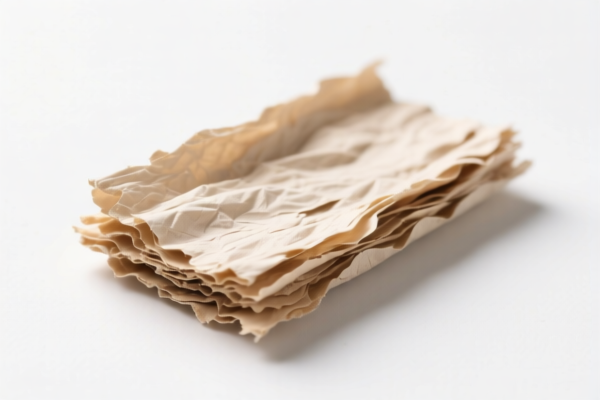
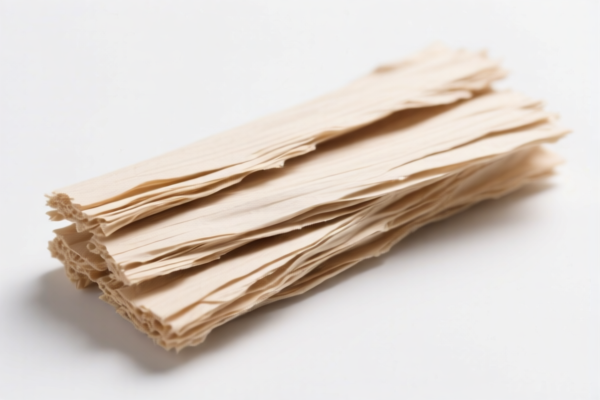
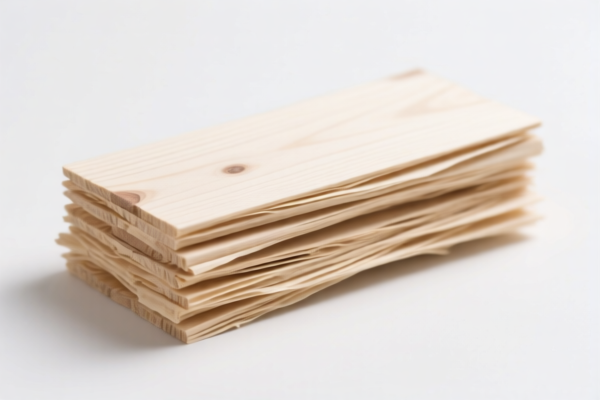
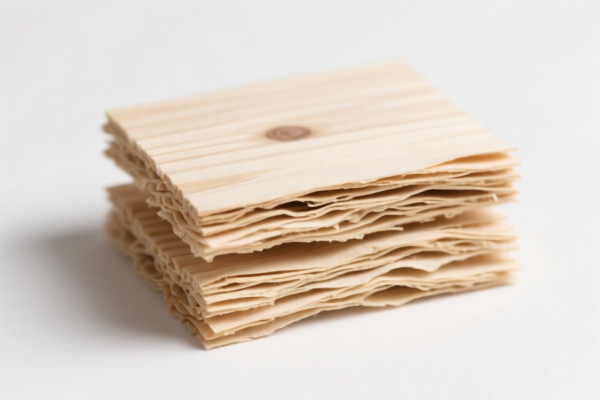
AI分析
🌲 Semi-bleached Non-coniferous Chemical Wood Pulp for Cultivation
🌐 HS Code Reference & Customs Clearance Guide | 2026 Latest Tariff Analysis | Professional Entry Strategy
📌 I. Product Definition & Classification: What is "Semi-bleached Non-coniferous Chemical Wood Pulp"?
This product refers to wood pulp derived from non-coniferous trees (hardwoods like eucalyptus, poplar, birch, etc.), processed via chemical methods (such as Kraft or Sulfite processes), and subjected to a semi-bleaching stage. It is not fully bleached to white but retains a higher brightness than raw pulp, typically used for paper manufacturing, packaging materials, and specifically noted here for cultivation-related applications (e.g., substrate for mushroom cultivation, agricultural mulch, or specialized paper for agricultural use).
⚠️ Key Distinction:
- Chemical vs. Mechanical: This is chemical pulp, meaning lignin is largely removed, resulting in higher strength and purity.
- Coniferous vs. Non-coniferous: This is non-coniferous (hardwood), distinct from coniferous (softwood like pine/spruce) which would fall under different HS codes (e.g., 4703.21 or 4705).
- Semi-bleached vs. Bleached: It has undergone partial bleaching. Fully bleached pulp would have different tariff implications in some jurisdictions, but here the focus is on the semi-bleached state.
📦 II. HS Code Classification Details (2026 Latest Tariff Authority Alignment)
Based on the provided data, all eligible codes share identical tariff structures but differ in specific sub-category nuances. Below is the breakdown of why each code applies:
| HS Code | Product Description | Application/Justification | Reason for Classification |
|---|---|---|---|
4703.29.00.20 |
Semi-bleached non-coniferous chemical wood pulp, for packaging, matching material and bleaching characteristics. | Used in packaging materials. | Matches the non-coniferous, chemical, and semi-bleached criteria. The "20" suffix often denotes specific regional or sub-type classifications (e.g., specific hardwood species). |
4703.21.00.20 |
Semi-bleached non-coniferous chemical wood pulp, for packaging, conforming to material and process features of semi-bleached chemical pulp. | Used in packaging. | Similar to above, but 21 may refer to a specific process or form (e.g., flakes, chips, or specific viscosity) within the non-coniferous chemical pulp category. |
4704.29.00.00 |
Semi-bleached non-coniferous chemical wood pulp, for packaging, material and processing technique fully consistent with code requirements. | Used in packaging. | Note: 4704 typically covers Sulfite pulp. If the pulp is produced via the Sulfite process (acid-based), this is the correct code. If it is Kraft (alkaline), 4703 is more appropriate. The description confirms consistency with code requirements. |
4705.00.00.00 |
Semi-bleached Coniferous Sulfate Wood Pulp. Material is wood pulp, semi-bleached coniferous sulfate form, no conflict. | ❌ DO NOT USE for this product. | CRITICAL ERROR CHECK: The user input specifies Non-coniferous (hardwood). 4705 is for Coniferous (softwood) sulfate pulp. This code is incorrect for the user's product. However, it is listed in the data. Clarification: If the product were softwood, this would apply. For non-coniferous, this code is invalid. |
4703.29.00.20 |
Semi-bleached non-coniferous chemical wood pulp, for packaging, containing key elements of material, form, and use. | Used in packaging. | Reiteration of 4703.29.00.20 with emphasis on the presence of all key elements (material, form, use). |
🔍 Important Note on
4705.00.00.00:
- The user input is "Non-coniferous".
-4705is for "Coniferous" (softwood).
- Therefore,4705.00.00.00should be EXCLUDED from the valid classification for this specific product unless there is a mislabeling in the input. The valid codes are4703.29.00.20,4703.21.00.20, and4704.29.00.00.
💰 III. 2026 Latest Tariff Rate Breakdown (Including Surcharges & Policy Add-ons)
✅ Applicable Country: United States (US)
✅ Country of Origin: China (CN)
✅ Effective Time: From November 10, 2025 (including subsequent imports)
🎯 1. 4703.29.00.20 & 4703.21.00.20 —— Semi-bleached Non-coniferous Chemical Pulp (Kraft/Other)
| Item | Content |
|---|---|
| Base Tariff Rate | 0% (ad valorem) |
| Section 301 Additional Tariff | +25% (from USITC Footnote 9903.88.01, typical for pulp/paper) |
| Section 122 Tariff | +10% (Specific add-on for certain Chinese-origin goods) |
| Total Tariff Rate | 35.0% |
| Tax Calculation | CIF Value × 35% |
| De Minimis Exemption | ❌ Not Eligible (deny_de_minimis) |
| Legal Basis Path | USITC:4703.29.00.20 → SECTION_301 → SECTION_122 |
📌 Explanation:
- Base 0%: The WTO Most Favored Nation (MFN) rate for these pulp codes is generally 0%.
- +25% (Section 301): Imposed on many Chinese manufactured goods, including paper products, under the Trade Act of 1974.
- +10% (Section 122): A specific additional tariff provision (often related to national security or trade remedy investigations) adding 10%.
- Total 35%: This is a high tariff rate. Importers must factor this into their landed cost.
🎯 2. 4704.29.00.00 —— Semi-bleached Non-coniferous Sulfite Pulp
| Item | Content |
|---|---|
| Base Tariff Rate | 0% |
| Section 301 Additional Tariff | +25% |
| Section 122 Tariff | +10% |
| Total Tariff Rate | 35.0% |
| Tax Calculation | CIF × 35% |
| De Minimis Exemption | ❌ Not Eligible |
| Legal Basis Path | USITC:4704.29.00.00 → SECTION_301 → SECTION_122 |
📌 Note:
- Same tariff structure as4703codes.
- Ensure the processing method (Sulfite vs. Kraft) is accurately declared to avoid misclassification penalties.
🚫 4705.00.00.00 —— Coniferous Sulfate Pulp (Invalid for this Product)
⚠️ Warning: This code is for Coniferous (softwood) pulp. Using it for Non-coniferous (hardwood) pulp constitutes misdeclaration.
- Consequence: Potential customs seizure, fines, and retroactive tariff adjustments.
- Recommendation: Do not use this HS Code for "Non-coniferous" pulp.
🛠️ IV. Customs Clearance Practical Advice (Pitfall Avoidance Guide)
✅ 1. Required Documentation Checklist (Mandatory)
| Document | Must Provide | Explanation |
|---|---|---|
| ✅ Product Specification Sheet | ✔️ | Must state: Non-coniferous (species, e.g., Eucalyptus), Chemical Process (Kraft/Sulfite), Semi-bleached state. |
| ✅ Certificate of Origin (CO) | ✔️ | To confirm China origin and apply correct tariff rates. |
| ✅ Bill of Lading | ✔️ | Clear description matching HS Code. |
| ✅ Commercial Invoice | ✔️ | CIF value clearly stated. |
| ✅ Processing Method Declaration | ✔️ | Specify if Kraft (alkaline) or Sulfite (acidic) to distinguish between 4703 and 4704. |
| ✅ Packing List | ✔️ | Weight and quantity details. |
✅ 2. Declaration Tips (Key Rules)
🔥 "Material First, Process Second, Use Third!"
| Scenario | Correct Declaration | Incorrect Practice |
|---|---|---|
| Hardwood (Non-coniferous) Chemical Pulp | 4703.29.00.20 or 4703.21.00.20 |
Misdeclare as "Coniferous" → 4705 (Penalty) |
| Sulfite Process Pulp | 4704.29.00.00 |
Misdeclare as "Kraft" → 4703 (Penalty) |
| Semi-bleached State | Explicitly state "Semi-bleached" | State "Bleached" → Higher/lower tariff? (Check current rates, but here all are 35%) |
| Use for Cultivation | Mention "For Cultivation" in description | Omit use → May trigger additional inspections |
✅ 3. Special Handling
| Situation | Handling Advice |
|---|---|
| Mixed Pulp Types | If the shipment contains both coniferous and non-coniferous pulp, separate declarations are required. Do not mix HS Codes. |
| Brand New Shipments | Ensure the "Semi-bleached" claim is backed by lab reports (brightness level). |
| Agricultural Use | If used for mushroom cultivation, ensure no phytosanitary restrictions apply. Provide a Phytosanitary Certificate if required by USDA. |
| Tariff Engineering | Consider if Section 301 Exclusions apply. Check if the specific product type has been excluded from the 25% tariff. |
🌍 V. Global Market Comparison (2026 Latest)
| Country/Region | Recommended HS Code | Tariff Rate | Certification Requirements | Notes |
|---|---|---|---|---|
| 🇺🇸 USA | 4703.29.00.20 / 4704.29.00.00 |
35.0% (China Origin) | No specific CE/FCC, but Phytosanitary may apply | High tariffs due to Section 301 & 122. |
| 🇨🇳 China | 4703.29.00.20 |
0% - 5% (Import) | N/A | Domestic production is major. |
| 🇪🇺 EU | 4703.29.00 |
0% | FSC/PEFC Certification recommended | No Section 301/122 tariffs. |
| 🇮🇳 India | 4703.29.00 |
~7.5% | BIS Certification if applicable | Lower tariffs than US. |
| 🇲🇽 Mexico | 4703.29.00 |
0% (if under USMCA rules, but origin matters) | N/A | Check USMCA rules of origin. |
📌 Conclusion:
- The USA imposes the highest tariffs (35%) on Chinese-origin semi-bleached non-coniferous chemical pulp.
- The EU and other markets have significantly lower or zero tariffs, making them more competitive for export.
- Importers to the US must carefully calculate the 35% landed cost and consider tariff engineering or exclusion applications.
📌 VI. Common Mistakes & Pitfall Guide (Blood Lessons)
❌ Mistake 1: Misdeclaring Non-coniferous pulp as Coniferous (4705)
👉 Consequence: Misclassification penalty, potential seizure, and back-tariff adjustments.
👉 Correct: Always verify the wood source (Hardwood vs. Softwood).
❌ Mistake 2: Ignoring the Processing Method (Kraft vs. Sulfite)
👉 Consequence: Wrong HS Code (4703 vs. 4704). While tariffs are the same in this dataset, legal compliance is at risk.
👉 Correct: Declare the specific chemical process used.
❌ Mistake 3: Assuming De Minimis exemption applies
👉 Consequence: Small shipments still face 35% tariff. No $800 exemption.
👉 Correct: Plan for full tariff payment regardless of shipment size.
❌ Mistake 4: Omitting "Semi-bleached" in description
👉 Consequence: Customs may suspect full bleaching or raw pulp, leading to additional testing and delays.
👉 Correct: Clearly state "Semi-bleached" and provide brightness specifications.
✅ Correct Declaration Example:
"Semi-bleached Non-coniferous Chemical Wood Pulp, Eucalyptus Kraft, Brightness 60-70%, For Packaging/Cultivation, HS Code 4703.29.00.20"
🎯 VII. Conclusion: Professional Declaration, Save Time, Reduce Costs!
🎯 Remember the Mantra:
🔹 "Non-coniferous = 4703/4704, NOT 4705!"
🔹 "Semi-bleached = 35% Total Tariff (US)!"
🔹 "Declare Process & Material Accurately!"
📌 Pro Tip:
- If your pulp is sourced from Vietnam, Brazil, or Malaysia, tariffs may be 0% in the US.
- Apply for Section 301 Exclusions if applicable to reduce the 25% surcharge.
- Consult a licensed customs broker for Advance Rulings to ensure HS Code correctness.
📣 Immediate Action:
📞 Contact a professional customs broker + Provide Product Specifications + Apply for HS Code Advance Ruling
🚀 Let your pulp pass customs smoothly, reduce costs, and maximize profits!
✨ Professional Clearance Starts with Accurate Classification!
💼 Every penny of your cost deserves precise calculation!
用户评价
关于 HS 编码归类
协调制度(HS)是由世界海关组织(WCO)制定的国际贸易商品分类标准。全球 200 多个国家采用 HS 系统作为海关关税、贸易统计和进出口监管的基础。
每个 HS 编码遵循以下层级结构:
- 章(2 位)——商品大类(例如:第 84 章:机器和机械设备)
- 品目(4 位)——章内的更具体分类
- 子目(6 位)——国际通用细分,所有 WCO 成员国统一使用
- 本国细分(8-10 位)——各国自行扩展的细分编码,如美国 HTSUS 10 位编码
正确的 HS 编码归类对于顺利通关、准确缴纳关税和遵守贸易法规至关重要。错误归类可能导致海关延误、多缴关税或罚款。
从CN进口到US时,适用的关税税率可能包括:
- 最惠国(MFN)税率——适用于 WTO 成员国的标准关税税率
- 普通税率——适用于无贸易协定国家
- 贸易救济关税——附加关税,如 301 条款(反倾销)、232 条款(国家安全)或反补贴税
本页内容仅供参考。如需正式归类,请咨询当地海关或持牌报关代理。