Semi bleached Coniferous Pulp
CN → US| HS编码 | 关税税率 | 原产国 | 目的国 | 文档 |
|---|---|---|---|---|
| 4705000000 | 35.0% | CN | US | 官方文档 |
| 4702000040 | 35.0% | CN | US | 官方文档 |
| 4703210020 | 35.0% | CN | US | 官方文档 |
| 4703290020 | 35.0% | CN | US | 官方文档 |
| 4703210020 | 35.0% | CN | US | 官方文档 |
商品图片
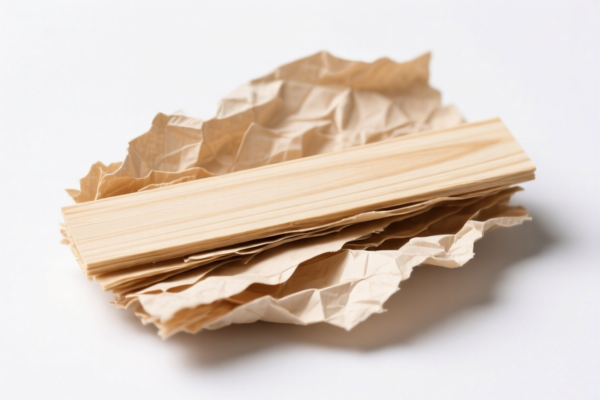
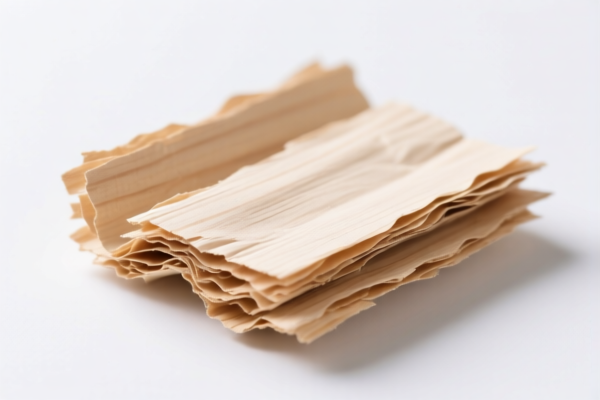
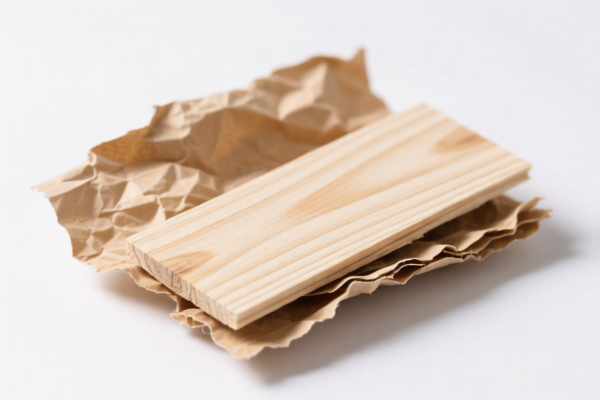
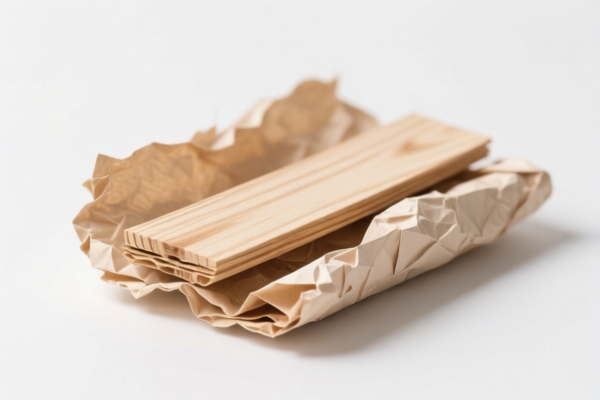
AI分析
📦 Semi-bleached Coniferous Pulp (Chemical Wood Pulp)
🌐 HS Code Reference & Customs Clearance Guide | 2026 Tariff Analysis | Professional Clearance Strategy
📌 1. Product Definition & Classification: Do You Truly Understand "Semi-bleached Coniferous Pulp"?
Semi-bleached chemical wood pulp is a critical raw material in the papermaking industry, produced by treating wood fibers (primarily conifers like pine and spruce) with chemical agents followed by partial bleaching. This process retains more lignin than fully bleached pulp, resulting in higher strength and lower brightness.
In international trade, precise classification depends on the wood species (Coniferous vs. Non-coniferous), manufacturing process (Sulfate/Kraft vs. Sulfite), and bleaching degree.
⚠️ Key Distinction Point:
- Coniferous Pulp (Needleleaf): Derived from softwood (pine, spruce, fir). Generally has longer fibers, higher strength.
- Non-Coniferous Pulp (Broadleaf): Derived from hardwood (eucalyptus, birch). Shorter fibers, better surface properties.
- Process Match: "Sulfate" or "Kraft" is the dominant industrial method for coniferous pulp. Mismatched process descriptions (e.g., calling Kraft pulp "Sulfite") can lead to customs delays.
📦 2. HS Code Classification Details (2026 Latest Tariff Authority Comparison)
Based on the provided data, the following HS Codes are applicable to Semi-bleached Coniferous Pulp. Note that some entries describe non-coniferous pulp; these are included for comparative analysis to highlight classification risks.
| HS Code | Product Description (Summary from Data) | Applicability & Reasoning |
|---|---|---|
4705.00.00.00 |
Semi-bleached Coniferous Sulfate Wood Pulp | ✅ Perfect Match: Material and code definition are completely consistent. No conflicts. |
4702.00.00.40 |
Semi-bleached Coniferous Sulfate Wood Pulp | ✅ Match: Sulfate process matches the chemical wood pulp material. |
4703.21.00.20 |
Semi-bleached Coniferous Chemical Wood Pulp | ✅ Match: Material, form, and process are all consistent with the target code definition. |
4703.29.00.20 |
Semi-bleached Non-Coniferous Chemical Wood Pulp | ⚠️ Mismatch for Input: Describes "Non-Coniferous" (Broadleaf). If your product is Coniferous, this code is incorrect. |
4703.21.00.20 |
Semi-bleached Non-Coniferous Chemical Wood Pulp | ⚠️ Mismatch for Input: Describes "Non-Coniferous". Fits the material/bleaching profile but wrong wood species for Coniferous pulp. |
🔍 Critical Warning:
- Do NOT use4703.29.00.20or the second4703.21.00.20entry if you are importing Coniferous Pulp. These codes explicitly state "Non-Coniferous" (Broadleaf). Misclassification here can lead to customs rejections or audits.
- The correct codes for Coniferous Pulp are4705.00.00.00,4702.00.00.40, or4703.21.00.20(the first one).
-4702typically refers to Chemical Wood Pulp, Dissolving Grades, while4703refers to Other Chemical Wood Pulp.4705is often used for Semi-Chemical or Specific Sulfate Pulp. Ensure your commercial invoice specifies "Dissolving Grade" if using4702.
💰 3. 2026 Latest Tariff Rate Details (Including Surtaxes & Policy Add-ons)
✅ Applicable Country: USA (US)
✅ Origin: China (CN)
✅ Effective Date: 2025-11-10 onwards (including subsequent imports)
🎯 1. All Applicable HS Codes for Semi-bleached Coniferous Pulp
| Item | Content |
|---|---|
| Basic Tariff | 0.0% (ad valorem) |
| USITC Additional Tariff | +25.0% (Under Section 301) |
| Section 122 Tariff | +10.0% (Specific trade remedy) |
| Total Tax Rate | 35.0% |
| Tax Calculation | CIF Value × 35% |
| De Minimis Exemption | ❌ Not Available (deny_de_minimis) |
| Legal Basis Path | USITC:4705.00.00.00 → FOOTNOTE:301 → SECTION122:10% |
📌 Explanation:
- The 25% USITC surtax is imposed under the Trade Act of 1974, Section 301, targeting specific Chinese imports.
- The 10% Section 122 tariff is a separate trade remedy duty.
- Total Rate: 35%. This is a high tariff rate. Importers must calculate landed costs accurately.
- No de minimis exemption applies. Even small shipments are subject to the full 35% duty.
🛠️ 4. Customs Clearance Operational Advice (Practical Pitfall Avoidance Guide)
✅ 1. Documentation Checklist (Mandatory)
| Document | Must Provide | Notes |
|---|---|---|
| ✅ Product Specification Sheet | ✔️ | Must clearly state: "Semi-bleached," "Coniferous," "Sulfate/Kraft," and "Chemical Wood Pulp." |
| ✅ Certificate of Origin (CO) | ✔️ | Essential for determining origin-based tariffs. If from Vietnam/Malaysia, tariffs may differ. |
| ✅ Commercial Invoice | ✔️ | Must explicitly use the term "Semi-bleached Coniferous Chemical Wood Pulp". Avoid vague terms like "Paper Raw Material." |
| ✅ Packing List | ✔️ | Specify package weight and dimensions. Pulp is often packed in bales or bags. |
| ✅ Third-Party Lab Report | ✔️ | Recommended to verify Lignin Content and Bleaching Degree to confirm "Semi-bleached" status. |
✅ 2. Declaration Techniques (Key Mnemonics)
🔥 "Species First, Process Second, Bleaching Degree Clear!"
| Scenario | Correct Declaration | Incorrect Practice |
|---|---|---|
| Coniferous Pulp (Sulfate) | 4705.00.00.00 or 4703.21.00.20 |
Using 4703.29.00.20 (Non-Coniferous) → Classification Error |
| Dissolving Grade Pulp | 4702.00.00.40 |
Declaring as general pulp → Potential Duty Discrepancy |
| Broadleaf Pulp (Eucalyptus) | 4703.29.00.20 |
Using Coniferous codes → Customs Audit |
| Mixed Pulp | Declare main species & process | Vague description → Delay & Penalties |
✅ 3. Special Cases Handling
| Case | Handling Advice |
|---|---|
| OEM Pulp for Specific Paper Mills | Provide end-use documentation. Some specialized dissolving grades may have different duty rates if correctly classified under 4702. |
| Pulp from Non-China Origins | If from Canada, USA, or Brazil, Section 301 tariffs do not apply. Check for standard MFN rates (often 0-5%). |
| Semi-Chemical vs. Chemical | Ensure the document states "Chemical" if using 4703 or 4702. "Semi-Chemical" may fall under 4704 or 4705 with different surtax rules. |
🌍 5. Global Main Market Clearance Comparison (2026 Latest)
| Country/Region | Recommended HS Code | Tariff (China Origin) | Certification Requirements | Notes |
|---|---|---|---|---|
| 🇺🇸 USA | 4705.00.00.00 |
35% (25% + 10%) | None specific | High tariff. De minimis not available. |
| 🇨🇳 China | 4705.00.00.00 |
0% (Import Duty) | N/A | Zero tariff for imported pulp. |
| 🇪🇺 EU | 4705.00.00 |
0% | None | Generally free trade for raw pulp. |
| 🇦🇺 Australia | 4705.00.00 |
0-5% | Depends on origin | Check FTA status. |
| 🇯🇵 Japan | 4705.00.00 |
0% | None | Low tariffs for raw materials. |
📌 Conclusion:
- USA is the only major market with significant additional tariffs (35%) for Chinese-origin semi-bleached coniferous pulp.
- EU, Japan, and China impose minimal to no tariffs, making these markets more cost-effective for importing Chinese pulp.
- Supply Chain Strategy: If importing into the US, consider sourcing from non-China origins (e.g., Canada, Sweden) to avoid the 35% surtax.
📌 6. Common Mistakes & Pitfall Guide (Blood & Tears Lessons)
❌ Mistake 1: Using 4703.29.00.20 for Coniferous Pulp
👉 Consequence: Customs rejects the declaration because "Non-Coniferous" is stated. Return Shipment or Re-declaration!
❌ Mistake 2: Not specifying "Sulfate" process for 4702.00.00.40
👉 Consequence: Customs may question the classification. If it's not dissolving grade, it should be 4703 or 4705. Clarify Product Grade!
❌ Mistake 3: Assuming De Minimis Applies
👉 Consequence: Small shipments are still subject to 35% duty. Budget for Full Duty on All Shipments!
❌ Mistake 4: Vague Description "Wood Pulp"
👉 Consequence: Customs cannot determine the correct subheading. Delays and Inspections!
✅ Correct Approach:
"Semi-bleached Coniferous Sulfate Wood Pulp, Dissolving Grade, 20kg Bales, Model XYZ, Origin China"
🎯 7. Conclusion: Professional Declaration Saves Money!
🎯 Remember Mnemonics:
🔹 "Coniferous ≠ Non-Coniferous. Check the Species!"
🔹 "35% Total Duty in USA. Budget Wisely!"
🔹 "De Minimis Does Not Apply. Pay Full Duty!"
📌 Tips:
- If your pulp is originated from Canada, USA, or EU, you can avoid the 35% US surtax.
- Consider Advance Ruling from US Customs for complex pulp classifications.
- Always verify if the pulp is "Dissolving Grade" (HS 4702) or "Non-Dissolving" (HS 4703/4705) as duties may vary slightly in detail.
📣 Immediate Action:
📞 Consult a licensed customs broker + Provide Product Spec Sheet + Apply for Advance Ruling
🚀 Ensure smooth clearance, avoid penalties, and optimize cost for your pulp imports!
✨ Professional Customs Clearance Starts with Accurate Classification!
💼 Every Cent of Duty Matters in Commodity Trade!
用户评价
关于 HS 编码归类
协调制度(HS)是由世界海关组织(WCO)制定的国际贸易商品分类标准。全球 200 多个国家采用 HS 系统作为海关关税、贸易统计和进出口监管的基础。
每个 HS 编码遵循以下层级结构:
- 章(2 位)——商品大类(例如:第 84 章:机器和机械设备)
- 品目(4 位)——章内的更具体分类
- 子目(6 位)——国际通用细分,所有 WCO 成员国统一使用
- 本国细分(8-10 位)——各国自行扩展的细分编码,如美国 HTSUS 10 位编码
正确的 HS 编码归类对于顺利通关、准确缴纳关税和遵守贸易法规至关重要。错误归类可能导致海关延误、多缴关税或罚款。
从CN进口到US时,适用的关税税率可能包括:
- 最惠国(MFN)税率——适用于 WTO 成员国的标准关税税率
- 普通税率——适用于无贸易协定国家
- 贸易救济关税——附加关税,如 301 条款(反倾销)、232 条款(国家安全)或反补贴税
本页内容仅供参考。如需正式归类,请咨询当地海关或持牌报关代理。