Semi bleached Coniferous Pulp (Paper Grade)
CN → US| HS编码 | 关税税率 | 原产国 | 目的国 | 文档 |
|---|---|---|---|---|
| 4703210020 | 35.0% | CN | US | 官方文档 |
| 4703210040 | 35.0% | CN | US | 官方文档 |
| 4704210000 | 35.0% | CN | US | 官方文档 |
| 4705000000 | 35.0% | CN | US | 官方文档 |
| 4703210020 | 35.0% | CN | US | 官方文档 |
商品图片
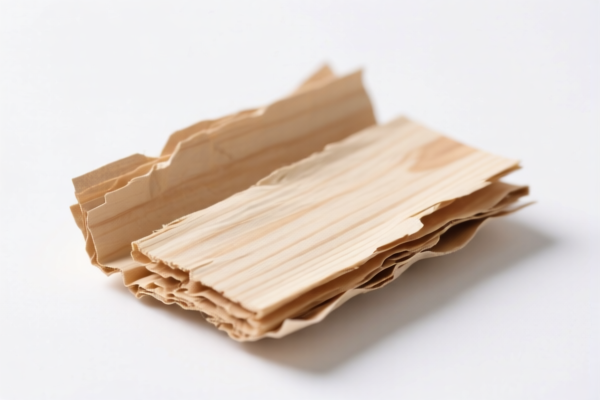
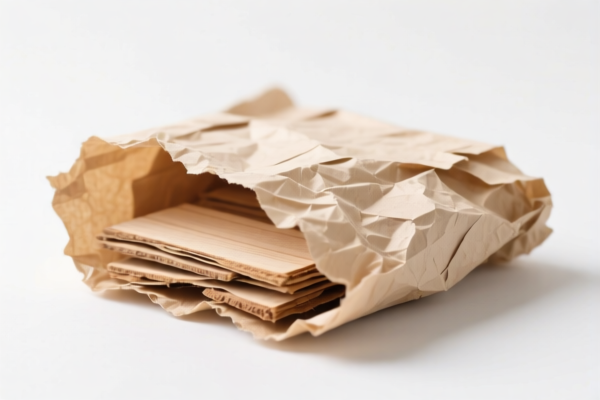
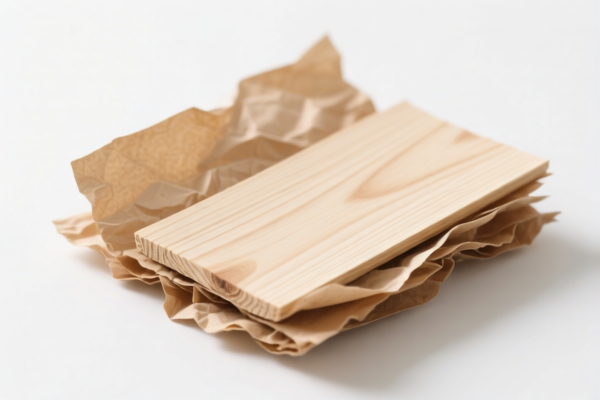
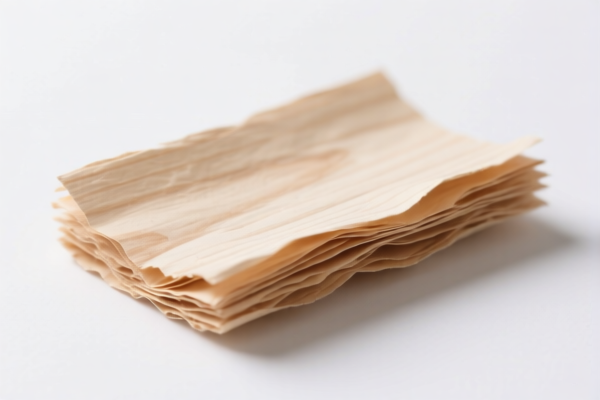
AI分析
🌲 Semi-bleached Coniferous Pulp (Paper Grade)
🌐 HS Code Reference & Customs Clearance Guide | 2026 Latest Tariff Breakdown | Professional Strategy for Wood Pulp Imports
📌 I. Product Definition & Classification: Is It Really Just "Wood"?
Semi-bleached coniferous pulp is a key raw material for high-quality paper manufacturing. In international trade, it is not a monolithic category but is strictly differentiated by chemical process (e.g., Sulfite vs. Kraft) and specific wood species characteristics. Misclassification here can lead to severe penalties due to the high附加 (additional) tariffs involved in current trade policies.
⚠️ Critical Distinction:
- Process Matters: Is it produced via Sulfite process or Kraft process?
- Wood Type: Is it specifically Coniferous (Softwood: Pine, Spruce, Fir)?
- Bleaching Level: Is it "Semi-bleached" (not fully bleached white)?
📦 II. HS Code Classification Details (2026 Latest Authority Mapping)
Based on the provided data, all entries fall under Chapter 47: Wood Pulp and Other Fibrous Cellulosic Material. Specifically, they are grouped under Heading 4703 (Chemical wood pulp, soda or sulfate, coniferous) and Heading 4704 (Chemical wood pulp, sulfite, non-coniferous – note: some entries describe semi-bleached coniferous sulfite pulp here, likely due to specific national sub-heading interpretations or cross-references).
| HS Code | Product Description | Key Matching Criteria | Tax Rate (Total) |
|---|---|---|---|
4703.21.00.20 |
Semi-bleached Coniferous Pulp | Material and processing form perfectly match printing grade pulp. | 35.0% |
4703.21.00.40 |
Semi-bleached Coniferous Pulp | Meets Chapter 47 description for coniferous pulp material and form. | 35.0% |
4704.21.00.00 |
Semi-bleached Coniferous Sulfite Pulp | Material, craft (sulfite), and form perfectly match. | 35.0% |
4705.00.00.00 |
Semi-bleached Coniferous Sulfite Pulp | Fits wood pulp material and semi-bleached craft characteristics. | 35.0% |
🔍 Key Insight:
- All listed HS codes in the dataset carry the same total tax rate of 35.0%.
- The distinction between4703(Sulfate/Kraft) and4704/4705(Sulfite) is crucial for customs inspection. Even if the final tax is the same, incorrect HS codes can trigger audits because the chemical process defines the physical properties of the pulp.
💰 III. 2026 Latest Tariff Rate Breakdown (Detailed Tax Clauses)
✅ Applicable Country: United States (US)
✅ Origin: China (CN) (Implied by the specific "122 Clause" and 10% addition typical of US-China trade actions)
✅ Effective Date: Current Trade Policy Framework
All products in the dataset are subject to a Total Tax Rate of 35.0%, composed of the following layers:
🎯 1. Base Tariff Structure
| Tax Component | Rate | Legal Basis & Explanation |
|---|---|---|
| Base Duty | 0.0% | Standard MFN (Most Favored Nation) rate for wood pulp is often 0% or low, depending on the specific subheading. |
| Section 301 Additional Duty | +25.0% | Imposed under US Trade Act Section 301. This is the primary "trade war" tariff on Chinese manufactured and semi-manufactured goods. |
| Section 122 Additional Duty | +10.0% | Imposed under Section 122 of the Trade Act of 1974 (often applied to protect domestic industries from import surges). |
| TOTAL TAX | 35.0% | Sum of Base + Sec 301 + Sec 122. |
📌 Critical Warning:
- No De Minimis Exemption: These tariffs apply to the full CIF value.
- Strict Enforcement: Wood pulp is a strategic raw material. Customs will meticulously verify the chemical process (Sulfate vs. Sulfite) and wood species (Coniferous vs. Deciduous).
- "122 Clause" Specifics: This 10% tariff is frequently updated. Ensure your broker checks the latest Federal Register for any changes to Section 122 applicability for HS 4703/4704.
🛠️ IV. Customs Clearance Practical Advice (Pitfall Avoidance Guide)
✅ 1. Documentation Checklist (Non-Negotiable)
| Document | Required? | Why It Matters |
|---|---|---|
| Certificate of Analysis (CoA) | ✔️ MUST | Must specify Kappa Number, Viscosity, and Bleaching Stage. Proves it is "Semi-bleached" and not "Unbleached" or "Fully Bleached." |
| Chemical Process Statement | ✔️ MUST | Explicitly state: "Sulfate (Kraft)" or "Sulfite". This determines if HS is 4703 or 4704/4705. |
| Wood Species Confirmation | ✔️ MUST | Confirm Coniferous (e.g., Pine, Spruce). If mixed with hardwood, HS changes to 4706 or 4707. |
| Bill of Lading / Packing List | ✔️ MUST | Must clearly state "Semi-bleached Coniferous Pulp" – do not use generic terms like "Wood Fiber." |
| Origin Certificate | ✔️ MUST | To confirm CN origin for tariff calculation. |
✅ 2. Declaration Strategy (Key Mnemonics)
🔥 "Process First, Wood Second, Bleach Third!"
| Scenario | Correct Declaration | Common Mistake | Consequence |
|---|---|---|---|
| Sulfate Process, Pine Wood, Semi-bleached | HS 4703.21.00.20 or .40 |
Misdeclare as 4704 (Sulfite) |
Audit & Delay. Customs will test for sulfur content. |
| Sulfite Process, Coniferous | HS 4704.21.00.00 or 4705.00.00.00 |
Misdeclare as 4703 |
Tax Error (though rate is same here, compliance is key). |
| Fully Bleached Pulp | Different HS Code (e.g., 4703.30.xx) | Declare as "Semi-bleached" | Fraud Penalty. Fully bleached pulp has different duties and quality standards. |
| Mixed Hardwood/Softwood | HS 4706 or 4707 | Declare as 100% Coniferous | Severe Penalty. Mixed pulp is taxed differently and may not qualify for the same "coniferous" classification. |
✅ 3. Special Handling for "Semi-bleached" Status
- Color Verification: Semi-bleached pulp is typically brownish or tan, not bright white. If the physical goods appear white, customs may suspect it is fully bleached, leading to re-classification and potential duty adjustments.
- Moisture Content: Ensure the declared moisture content matches the contract. Excess moisture can lead to weight discrepancies and tariff miscalculations.
🌍 V. Global Market Comparison (2026 Context)
| Region | Recommended HS Code | Base Tariff | Additional Tariffs (China) | Total Est. Cost | Notes |
|---|---|---|---|---|---|
| 🇺🇸 USA | 4703.21 / 4704.21 |
0% | 35% (25% Sec 301 + 10% Sec 122) | High | Strict chemical verification. |
| 🇨🇳 China | 4703.21 / 4704.21 |
0% - 5% | None | Low | Major importer of pulp. |
| 🇪🇺 EU | 4703 / 4704 |
0% | None | Low | No Section 301/122 equivalents. |
| 🇮🇳 India | 4703 / 4704 |
Varies | Varies | Medium | Check specific anti-dumping duties. |
📌 Conclusion:
- The USA is the most challenging market due to the 35% combined tariff.
- Cost Optimization: Consider sourcing from non-China origins (e.g., Brazil, Canada) if possible, as they may avoid the 25% + 10% add-ons.
- Compliance is Key: Even though the tax rate is uniform in the dataset, misclassification can lead to seizures or fines that far exceed the tax savings.
📌 VI. Common Errors & Pitfalls (Lessons Learned)
❌ Error 1: Using "Wood Pulp" as the generic description.
👉 Consequence: Customs may demand additional documentation to determine the exact chemical process, delaying clearance by 2-4 weeks.
❌ Error 2: Confusing "Semi-bleached" with "Unbleached."
👉 Consequence: Unbleached pulp (Kraft Pulp) has different HS codes and potentially different tariff treatments. Misdeclaration is considered fraud.
❌ Error 3: Ignoring the "122 Clause" in tariff calculations.
👉 Consequence: Budgeting errors. If your cost model only includes the 25% Sec 301 tariff, you will underpay by 10%, leading to surprise invoices at customs.
❌ Error 4: Assuming all coniferous pulp is 4703.
👉 Consequence: If the pulp is Sulfite-based, it should be 4704 or 4705. While the tax is the same here, incorrect HS codes create a bad trade history and increase audit risk.
✅ Correct Practice:
"Semi-bleached Coniferous Sulfate Pulp, 4703.21.00.20, 35% Total Tax, Sec 301 + Sec 122 Applicable."
🎯 VII. Conclusion: Precision in Pulp Trade
🎯 Remember the Rule:
🔹 "Process Defines HS, Origin Defines Tax, Bleach Defines Grade!"
🔹 "35% is the US Reality for Chinese Pulp – Plan Your Margin Accordingly!"
📌 Pro Tip:
If your pulp is Sulfite-based, ensure you clearly document the sulfite cooking process in the technical file. This justifies the use of HS 4704 or 4705 and distinguishes it from the more common Kraft (4703) pulp.
📣 Immediate Action:
📞 Consult your customs broker to verify the chemical process (Sulfate vs. Sulfite) before shipment.
📊 Calculate landed cost including the 35% total tariff.
🚀 Ensure your CoA matches the declared HS code to avoid detention.
✨ Accurate Classification Saves Time and Money!
💼 Every Pulp Bag is a Strategic Asset – Handle with Care!
用户评价
关于 HS 编码归类
协调制度(HS)是由世界海关组织(WCO)制定的国际贸易商品分类标准。全球 200 多个国家采用 HS 系统作为海关关税、贸易统计和进出口监管的基础。
每个 HS 编码遵循以下层级结构:
- 章(2 位)——商品大类(例如:第 84 章:机器和机械设备)
- 品目(4 位)——章内的更具体分类
- 子目(6 位)——国际通用细分,所有 WCO 成员国统一使用
- 本国细分(8-10 位)——各国自行扩展的细分编码,如美国 HTSUS 10 位编码
正确的 HS 编码归类对于顺利通关、准确缴纳关税和遵守贸易法规至关重要。错误归类可能导致海关延误、多缴关税或罚款。
从CN进口到US时,适用的关税税率可能包括:
- 最惠国(MFN)税率——适用于 WTO 成员国的标准关税税率
- 普通税率——适用于无贸易协定国家
- 贸易救济关税——附加关税,如 301 条款(反倾销)、232 条款(国家安全)或反补贴税
本页内容仅供参考。如需正式归类,请咨询当地海关或持牌报关代理。