Semi bleached Coniferous Pulp High Strength
CN → US| HS编码 | 关税税率 | 原产国 | 目的国 | 文档 |
|---|---|---|---|---|
| 4705000000 | 35.0% | CN | US | 官方文档 |
| 4702000040 | 35.0% | CN | US | 官方文档 |
| 4703210020 | 35.0% | CN | US | 官方文档 |
| 4703290020 | 35.0% | CN | US | 官方文档 |
| 4703210020 | 35.0% | CN | US | 官方文档 |
商品图片
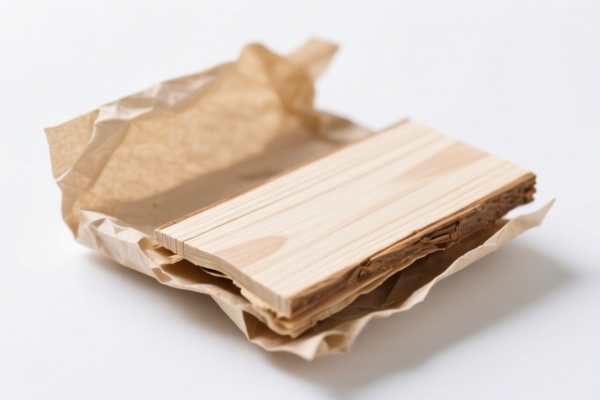
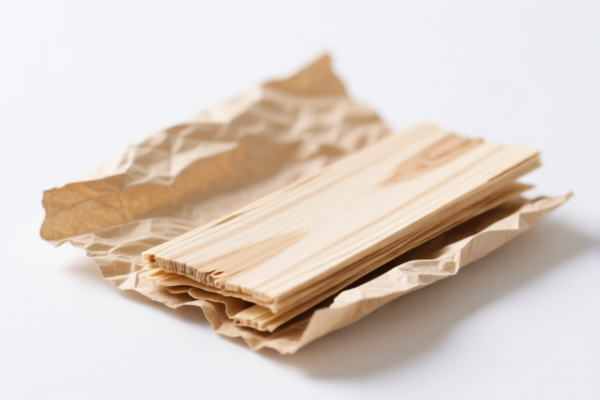
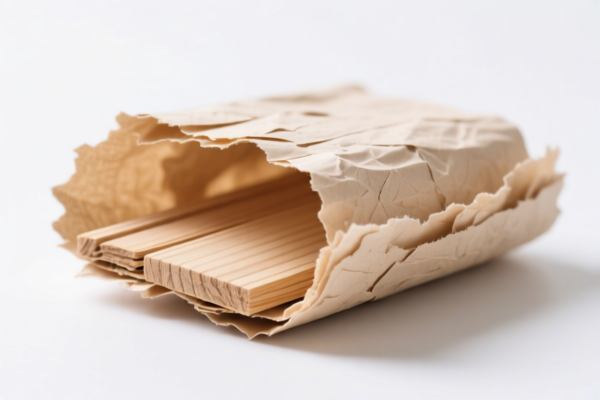
AI分析
🌲 Semi-bleached Coniferous Chemical Wood Pulp (High Strength)
🌐 HS Code Reference & Customs Clearance Guide | 2026 Latest Tariff Analysis | Professional Compliance Strategy
📌 I. Product Definition & Classification: What Exactly is "High Strength Semi-bleached Coniferous Pulp"?
Semi-bleached wood pulp, specifically coniferous (softwood) chemical pulp, is a critical raw material in the global papermaking and fiberboard industries. "High strength" refers to the mechanical properties (such as tensile index and tear resistance) inherent to softwood fibers (pine, spruce, fir), which are longer and stronger than hardwood fibers.
In international trade, this product is classified based on three key technical parameters: 1. Chemical Process: Sulfate (Kraft) or Sulfite. 2. Wood Source: Coniferous (Softwood) vs. Non-coniferous (Hardwood). 3. Bleaching Degree: Unbleached vs. Semi-bleached vs. Bleached.
⚠️ Key Classification Distinctions: - Sulfate Process: If the pulp is made via the sulfate (Kraft) process, it falls under heading 4703. - Coniferous Source: Must be specified as "Coniferous" (Softwood). Non-coniferous pulp falls under different subheadings. - Semi-bleached: The pulp has undergone slight bleaching but retains a significant portion of its lignin, giving it a characteristic color and high strength. It is distinct from "Unbleached" (yellow/brown) and "Fully Bleached" (white).
📦 II. HS Code Classification Details (2026 Latest Tariff Cross-Reference)
Based on the provided data, the product "Semi-bleached Coniferous Pulp High Strength" matches several HS codes depending on the precise manufacturing process and minor variations in the chemical method. All listed codes apply to products originating from China destined for the United States.
| HS Code | Product Description & Logic | Application Scenario | Key Matching Criteria |
|---|---|---|---|
4705.00.00.00 |
Wood Pulp, Semi-bleached Coniferous (Sulfate) | Standard Kraft softwood pulp, slightly bleached. | Exact Match: Material & Code definition are consistent. |
4702.00.00.40 |
Chemical Wood Pulp, Semi-bleached Coniferous (Sulfate) | Semi-bleached coniferous sulfate pulp. | Process Match: Sulfate process matches wood pulp material successfully. |
4703.21.00.20 |
Semi-bleached Coniferous Chemical Wood Pulp | Specific subtype of coniferous chemical pulp. | Full Consistency: Material, form, and process align perfectly with target code definition. |
4703.29.00.20 |
Semi-bleached Non-coniferous Chemical Wood Pulp | Note: Data suggests a mismatch or broader category coverage. | Material Coverage: Covers semi-bleached chemical pulp characteristics, though "Coniferous" is specified in input, this code covers non-coniferous. Caution: Verify if "Coniferous" is strictly required. |
4703.21.00.20 |
Semi-bleached Chemical Wood Pulp (General) | Broad category for semi-bleached chemical pulp. | Feature Match: Fits the material and process features of semi-bleached chemical pulp. |
🔍 Critical Reminder: - The most accurate codes for Coniferous (Softwood) pulp are
4705.00.00.00,4702.00.00.40, and4703.21.00.20. - Code4703.29.00.20is listed in the data but describes Non-coniferous pulp. If your product is strictly Coniferous, this code may be technically incorrect unless the classification system groups them broadly. Always verify the specific wood source with customs. - All listed HS codes are subject to the same tariff structure below.
💰 III. 2026 Latest Tariff Rate Breakdown (Including Surcharges & Policy Add-ons)
✅ Applicable Country: United States (US)
✅ Country of Origin: China (CN)
✅ Effective Date: November 10, 2025 (and subsequent imports)
🎯 1. HS Codes: 4705.00.00.00, 4702.00.00.40, 4703.21.00.20, 4703.29.00.20
| Item | Content |
|---|---|
| Base Tariff Rate | 0.0% (Ad Valorem) |
| USITC Additional Tariff | +25.0% (Under Section 301 of the Trade Act) |
| 122 Clause Tariff | +10.0% (Specific trade remedy/add-on tariff) |
| Total Effective Rate | 35.0% |
| Tax Calculation | CIF Value × 35% |
| De Minimis Exemption | ❌ Not Applicable (Deny de minimis) |
| Legal Basis Path | USITC:4705.00.00.00 → FOOTNOTE:301.88.01 → Section 122 Clause |
📌 Explanation: - "Base Tariff 0%": Wood pulp generally has a low or zero base MFN (Most Favored Nation) rate. - "USITC Additional Tariff 25%": This is the core Section 301 tariff imposed on Chinese goods, including wood products and pulp. - "122 Clause Tariff 10%": This refers to a specific additional tariff clause (often related to trade remedies or specific country actions). Combined with the 25%, it brings the surcharge to 35%. - Total 35%: This is a high duty rate. Importers must budget accordingly. The de minimis exemption ($800 per shipment) does not apply, meaning every shipment, regardless of value, is subject to these duties.
🛠️ IV. Customs Clearance Practical Advice (Real-world Pitfall Avoidance)
✅ 1. Required Documentation Checklist (Mandatory)
| Document | Must Provide? | Explanation |
|---|---|---|
| ✅ Product Specification Sheet | ✔️ | Must detail: Wood source (Coniferous/Softwood), Chemical Process (Sulfate/Kraft), Bleaching Degree (Semi-bleached), Moisture Content, Yield. |
| ✅ Certificate of Origin (CO) | ✔️ | To prove origin is China. May be needed for tariff determination. |
| ✅ Commercial Invoice | ✔️ | Must clearly state: "Semi-bleached Coniferous Chemical Wood Pulp", HS Code, CIF Value. |
| ✅ Packing List | ✔️ | Detail bag quantity, weight, net/gross weight. Pulp is usually packed in bales/bags. |
| ✅ Bill of Lading (B/L) | ✔️ | Standard shipping document. |
| ✅ Quality Inspection Report | ✔️ | Third-party lab report confirming "Semi-bleached" status and "Coniferous" source. |
📌 Note: Do not simplify the description to just "Wood Pulp." You must specify "Coniferous" and "Semi-bleached" to avoid customs questioning or misclassification.
✅ 2. Declaration Tips (Key Mnemonics)
🔥 "Source Clear, Process Exact, Bleach Degree Specific, Tax Avoided!"
| Scenario | Correct Declaration | Wrong Practice |
|---|---|---|
| Coniferous Pulp | Use 4705.00.00.00 or 4703.21.00.20 |
Misdeclare as "Non-coniferous" (4703.29.00.20) → High Audit Risk |
| Sulfate Process | Specify "Sulfate" or "Kraft" in description | Omit process → Customs may default to higher scrutiny or incorrect code |
| Semi-bleached | Use "Semi-bleached" term | Say "Unbleached" or "Bleached" → Wrong HS Code & Penalties |
| Bulk Shipment | Declare total CIF value | Split shipment to avoid "large volume" flags → Still liable for 35% total |
⚠️ Warning: Do not attempt to split shipments to stay under the $800 de minimis threshold. The data explicitly states deny_de_minimis for these codes. Every entry is subject to the 35% tariff.
✅ 3. Special Case Handling
| Case | Handling Advice |
|---|---|
| Mixed Wood Source | If the shipment contains both coniferous and non-coniferous pulp, they must be separated in documentation. Mislabeling can lead to reclassification and penalties. |
| Re-pulping/Recycled | If the pulp is made from recycled paper, it may fall under 4707 (Recycled paper waste), not 4702/4703/4705. Ensure your product is virgin wood pulp. |
| High Moisture Content | If moisture exceeds standard limits (usually >10-12%), it may be considered "wet pulp," which has different HS codes (e.g., 4704). Ensure moisture is within standard baled pulp specs. |
| Trade Remedy Exemptions | Check if your specific manufacturer is on the Exclusion List for Section 301 tariffs. Some companies may have obtained exemptions. Apply for an exclusion if eligible. |
🌍 V. Global Market Comparison (2026 Latest)
| Country/Region | Recommended HS Code | Tariff (China Origin) | Certification Requirements | Notes |
|---|---|---|---|---|
| 🇺🇸 United States | 4705.00.00.00 / 4703.21.00.20 |
35.0% (25% Section 301 + 10% Clause 122) | No specific agency cert. | High duty. De minimis does not apply. |
| 🇨🇳 China | 4705.00.00.00 |
0% (VAT 13% + Consumption Tax if applicable) | None | Domestic trade friendly. |
| 🇪🇺 European Union | 4705.00.00 |
0% (Standard MFN) | REACH compliance for chemicals | No Section 301 equivalent. |
| 🇯🇵 Japan | 4705.00.00 |
0% (Agreement) | None | Free trade agreement benefits may apply. |
| 🇰🇷 South Korea | 4705.00.00 |
0% (FTA) | None | KORUS/ROK-China FTA benefits. |
📌 Conclusion: - The United States is the only major market imposing a 35% tariff on this product from China due to trade policies. - For EU, Japan, and Korea, the cost is significantly lower (often 0% duty). - Strategic Suggestion: If importing into the US, consider sourcing pulp from non-China sources (e.g., Canada, Brazil, Sweden) to avoid the 35% duty, or verify if your supplier has an exclusion.
📌 VI. Common Errors & Pitfall Guide (Lessons Learned)
❌ Error 1: Misidentifying "Coniferous" as "Non-coniferous"
👉 Consequence: Incorrect HS Code (4703.29.00.20 instead of 4703.21.00.20). While tax rate is same, it triggers customs audit for misdeclaration.
❌ Error 2: Failing to declare "Semi-bleached" status
👉 Consequence: Customs may classify as "Unbleached" (4705.00.00.00 is also used for unbleached, but definition differs). If the product is actually unbleached, it might be cheaper, but if it's semi-bleached and declared as unbleached, it's fraud.
❌ Error 3: Assuming De Minimis Applies
👉 Consequence: Splitting shipments into < $800 parcels. Result: Denied entry, seizure, or forced to pay 35% on all parcels. Do not do this.
❌ Error 4: Vague Description on Invoice
👉 Consequence: "Wood Pulp" only.
👉 Result: Customs request clarification, delaying clearance. Always use: "Semi-bleached Coniferous Chemical Wood Pulp, Sulfate Process."
✅ Correct Practice:
"Semi-bleached Coniferous (Softwood) Chemical Wood Pulp, Sulfate Process, Moisture < 12%, in Bales, Model XYZ, CIF Value $100,000"
🎯 VII. Conclusion: Precise Classification Saves Money!
🎯 Remember the Mantra:
🔹 "Coniferous Specific, Semi-bleached Exact, 35% Tariff is Real, De Minimis is Dead!"
🔹 "HS Code Defines Duty, 35% Adds Up Fast, Declare Correct, Avoid Rejection!"
📌 Pro Tip:
If your supplier is a large Chinese pulp manufacturer, ask if they have Section 301 Exclusion Numbers. Some exclusions were granted for specific chemical products. If available, the 25% tariff might be waived, reducing the total to 10% (Clause 122 only). Check the USTR Exclusion List regularly.
📣 Immediate Action:
📞 Contact your freight forwarder + Provide Product Specs + Verify Section 301 Exclusions
🚀 Ensure smooth customs clearance, avoid delays, and manage costs effectively!
✨ Professional Customs Compliance Starts with Accurate Classification!
💼 Your Every Dollar, Worth Precise Calculation!
用户评价
关于 HS 编码归类
协调制度(HS)是由世界海关组织(WCO)制定的国际贸易商品分类标准。全球 200 多个国家采用 HS 系统作为海关关税、贸易统计和进出口监管的基础。
每个 HS 编码遵循以下层级结构:
- 章(2 位)——商品大类(例如:第 84 章:机器和机械设备)
- 品目(4 位)——章内的更具体分类
- 子目(6 位)——国际通用细分,所有 WCO 成员国统一使用
- 本国细分(8-10 位)——各国自行扩展的细分编码,如美国 HTSUS 10 位编码
正确的 HS 编码归类对于顺利通关、准确缴纳关税和遵守贸易法规至关重要。错误归类可能导致海关延误、多缴关税或罚款。
从CN进口到US时,适用的关税税率可能包括:
- 最惠国(MFN)税率——适用于 WTO 成员国的标准关税税率
- 普通税率——适用于无贸易协定国家
- 贸易救济关税——附加关税,如 301 条款(反倾销)、232 条款(国家安全)或反补贴税
本页内容仅供参考。如需正式归类,请咨询当地海关或持牌报关代理。