Semi bleached Non coniferous Chemical Wood Pulp (for Cultivation)
CN → US| HS编码 | 关税税率 | 原产国 | 目的国 | 文档 |
|---|---|---|---|---|
| 4704290000 | 35.0% | CN | US | 官方文档 |
| 4704210000 | 35.0% | CN | US | 官方文档 |
| 4703290020 | 35.0% | CN | US | 官方文档 |
| 4703290040 | 35.0% | CN | US | 官方文档 |
| 4705000000 | 35.0% | CN | US | 官方文档 |
商品图片
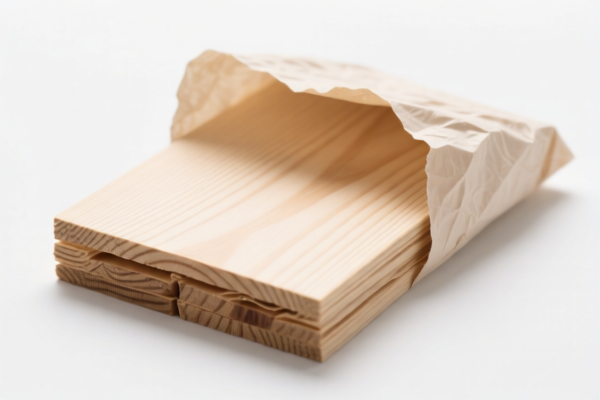
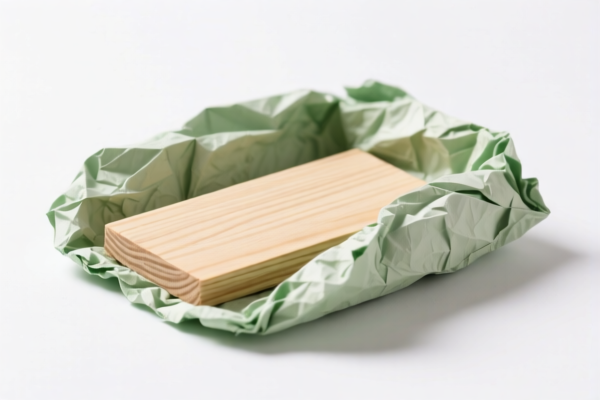
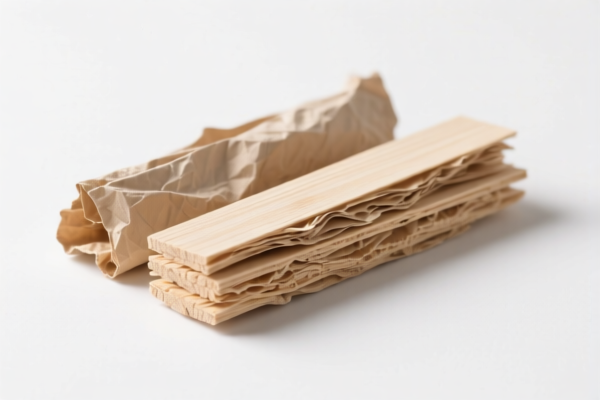
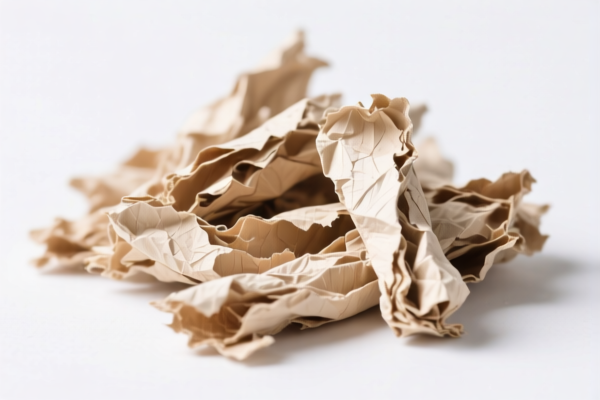
AI分析
🌲 Chemical Wood Pulp (Semi-bleached, Non-coniferous) | Cultivation Grade
🌐 HS Code Reference & Customs Clearance Guide | 2026 Latest Tariff Analysis | Professional Clearance Strategy
📌 I. Product Definition & Classification: Understanding the Pulp
Chemical wood pulp is the fundamental raw material for paper manufacturing, cardboard, and packaging materials. This specific product is Non-coniferous (Broadleaf) and Semi-bleached, intended for Cultivation (likely meaning end-use in paper production or agricultural/industrial applications derived from paper/pulp).
In international trade, the classification depends strictly on: 1. Manufacturing Process: Chemical vs. Mechanical vs. Semi-chemical. 2. Wood Origin: Coniferous (Softwood) vs. Non-coniferous (Hardwood/Broadleaf). 3. Bleaching Level: Unbleached, Semi-bleached, or Fully Bleached.
⚠️ Key Distinction:
- Chemical Pulp: Made using chemical processes (e.g., Kraft, Sulfite) to remove lignin. The fiber length is preserved. - Non-coniferous: Derived from hardwood trees (e.g., Eucalyptus, Birch, Oak). - Semi-bleached: The pulp has undergone partial bleaching, improving brightness but retaining some lignin/color compared to fully bleached pulp.
📦 II. HS Code Classification Details (2026 Latest Tariff Authority Comparison)
Based on the provided data, the product falls under Chapter 47 (Paper and Paperboard). Here is the breakdown of the recommended HS Codes:
| HS Code | Product Description | Application Scenario | Classification Logic |
|---|---|---|---|
4704.29.00.00 |
Semi-bleached chemical pulp of non-coniferous wood | Used for packaging materials, cardboard, or general paper | Matches material type (Non-coniferous) and form (Chemical Pulp). Summary confirms "Material and Form Match." |
4704.21.00.00 |
Semi-bleached chemical pulp of non-coniferous wood | General paper production, logical inference based on material category | Broadly consistent with Non-coniferous chemical pulp. Logic: If specific subtype isn't clear, this broad category applies. |
4703.29.00.20 |
Semi-bleached chemical pulp of non-coniferous wood (Sulfite) | High-quality paper, tissue, or specialty papers | Specific Match: Material and bleaching degree exactly fit classification requirements. Implies Sulfite process. |
4703.29.00.40 |
Semi-bleached chemical pulp of non-coniferous wood (Sulfite) | Industrial paper, packaging board | Specific Match: Key material and processing features fully align. Likely a specific Sulfite variant. |
4705.00.00.00 |
Semi-bleached sulfite wood pulp | Mixed wood pulps, mechanical-chemical hybrid | Mixed Process: Material is wood pulp, semi-bleached. Fits the characteristic of mechanical + chemical pulping combination. |
🔍 Important Note:
- All listed codes relate to Chemical Wood Pulp. - The term "Cultivation" in the input is likely a translation artifact or refers to the end-use in agricultural paper products or simply "Paper Making" (paper industry cultivation). Customs primarily classifies based on physical characteristics (Process, Wood Type, Bleaching), not end-use. - Sub-chapter 47.03/47.04 covers Chemical wood pulp. 47.05 covers Mixed (Mechanical + Chemical) pulp.
💰 III. 2026 Latest Tariff Rate Detailed Explanation (Including Surcharges, Policy Add-ons)
✅ Applicable Country: United States (US)
✅ Origin: China (CN)
✅ Effective Time: 2025/2026 (Current Tariff Structure)
🎯 1. General Tariff Structure for HS Codes 4704 & 4703 & 4705
| Item | Content |
|---|---|
| Base Tariff Rate | 0.0% (Ad Valorem) |
| Section 301 Tariff | +25.0% (USITC Footnote) |
| 122-Clause Tariff | +10.0% (Specific Trade Remedy) |
| Total Tariff Rate | 35.0% |
| Tax Calculation | CIF Value × 35% |
| De Minimis Exemption? | ❌ No (Deny De Minimis) |
| Legal Basis Path | Section 301: 4704.29.00.00 → 122 Clause: Specific Wood Products |
📌 Explanation:
- "Base Tariff 0.0%": Most chemical wood pulps have a standard low or zero base duty to encourage raw material import for US manufacturing. - "Section 301 Tariff +25%": Imposed under U.S. Trade Law Section 301 against Chinese imports. This is a significant additional cost. - "122-Clause Tariff +10%": Refers to specific trade remedy clauses (often related to antidumping/countervailing duties or specific agricultural/industrial protections). - Total 35%: This is a high-cost import. Buyers must factor this into the landed cost.
🛠️ IV. Customs Clearance Practical Advice (Battle-Tested Pitfall Guide)
✅ 1. Required Documentation Checklist (Missing = Delay)
| Document | Mandatory? | Description |
|---|---|---|
| ✅ Product Specification Sheet | ✔️ | Must detail: Wood species (Non-coniferous), Pulping Process (Chemical/Sulfite/Kraft), Bleaching Degree (Semi-bleached), Brightness %, Lignin content. |
| ✅ Certificate of Origin (CO) | ✔️ | Essential for proving origin. If non-China origin, may avoid Section 301. |
| ✅ Bill of Lading / Air Waybill | ✔️ | Must match invoice description exactly. |
| ✅ Commercial Invoice | ✔️ | Clearly state: "Semi-bleached Chemical Wood Pulp, Non-coniferous, for Paper Making." Avoid vague terms like "Plant Fiber." |
| ✅ MSDS (Material Safety Data Sheet) | ✔️ | Wood pulp is generally safe, but if processed with chemicals, MSDS may be required for safety compliance. |
| ✅ Packaging List | ✔️ | Specify packaging type (e.g., compressed bales, wrapped in plastic). |
✅ 2. Declaration Tips (Key Mnemonics)
🔥 “Process Clear, Wood Type Exact, Bleach Level Specific, Avoid 301 Hit!”
| Scenario | Correct Declaration | Wrong Practice |
|---|---|---|
| Sulfite Pulp | Use 4703.29.xx |
Use 4704.xx → Risk of misclassification penalty |
| Kraft Pulp | Use 4704.xx |
Use 4703.xx → Wrong chemical process |
| Mixed Pulp | Use 4705.00.00 |
Use 4704.xx → If mechanical fiber is present, 4705 is correct |
| End-Use "Cultivation" | Do NOT declare as "Agricultural Product" | Declare as "Paper Raw Material" → Avoids agricultural inspection delays |
| Origin China | Expect 35% Total Duty | Assume 0% → Cash flow crisis |
✅ 3. Special Cases & Handling
| Situation | Handling Advice |
|---|---|
| OEM Custom Pulp | Provide technical data sheet showing lignin content < 1% (for semi-bleached) to justify HS Code. |
| Blended Bales | If bales contain mixed coniferous/non-coniferous, customs may use the highest applicable rate or split shipment. Ensure purity. |
| Transshipment | If shipped via Vietnam/Malaysia, ensure no substantial transformation. US Customs may still apply China origin duties if origin is manipulated. |
| Anti-Dumping Duties (AD/CVD) | CRITICAL: Check if specific Chinese wood pulp products are under AD/CVD. Some pulp products face additional punitive duties beyond 301. |
🌍 V. Global Market Clearance Comparison (2026 Latest)
| Country/Region | Recommended HS Code | Tariff Rate | Certification/Requirements | Remarks |
|---|---|---|---|---|
| 🇺🇸 USA | 4704.29.00.00 / 4703.29.00.xx |
35% (0% Base + 25% 301 + 10% 122) | FDA/USDA (if food-contact paper), Section 301 | High Cost. Check AD/CVD status. |
| 🇨🇳 China | 4704.29.00.00 |
0% - 5% | N/A | Major importer. Low duty for raw materials. |
| 🇪🇺 EU | 4703.29.00 |
~4.5% - 5.6% | FSC/PEFC (Sustainability Cert.) | No Section 301. Carbon Border Adjustment Mechanism (CBAM) may apply in future. |
| 🇯🇵 Japan | 4704.29.00 |
~3.5% | Phytosanitary Certificate | Strict on packaging material pests. |
| 🇻🇳 Vietnam | 4704.29.00 |
0% - 5% | CO Origin | Potential transshipment hub, but high risk of US scrutiny. |
📌 Conclusion:
- USA is the most expensive market due to Section 301 and 122-Clause tariffs.
- EU/Japan offer better tariff conditions but require sustainability certifications (FSC/PEFC).
- China is a net importer; if exporting to China, duties are low. If exporting from China to US, expect 35%.
📌 VI. Common Mistakes & Pitfalls (Blood Lessons)
❌ Mistake 1: Declaring as "Wood Chips" or "Fibers" instead of "Chemical Pulp"
👉 Consequence: Wrong HS Code (Chapter 44 vs 47). Risk of penalty + back-dated duties. Pulp is chemically processed; chips are not.
❌ Mistake 2: Ignoring "122-Clause" Tariff
👉 Consequence: Underpayment by 10%. Customs will audit and demand back payment + interest.
❌ Mistake 3: Mixing "Coniferous" and "Non-Coniferous" in one shipment without split declaration
👉 Consequence: Customs may classify the entire shipment under the higher-tariff or more complex code. Separate bales!
❌ Mistake 4: Using "Cultivation" as the product name
👉 Consequence: Confusion with agricultural products (Chapter 1-24). Use "Chemical Wood Pulp" as the primary description.
✅ Correct Declaration Example:
"Semi-bleached Chemical Wood Pulp of Non-Coniferous Wood (Sulfite Process), Brightness 45%, Lignin 2%, for Paper Manufacturing, Packed in Compressed Bales."
🎯 VII. Conclusion: Professional Clearance, Save Money, Avoid Risk!
🎯 Remember the Mantra:
🔹 "Process First, Wood Second, Bleach Third, Tariff Last!"
🔹 "Semi-bleached Non-coniferous = 4704/4703. Don't forget the 35% US Hit!"
🔹 "Check AD/CVD! Pulp is not exempt from Trade Wars!"
📌 Pro Tip:
- If your pulp is exported to the US, consider pricing strategies to absorb the 35% duty or negotiate Incoterms (e.g., DDP) carefully.
- For EU exports, invest in FSC/PEFC certification to maintain market access and premium pricing.
- Always request a Pre-Ruling from US Customs if the pulp type is borderline (e.g., mixed process) to avoid clearance delays.
📣 Immediate Action:
📞 Contact a licensed customs broker + Provide Technical Data Sheet + Verify AD/CVD Status
🚀 Ensure smooth customs clearance, optimize cost structure, and secure your supply chain!
✨ Professional Clearance Starts with Accurate Classification!
💼 Every dollar of duty is worth calculating precisely!
用户评价
关于 HS 编码归类
协调制度(HS)是由世界海关组织(WCO)制定的国际贸易商品分类标准。全球 200 多个国家采用 HS 系统作为海关关税、贸易统计和进出口监管的基础。
每个 HS 编码遵循以下层级结构:
- 章(2 位)——商品大类(例如:第 84 章:机器和机械设备)
- 品目(4 位)——章内的更具体分类
- 子目(6 位)——国际通用细分,所有 WCO 成员国统一使用
- 本国细分(8-10 位)——各国自行扩展的细分编码,如美国 HTSUS 10 位编码
正确的 HS 编码归类对于顺利通关、准确缴纳关税和遵守贸易法规至关重要。错误归类可能导致海关延误、多缴关税或罚款。
从CN进口到US时,适用的关税税率可能包括:
- 最惠国(MFN)税率——适用于 WTO 成员国的标准关税税率
- 普通税率——适用于无贸易协定国家
- 贸易救济关税——附加关税,如 301 条款(反倾销)、232 条款(国家安全)或反补贴税
本页内容仅供参考。如需正式归类,请咨询当地海关或持牌报关代理。