Semi bleached Softwood Pulp (High Strength)
CN → US| HS编码 | 关税税率 | 原产国 | 目的国 | 文档 |
|---|---|---|---|---|
| 4703210020 | 35.0% | CN | US | 官方文档 |
| 4703210040 | 35.0% | CN | US | 官方文档 |
商品图片
AI分析
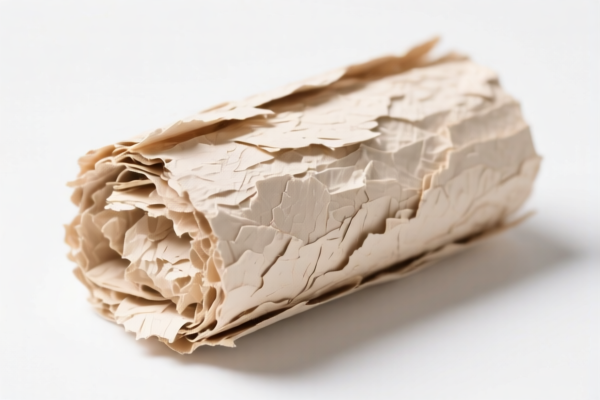
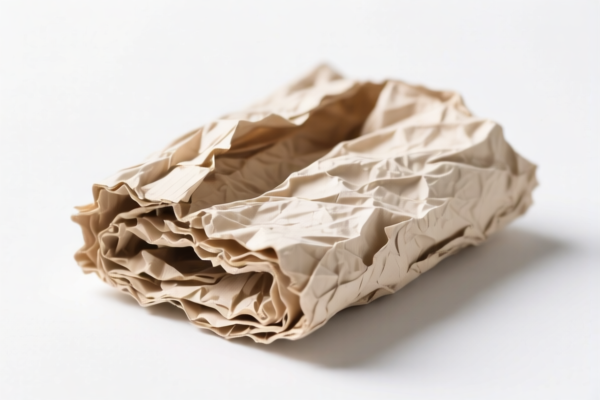
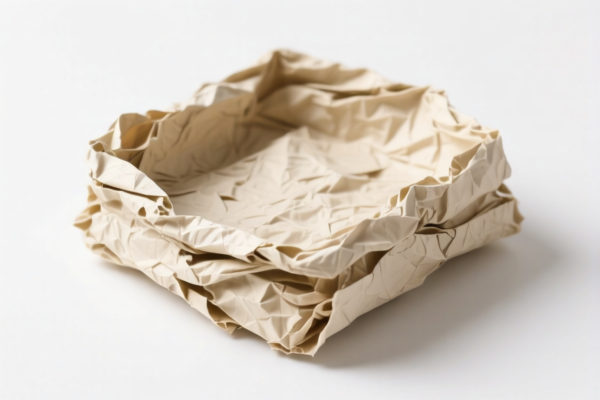
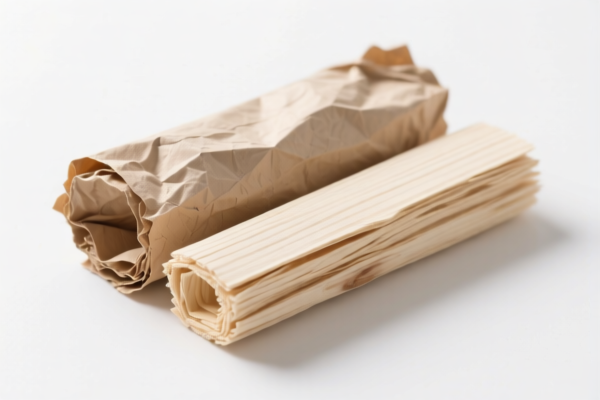
🌲 Softwood Pulp: Semi-bleached & Bleached (High Strength Chemical Woodpulp)
🌐 HS Code Reference & Customs Clearance Guide | 2026 Latest Tariff Analysis | Professional Clearance Strategy
📌 1. Product Definition and Classification: What Exactly is "Softwood Pulp"?
Softwood pulp, derived from coniferous trees (such as pine, spruce, and fir), is the backbone of the global paper industry. In international trade, Chemical Woodpulp (Soda or Sulfate) is primarily categorized by its processing degree and bleaching status. The term "High Strength" usually refers to Kraft pulp, which retains high fiber length and tensile strength, making it ideal for packaging materials, corrugated board, and strong paper grades.
In the customs context, this product is strictly classified under Chapter 47. The critical distinction lies in the bleaching level: * Semibleached: The pulp has undergone chemical treatment and partial bleaching but retains a significant amount of lignin, giving it a brownish/yellowish hue. * Bleached: The pulp has been further treated to remove more lignin, resulting in a brighter, whiter appearance.
⚠️ Key Classification Point:
- If the pulp is coniferous (softwood) and semibleached, it falls under 4703.21.
- If the pulp is coniferous (softwood) and fully bleached, it falls under 4703.21 (specific sub-codes differ by country, but the HTS structure here distinguishes them).
- Dissolving grades are excluded from this category and fall under different headings. This guide covers non-dissolving chemical woodpulp.
📦 2. HS Code Classification Details (Latest Tariff Alignment)
Based on the provided data, the specific HS Codes for Coniferous Chemical Woodpulp (Soda/Sulfate) are as follows:
| HS Code | Product Description | Processing State | Color/Appearance |
|---|---|---|---|
4703.21.00.20 |
Chemical woodpulp, soda or sulfate, non-dissolving: Semibleached or bleached: Coniferous: Semibleached | Semi-bleached | Light brown, straw, or yellowish tones |
4703.21.00.40 |
Chemical woodpulp, soda or sulfate, non-dissolving: Semibleached or bleached: Coniferous: Bleached | Fully Bleached | White, bright, or off-white tones |
🔍 Note on "High Strength":
While "High Strength" is a quality attribute (typically associated with Kraft process), the HS Code classification is driven by the bleaching status. Both high-strength semibleached and high-strength bleached softwood pulps fall under these respective codes. Ensure your commercial invoice clearly states "Kraft" or "Chemical Woodpulp" to avoid misclassification as mechanical pulp (Chapter 4704/4705).
💰 3. 2026 Tariff Rate Breakdown (Detailed Tax Clauses)
✅ Applicable Context: Based on the provided data, these rates apply to imports where specific additional tariffs (likely Section 301 or similar trade remedies) are active.
✅ Product Origin: Typically China (CN) or other subject jurisdictions (based on the 25% additional duty pattern).
✅ Effective Date: Current valid rates as per the dataset.
🎯 1. 4703.21.00.20 —— Coniferous Semibleached Chemical Woodpulp
| Item | Detail |
|---|---|
| Base Tariff Rate | 0.0% (Most-Favored-Nation / MFN rate) |
| Additional Tariff | +25.0% (Specific additional duty) |
| Total Effective Tax Rate | 25.0% |
| Tax Calculation Basis | CIF Value (Cost, Insurance, and Freight) × 25% |
| De Minimis Exemption | ❌ Not Applicable (Generally, bulk industrial raw materials like pulp do not qualify for de minimis exceptions in major markets like the US under Section 301) |
| Tax Detail Clause | Base: 0.0%, Additional: 25.0% |
📌 Explanation:
- The base rate of 0% reflects that softwood pulp is a critical industrial raw material for paper manufacturing, often attracting lower base tariffs in many free trade agreements.
- The 25% additional tariff is a significant trade barrier, likely resulting from anti-dumping duties, countervailing duties, or Section 301 tariffs on Chinese-origin goods.
- Crucial: You must pay 25% of the CIF value as duty. This is a hard cost that directly impacts your landed cost.
🎯 2. 4703.21.00.40 —— Coniferous Bleached Chemical Woodpulp
| Item | Detail |
|---|---|
| Base Tariff Rate | 0.0% |
| Additional Tariff | +25.0% |
| Total Effective Tax Rate | 25.0% |
| Tax Calculation Basis | CIF Value × 25% |
| De Minimis Exemption | ❌ Not Applicable |
| Tax Detail Clause | Base: 0.0%, Additional: 25.0% |
📌 Explanation:
- Identical tax treatment to the semibleached variant.
- Whether the pulp is semibleached or bleached does not change the additional duty rate in this specific tariff schedule.
- Warning: Bleached pulp often has a higher market value. Since the duty is ad valorem (percentage-based), the absolute dollar amount of tax paid will be higher for bleached pulp due to its higher CIF price.
🛠️ 4. Customs Clearance Practical Advice (Avoiding Pitfalls)
✅ 1. Essential Documentation Checklist
| Document | Mandatory? | Purpose |
|---|---|---|
| Commercial Invoice | ✅ Yes | Must clearly state: "Chemical Woodpulp, Soda/Sulfate, Coniferous, [Semi-bleached/Bleached]" |
| Packing List | ✅ Yes | Specify net weight, gross weight, and package type (e.g., jumbo rolls, bales) |
| Certificate of Origin | ✅ Yes | To verify country of origin and check for potential exemptions (if available) |
| Product Specification Sheet | ✅ Yes | Details on Kappa number, viscosity, ISO brightness, and lignin content to prove it's chemical (not mechanical) pulp |
| Bill of Lading | ✅ Yes | Standard shipping document |
| MSDS (Material Safety Data Sheet) | ✅ Yes | Required for handling safety, though pulp is generally non-hazardous |
📌 Critical Tip:
- Do not simply write "Wood Pulp." You must specify "Chemical," "Soda," "Sulfate," "Coniferous," and "Semi-bleached/Bleached." Ambiguity leads to customs audits, delays, and potential reclassification penalties.
✅ 2. Declaration Best Practices (Key Mnemonics)
🔥 “Be Precise, Be Specific: Chemical, Coniferous, Bleached Level!”
| Scenario | Correct Declaration | Incorrect Declaration | Consequence |
|---|---|---|---|
| Kraft Pulp (Semi-bleached) | 4703.21.00.20 - "Coniferous Chemical Woodpulp, Soda/Sulfate, Semibleached" |
"Softwood Paper Pulp" | Misclassification risk; potential 25% duty evasion penalty |
| Bleached Kraft Pulp | 4703.21.00.40 - "Coniferous Chemical Woodpulp, Soda/Sulfate, Bleached" |
"White Pulp" | Delay for inspection; possible reclassification |
| Mechanical Pulp (e.g., TMP/CTMP) | Do not use 4703.21 | Use 4704/4705 codes | Incorrect HS Code leads to complete clearance failure |
| Dissolving Pulp | Do not use 4703.21 | Use 4706 or specific dissolving codes | High penalty for wrong duty rate |
✅ 3. Special Considerations for "High Strength" Pulp
| Issue | Handling Advice |
|---|---|
| Origin Fraud | Ensure the Certificate of Origin matches the Bill of Lading. If the pulp is from China, the 25% additional tariff applies. If transshipped, ensure proper traceability to avoid anti-circumvention penalties. |
| Quality Disputes | Customs may inspect pulp to verify if it's truly "chemical" (low ash, high purity) vs. mechanical. Provide lab test reports showing low lignin content to support the 4703 classification. |
| Tariff Engineering | Unfortunately, semibleached vs. bleached does not offer a tax saving in this specific dataset (both are 25%). Focus on CIF value optimization and volume discounts instead of tariff engineering via bleaching changes. |
🌍 5. Global Market Comparison (2026 Snapshot)
| Market | HS Code (Coniferous Semibleached) | Base Rate | Additional Rate | Total Rate | Notes |
|---|---|---|---|---|---|
| 🇺🇸 USA | 4703.21.00.20 |
0.0% | +25.0% | 25.0% | High additional duty applies to CN origin |
| 🇪🇺 EU | 4703.21.00 (NTR) |
0.0% | 0.0% | 0.0% | Generally duty-free under GSP or WTO MFN |
| 🇨🇳 China | 4703.21.00 |
0.0% | 0.0% | 0.0% | Major importer; low duty to support paper industry |
| 🇮🇳 India | 4703.21.00 |
0.0% - 5% | Varies | Low | Check specific CEGC notifications |
📌 Conclusion:
- The 25% additional tariff is a specific burden likely applicable in markets like the US for certain origins.
- Always verify if your specific country of origin qualifies for any exclusions or waivers for Section 301 or similar tariffs, as lists are periodically updated.
📌 6. Common Mistakes & Pitfalls (Lessons Learned)
❌ Mistake 1: Declaring "Paper Pulp" without specifying "Chemical" or "Coniferous"
👉 Result: Customs may classify under mechanical pulp or reject the entry, causing delays and demurrage charges.
❌ Mistake 2: Confusing "Semibleached" with "Bleached"
👉 Result: If you declare 4703.21.00.40 (Bleached) but the goods are semibleached, you may face penalties for misdeclaration, even if the tax rate is the same. Accuracy is key for compliance records.
❌ Mistake 3: Ignoring the 25% Additional Tariff in Costing
👉 Result: Underquoting the landed cost. A 25% duty on a $10,000 shipment is $2,500. Failure to budget for this can wipe out profit margins.
✅ Correct Approach:
"Kraft Pulp, Coniferous, Soda Process, Semibleached, ISO Brightness XX, Kappa Number XX"
Include technical specs to prove chemical nature and bleaching level.
🎯 7. Conclusion: Professional Clearance, Cost Control, Efficiency!
🎯 Remember the Key Points:
🔹 "Chemical + Coniferous = 4703.21"
🔹 "Semibleached = .20, Bleached = .40"
🔹 "25% Additional Tax is Mandatory (No Base)"
🔹 "Documentation Must Match Physical Goods Exactly"
📌 Pro Tip:
If you are importing into the US and the origin is China, check the USITC Exclusion List for HS Code
4703.21.00.20and4703.21.00.40. Some specific types of pulp may have been excluded from the 25% tariff, which could save you significant money. Apply for pre-rulings if the volume is large.
📣 Immediate Action Required:
📞 Consult a Customs Broker with expertise in Chapter 47.
📄 Prepare Detailed Specs (Kappa, Brightness, Viscosity) before shipment.
📊 Calculate Landed Cost including the 25% duty to ensure profitability.
✨ Professional clearance starts with accurate classification!
💼 Every percentage point of duty impacts your bottom line!
用户评价
关于 HS 编码归类
协调制度(HS)是由世界海关组织(WCO)制定的国际贸易商品分类标准。全球 200 多个国家采用 HS 系统作为海关关税、贸易统计和进出口监管的基础。
每个 HS 编码遵循以下层级结构:
- 章(2 位)——商品大类(例如:第 84 章:机器和机械设备)
- 品目(4 位)——章内的更具体分类
- 子目(6 位)——国际通用细分,所有 WCO 成员国统一使用
- 本国细分(8-10 位)——各国自行扩展的细分编码,如美国 HTSUS 10 位编码
正确的 HS 编码归类对于顺利通关、准确缴纳关税和遵守贸易法规至关重要。错误归类可能导致海关延误、多缴关税或罚款。
从CN进口到US时,适用的关税税率可能包括:
- 最惠国(MFN)税率——适用于 WTO 成员国的标准关税税率
- 普通税率——适用于无贸易协定国家
- 贸易救济关税——附加关税,如 301 条款(反倾销)、232 条款(国家安全)或反补贴税
本页内容仅供参考。如需正式归类,请咨询当地海关或持牌报关代理。