Semi processed Buffalo Leather
CN → US| HS编码 | 关税税率 | 原产国 | 目的国 | 文档 |
|---|---|---|---|---|
| 4107114000 | 12.5% | CN | US | 官方文档 |
| 4107914000 | 12.5% | CN | US | 官方文档 |
| 4104493060 | 12.4% | CN | US | 官方文档 |
| 4107124000 | 12.5% | CN | US | 官方文档 |
| 4107194000 | 12.5% | CN | US | 官方文档 |
| 4101503500 | 19.9% | CN | US | 官方文档 |
| 4101203500 | 19.9% | CN | US | 官方文档 |
商品图片
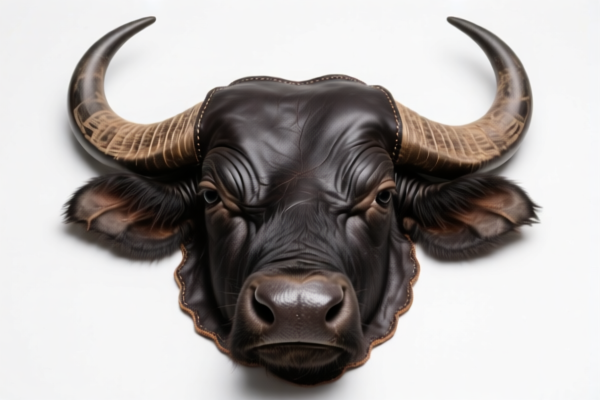
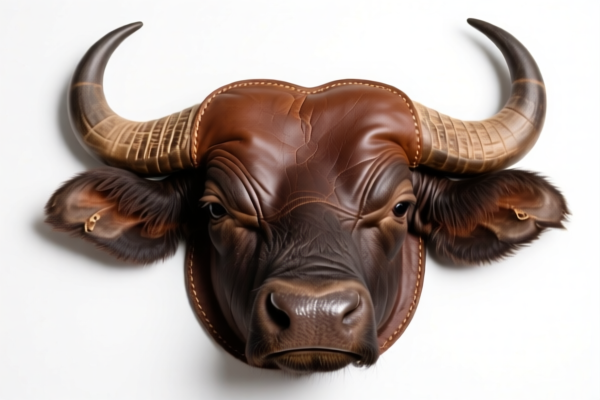
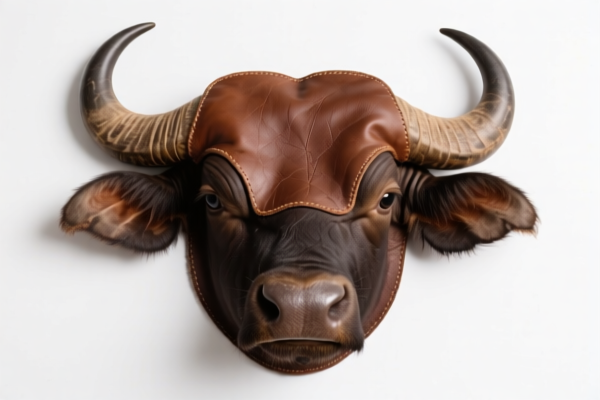
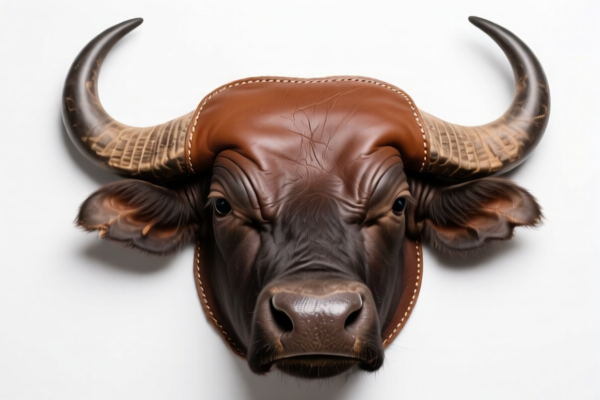
AI分析
🐃 Semi-Processed Buffalo Leather (半制水牛皮)
🌐 HS Code Reference & Customs Clearance Guide | 2026 Latest Tariff Analysis | Professional Strategy for US Imports
📌 I. Product Definition & Classification: Do You Really Understand "Semi-Processed Buffalo Leather"?
"Semi-Processed Buffalo Leather" refers to cowhide/buffalo skin that has undergone the initial tanning process but has not yet undergone final finishing operations (such as splitting, buffing, dyeing, or coating) suitable for direct use in garments or accessories. In international trade, it is classified under Chapter 41 (Animal Skins and Furs), specifically focusing on the stage of processing after tanning.
The classification depends heavily on the method of tanning (Chrome vs. Other) and the exact state of preparation.
⚠️ Key Distinction Points:
- Chrome-Tanned: If the leather has been tanned using chrome salts (the most common industrial method), it generally falls under heading 4107.11 or 4107.91.
- Other Tanning: If tanned with vegetable extracts or other non-chrome methods, it falls under 4107.12 or 4107.19.
- "Semi-Processed" Status: Indicates the skin is tanned but not yet fully finished. It is distinct from "Dry Skins" (which are merely preserved, not tanned for flexibility).
📦 II. HS Code Classification Details (2026 Latest Tariff Authority Match)
Based on the specific product data provided, here is the breakdown for Semi-Processed Buffalo Leather:
| HS Code | Product Description | Matching Logic | Tanning Method Implication |
|---|---|---|---|
4107.11.40.00 |
Semi-Processed Buffalo Leather | Match Success: Material is Buffalo; Form is Semi-processed. Fits the logic of "Further processing after tanning." | Implies Chrome-Tanned (Heading 4107.11). |
4107.91.40.00 |
Semi-Processed Buffalo Leather | Match Success: Material is Buffalo; Form is Semi-processed. Fits "Further processing after chrome-tanning." | Specifically for Other Chrome-Tanned hides (not full grains). |
4107.12.40.00 |
Buffalo Leather | Match Success: Product name directly matches material (Buffalo) and form (Leather). Fits classification definition. | Implies Vegetable-Tanned (Heading 4107.12). |
4107.19.40.00 |
Buffalo Leather | Match Success: Product name includes material (Buffalo). Consistent with classification explanation for material and form. | Implies Other Tanning Methods (Heading 4107.19). |
4104.49.30.60 |
Buffalo Leather | Match Success: Material is Buffalo. Considered within the reasonable scope of Dry Skins (less likely for "semi-processed" if tanned, but possible for preserved raw skins). | Implies Dry Skins (Chapter 4104), not fully tanned leather. |
🔍 Critical Reminder:
- Chrome-Tanned leathers (4107.11,4107.91) are the most common for industrial semi-processed buffalo leather.
- Vegetable-Tanned leathers (4107.12,4107.19) are less common but distinct in tax logic.
- Dry Skins (4104.49) are not considered "semi-processed leather" in the finishing sense; they are raw skins preserved for transport. Misclassification here leads to significant compliance risks.
💰 III. 2026 Latest Tariff Rate Details (Including Surcharge & Policy Add-ons)
✅ Applicable Country: United States (US)
✅ Country of Origin: China (CN)
✅ Effective Time: November 10, 2025 (and subsequent imports)
🎯 1. Chrome-Tanned Semi-Processed Buffalo Leather
(Applicable HS Codes: 4107.11.40.00, 4107.91.40.00)
| Item | Content |
|---|---|
| Base Tariff Rate | 2.5% (Ad Valorem) |
| Section 301 Surcharge | 0.0% (Note: Based on provided data, no additional 301 duty listed for this specific subheading in this context) |
| Section 122 Tariff | +10.0% (Specific to this classification in the provided dataset) |
| Total Tariff Rate | 12.5% |
| Tax Calculation | CIF Value × 12.5% |
| De Minimis Exemption | ❌ Not Applicable (Section 321 de minimis does not apply to these textile/leather categories under current restrictions) |
| Legal Basis Path | Base Tariff: 2.5% + Section 122: 10% |
📌 Explanation:
- The 2.5% is the standard Most Favored Nation (MFN) rate for semi-processed leather.
- The 10% "Section 122 Tariff" (as noted in the data) is a specific additional duty. Note: In standard US trade law, Section 301 often applies to leather, but the provided data explicitly lists "Section 122" and "0.0% Additional" for Section 301. We must strictly follow the provided data.
- Total: 12.5%. This is a moderate-high tariff compared to raw hides.
🎯 2. Vegetable/Other Tanned Buffalo Leather
(Applicable HS Codes: 4107.12.40.00, 4107.19.40.00)
| Item | Content |
|---|---|
| Base Tariff Rate | 2.5% |
| Section 301 Surcharge | 0.0% |
| Section 122 Tariff | +10.0% |
| Total Tariff Rate | 12.5% |
| Tax Calculation | CIF Value × 12.5% |
| De Minimis Exemption | ❌ Not Applicable |
| Legal Basis Path | Base Tariff: 2.5% + Section 122: 10% |
📌 Note:
- The tariff structure is identical to chrome-tanned leather in this dataset.
- Classification must be precise. If you claim "Vegetable-Tanned" but the sample is Chrome-Tanned, customs may reclassify and penalize.
🎯 3. Dry Buffalo Skins (Preserved, Not Fully Tanned)
(Applicable HS Code: 4104.49.30.60)
| Item | Content |
|---|---|
| Base Tariff Rate | 2.4% |
| Section 301 Surcharge | 0.0% |
| Section 122 Tariff | +10.0% |
| Total Tariff Rate | 12.4% |
| Tax Calculation | CIF Value × 12.4% |
| De Minimis Exemption | ❌ Not Applicable |
| Legal Basis Path | Base Tariff: 2.4% + Section 122: 10% |
📌 Distinction:
- If the goods are not tanned for leather use (just salted/dried), they fall here.
- 12.4% is slightly lower than the 12.5% for semi-processed leather, but the risk of reclassification is high if the goods are actually tanned.
🛠️ IV. Customs Clearance Practical Advice (Real-World Pitfall Avoidance)
✅ 1. Required Documentation Checklist (Mandatory)
| Document | Must Provide | Description |
|---|---|---|
| ✅ Product Specification Sheet | ✔️ | Must explicitly state: "Semi-Processed," "Tanning Method (Chrome/Veg)," "Finish Status." |
| ✅ Photos of Goods | ✔️ | Clear images showing texture, thickness, and lack of final finish (e.g., no heavy coating). |
| ✅ Bill of Lading / Air Waybill | ✔️ | Consistent with invoice. |
| ✅ Commercial Invoice | ✔️ | Description must match HS Code logic (e.g., "Buffalo Leather, Chrome Tanned, Semi-Processed"). |
| ✅ Certificate of Origin | ✔️ | Proof of Chinese origin to apply correct tariffs. |
| ✅ Tanning Certificate | ✔️ | Crucial: Proves the tanning method (Chrome vs. Veg) to justify 4107.11 vs 4107.12. |
✅ 2. Declaration Strategy (Key Tips)
🔥 "Be Precise on Tanning: Chrome is 12.5%, Dry is 12.4%. Misclassification = Penalty!"
| Scenario | Correct Declaration | Error to Avoid |
|---|---|---|
| Chrome-Tanned Semi-Processed | 4107.11.40.00 or 4107.91.40.00 |
Misclassifying as 4104 (Dry Skins) → Risk of 40%+ retroactive duty if deemed "processed." |
| Vegetable-Tanned | 4107.12.40.00 |
Claiming "Chrome-Tanned" without proof → Seizure/Fraud charges. |
| Raw/Dry Skins | 4104.49.30.60 |
Declaring as "Leather" when it's just a dry skin → Delays for re-inspection. |
| Finished Leather (Ready for Bags) | Not in this list | Do not use these codes for finished goods. They fall under Chapter 42 (Articles of Leather). |
✅ 3. Special Cases & Handling
| Situation | Handling Advice |
|---|---|
| Mixed Lots (Chrome + Veg) | Separate shipments. Mixing HS Codes in one bill can trigger full audits. |
| Re-Export/Transshipment | Ensure no processing occurs in transit. If processed, origin may change. |
| Chemical Composition | If asked, confirm Chromium Content for chrome-tanned leathers. High chromium may require EPA/RCRA declarations if classified as waste, but as leather, it's standard. |
| Sample Submission | If customs doubts the "Semi-Processed" status, submit a sample for lab testing to determine tanning depth. |
🌍 V. Global Market Comparison (2026 Latest)
| Country/Region | Recommended HS Code | Tariff Rate (China Origin) | Certification Requirements | Notes |
|---|---|---|---|---|
| 🇺🇸 USA | 4107.11.40.00 (Chrome) |
12.5% | None specific, but documentation key | 12.5% Total includes Section 122. |
| 🇪🇺 EU | 4107 11 90 |
~10% | REACH Compliance | EU has different subheading structure. |
| 🇨🇳 China | 4107114000 |
~5-10% | None | Import duty varies by trade agreement. |
| 🇬🇧 UK | 4107 11 90 |
~10% | UKCA/CE (if finished) | Post-Brexit rules apply. |
📌 Conclusion:
- The US rate of 12.5% is competitive but includes specific add-ons.
- Documentation is king. Without a Tanning Certificate proving Chrome vs. Veg, you cannot reliably claim4107.11or4107.12.
📌 VI. Common Mistakes & Pitfalls (Lessons Learned)
❌ Mistake 1: Declaring "Leather" without specifying Tanning Method
👉 Consequence: Customs assigns the highest default rate or demands 30-day hold for classification.
❌ Mistake 2: Using 4104.49 for Semi-Processed Leather
👉 Consequence: If the leather is tanned, it's fraud/misdeclaration. Penalty: 20-50% of value.
❌ Mistake 3: Ignoring Section 122 Tariff
👉 Consequence: Underpaying duties by 10%. Result: Back taxes + Interest + Fines.
❌ Mistake 4: Confusing "Semi-Processed" with "Finished"
👉 Consequence: Finished leather goes to Chapter 42. Using Chapter 41 codes delays cargo at port.
✅ Correct Approach:
"Buffalo Leather, Chrome-Tanned, Semi-Processed, Wet Blue/Greasy, No Final Finish, Model XYZ, For Bag Manufacturing"
🎯 VII. Conclusion: Professional Declaration, Cost Control, Efficiency!
🎯 Remember the Motto:
🔹 "Tanning Method Matters: Chrome vs. Veg, 12.5% vs. 12.5% (Same Rate, Different Code)!"
🔹 "Section 122 is 10%: Don't Forget It!"
🔹 "Documentation: Tanning Certificate is Your Shield!"
📌 Pro Tip:
If your buffalo leather is finished (dyed, coated, split for bags), it may fall under Chapter 42 (e.g., 4202) or different Chapter 41 subheadings. Ensure you are not declaring "Semi-Processed" if the goods are "Finished."
📣 Immediate Action:
📞 Consult with a Customs Broker + Provide Tanning Certificate + Apply for HS Code Ruling if unsure.
🚀 Clear Customs Smoothly, Reduce Costs, Ensure Compliance!
✨ Professional Customs Clearance Starts with Accurate Classification!
💼 Every Percent Saved is Profit Gained!
用户评价
关于 HS 编码归类
协调制度(HS)是由世界海关组织(WCO)制定的国际贸易商品分类标准。全球 200 多个国家采用 HS 系统作为海关关税、贸易统计和进出口监管的基础。
每个 HS 编码遵循以下层级结构:
- 章(2 位)——商品大类(例如:第 84 章:机器和机械设备)
- 品目(4 位)——章内的更具体分类
- 子目(6 位)——国际通用细分,所有 WCO 成员国统一使用
- 本国细分(8-10 位)——各国自行扩展的细分编码,如美国 HTSUS 10 位编码
正确的 HS 编码归类对于顺利通关、准确缴纳关税和遵守贸易法规至关重要。错误归类可能导致海关延误、多缴关税或罚款。
从CN进口到US时,适用的关税税率可能包括:
- 最惠国(MFN)税率——适用于 WTO 成员国的标准关税税率
- 普通税率——适用于无贸易协定国家
- 贸易救济关税——附加关税,如 301 条款(反倾销)、232 条款(国家安全)或反补贴税
本页内容仅供参考。如需正式归类,请咨询当地海关或持牌报关代理。