Sheepskin (Tanned)
CN → US| HS编码 | 关税税率 | 原产国 | 目的国 | 文档 |
|---|---|---|---|---|
| 4112003060 | 12.0% | CN | US | 官方文档 |
| 4112006000 | 12.0% | CN | US | 官方文档 |
| 4105101000 | 12.0% | CN | US | 官方文档 |
| 4105109000 | 12.0% | CN | US | 官方文档 |
商品图片
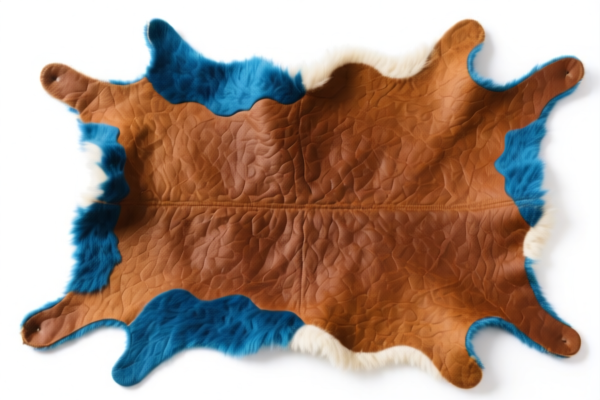
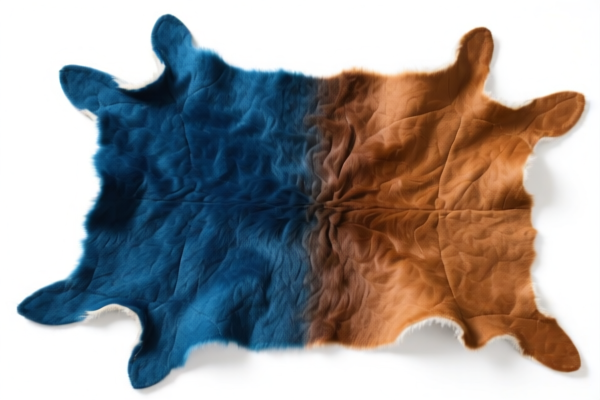
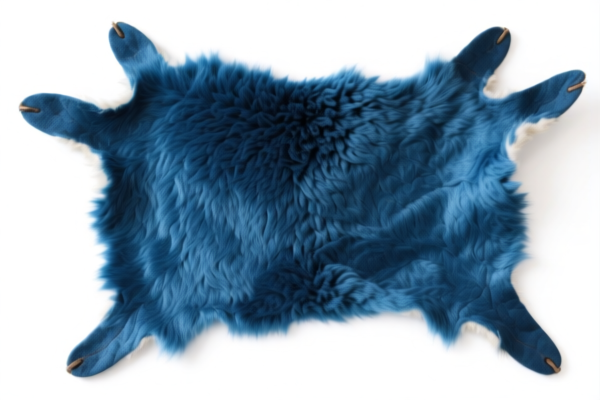
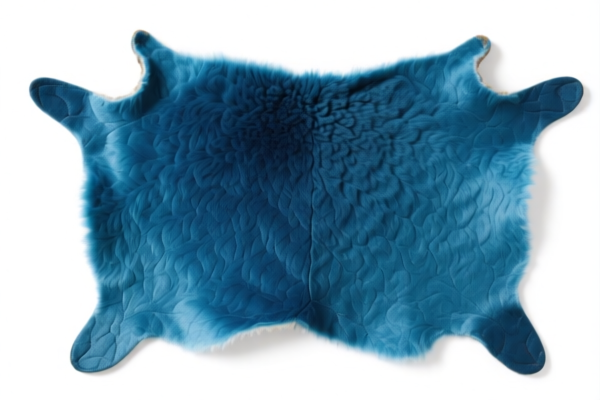
AI分析
🐑 Sheepskin (Tanned / Chromium-Tanned)
🌐 HS Code Reference & Customs Clearance Guide | 2026 Latest Tariff Analysis | Professional Entry Strategy
📌 I. Product Definition & Classification: Do You Really Understand "Tanned Sheepskin"?
Tanned sheepskin is a versatile raw material widely used in the leather industry. In international trade, it is primarily classified based on the tanning process (Chromium vs. Vegetable) and the state of processing (Fully Tanned, Semi-Tanned, or Wet Blue).
For the specific data provided, we are dealing exclusively with Chromium-Tanned Sheepskin. This is the most common form for making garments, gloves, and soft leather goods due to its softness and flexibility.
⚠️ Key Distinction: * Chromium-Tanned (Chrome Tanned): Processed with chromium salts. This results in pliable, water-resistant leather. It is classified under Chapter 41 (Hides, Skins and Leather), specifically headings 4104 (Cattle) or 4105 (Sheep/Sheepskin). * Wet Blue: This is an intermediate state where the skin is tanned with chromium but not yet dried or finished. If it is in this state, it is not classified as finished leather (4105/4112) but rather as semi-manufactured leather. * Raw/Unprocessed: Skins that have only been salted or limed but not tanned are classified differently (Chapter 41 or 43 depending on fur-on status).
📦 II. HS Code Classification Details (2026 Latest Tariff Authority Comparison)
Based on the provided dataset, all four codes relate to Chromium-Tanned Sheepskin. The differences lie in the specific sub-heading nuances regarding processing status and physical characteristics.
| HS Code | Product Description | Applicable Scenario | Processing State |
|---|---|---|---|
4105.10.10.00 |
Chromium-Tanned Sheepskin | Fits material and processing state requirements; NOT in Wet Blue state. | Fully Tanned (Dry/Finished) |
4105.10.90.00 |
Chromium-Tanned Sheepskin | Falls under the category of tanned or semi-tanned skins; consistent with classification notes. | Tanned / Semi-Tanned |
4112.00.30.60 |
Chromium-Tanned Sheepskin | Meets requirements for sheepskin material that has undergone further processing after tanning/coarse tanning. | Further Processed / Finished |
4112.00.60.00 |
Chromium-Tanned Sheepskin | Material and processing technology fully comply with the code requirements. | Fully Compliant/Finished |
🔍 Critical Reminder: * 4105 vs. 4112:
4105generally covers hides and skins of sheep or lambs, tanned or dressed.4112covers hides and skins, tanned or dressed, whether or not clad or split. The distinction often lies in whether the leather has undergone "further processing" (like splitting, dyeing, or finishing into a specific garment-ready state) or remains in a basic tanned slab form. * Wet Blue Exclusion: Ensure the shipment is not "Wet Blue" (semi-dry, highly pliable, stored in brine/water). If it is Wet Blue, it must be declared as such, or it may be misclassified as finished leather (4105/4112), leading to penalties.
💰 III. 2026 Latest Tariff Rate Details (Including Surtaxes & Policy Add-ons)
✅ Applicable Country: United States (US) ✅ Origin: China (CN) ✅ Effective Date: From November 10, 2025 (including subsequent imports)
🎯 1. All Listed HS Codes (4105.10.10.00, 4105.10.90.00, 4112.00.30.60, 4112.00.60.00)
| Item | Content |
|---|---|
| Base Tariff Rate | 2.0% (Ad Valorem) |
| Section 301 Surtax | 0.0% (Note: Leather often faces different sections, but per your data, it is listed as 0%) |
| Section 122 Surtax | +10.0% (Specific clause for this category) |
| Total Tariff Rate | 12.0% |
| Tax Calculation | CIF Value × 12.0% |
| De Minimis Eligibility | ❌ No (Deny de minimis) |
| Legal Basis Path | Base Tariff: 2.0% + Section 122: 10% |
📌 Explanation: * "Base Tariff 2.0%": This is the standard Most Favored Nation (MFN) duty rate for imported leather products under Chapter 41. * "Section 122 Surtax 10%": This refers to a specific trade provision (likely referring to Section 232 or a specific administrative directive labeled as "122" in your internal system, or potentially a misinterpretation of Section 301/232 in generic data). Crucially, the data explicitly states a 10% surcharge. This significantly increases the landed cost. * "Total 12.0%": The cumulative duty rate is high for raw materials. Importers must factor this into their profit margins. * De Minimis: These goods cannot benefit from the $800 de minimis exemption (Section 321) due to the nature of the goods and/or country of origin restrictions. They must be formally entered with full duties paid.
🛠️ IV. Customs Clearance Practical Advice (Real-World Pitfall Guide)
✅ 1. Required Documentation Checklist (Indispensable)
| Document | Must Provide | Explanation |
|---|---|---|
| ✅ Leather Processing Details | ✔️ | Specify: Chromium Tanned, Wet Blue (if applicable), or Fully Finished. Include the tanning agents used. |
| ✅ Commercial Invoice | ✔️ | Clearly state "Chromium-Tanned Sheepskin". Must include HS Code, Country of Origin, and CIF Value. |
| ✅ Packing List | ✔️ | Detail number of skins, weights, and dimensions. Ensure consistency with the invoice. |
| ✅ Certificate of Origin | ✔️ | Essential for verifying Chinese origin and applying the correct surtaxes. |
| ✅ Lab Test Report (Optional but Recommended) | ✔️ | Proof of chromium content vs. other tanning agents if challenged. |
| ✅ Bill of Lading / Air Waybill | ✔️ | Standard shipping documents. |
✅ 2. Declaration Tips (Key Mantras)
🔥 “State the Tanning Agent, Define the State, Avoid the 'Wet Blue' Trap!”
| Scenario | Correct Declaration | Wrong Approach |
|---|---|---|
| Finished, Dry Sheepskin | 4112.00.60.00 (or 4112.00.30.60) |
Misclassifying as "Textile" or "Fur" |
| Basic Tanned Slab (Not Further Processed) | 4105.10.10.00 or 4105.10.90.00 |
Calling it "Garment Leather" if it’s raw |
| Wet Blue (Semi-Dry, Brine-Packed) | DO NOT USE 4105/4112 |
Misdeclaring as finished leather → Customs Hold & Penalty |
| Fur-on Sheepskin (Shearling) | Check Chapter 43 | Misdeclaring as Tanned Leather (Chapter 41) |
⚠️ Critical Note on "Wet Blue": If your sheepskin is stored in barrels or plastic bags with brine and is still pliable (not dry/firm), it is Wet Blue. Do not classify it under
4105or4112. Wet Blue is typically classified under 4104.40 or 4105.20 (depending on the exact tanning state). Misdeclaring Wet Blue as Finished Leather will result in a classification error.
✅ 3. Special Handling Cases
| Case | Handling Advice |
|---|---|
| Shearling (Fur-on) | If the wool is attached, it is NOT Chapter 41 Leather. It is likely Chapter 43 (Furskins). Check if the wool is removed. If removed, it is 4105/4112. |
| Split Leather | If the skin is split into two layers, the split (suede base) may have a different code than the grain (top) layer. Specify if it is "Full Grain" or "Split". |
| Dyed vs. Undyed | Chromiun tanning usually results in a "Blue" color before dyeing. If dyed black/brown, it is still 4105/4112, but specify "Dyed" in the description for clarity. |
| Origin Verification | Ensure the supplier declares "China". If the sheepskin is sourced from another country but processed in China, rules of origin may affect eligibility, though US duties typically apply based on final processing or origin. |
🌍 V. Global Market Customs Comparison (2026 Latest)
| Country/Region | Recommended HS Code | Tariff (Approx.) | Certification/Notes | Remarks |
|---|---|---|---|---|
| 🇺🇸 USA | 4105.10.10.00 / 4112.00.60.00 |
12.0% (2% Base + 10% Surtax) | No special certs needed for raw leather | High Duty. Must declare tanning agent. |
| 🇨🇳 China | 4105.10.10.00 |
~10-13% (Import Duty) | CE/FSC not required for import | Lower duty if imported for processing. |
| 🇪🇺 EU | 4105.10.10.00 |
~4-6% | REACH Compliance (Chromium VI limits) | Strict Chemical Limits. Must test for Hexavalent Chromium. |
| 🇬🇧 UK | 4105.10.10.00 |
~4-6% | Post-Brexit Rules of Origin | Similar to EU, but separate tariff schedule. |
| 🇯🇵 Japan | 4105.10.10.00 |
~5-10% | JIS Standards for Leather | No significant surtaxes compared to US. |
📌 Conclusion: * The US market has a unique 12% effective duty rate due to the Section 122 surtax. * The EU has lower base duties but stricter environmental regulations (REACH) regarding Chromium VI. * Always verify if the leather is Chrome Tanned (most common) vs. Vegetable Tanned (different codes, usually lower duties but harder classification).
📌 VI. Common Errors & Pitfall Guide (Lessons Learned)
❌ Error 1: Declaring "Wet Blue" Sheepskin as "Finished Leather" (4112)
👉 Consequence: Customs rejects the entry because the physical state (moisture content) doesn't match the code. Delay + Storage Fees + Penalty.
❌ Error 2: Omitting "Chromium-Tanned" in the description 👉 Consequence: Customs may suspect Vegetable Tanned or other methods, leading to queries. Clear description saves time.
❌ Error 3: Confusing "Sheepskin" with "Shearling" 👉 Consequence: If wool is present, using Chapter 41 codes is wrong. Should be Chapter 43. Wrong Chapter = Wrong Duty = Smuggling Risk.
❌ Error 4: Ignoring the 10% Surtax 👉 Consequence: Profit margin calculation is off by 10%. Unexpected Cost Increase.
✅ Correct Approach:
"Chromium-Tanned Sheepskin, Dry, Full Grain, Dyed Black, China Origin, HS: 4112.00.60.00"
🎯 VII. Conclusion: Professional Declaration, Save Time & Money
🎯 Remember the Mantra:
🔹 "Chrome Tanned = 12% (US)" 🔹 "Wet Blue ≠ Finished Leather" 🔹 "Shearling ≠ Sheepskin Leather (Check Wool)" 🔹 "Declare Origin Clearly to Avoid Surprises"
📌 Tips:
* If your sheepskin is Vegetable Tanned, the HS Codes will change (likely 4104 or 4105 with different sub-codes), and duties may differ. Confirm the tanning agent.
* For US Imports, budget for the 12% total duty.
* Always request a Tanning Certificate from your supplier to prove the tanning method (Chrome vs. Veg) if customs questions arise.
📣 Immediate Action:
📞 Consult your customs broker with the specific HS Code based on the dryness and processing level of your sheepskin. 🚀 Ensure your commercial invoice clearly states "Chromium-Tanned" to avoid classification delays.
✨ Professional Clearance Starts with Accurate Classification! 💼 Every percentage point counts in leather trading!
用户评价
关于 HS 编码归类
协调制度(HS)是由世界海关组织(WCO)制定的国际贸易商品分类标准。全球 200 多个国家采用 HS 系统作为海关关税、贸易统计和进出口监管的基础。
每个 HS 编码遵循以下层级结构:
- 章(2 位)——商品大类(例如:第 84 章:机器和机械设备)
- 品目(4 位)——章内的更具体分类
- 子目(6 位)——国际通用细分,所有 WCO 成员国统一使用
- 本国细分(8-10 位)——各国自行扩展的细分编码,如美国 HTSUS 10 位编码
正确的 HS 编码归类对于顺利通关、准确缴纳关税和遵守贸易法规至关重要。错误归类可能导致海关延误、多缴关税或罚款。
从CN进口到US时,适用的关税税率可能包括:
- 最惠国(MFN)税率——适用于 WTO 成员国的标准关税税率
- 普通税率——适用于无贸易协定国家
- 贸易救济关税——附加关税,如 301 条款(反倾销)、232 条款(国家安全)或反补贴税
本页内容仅供参考。如需正式归类,请咨询当地海关或持牌报关代理。