Sheepskin Home Decoration Tanned Leather
CN → US| HS编码 | 关税税率 | 原产国 | 目的国 | 文档 |
|---|---|---|---|---|
| 4114100000 | 38.2% | CN | US | 官方文档 |
| 4114207000 | 36.6% | CN | US | 官方文档 |
| 4112003060 | 12.0% | CN | US | 官方文档 |
| 4112006000 | 12.0% | CN | US | 官方文档 |
商品图片
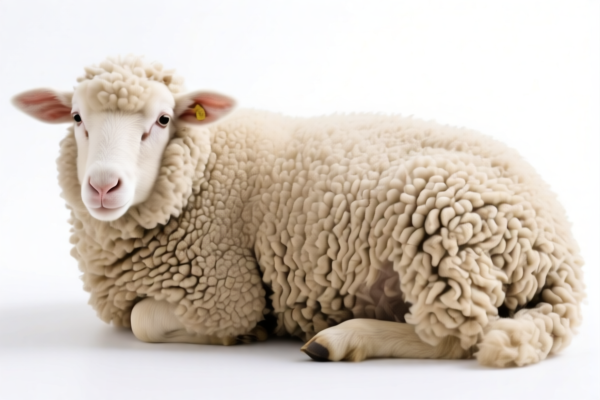
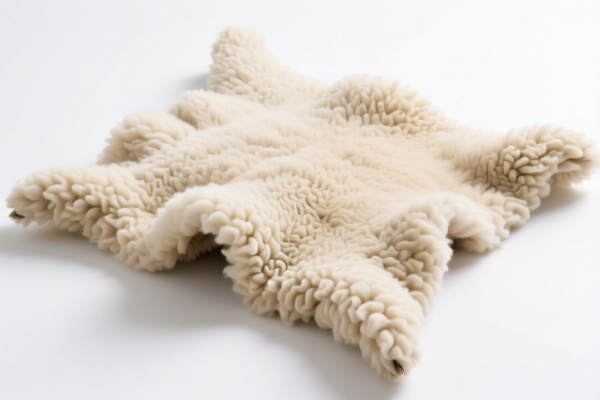
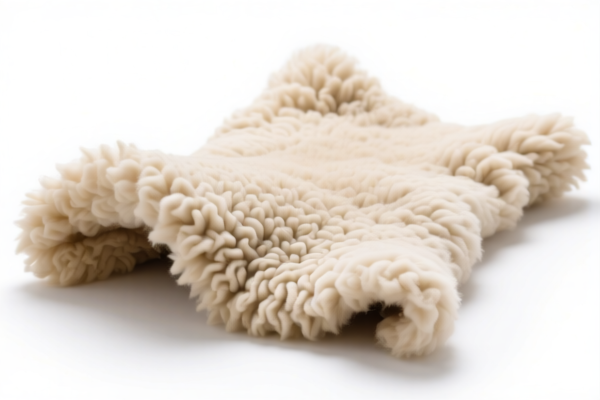
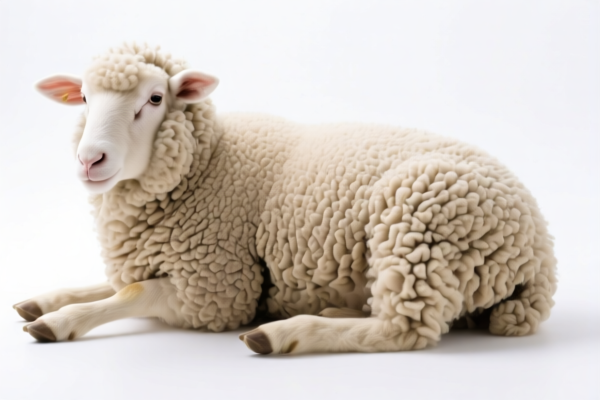
AI分析
🐑 Sheepskin Home Decoration Tanned Leather
🌐 HS Code Reference & Clearance Guide | 2026 Latest Tariff Rules | Professional Customs Strategy
📌 I. Product Definition & Classification: Do You Truly Understand "Sheepskin Leather"?
Sheepskin tanned leather for home decoration is a specialized material used in upholstery, drapery, wall paneling, and furniture covering. Unlike garment leather, it prioritizes texture, durability, and aesthetic finish over flexibility for wearing. In international trade, the classification hinges on two critical factors:
1. Surface Finish: Is it plain tanned, suedes (napped), or lacquered?
2. Material Origin: While "Sheepskin" is specified, customs often groups certain finishes under broader "Leather" categories if the tanning process alters its primary characteristic.
⚠️ Key Distinction Point:
- Plain/Standard Tanned Sheepskin: Retains natural grain or light grain → Falls under 4112 or 4114 depending on finish.
- Suede/Napped Sheepskin: Surface is mechanically raised (sueded) → Strictly categorized under 4114.10 (Suedes).
- Lacquered/Layered Sheepskin: Covered with varnish or plastic → Falls under 4114.20 (Lacquered leather).
📦 II. HS Code Classification Details (2026 Latest Tariff Authority Comparison)
| HS Code | Product Description | Application Scenario | Total Tax Rate | Key Tax Components |
|---|---|---|---|---|
4112.00.30.60 |
Sheepskin tanned leather, for home decoration, non-garment use | Standard upholstery, wall covering, basic decorative panels | 12.0% | Base: 2.0% + 122-Clause: 10% |
4112.00.60.00 |
Sheepskin tanned leather, tanned form, for home decoration | Refined decorative leather, embossed or lightly finished | 12.0% | Base: 2.0% + 122-Clause: 10% |
4114.10.00.00 |
Suede sheepskin/tanned leather, for home decoration | Napped surface, velvety texture, "suede" finish | 38.2% | Base: 3.2% + 301-Clause: 25% + 122-Clause: 10% |
4114.20.70.00 |
Lacquered/sheen sheepskin leather, for home decoration | Glossy, varnished, or plastic-coated decorative leather | 36.6% | Base: 1.6% + 301-Clause: 25% + 122-Clause: 10% |
🔍 Critical Insight:
- Home Decoration Purpose: All codes above specify "for home decoration," distinguishing them from garment or glove leather (which have different sub-headings).
- The "Suede" Trap:4114.10.00.00has the highest tax burden (38.2%) due to the inclusion of Section 301 tariffs (25%) on top of base and 122-clause taxes. Misclassifying suede as plain leather can lead to severe penalties.
- Lacquer Factor:4114.20.70.00also incurs the 25% Section 301 tariff, totaling 36.6%, significantly higher than plain tanned leather.
💰 III. 2026 Latest Tariff Rate Breakdown (Including Additional Taxes & Policy Surcharges)
✅ Applicable Country: USA (US)
✅ Origin: China (CN)
✅ Effective Date: Post-2025 regulations (including 122-Clause and 301-Clause)
🎯 1. 4112.00.30.60 & 4112.00.60.00 —— Plain/Standard Tanned Sheepskin (Non-Suede, Non-Lacquered)
| Item | Details |
|---|---|
| Base Tariff | 2.0% (Ad Valorem) |
| Section 301 Tariff (25%) | ❌ Exempt |
| 122-Clause Tariff | +10.0% |
| Total Tax Rate | 12.0% |
| Tax Calculation | CIF Value × 12.0% |
| De Minimis Eligibility | ❌ Not Eligible (Deny de minimis) |
| Legal Basis | USITC:4112.00.30.60 / 4112.00.60.00 + Section 122: 10% surcharge |
📌 Explanation:
- These codes represent standard tanned sheepskin without special surface treatments like napping or lacquering.
- They benefit from lower tariffs (12%) because they are not subject to the 25% Section 301 tariff.
- The 10% surcharge is from Section 122 (often related to specific trade remedy measures or anti-dumping/countervailing duties depending on the current year's adjustment).
- Strategic Advantage: If your leather is not suede or lacquered, this is the most cost-effective classification.
🎯 2. 4114.10.00.00 —— Suede Sheepskin (Napped Surface)
| Item | Details |
|---|---|
| Base Tariff | 3.2% |
| Section 301 Tariff (25%) | ✅ Applicable |
| 122-Clause Tariff | +10.0% |
| Total Tax Rate | 38.2% |
| Tax Calculation | CIF Value × 38.2% |
| De Minimis Eligibility | ❌ Not Eligible |
| Legal Basis | USITC:4114.10.00.00 + Section 301: 25% + Section 122: 10% |
📌 Explanation:
- Suede is classified under Chapter 41, Heading 4114, which attracts Section 301 tariffs.
- The 25% additional tariff significantly increases the cost compared to plain leather.
- Risk: Misclassifying suede as4112(plain leather) to avoid the 25% tariff is a high-risk customs violation leading to audits, fines, and shipment detention.
🎯 3. 4114.20.70.00 —— Lacquered Sheepskin (Glossy/Varnished)
| Item | Details |
|---|---|
| Base Tariff | 1.6% |
| Section 301 Tariff (25%) | ✅ Applicable |
| 122-Clause Tariff | +10.0% |
| Total Tax Rate | 36.6% |
| Tax Calculation | CIF Value × 36.6% |
| De Minimis Eligibility | ❌ Not Eligible |
| Legal Basis | USITC:4114.20.70.00 + Section 301: 25% + Section 122: 10% |
📌 Explanation:
- Lacquered leather involves applying varnish or plastic layers, placing it under 4114.20.
- Like suede, it is subject to Section 301 tariffs (25%).
- Although the base rate is low (1.6%), the total tax (36.6%) is still 3x higher than plain tanned leather.
- Note: "Other lacquered leather" includes sheened or polished sheepskin used for decorative purposes.
🛠️ IV. Practical Clearance Advice (Avoiding Pitfalls)
✅ 1. Essential Documentation Checklist
| Document | Required? | Purpose |
|---|---|---|
| ✅ Product Specification Sheet | ✔️ | Must specify: Material (Sheepskin), Finish (Plain/Suede/Lacquered), Weight, Width, and End-use (Home Decoration). |
| ✅ Photos of Surface Texture | ✔️ | Crucial to prove if it is Suede (napped), Lacquered (glossy), or Plain (matte/grain). Customs may refuse entry if texture is unclear. |
| ✅ Tanning Process Description | ✔️ | Explain the tanning method (e.g., chrome-tanned, vegetable-tanned) to confirm it falls under "Tanned Leather" (Chapter 41). |
| ✅ Commercial Invoice | ✔️ | Clearly state: "Sheepskin Tanned Leather for Home Decoration, [Finish Type]". Avoid vague terms like "Animal Skin." |
| ✅ Packing List | ✔️ | Detail rolls/sheets, dimensions, and gross/net weight. |
✅ 2. Classification Strategy (Key Rules)
🔥 "Know Your Finish: Suede & Lacquer = 25% Extra; Plain = Low Tax!"
| Product Type | Correct HS Code | Tax Rate | Wrong Code (Consequence) |
|---|---|---|---|
| Plain Sheepskin (Matte, natural grain) | 4112.00.30.60 / 4112.00.60.00 |
12.0% | Misclassifying as Suede → Overpay 26.2% |
| Suede Sheepskin (Velvety, napped surface) | 4114.10.00.00 |
38.2% | Misclassifying as Plain → Underpay 26.2% → Penalties + Back Taxes |
| Lacquered Sheepskin (Glossy, shiny) | 4114.20.70.00 |
36.6% | Misclassifying as Plain → Underpay 24.6% → Penalties + Back Taxes |
📌 Important:
- Do NOT split shipments to avoid taxes. Customs can trace material origin and finish.
- "Home Decoration" must be declared. If declared as "Garment Leather," it may fall under different codes (e.g., 4115) with different rules.
✅ 3. Special Cases
| Scenario | Handling Advice |
|---|---|
| Mixed Shipments (Plain + Suede) | Declare separately. Do not lump all under one HS code. Each must have its own tax calculation. |
| OEM/Custom Finishes | Provide photos and descriptions of the finishing process. If "semi-lacquered," consult a customs broker to determine if it falls under 4114.20 or 4112. |
| Re-tanned Leather | If the leather is re-tanned after initial tanning, it may still qualify as "Tanned Leather" under Chapter 41, but documentation must prove it is not "Further Manufactured Goods" (which might fall under Chapter 63 for articles of leather). |
| De Minimis Exemption | ❌ Not Applicable. All leather products are subject to full customs duty regardless of value. |
🌍 V. Global Market Comparison (2026 Update)
| Country/Region | Recommended HS Code | Tariff (China Origin) | Certification | Notes |
|---|---|---|---|---|
| 🇺🇸 USA | 4112 or 4114 |
12.0% – 38.2% | N/A | Section 301 (25%) applies to 4114 codes. High scrutiny on suede/lacquered finishes. |
| 🇨🇳 China | 4112 / 4114 |
2.0% – 3.2% | N/A | Low base tariffs. No 301/122 surcharges. |
| 🇪🇺 EU | 4112 / 4114 |
6.5% | REACH (Chemical compliance) | Higher base rate but no Section 301. Strict chemical restrictions. |
| 🇬🇧 UK | 4112 / 4114 |
6.5% | UKCA (If applicable) | Post-Brexit rules align closely with EU. |
| 🇦🇺 Australia | 4112 / 4114 |
5.0% | N/A | FTA with China may reduce to 0% if Certificate of Origin is provided. |
📌 Conclusion:
- USA is the most complex market due to Section 301 and 122 clauses.
- Australia/China FTA offers significant savings if eligible.
- EU/UK have higher base rates but no political surcharges.
📌 VI. Common Mistakes & Pitfalls (Lessons Learned)
❌ Mistake 1: Declaring Suede as "Plain Leather" to save 26.2% tax
👉 Consequence: Customs audit → Back taxes + 20-100% penalty + shipment delay.
❌ Mistake 2: Using vague terms like "Animal Skin" or "Leather Sheet" on Invoice
👉 Consequence: Customs may reject entry or assign a higher default tariff code (e.g., 4115 for further manufactured leather articles, which may have different rules).
❌ Mistake 3: Ignoring Surface Finish in Description
👉 Consequence: If you don't specify "Suede" or "Lacquered," customs may inspect and reclassify, leading to disputes.
❌ Mistake 4: Assuming De Minimis ($800) applies
👉 Consequence: Leather is never eligible for de minimis entry in the US. Full duty applies even for small samples.
✅ Correct Practice:
"Sheepskin Tanned Leather, Plain Finish, for Upholstery, Chrome-Tanned, Width: 140cm, Weight: 2kg/sq.m."
OR
"Sheepskin Suede Leather, Napped Surface, for Home Decoration, China Origin."
🎯 VII. Conclusion: Precision in Classification Saves Money!
🎯 Key Takeaways:
🔹 "Suede & Lacquer = 38% Tax; Plain = 12% Tax."
🔹 "Section 301 (25%) is the killer for 4114 codes."
🔹 "Photos of the surface are your best defense against reclassification."
📌 Pro Tip:
If you are exporting suede or lacquered sheepskin to the US, consider:
1. Applying for HTS Code Exclusions (if available for your product).
2. Supply Chain Diversification: Sourcing from non-China origins to avoid Section 301.
3. Pre-Ruling: Request an Advance Ruling from US Customs and Border Protection (CBP) to confirm the correct HS code before shipment.
📣 Immediate Action:
📞 Contact a Licensed Customs Broker + Provide High-Resolution Photos of the leather surface + Declare Finish Type Explicitly.
🚀 Ensure Smooth Clearance, Avoid Delays, and Protect Your Margins!
✨ Professional Clearance Starts with Accurate Classification!
💼 Your Profit Margin Depends on Getting the HS Code Right!
用户评价
关于 HS 编码归类
协调制度(HS)是由世界海关组织(WCO)制定的国际贸易商品分类标准。全球 200 多个国家采用 HS 系统作为海关关税、贸易统计和进出口监管的基础。
每个 HS 编码遵循以下层级结构:
- 章(2 位)——商品大类(例如:第 84 章:机器和机械设备)
- 品目(4 位)——章内的更具体分类
- 子目(6 位)——国际通用细分,所有 WCO 成员国统一使用
- 本国细分(8-10 位)——各国自行扩展的细分编码,如美国 HTSUS 10 位编码
正确的 HS 编码归类对于顺利通关、准确缴纳关税和遵守贸易法规至关重要。错误归类可能导致海关延误、多缴关税或罚款。
从CN进口到US时,适用的关税税率可能包括:
- 最惠国(MFN)税率——适用于 WTO 成员国的标准关税税率
- 普通税率——适用于无贸易协定国家
- 贸易救济关税——附加关税,如 301 条款(反倾销)、232 条款(国家安全)或反补贴税
本页内容仅供参考。如需正式归类,请咨询当地海关或持牌报关代理。