Shock Absorber Pad
CN → US| HS编码 | 关税税率 | 原产国 | 目的国 | 文档 |
|---|---|---|---|---|
| 3926305000 | 22.8% | CN | US | 官方文档 |
| 4016993000 | 35.0% | CN | US | 官方文档 |
| 8708801600 | 37.5% | CN | US | 官方文档 |
| 3926901000 | 20.9% | CN | US | 官方文档 |
| 4016995500 | 37.5% | CN | US | 官方文档 |
商品图片
AI分析
🚗 Shock Absorber Pad (Door Buffer/Insulator)
🌐 HS Code Reference & Customs Clearance Guide | 2024-2025 Latest Tariff Analysis | Strategic Clearance Strategy for Auto Parts
📌 I. Product Definition & Classification: Do You Really Understand "Shock Absorber Pads"?
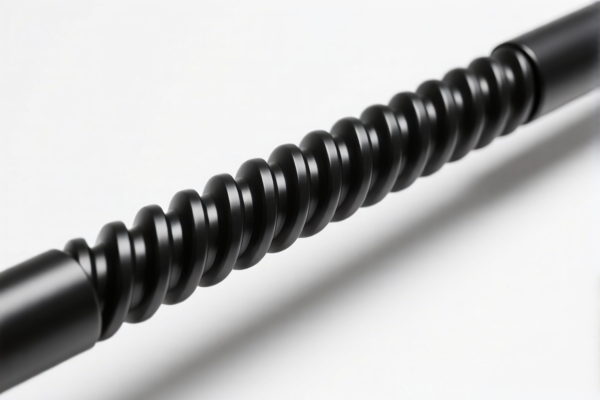
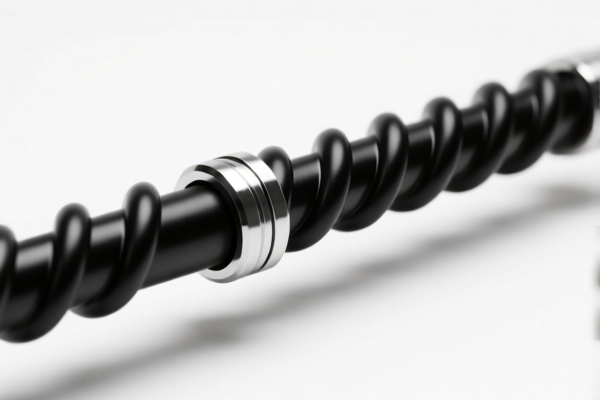
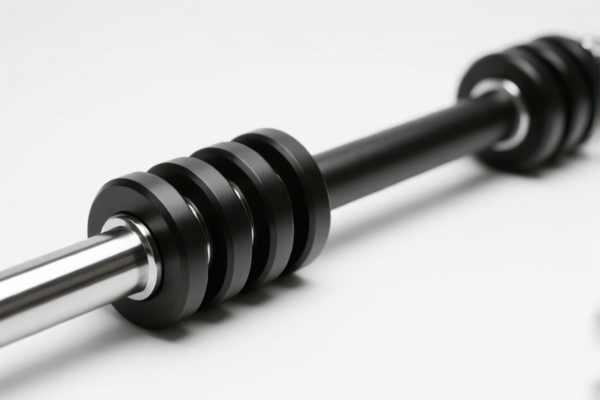
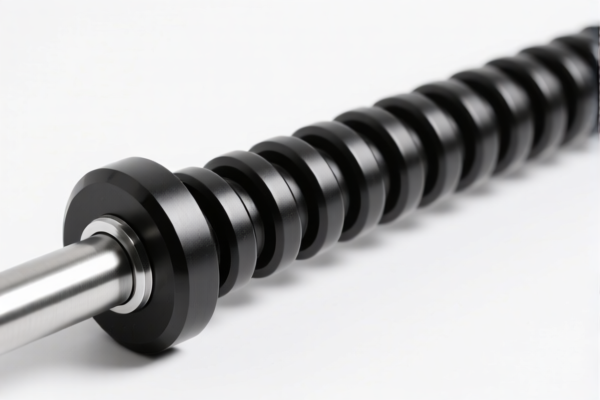
Shock Absorber Pads (often referred to as door buffers, door bumpers, or cushion pads) are critical components in automotive assembly. They serve as connecting and buffering elements between the vehicle door and the body frame. Their primary functions include: 1. Shock Absorption: Reducing impact noise and vibration when the door closes. 2. Sealing & Insulation: Enhancing soundproofing and weather sealing. 3. Protection: Preventing direct metal-to-metal contact.
In international trade, these products are categorized based on their material composition and functional description. Misclassification can lead to significant tariff discrepancies, especially under current US trade policies.
⚠️ Key Classification Distinction:
- If classified as Plastic/Rubber Accessories → Lower base duty, but subject to specific "Section 301" and "122" levies.
- If classified as Automotive Specific Parts → Higher base duty, but potentially different exemption eligibility.
- Critical Factor: Is it a "part of a vehicle" (Ch. 87) or a "general article of plastic/rubber" (Ch. 39/40)?
📦 II. HS Code Classification Details (Authoritative Comparison)
| HS Code | Product Description | Application Logic | Material Inference |
|---|---|---|---|
3926.30.50.00 |
Other articles of plastics: Door buffer pads (Body-related parts) | Classified as Body-related parts; shape falls under "connecting/buffering pads". | Plastic (usually PVC/ABS) |
4016.99.30.00 |
Other articles of vulcanized rubber: Shock absorption products | Classified as Shock Absorption Products; infers rubber/sulfurized rubber. | Rubber |
8708.80.16.00 |
Parts and accessories of motor vehicles: Suspension/shock absorbers | Classified as Vehicle Parts; functional attribute aligns with suspension/damping systems. | Any (Part Logic) |
3926.90.10.00 |
Other articles of plastic: Auto parts/finished goods | Classified as Auto Parts; general "finished article" logic for plastic/rubber mix. | Plastic/Rubber Mix |
4016.99.55.00 |
Other articles of vulcanized rubber: Vehicle shock control items | Classified as Vehicle Shock Control; specific for rubber-based damping controls. | Sulfurized Rubber |
🔍 Key Insight:
- Chapter 87 (8708.80.16.00) is often the most "logical" for auto parts, but carries a higher base duty (2.5%) + high add-ons (37.5% total). - Chapter 39/40 (3926/4016) often offers a lower base duty (0%-3.4%) but still incurs significant trade war surcharges. -3926.90.10.00frequently offers the lowest total effective rate (20.9%) among the listed options, making it a strategic choice if the material justification holds.
💰 III. 2024-2025 Detailed Tariff Rate Analysis (US Imports from China)
✅ Applicable Country: United States (US)
✅ Origin: China (CN)
✅ Components: Base Duty + USITC Footnote Tariffs (Section 301) + IEEPA/Section 122 Tariffs
🎯 1. 3926.30.50.00 – Plastic Articles (Body-Related)
| Item | Content |
|---|---|
| Base Duty | 5.3% |
| USITC Footnote 9903.88.01 (Section 301) | +7.5% |
| IEEPA / Section 122 (China Specific) | +10% |
| Total Effective Rate | 22.8% |
| De Minimis Exemption | ❌ Not Eligible (Deny de minimis for Section 301 items) |
| Legal Path | USITC:3926.30.50.00 → FOOTNOTE:9903.88.01 → IEEPA:9903.01.24 |
📌 Analysis:
- This classification benefits from a moderate base duty. - The total rate of 22.8% is competitive compared to automotive parts. - Recommendation: Use if the pad is predominantly plastic and can be described as a "body accessory" rather than a "suspension part."
🎯 2. 4016.99.30.00 – Rubber Articles (Shock Absorption)
| Item | Content |
|---|---|
| Base Duty | 0.0% |
| USITC Footnote 9903.88.01 (Section 301) | +25.0% |
| IEEPA / Section 122 (China Specific) | +10% |
| Total Effective Rate | 35.0% |
| De Minimis Exemption | ❌ Not Eligible |
| Legal Path | USITC:4016.99.30.00 → FOOTNOTE:9903.88.01 → IEEPA:9903.01.24 |
📌 Analysis:
- Although base duty is 0%, the 25% Section 301 tariff applies heavily. - Total rate 35.0% is significantly higher than3926.30.50.00. - Warning: Do not choose this if you can justify plastic classification.
🎯 3. 8708.80.16.00 – Auto Parts (Suspension/Shock)
| Item | Content |
|---|---|
| Base Duty | 2.5% |
| USITC Footnote 9903.88.01 (Section 301) | +25.0% |
| IEEPA / Section 122 (China Specific) | +10% |
| Total Effective Rate | 37.5% |
| De Minimis Exemption | ❌ Not Eligible |
| Legal Path | USITC:8708.80.16.00 → FOOTNOTE:9903.88.01 → IEEPA:9903.01.24 |
📌 Analysis:
- This is the "most accurate" functional description (part of the suspension/damping system). - However, it attracts the highest total tariff (37.5%). - Only use if customs strictly requires "Auto Parts" classification and rejects plastic/rubber codes.
🎯 4. 3926.90.10.00 – Other Plastic Articles (Auto Parts)
| Item | Content |
|---|---|
| Base Duty | 3.4% |
| USITC Footnote 9903.88.01 (Section 301) | +7.5% |
| IEEPA / Section 122 (China Specific) | +10% |
| Total Effective Rate | 20.9% |
| De Minimis Exemption | ❌ Not Eligible |
| Legal Path | USITC:3926.90.10.00 → FOOTNOTE:9903.88.01 → IEEPA:9903.01.24 |
📌 Analysis:
- ⭐ LOWEST TARIFF OPTION (20.9%). - This code falls under "Other Articles of Plastic," which often enjoys lower Section 301 rates (7.5%) compared to the 25% bracket. - Strategy: If the material is plastic or a plastic-dominant composite, push for this code to save ~16-17% in duties compared to rubber/auto parts codes.
🎯 5. 4016.99.55.00 – Rubber Articles (Vehicle Control)
| Item | Content |
|---|---|
| Base Duty | 2.5% |
| USITC Footnote 9903.88.01 (Section 301) | +25.0% |
| IEEPA / Section 122 (China Specific) | +10% |
| Total Effective Rate | 37.5% |
| De Minimis Exemption | ❌ Not Eligible |
| Legal Path | USITC:4016.99.55.00 → FOOTNOTE:9903.88.01 → IEEPA:9903.01.24 |
📌 Analysis:
- Identical total rate to the auto parts code. - Avoid unless the product is 100% vulcanized rubber and cannot be classified under plastic.
🛠️ IV. Customs Clearance Practical Advice (Risk Mitigation)
✅ 1. Documentation Checklist (Must-Have)
| Document | Required? | Purpose |
|---|---|---|
| ✅ Product Specification Sheet | ✔️ | Detail material composition (e.g., "70% PVC, 30% Rubber"). Crucial for Ch. 39 vs. Ch. 40. |
| ✅ Photos (Labeled) | ✔️ | Show cross-section, installation location, and any branding. |
| ✅ Invoice | ✔️ | Describe as "Plastic Door Buffer Pad, Model XYZ" (Avoid vague terms like "Auto Part" if using Ch. 39). |
| ✅ Bill of Lading | ✔️ | Ensure quantity matches invoice. |
| ✅ Origin Certificate | ✔️ | Confirm CN origin to anticipate exact duty calculations. |
✅ 2. Declaration Strategy (Golden Rules)
🔥 Mnemonic: "Material First, Function Second, Code Saves Money!"
| Scenario | Recommended HS Code | Why? |
|---|---|---|
| Plastic/PVC Pad | 3926.90.10.00 |
Lowest Duty (20.9%). Best if material is primarily plastic. |
| Plastic Body Accessory | 3926.30.50.00 |
Moderate Duty (22.8%). Good alternative if Ch. 3926.90 is contested. |
| Pure Rubber Pad | 4016.99.30.00 |
Higher duty (35.0%). Only if material is strictly rubber. |
| Strictly "Auto Part" | 8708.80.16.00 |
Highest Duty (37.5%). Use only if forced by customs examiners. |
✅ 3. Common Pitfalls & Solutions
| Pitfall | Consequence | Solution |
|---|---|---|
| Vague Description ("Door Pad") |
Customs may assign worst-case code (8708) automatically. |
Be Specific: Use "Plastic Shock Absorber Pad for Vehicle Door." |
| Mixing Materials | Dispute between Ch. 39 and Ch. 40. | Provide Material Breakdown (e.g., "Hard Plastic Frame, Soft Rubber Insert"). Prioritize the material that grants the lower duty. |
| Ignoring Section 122 | Unexpected 10% tax. | Factor 10% IEEPA/122 into all cost models. No exemption for China-origin goods. |
| De Minimis Misunderstanding | Assuming $800 exemption applies. | False: Section 301 and IEEPA items are excluded from de minimis. Always pay duty. |
🌍 V. Market Comparison (2024-2025)
| Market | Recommended Code | Est. Total Duty (China Origin) | Key Requirement |
|---|---|---|---|
| 🇺🇸 USA | 3926.90.10.00 |
20.9% | Section 301 + IEEPA apply. No de minimis. |
| 🇨🇳 China | 3926.90.10.00 |
~5-9.5% | Standard Import Duty + VAT. Lower burden. |
| 🇪🇺 EU | 3926.90.90 |
6.5% | Standard Duty. No Section 301 equivalent. |
| 🇨🇦 Canada | 3926.90.90.00 |
~5-6% | MFN Duty applies. |
📌 Conclusion:
- The US market is the most critical due to high add-on tariffs.
- Optimizing the HS Code from8708(37.5%) to3926.90.10(20.9%) saves 16.6% on CIF value.
- For a $100,000 shipment, this is a $16,600 difference!
📌 VI. Final Recommendation & Action Plan
- Prioritize
3926.90.10.00: If your product is plastic-based, this is your cost-effective champion. - Support with Data: Prepare material safety data sheets (MSDS) or composition declarations to prove plastic content.
- Avoid
8708.80.16.00unless necessary: It is the "safest" functional fit but the "most expensive." Only use if customs insists on "Part of Vehicle" classification despite plastic content. - No De Minimis: Plan cash flow for duty payments. Do not use de minimis (Section 321) for these codes from China.
🚀 Pro Tip:
File an Advance Ruling (CBP Ruling) if importing large volumes. This locks in the HS Code legally and protects you from future audits claiming misclassification.
✨ Clearance Tip:
Precision in description pays dividends. Don't let a 16% duty difference sink your margin!
💼 Your Supply Chain, Optimized.
用户评价
关于 HS 编码归类
协调制度(HS)是由世界海关组织(WCO)制定的国际贸易商品分类标准。全球 200 多个国家采用 HS 系统作为海关关税、贸易统计和进出口监管的基础。
每个 HS 编码遵循以下层级结构:
- 章(2 位)——商品大类(例如:第 84 章:机器和机械设备)
- 品目(4 位)——章内的更具体分类
- 子目(6 位)——国际通用细分,所有 WCO 成员国统一使用
- 本国细分(8-10 位)——各国自行扩展的细分编码,如美国 HTSUS 10 位编码
正确的 HS 编码归类对于顺利通关、准确缴纳关税和遵守贸易法规至关重要。错误归类可能导致海关延误、多缴关税或罚款。
从CN进口到US时,适用的关税税率可能包括:
- 最惠国(MFN)税率——适用于 WTO 成员国的标准关税税率
- 普通税率——适用于无贸易协定国家
- 贸易救济关税——附加关税,如 301 条款(反倾销)、232 条款(国家安全)或反补贴税
本页内容仅供参考。如需正式归类,请咨询当地海关或持牌报关代理。