Shoe Components and Parts
CN → US| HS编码 | 关税税率 | 原产国 | 目的国 | 文档 |
|---|---|---|---|---|
| 4205002000 | 35.0% | CN | US | 官方文档 |
| 4205008000 | 35.0% | CN | US | 官方文档 |
| 6406909000 | 17.5% | CN | US | 官方文档 |
| 4203406000 | 35.0% | CN | US | 官方文档 |
| 6406109040 | 22.0% | CN | US | 官方文档 |
商品图片
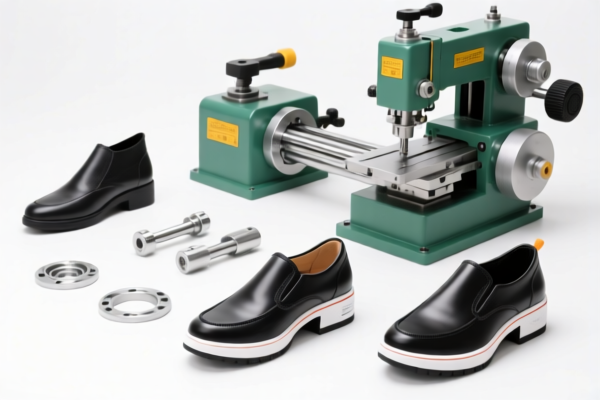
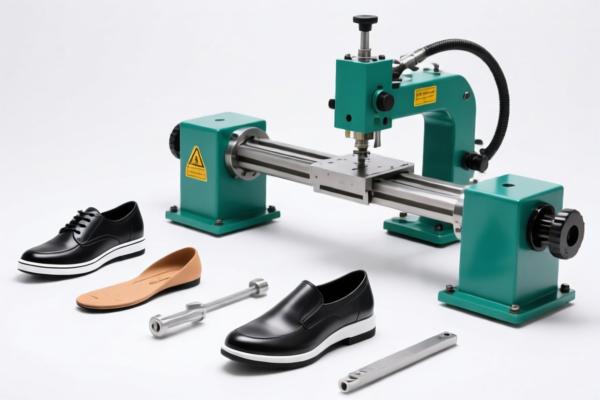
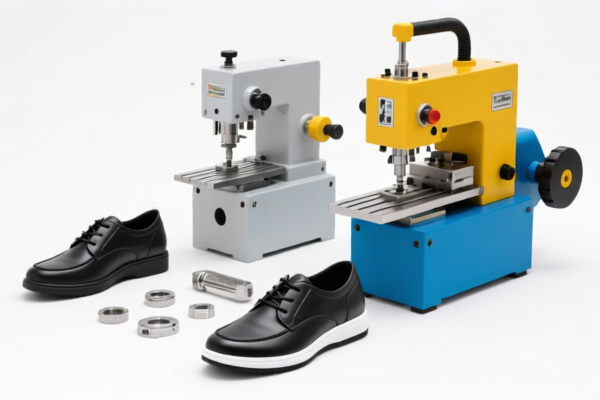
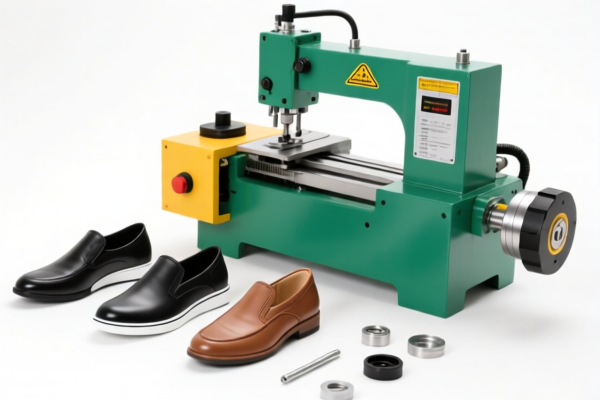
AI分析
👟 Shoe Components and Parts (Footwear Accessories & Sub-Assemblies)
🌐 HS Code Reference & Clearance Guide | 2026 Latest Tariff Analysis | Professional Customs Strategy
📌 I. Product Definition and Classification: What Exactly Are "Shoe Parts"?
In international trade, "Shoe Components" are not a single unified category. They are fragmented across Chapter 42 (Articles of Leather) and Chapter 64 (Footwear), depending on material composition, specific function, and degree of assembly.
- Leather-Based Accessories (Ch 42): Items made of leather or regenerated leather, such as laces, heels, uppers, and decorative strips. These are often classified as "parts of articles of leather."
- General Footwear Parts (Ch 64): Components like outsoles, insoles, heel caps, and uppers made from non-leather materials (rubber, plastic, textile). These fall under the general "parts of footwear" category.
⚠️ Key Distinction Point:
- If the part is made of leather/regenerated leather and functions as an accessory or upper component → Likely Chapter 42.
- If the part is a structural component (like an outsole or insole) made of non-leather materials → Likely Chapter 64.
- Misclassification Risk: Classifying leather laces as general footwear parts (Ch 64) instead of leather accessories (Ch 42) can lead to incorrect tax calculations and customs penalties.
📦 II. HS Code Classification Matrix (2026 Latest Tariff Alignment)
Based on the provided data, here are the 5 specific HS Codes relevant to shoe components, along with their summaries and tariff structures.
| HS Code | Product Description (Summary) | Material/Type Assumption | Total Tax Rate |
|---|---|---|---|
4205.00.20.00 |
Shoe accessories (e.g., laces); inferred to be leather/regenerated leather. | Leather/Regenerated Leather | 35.0% |
4205.00.80.00 |
Shoe accessories (Other parts); inferred composite/leather material. | Composite/Other Leather | 35.0% |
6406.90.90.00 |
Footwear parts (General); used as a catch-all for non-leather structural parts. | Non-Leather (Rubber/Plastic/etc.) | 17.5% |
4203.40.60.00 |
Shoe components (Uppers/Parts); inferred leather/synthetic leather, treated as garment accessories. | Leather/Synthetic Leather | 35.0% |
6406.10.90.40 |
Footwear parts (Uppers/Parts); catch-all rule for non-leather uppers/parts. | Non-Leather Uppers | 22.0% |
🔍 Critical Insight:
- Leather vs. Non-Leather is the Pivot: Notice the drastic difference in tax rates. Leather-based items (4205,4203) face a 35% total tax, while non-leather structural items (6406) face 17.5% - 22%. - "Catch-All" Rules Apply: Several codes (like6406.90.90.00and6406.10.90.40) are used when no specific material conflict arises, defaulting to generic footwear parts.
💰 III. 2026 Latest Tariff Rate Breakdown (US Market)
✅ Applicable Country: United States (US)
✅ Origin: China (CN)
✅ Effective Date: 2025/2026 Period
🎯 1. Leather-Based Shoe Parts (High Tax Bracket)
A. 4205.00.20.00 & 4205.00.80.00 & 4203.40.60.00
These codes all share the same total tax rate due to similar tariff treatments for leather articles.
| Item | Detail |
|---|---|
| Base Duty | 0.0% (Ad Valorem) |
| Section 301 Added Duty | +25.0% (USITC Footnote for Chinese Origin) |
| Section 122 Duty | +10.0% (Specific trade remedy/legislative addition) |
| Total Effective Rate | 35.0% |
| Calculation Base | CIF Value × 35% |
| De Minimis Exemption | ❌ Not Available (These goods are explicitly subject to additional duties) |
| Legal Path | Base Rate (0%) + Section 301 (25%) + Section 122 (10%) = 35% |
📌 Explanation:
- The 25% Section 301 duty is the standard punitive tariff on most Chinese manufactured goods.
- The 10% Section 122 duty is an additional levy often applied under specific trade statutes (note: verify current status of Section 122 applicability as it may vary by specific product list updates, but per provided data, it is active).
- Total: 35%. This is a significant cost driver for leather shoe accessories.
🎯 2. Non-Leather Footwear Parts (Lower Tax Bracket)
B. 6406.90.90.00 (General Parts / Catch-All)
| Item | Detail |
|---|---|
| Base Duty | 0.0% |
| Section 301 Added Duty | +7.5% (Reduced rate for certain footwear parts vs. general goods) |
| Section 122 Duty | +10.0% |
| Total Effective Rate | 17.5% |
| Calculation Base | CIF Value × 17.5% |
| De Minimis Exemption | ❌ Not Available |
| Legal Path | Base Rate (0%) + Section 301 (7.5%) + Section 122 (10%) = 17.5% |
📌 Explanation:
- Some footwear parts enjoy a lower Section 301 rate (7.5%) compared to the standard 25%.
- However, the 10% Section 122 still applies, bringing the total to 17.5%.
- Savings: Compared to leather parts (35%), this saves 17.5 percentage points.
C. 6406.10.90.40 (Uppers/Parts - Non-Leather)
| Item | Detail |
|---|---|
| Base Duty | 4.5% |
| Section 301 Added Duty | +7.5% |
| Section 122 Duty | +10.0% |
| Total Effective Rate | 22.0% |
| Calculation Base | CIF Value × 22.0% |
| De Minimis Exemption | ❌ Not Available |
| Legal Path | Base Rate (4.5%) + Section 301 (7.5%) + Section 122 (10%) = 22% |
📌 Explanation:
- This code has a higher base duty (4.5%) than general parts (0%).
- The Section 301 and 122 duties remain the same.
- Total: 22%.
🛠️ IV. Practical Clearance Advice (Avoiding Pitfalls)
✅ 1. Documentation Checklist (Non-Negotiable)
| Document | Requirement | Why It Matters |
|---|---|---|
| Product Specification Sheet | ✔️ Must specify Material (Leather vs. Non-Leather) | Determines Chapter 42 vs. Chapter 64. This is the #1 cause of misclassification. |
| Technical Drawing/Structure | ✔️ Show if it's an "Upper," "Lace," or "Outsole" | Helps customs officer match to the correct subheading (e.g., 4203.40 vs 6406.90). |
| Commercial Invoice | ✔️ Detailed description: "Leather Shoe Laces, Regenerated Leather, Model X" | Vague terms like "Shoe Parts" will trigger manual examination and potential reassessment. |
| Certificate of Origin | ✔️ For China Origin | Required to apply/add the 25% Section 301 and 10% Section 122 duties accurately. |
✅ 2. Classification Strategy (Key Mantras)
🔥 "Material Defines the Chapter, Function Defines the Code!"
| Scenario | Correct Approach | Incorrect Approach | Consequence |
|---|---|---|---|
| Shoe Laces (Leather) | Classify as 4205.00.20.00 (35%) |
Classify as 6406.90.90.00 (17.5%) |
Underpayment of Tax → Penalty + Back Duties |
| Rubber Outsole | Classify as 6406.90.90.00 (17.5%) |
Classify as 4205.00.80.00 (35%) |
Overpayment of Tax → Lost Profit Margin |
| Synthetic Leather Upper | Classify as 4203.40.60.00 (35%) |
Classify as 6406.10.90.40 (22%) |
Risk: If deemed "Leather-like," customs may demand 35%. Verify definition of "Regenerated Leather." |
| Generic Footwear Part | Use 6406.90.90.00 (17.5%) |
Use specific leather code | Lowest Risk: If material is unclear, Chapter 64 is often the safer "catch-all" for non-leather. |
✅ 3. Special Handling Tips
- Composite Materials: If a shoe part contains both leather and non-leather components, customs may classify it based on the principal material or the essential character. Ensure your spec sheet highlights the dominant material.
- "Regenerated Leather": Do not assume this is exempt from high tariffs. Data shows
4205.00.20.00applies to "Regenerated Leather" at 35%. Treat it as leather for duty purposes. - Avoid "De Minimis" Hope: Many importers try to use the $800 de minimis rule. However, the data explicitly indicates deny_de_minimis for these codes due to the additional duties. Plan your logistics accordingly.
🌍 V. Market Comparison & Strategic Advice
| Market | Recommended HS Code Focus | Approx. Total Duty (CN Origin) | Key Consideration |
|---|---|---|---|
| 🇺🇸 USA | 4205 / 6406 Series |
17.5% - 35% | High Section 301 & 122 duties. Crucial to distinguish material. |
| 🇨🇳 China | 4205 / 6406 Series |
~0% - 10% (Import to China) | Lower base duties. Focus on accurate HS for domestic resale. |
| 🇪🇺 EU | 4205 / 6406 Series |
~0% - 12% | No Section 301/122. Standard MFN rates apply. |
| 🇬🇧 UK | 4205 / 6406 Series |
~0% - 12% | Post-Brexit tariffs similar to EU for most footwear parts. |
📌 Conclusion:
- USA is the Highest Cost Market for shoe components due to the 35% total burden on leather parts and 17.5-22% on non-leather parts.
- Cost Optimization: If possible, design parts using non-leather materials (rubber, plastic, textile) to qualify for Chapter 64 (17.5%-22%), saving up to 17.5% compared to leather alternatives.
📌 VI. Common Errors & Pitfalls (Lessons Learned)
❌ Error 1: Classifying Leather Laces as "General Footwear Parts" (Ch 64).
👉 Result: Customs audit reveals misclassification. You owed 35%, paid 17.5%. Penalty + Interest.
❌ Error 2: Ignoring Section 122.
👉 Result: Even if Section 301 is low (7.5%), forgetting the 10% Section 122 leads to a 10% shortfall in duty payment.
❌ Error 3: Vague Invoice Description "Shoe Accessories".
👉 Result: Customs officer makes a default classification, likely choosing the highest or least favorable code based on ambiguity. Delay + Extra Inspection Fees.
❌ Error 4: Assuming "De Minimis" applies.
👉 Result: Package is seized or held for duty payment because these HS codes are explicitly excluded from de minimis treatment under current trade laws.
✅ Correct Practice:
"Precise Material Declaration: 'Leather Shoe Laces, Regenerated Leather, Made in China' + 'Rubber Outsole, Molded, Made in China'."
🎯 VII. Conclusion: Precision in Classification, Profit in Clearance
🎯 Remember the Mantra:
🔹 "Leather = 35% (Chapter 42), Non-Leather = 17.5-22% (Chapter 64)"
🔹 "Section 301 + Section 122 = The Tax Double-Whammy"
🔹 "De Minimis is Dead for These Codes!"
📌 Pro Tip:
If you are importing large volumes, consider Advanced Rulings (ISF + Pre-Ruling) with US Customs and Border Protection (CBP). A binding ruling on whether a specific composite part qualifies as "Leather" or "Non-Leather" can save you thousands in disputes.
📣 Immediate Action:
📞 Consult Customs Brokers: Provide physical samples or high-res photos.
📝 Update Your Specs: Clearly distinguish between Leather, Regenerated Leather, and Non-Leather materials in all commercial documents.
🚀 Optimize Design: Shift non-structural parts to non-leather materials to reduce tax burden.
✨ Expert Clearance Starts with Accurate Classification!
💼 Every Percentage Point of Duty is Pure Profit Impact!
用户评价
关于 HS 编码归类
协调制度(HS)是由世界海关组织(WCO)制定的国际贸易商品分类标准。全球 200 多个国家采用 HS 系统作为海关关税、贸易统计和进出口监管的基础。
每个 HS 编码遵循以下层级结构:
- 章(2 位)——商品大类(例如:第 84 章:机器和机械设备)
- 品目(4 位)——章内的更具体分类
- 子目(6 位)——国际通用细分,所有 WCO 成员国统一使用
- 本国细分(8-10 位)——各国自行扩展的细分编码,如美国 HTSUS 10 位编码
正确的 HS 编码归类对于顺利通关、准确缴纳关税和遵守贸易法规至关重要。错误归类可能导致海关延误、多缴关税或罚款。
从CN进口到US时,适用的关税税率可能包括:
- 最惠国(MFN)税率——适用于 WTO 成员国的标准关税税率
- 普通税率——适用于无贸易协定国家
- 贸易救济关税——附加关税,如 301 条款(反倾销)、232 条款(国家安全)或反补贴税
本页内容仅供参考。如需正式归类,请咨询当地海关或持牌报关代理。