Shoe Covers (Oil proof)
CN → US| HS编码 | 关税税率 | 原产国 | 目的国 | 文档 |
|---|---|---|---|---|
| 3926909989 | 22.8% | CN | US | 官方文档 |
| 4015900010 | 39.0% | CN | US | 官方文档 |
| 6116109500 | 24.5% | CN | US | 官方文档 |
| 4015900050 | 39.0% | CN | US | 官方文档 |
| 3926909989 | 22.8% | CN | US | 官方文档 |
商品图片
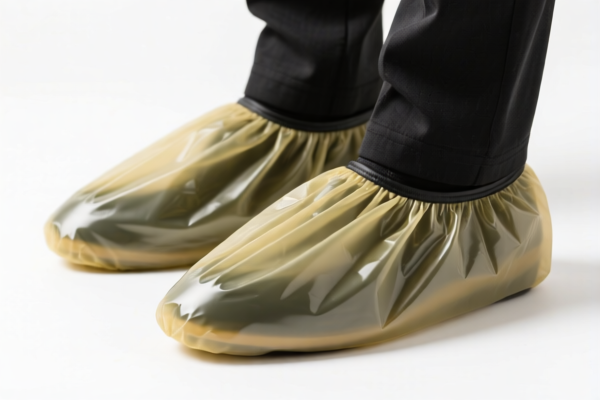
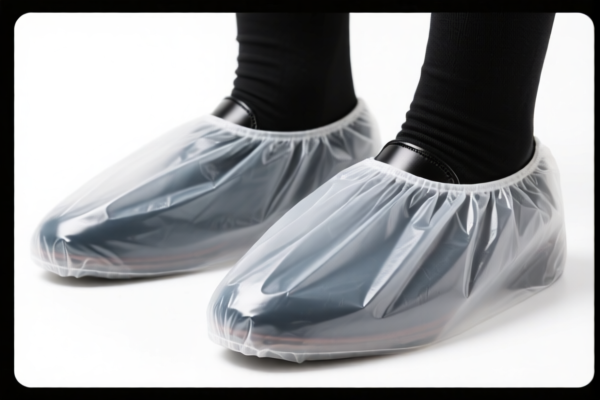
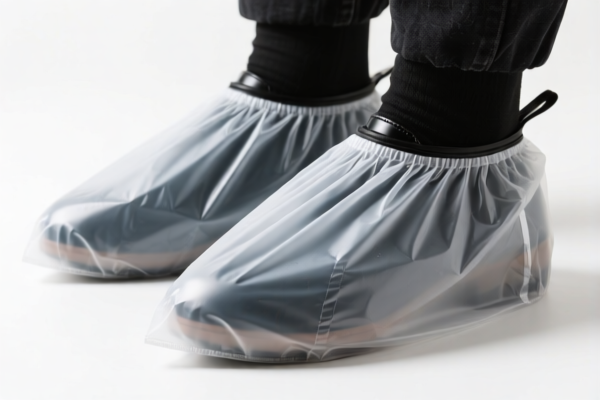
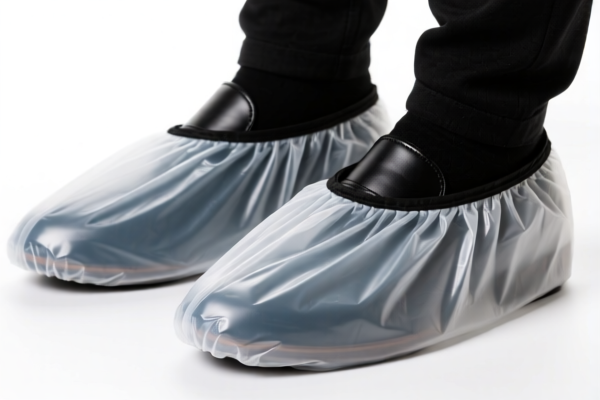
AI分析
👟 Oil-Proof Shoe Covers: HS Code Classification & US Customs Clearance Strategy
🌐 HS Code Reference & Clearance Guide | 2026 Latest Tariff Analysis | Professional-Level Entry Strategy
📌 I. Product Definition & Classification: Do You Really Understand "Oil-Proof Shoe Covers"?
Shoe covers, specifically those designed for oil-proof applications, are critical protective gear in industrial, automotive, food processing, and medical environments. In international trade, they are primarily classified as protective clothing accessories made from rubber or plastic.
Due to the material difference, they fall into two main categories: 1. Plastic Shoe Covers (Polyethylene/PVC): Lightweight, disposable, often used for general oil-resistant protection. 2. Vulcanized Rubber Shoe Covers: Heavier, durable, specifically engineered for heavy-duty oil resistance in mechanical workshops.
⚠️ Key Classification Distinction:
- If made of Plastic → Generally falls under Chapter 39 (Articles of Plastics).
- If made of Vulcanized Rubber → Generally falls under Chapter 40 (Articles of Rubber).
- Critical Note: The "Oil-Proof" feature does not change the HS Code but justifies the specific sub-heading descriptions in some cases. However, the material is the primary determinant.
📦 II. HS Code Classification Details (Based on Provided Data)
The provided dataset lists four unique HS Codes, with one code appearing twice under slightly different summaries. Below is the authoritative breakdown for the US market (implied by "Section 301" and "IEEPA" references in tax details).
| HS Code | Product Description | Material | Key Features | Total Tax Rate |
|---|---|---|---|---|
3926.90.99.89 |
Plastic Shoe Covers, Oil-Proof / Other Plastic Articles | Plastic | General oil-resistant use, disposable or semi-durable | 22.8% |
4015.90.00.10 |
Vulcanized Rubber Oil-Proof Shoe Covers, Apparel Accessory | Vulcanized Rubber | Heavy-duty oil resistance, classified as apparel accessory | 39.0% |
6116.10.95.00 |
Rubber/Plastic Coated/Impregnated Shoe Covers, Oil-Proof | Rubber/Plastic Coated | Impregnated/coated fabric with oil-proof function | 24.5% |
4015.90.00.50 |
Vulcanized Rubber Other Protective Shoe Covers, Oil-Proof | Vulcanized Rubber | Durable, specific to oil-proof scenarios | 39.0% |
🔍 Important Observation:
- Plastic (3926.90.99.89) has the lowest tax burden at 22.8%.
- Vulcanized Rubber (4015.90.00.10&.50) has the highest tax burden at 39.0%.
- Coated/Impregnated (6116.10.95.00) sits in the middle at 24.5%.
💰 III. 2026 Latest Tariff Rate Breakdown (Detailed Tax Clauses)
✅ Applicable Country: United States (US)
✅ Origin: China (CN)
✅ Effective Time: Ongoing (including post-2025 imports)
🎯 1. 3926.90.99.89 – Plastic Shoe Covers (Oil-Proof)
| Item | Detail |
|---|---|
| Base Tariff | 5.3% |
| Section 301 Add-on | +7.5% |
| Section 122 Tariff | +10.0% |
| Total Tax Rate | 22.8% |
| Tax Calculation | CIF Value × 22.8% |
| De Minimis Exemption | ❌ No (High rate excludes low-value exemption benefits in most B2B contexts) |
| Legal Basis | Base Tariff (HTSUS) → Section 301 Footnote → Section 122 (if applicable) |
📌 Explanation:
- Section 122 Tariff: Often refers to specific emergency tariffs or surcharges on certain goods from China.
- Section 301 (7.5%): Additional tariff on Chinese imports to address unfair trade practices.
- Combined Impact: Even though it's plastic, the total 22.8% is significant. Ensure the product is purely plastic and not rubber-coated to avoid misclassification.
🎯 2. 4015.90.00.10 & 4015.90.00.50 – Vulcanized Rubber Shoe Covers
| Item | Detail |
|---|---|
| Base Tariff | 4.0% |
| Section 301 Add-on | +25.0% |
| Section 122 Tariff | +10.0% |
| Total Tax Rate | 39.0% |
| Tax Calculation | CIF Value × 39.0% |
| De Minimis Exemption | ❌ No |
| Legal Basis | Base Tariff (HTSUS) → Section 301 Footnote (High Rate) → Section 122 |
📌 Explanation:
- High Section 301 Rate (25%): Rubber products from China face steep additional tariffs.
- Why so high?: Rubber shoe covers are considered durable goods with higher value-added, attracting higher punitive tariffs.
- Critical Risk: Misclassifying a rubber cover as plastic (3926) to save 16.2% in taxes can lead to severe penalties, back taxes, and detention.
🎯 3. 6116.10.95.00 – Coated/Impregnated Oil-Proof Shoe Covers
| Item | Detail |
|---|---|
| Base Tariff | 7.0% |
| Section 301 Add-on | +7.5% |
| Section 122 Tariff | +10.0% |
| Total Tax Rate | 24.5% |
| Tax Calculation | CIF Value × 24.5% |
| De Minimis Exemption | ❌ No |
| Legal Basis | Base Tariff (HTSUS) → Section 301 → Section 122 |
📌 Explanation:
- Intermediate Cost: This code applies to shoes where the base is fabric or other material, but coated with rubber/plastic for oil resistance.
- Classification Challenge: Must prove the primary character is the coating (Chapter 40/39) rather than the base fabric (Chapter 61). However, the provided data assigns it to6116, which is under Chapter 61 (Knitted/Crocheted Apparel).
- Strategic Insight: If your product is a fabric shoe cover with plastic/rubber coating, this 24.5% rate applies. Do not confuse it with pure rubber or plastic covers.
🛠️ IV. Customs Clearance Practical Advice (Pitfall Avoidance Guide)
✅ 1. Documentation Checklist (Non-Negotiable)
| Document | Required? | Description |
|---|---|---|
| ✅ Product Specification Sheet | ✔️ | Must clearly state: Material (Plastic/Rubber/Coated), Oil-Resistance Certification, Thickness. |
| ✅ Material Declaration | ✔️ | Explicitly declare "100% Plastic" or "Vulcanized Rubber" to justify HS Code. |
| ✅ Product Photos | ✔️ | Show texture (smooth for plastic, matte/durable for rubber), sole design, and oil-resistance labels. |
| ✅ Commercial Invoice | ✔️ | Describe as "Oil-Proof Plastic Shoe Covers" or "Vulcanized Rubber Protective Covers". Avoid vague terms like "Safety Gear". |
| ✅ Origin Certificate (CO) | ✔️ | Confirm China origin to apply correct Section 301/122 rates. |
✅ 2. Declaration Tips (Key Mantras)
🔥 "Material is King, Description is Queen, HS Code is Kingpin!"
| Scenario | Correct Declaration | Wrong Action | Consequence |
|---|---|---|---|
| Pure Plastic Cover | 3926.90.99.89 |
Declare as Rubber | Under-declaration: 16.2% tax evasion + penalties. |
| Pure Rubber Cover | 4015.90.00.10/.50 |
Declare as Plastic | Over-declaration: Pay 22.8% instead of 39.0%? No, wait! If you declare Plastic for Rubber, you under-pay 16.2%. Customs will audit and demand back taxes + fines. |
| Coated Fabric Cover | 6116.10.95.00 |
Declare as Plastic | Misclassification: If the base is fabric, 6116 is more accurate. Misclassification risks delays. |
| Mix of Types in One Shipment | Split HS Codes | Lump Sum | Customs may reject lump-sum declaration and inspect every item, causing delays. |
✅ 3. Special Cases & Risk Management
| Situation | Recommendation |
|---|---|
| Dual-Material Covers (e.g., Plastic sole + Rubber grip) | Use Section 11 General Rules of Interpretation (GRI 3(b)). Classify by "essential character". Usually, the material covering most surface area or providing primary function (oil-proofing) determines the code. |
| "Oil-Proof" Certification | Provide test reports (e.g., ASTM D471) proving oil resistance. This supports the product description but does not change the HS Code. |
| Section 122 Tariff | Verify if the current Section 122 tariff applies to your specific import date and port. Some 122 tariffs are temporary or port-specific. |
| De Minimis (Section 321) | ❌ Not Applicable: Due to total rates >25%, most shipments from China are excluded from the $800 de minimis exemption. File a formal entry (Type 01/06). |
🌍 V. Global Market Comparison (2026 Outlook)
| Country/Region | Recommended HS Code | Total Tax Rate (China Origin) | Notes |
|---|---|---|---|
| 🇺🇸 USA | 3926.90.99.89 (Plastic) / 4015.90.00 (Rubber) |
22.8% (Plastic) / 39.0% (Rubber) | High Risk: Section 301 + 122 tariffs make rubber covers very expensive. |
| 🇨🇳 China | 3926.90.90 / 4015.90 |
Low (0-10%) | No Section 301/122. Ideal for domestic sales. |
| 🇪🇺 EU | 3926.90 / 4015.90 |
~5-10% | No Section 301. Standard MFN rates apply. |
| 🇯🇵 Japan | 3926.90 / 4015.90 |
~5-8% | No Section 301. Easier clearance. |
📌 Conclusion:
- USA is the most expensive market due to aggressive punitive tariffs.
- Plastic covers (3926) are the most tariff-efficient option for the US market (22.8% vs 39.0%).
- If your business is sensitive to cost, consider shifting rubber cover production to non-China countries (Vietnam, Thailand) to avoid Section 301/122 tariffs.
📌 VI. Common Mistakes & Blood-Soaked Lessons
❌ Mistake 1: Using "Safety Shoe Covers" as the product name.
👉 Result: Customs cannot determine material → Delayed clearance + Potential misclassification.
✅ Fix: Use "Oil-Proof Plastic Shoe Covers" or "Vulcanized Rubber Oil-Proof Covers".
❌ Mistake 2: Assuming "Oil-Proof" means a special HS Code.
👉 Result: No such HS Code exists. It’s just a product feature.
✅ Fix: Classify by Material first (Chapter 39/40/61), then use "Oil-Proof" in the description.
❌ Mistake 3: Ignoring Section 122 Tariff.
👉 Result: Underpayment by 10% on all shipments.
✅ Fix: Always verify Section 122 applicability for your entry type.
❌ Mistake 4: Mixing Rubber and Plastic in one HS Code.
👉 Result: Audit flag for inconsistent inventory.
✅ Fix: Separate shipments or declare with accurate multi-line entries.
🎯 VII. Conclusion: Smart Classification Saves Money!
🎯 Remember the Mantra:
🔹 "Plastic 22.8%, Rubber 39.0%, Coated 24.5%."
🔹 "Material Defines HS Code, Tariff Defines Profit."
🔹 "Declare Accurately, Avoid Audits, Keep Profits High."
📌 Pro Tip:
If you are importing large volumes of rubber shoe covers, calculate the cost difference of sourcing from Vietnam or Mexico.
- China Rubber: 39.0%
- Vietnam Rubber: ~0-5% (subject to US rules of origin)
- Savings: ~35% tax reduction on high-value durable goods.
📣 Immediate Action:
📞 Consult a Licensed Customs Broker before filing.
📄 Request a Binding Ruling if unsure about material composition.
🚀 Optimize Supply Chain based on tariff impacts.
✨ Professional Clearance Starts with Precise Classification!
💼 Your Every Dollar of Tax is Worth Calculating!
用户评价
关于 HS 编码归类
协调制度(HS)是由世界海关组织(WCO)制定的国际贸易商品分类标准。全球 200 多个国家采用 HS 系统作为海关关税、贸易统计和进出口监管的基础。
每个 HS 编码遵循以下层级结构:
- 章(2 位)——商品大类(例如:第 84 章:机器和机械设备)
- 品目(4 位)——章内的更具体分类
- 子目(6 位)——国际通用细分,所有 WCO 成员国统一使用
- 本国细分(8-10 位)——各国自行扩展的细分编码,如美国 HTSUS 10 位编码
正确的 HS 编码归类对于顺利通关、准确缴纳关税和遵守贸易法规至关重要。错误归类可能导致海关延误、多缴关税或罚款。
从CN进口到US时,适用的关税税率可能包括:
- 最惠国(MFN)税率——适用于 WTO 成员国的标准关税税率
- 普通税率——适用于无贸易协定国家
- 贸易救济关税——附加关税,如 301 条款(反倾销)、232 条款(国家安全)或反补贴税
本页内容仅供参考。如需正式归类,请咨询当地海关或持牌报关代理。