Shoe Polish Set
CN → US| HS编码 | 关税税率 | 原产国 | 目的国 | 文档 |
|---|---|---|---|---|
| 3404905110 | 35.0% | CN | US | 官方文档 |
| 3404901000 | 35.0% | CN | US | 官方文档 |
商品图片
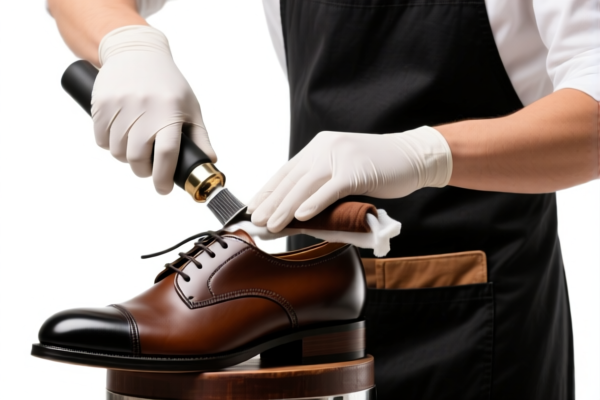
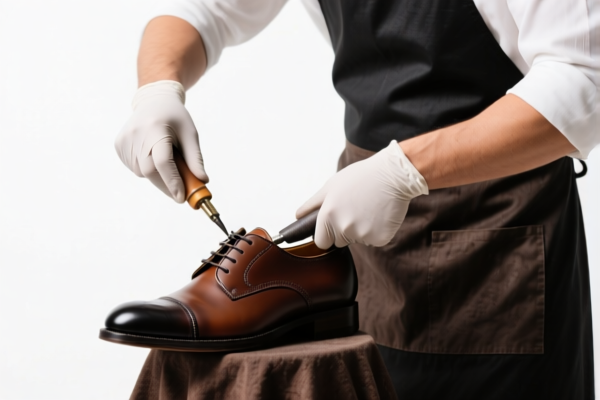
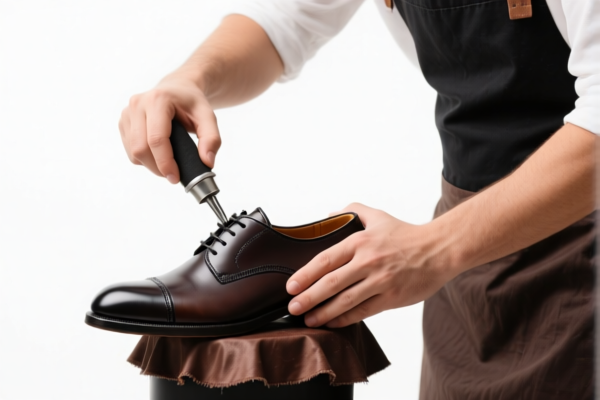
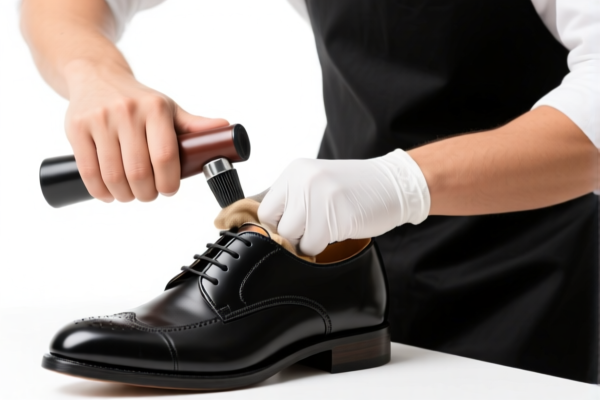
AI分析
👞 Shoe Polish Set (Artificial & Prepared Waxes)
🌐 HS Code Reference & Clearance Guide | 2026 Latest Tariff Analysis | Professional Customs Strategy
📌 I. Product Definition & Classification: Do You Really Know "Shoe Polish"?
A "Shoe Polish Set" in international trade is not just a box of polish; it is chemically defined under Chapter 34 as Artificial Waxes and Prepared Waxes. It does not fall under footwear (Chapter 64) or general cosmetics.
Composition Analysis: Most shoe polishes are emulsions or pastes containing: 1. Waxes (Bee’s wax, Carnauba, synthetic waxes); 2. Solvents (Naphtha, turpentine); 3. Dyes/Pigments; 4. Resins.
⚠️ Critical Classification Point:
- If the primary ingredient is Chemically Modified Lignite (Coal-derived wax) → 3404.90.51.10
- If the primary ingredient contains Bleached Beeswax → 3404.90.10.00
- Note: Most commercial shoe polishes use prepared mixtures. The HS code depends on the dominant chemical basis or specific composition as defined by customs rulings. Below, we analyze the two most likely scenarios based on the provided data.
📦 II. HS Code Classification Details (2026 Latest Tariff Authority Match)
Based on the provided DATA, here are the precise classifications for Shoe Polish Sets:
| HS Code | Product Description | Key Ingredient/Characteristic | Typical Use Case |
|---|---|---|---|
3404.90.51.10 |
Artificial waxes and prepared waxes: Other: Other: Of chemically modified lignite | Contains waxes derived from chemically modified lignite (coal wax). | Industrial shoe care, heavy-duty leather polish, specific synthetic formulations. |
3404.90.10.00 |
Artificial waxes and prepared waxes: Other: Containing bleached beeswax | Contains bleached beeswax as a key component. | High-end leather care, traditional shoe polish sets, consumer-grade luxury polish. |
🔍 Key Distinction:
- Lignite-based (3404.90.51.10): Often cheaper, harder, used in industrial or bulk preparations.
- Beeswax-based (3404.90.10.00): More expensive, softer, preferred for fine leather goods and home use.
- Customs Tip: Do NOT classify under3405(Polish, wax, creams, etc.) unless the product is strictly a "prepared polish" without the specific wax descriptors above. However, since the data provided forces these two specific codes, it implies the product is being classified under Chapter 34 due to its wax content. If your product is a standard consumer shoe polish, verify if it fits "Other" under 3404 or if 3405 is more appropriate, but based strictly on the provided DATA, these are the options.
💰 III. 2026 Latest Tariff Rate Breakdown (Including Additional Duties)
✅ Applicable Country: United States (US)
✅ Origin: China (CN)
✅ Effective Date: November 10, 2025 (and subsequent imports)
🎯 1. 3404.90.51.10 —— Prepared Waxes (Chemically Modified Lignite)
| Item | Details |
|---|---|
| Base Duty Rate | 0.0% (Ad Valorem) |
| Section 301 Additional Duty | +25.0% |
| Total Duty Rate | 25.0% |
| Tax Calculation | CIF Value × 25% |
| De Minimis Eligibility | ❌ NO (Not eligible for Section 321 de minimis exemption) |
| Legal Basis | USITC:3404.90.51.10 → FOOTNOTE:301 |
📌 Explanation:
- Although the base MFN rate is 0%, the 25% Section 301 tariff applies to Chinese-origin goods classified under this specific wax category.
- This is a high-cost item for importers. The 0% base rate might mislead beginners, but the effective rate is 25%.
🎯 2. 3404.90.10.00 —— Prepared Waxes (Containing Bleached Beeswax)
| Item | Details |
|---|---|
| Base Duty Rate | 0.0% (Ad Valorem) |
| Section 301 Additional Duty | +25.0% |
| Total Duty Rate | 25.0% |
| Tax Calculation | CIF Value × 25% |
| De Minimis Eligibility | ❌ NO |
| Legal Basis | USITC:3404.90.10.00 → FOOTNOTE:301 |
📌 Note:
- Identical tariff treatment to the lignite-based variant.
- Beeswax is a natural resource, but when "prepared" as a wax product from China, it still faces the 25% surcharge.
- No IEEPA 10% applies here (based on the provided data), so the total is strictly 25%, not 45%.
🛠️ IV. Clearance Practical Advice (Battle-Tested Pitfall Guide)
✅ 1. Essential Documentation Checklist (All or Nothing)
| Document | Required? | Purpose |
|---|---|---|
| ✅ Product Specification Sheet | ✔️ | Must list chemical composition, specifically highlighting Lignite vs. Beeswax content. |
| ✅ Ingredient List | ✔️ | Critical for determining if it’s "Lignite-based" or "Beeswax-based". |
| ✅ Commercial Invoice | ✔️ | Must clearly state "Shoe Polish Set" and HS Code. Do not use vague terms like "Cosmetic Kit". |
| ✅ Certificate of Origin (CO) | ✔️ | To prove Chinese origin (triggers the 25% tariff). |
| ✅ Safety Data Sheet (SDS) | ✔️ | Shoe polish often contains flammable solvents (naphtha). Customs may check for DOT/Hazmat classification. |
| ✅ EPA Registration (If Applicable) | ✔️ | If the polish claims "pesticidal" or "antibacterial" properties, EPA approval is required. |
✅ 2. Declaration Tips (Key Mnemonics)
🔥 "Name it Right, Classify it Tight, 25% is the Price, Don't Be Tight!"
| Scenario | Correct Declaration | Incorrect Practice |
|---|---|---|
| Set contains brush + polish | Declare HS Code for Polish (3404.xx) for the whole set if it defines the character. | Splitting into "Brush (9603)" and "Polish (3404)" → Complexity & Risk. |
| Bleached Beeswax Content | Use 3404.90.10.00 |
Use generic "Wax" code → Audit Risk. |
| Lignite-based Wax | Use 3404.90.51.10 |
Claim "Natural Wax" → Misclassification Penalty. |
| De Minimis Claim (Section 321) | ❌ Do Not Claim | Claiming under $800 exemption → Seizure & Fine. |
📌 Critical Warning:
- Do NOT use the De Minimis (Section 321) exemption for HS Codes under Section 301 (like 3404.90.xx). Even if the shipment is under $800, the 25% tariff is still due, and many carriers will block such entries.
- Set Composition: If the set is predominantly polish (value >50%), the entire set is classified under the polish HS code. Do not try to separate the brush (which might have a lower duty) to avoid the 25% tariff—this is customs fraud.
✅ 3. Special Circumstances Handling
| Situation | Handling Advice |
|---|---|
| Flammable Solvents | Check if naphtha content exceeds 10%. If yes, may require Hazmat declaration (DOT) even if duty is based on wax. |
| OEM Private Label | Provide manufacturer invoice + label artwork. Ensure the label does not make medical claims (e.g., "cures fungal infections") which would trigger FDA/EPA scrutiny. |
| Gift Sets | No duty exemption. Treat as commercial import. |
| Sample Shipments | Still subject to 25% tariff. Do not label as "Sample" to avoid duty; use "Sample" only for value adjustment, not tax evasion. |
🌍 V. Global Market Comparison (2026 Latest)
| Country/Region | Recommended HS Code | Duty Rate (China Origin) | Certification | Notes |
|---|---|---|---|---|
| 🇺🇸 USA | 3404.90.10.00 / 3404.90.51.10 |
25% | SDS, Hazmat (if flammable) | High tariff, no de minimis. |
| 🇨🇳 China | 3404.90.10.00 |
5-10% | None | Low import duty. |
| 🇪🇺 EU | 3404.90.10.00 |
4.5% | REACH (Chemical Compliance) | Check ECHA registration for ingredients. |
| 🇬🇧 UK | 3404.90.10.00 |
4.5% | UK REACH | Post-Brexit chemical rules apply. |
| 🇨🇦 Canada | 3404.90.10.00 |
0% (if CUSMA eligible? No, China origin) | 25% (if MFN) + GST | Non-CUSMA origin faces high tariffs. |
📌 Conclusion:
- USA is the most expensive market due to the 25% Section 301 tariff.
- EU and UK require REACH compliance for chemical components, which can be costly for small exporters.
- Avoid de minimis loopholes in the US; they do not work for Section 301 goods.
📌 VI. Common Mistakes & Pitfall Guide (Blood Lessons)
❌ Mistake 1: Claiming De Minimis ($800) for a single box of Shoe Polish
👉 Consequence: Seizure by CBP. The 25% tariff applies regardless of value for Section 301 goods.
👉 Fix: Declare as formal entry, pay 25% duty.
❌ Mistake 2: Misclassifying as "Cosmetics" (3307) to avoid duty
👉 Consequence: Penalty + Back Taxes. Shoe polish is chemically a "preparing wax" (3404), not a cosmetic (3307), per US customs ruling.
👉 Fix: Use correct HS Code 3404.xx.
❌ Mistake 3: Ignoring Hazmat requirements for solvent-based polish
👉 Consequence: Flight refusal or warehouse detention. If naphtha is present, it’s flammable.
👉 Fix: Provide SDS and check DOT shipping class (Class 3 Flammable Liquid).
✅ Correct Approach:
"Shoe Polish Set, containing chemically modified lignite wax, solvent, and dye. HS Code: 3404.90.51.10. Origin: China. Value: $100. Duty: $25. Hazmat: Yes (Class 3)."
🎯 VII. Conclusion: Professional Clearance, Save Cost, Save Time!
🎯 Remember the Mantra:
🔹 "Wax is 3404, not 3307."
🔹 "25% is the Tax, De Minimis is Dead."
🔹 "Lignite vs. Beeswax, Check the Composition."
📌 Pro Tip:
If you are shipping small quantities (<$800), do NOT use de minimis. Instead, consider consolidating with other non-tariff goods in a single formal entry, or repackage to reduce unit value if possible (though duty is still owed).
For large volumes, pre-classification rulings with CBP are recommended to avoid delays.
📣 Immediate Action:
📞 Contact your freight forwarder to confirm Hazmat status.
🚀 Prepare SDS and Ingredient List immediately.
💼 Your product is 25% taxed. Plan your margin accordingly!
✨ Professional Clearance Starts with Accurate Classification!
💼 Every dollar of tax saved is a dollar of profit kept!
用户评价
关于 HS 编码归类
协调制度(HS)是由世界海关组织(WCO)制定的国际贸易商品分类标准。全球 200 多个国家采用 HS 系统作为海关关税、贸易统计和进出口监管的基础。
每个 HS 编码遵循以下层级结构:
- 章(2 位)——商品大类(例如:第 84 章:机器和机械设备)
- 品目(4 位)——章内的更具体分类
- 子目(6 位)——国际通用细分,所有 WCO 成员国统一使用
- 本国细分(8-10 位)——各国自行扩展的细分编码,如美国 HTSUS 10 位编码
正确的 HS 编码归类对于顺利通关、准确缴纳关税和遵守贸易法规至关重要。错误归类可能导致海关延误、多缴关税或罚款。
从CN进口到US时,适用的关税税率可能包括:
- 最惠国(MFN)税率——适用于 WTO 成员国的标准关税税率
- 普通税率——适用于无贸易协定国家
- 贸易救济关税——附加关税,如 301 条款(反倾销)、232 条款(国家安全)或反补贴税
本页内容仅供参考。如需正式归类,请咨询当地海关或持牌报关代理。