Shower Anti Slip Mat
CN → US| HS编码 | 关税税率 | 原产国 | 目的国 | 文档 |
|---|---|---|---|---|
| 3921135000 | 39.2% | CN | US | 官方文档 |
| 4016100000 | 35.0% | CN | US | 官方文档 |
| 6304920000 | 23.8% | CN | US | 官方文档 |
| 6304910120 | 23.3% | CN | US | 官方文档 |
| 4016910000 | 37.7% | CN | US | 官方文档 |
商品图片
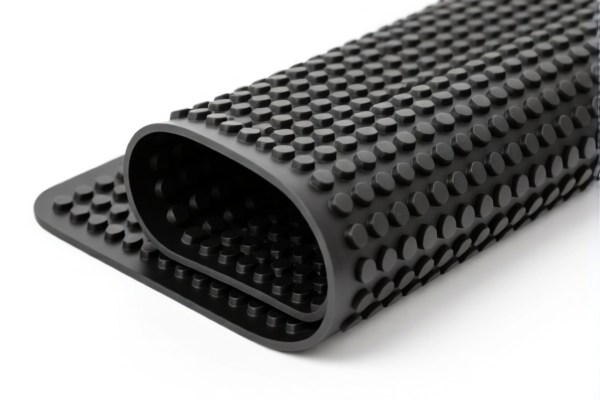
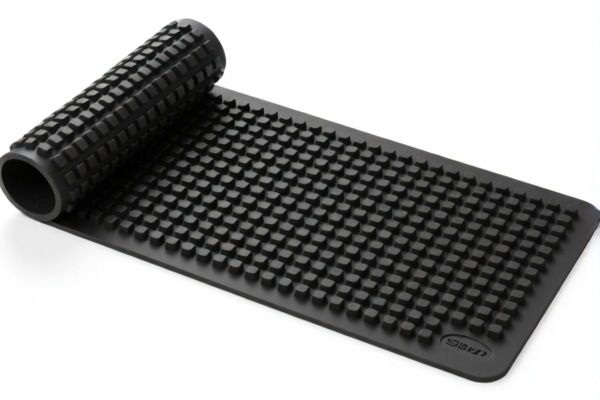
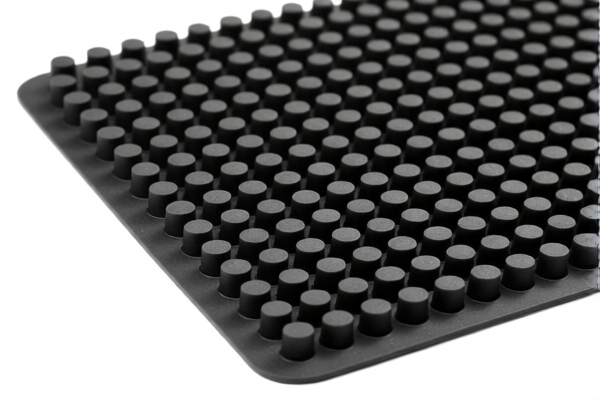
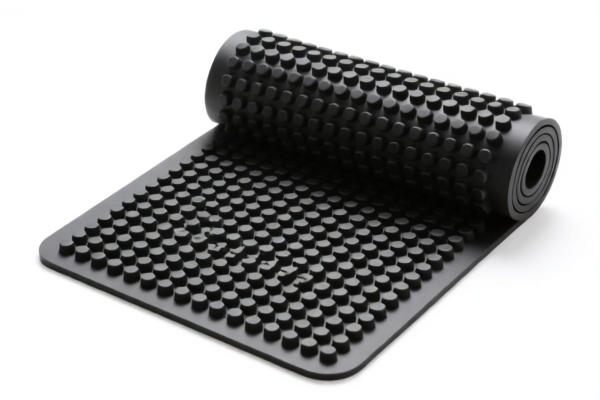
AI分析
🛁 Shower Anti-Slip Mats: The Ultimate Guide to HS Codes, Tariffs, and Clearance Strategies
🌐 HS Code Reference & Customs Clearance Guide | 2026 Latest Tariff Analysis | Professional Level Strategy
📌 1. Product Definition & Classification: Do You Really Understand "Shower Mats"?
Shower anti-slip mats are essential bathroom accessories designed to prevent slipping on wet surfaces. In international trade, they are strictly classified by their raw material. Misclassification is the #1 cause of customs delays and unexpected tariff spikes.
There are three main material categories for shower mats: * PVC/Polyurethane (Plastic): The most common non-woven or molded plastic mats. * Rubber: Usually vulcanized rubber, often used for heavy-duty or industrial-style mats. * Textile (Cotton/Knit): Fabric-based mats, often looped or terry cloth.
⚠️ Critical Distinction Point:
- If it is plastic (PVC/PU), it goes to Chapter 39.
- If it is rubber, it goes to Chapter 40.
- If it is textile (Cotton), it goes to Chapter 63.
Do not mix these up! The tariff difference can be significant.
📦 2. HS Code Classification Details (2026 Latest Tariff Alignment)
Based on the provided data, here is the precise breakdown for Shower Anti-Slip Mats imported into the US from China.
| HS Code | Product Description | Material Type | Key Classification Note |
|---|---|---|---|
| 3921.13.50.00 | Polyurethane or Plastic Mats | Plastic (PU/PVC) | Classified as sheet/plate household items. Typical for PVC foam mats. |
| 4016.10.00.00 | Rubber Mats | Rubber | Classified as other vulcanized rubber products. For solid rubber mats. |
| 6304.92.00.00 | Cotton Mats (Non-Knit) | Cotton (Non-Knit) | Classified as non-knitted cotton household furnishings. For woven cotton mats. |
| 6304.91.01.20 | Cotton Mats (Knitted) | Cotton (Knitted) | Classified as indoor decorative items. For knitted/looped cotton mats. |
| 4016.91.00.00 | Rubber/Friction Mats | Rubber/Other | Classified as carpets/mats. Often used for textured rubber mats. |
🔍 Important Reminder:
- Plastic Mats (3921.13.50.00) often attract the highest base tariff (4.2%).
- Rubber Mats (4016.10.00.00) have 0% base tariff, but still face high surcharges.
- Cotton Mats (6304.91/92) generally have the lowest total tax burden (23.3%-23.8%).
💰 3. 2026 Tariff Rate Breakdown (Including Surcharges & Policy Add-ons)
✅ Applicable Country: United States (US)
✅ Origin: China (CN)
✅ Effective Date: Current trade policies (Section 301 & Section 1221)
🎯 1. 3921.13.50.00 – Polyurethane/Plastic Shower Mats
| Item | Detail |
|---|---|
| Base Tariff | 4.2% |
| Section 301 Surcharge | +25.0% |
| Section 1221 Surcharge | +10.0% |
| Total Effective Rate | 39.2% |
| Calculation Basis | CIF Value × 39.2% |
| De Minimis Exemption | ❌ Not Eligible |
📌 Analysis:
- This category has the highest base duty (4.2%) among all options.
- Combined with the 25% Section 301 and 10% Section 1221 surcharges, the total cost impact is severe.
- Advice: If possible, avoid plastic materials if sourcing from China due to the 4.2% base hit on top of surcharges.
🎯 2. 4016.10.00.00 – Rubber Shower Mats
| Item | Detail |
|---|---|
| Base Tariff | 0.0% |
| Section 301 Surcharge | +25.0% |
| Section 1221 Surcharge | +10.0% |
| Total Effective Rate | 35.0% |
| Calculation Basis | CIF Value × 35.0% |
| De Minimis Exemption | ❌ Not Eligible |
📌 Analysis:
- Zero Base Duty makes this more competitive than plastic.
- However, the 25% + 10% surcharges still bring the total to 35%.
- Advice: A solid choice if the product is genuinely rubber, as it avoids the 4.2% base tax.
🎯 3. 6304.92.00.00 – Non-Knitted Cotton Shower Mats
| Item | Detail |
|---|---|
| Base Tariff | 6.3% |
| Section 301 Surcharge | +7.5% |
| Section 1221 Surcharge | +10.0% |
| Total Effective Rate | 23.8% |
| Calculation Basis | CIF Value × 23.8% |
| De Minimis Exemption | ❌ Not Eligible |
📌 Analysis:
- Lowest Total Tax (23.8%) among all listed codes.
- Although the base duty is higher (6.3%), the Section 301 surcharge is only 7.5% (vs. 25% for rubber/plastic).
- Advice: Highly Recommended. Cotton textiles face significantly lower trade war surcharges.
🎯 4. 6304.91.01.20 – Knitted Cotton Shower Mats
| Item | Detail |
|---|---|
| Base Tariff | 5.8% |
| Section 301 Surcharge | +7.5% |
| Section 1221 Surcharge | +10.0% |
| Total Effective Rate | 23.3% |
| Calculation Basis | CIF Value × 23.3% |
| De Minimis Exemption | ❌ Not Eligible |
📌 Analysis:
- The Most Competitive Rate (23.3%).
- Combines a moderate base duty (5.8%) with the low 7.5% surcharge.
- Advice: Best Option for Profitability. If the mat is knitted (e.g., terry cloth, looped cotton), this is the optimal HS Code.
🎯 5. 4016.91.00.00 – Rubber/Friction Mats (Other)
| Item | Detail |
|---|---|
| Base Tariff | 2.7% |
| Section 301 Surcharge | +25.0% |
| Section 1221 Surcharge | +10.0% |
| Total Effective Rate | 37.7% |
| Calculation Basis | CIF Value × 37.7% |
| De Minimis Exemption | ❌ Not Eligible |
📌 Analysis:
- Higher than the standard rubber code due to being classified as "other" products.
- Total rate of 37.7% is worse than4016.10.00.00(35.0%).
- Advice: Avoid this code unless the product strictly cannot fit into4016.10.00.00.
🛠️ 4. Customs Clearance Practical Advice
✅ 1. Documentation Checklist (Must-Have)
| Document | Required? | Purpose |
|---|---|---|
| ✅ Product Specification Sheet | ✔️ | Must clearly state Raw Material (e.g., "100% Cotton," "Vulcanized Rubber," "PVC"). |
| ✅ Composition Label | ✔️ | Photo of the product label showing material content. |
| ✅ Product Photos | ✔️ | Show texture: Is it knitted (fabric) or molded (plastic/rubber)? |
| ✅ Commercial Invoice | ✔️ | Describe goods precisely (e.g., "Knitted Cotton Shower Mat," not just "Bath Mat"). |
| ✅ Packing List | ✔️ | Weight and dimensions must match invoice. |
✅ 2. Classification Strategy (Key Tips)
🔥 "Material is King! Label it accurately!"
| Scenario | Correct HS Code | Why? |
|---|---|---|
| Plastic/PVC Foam Mat | 3921.13.50.00 |
Plastic polymer, sheet form. |
| Solid Rubber Mat | 4016.10.00.00 |
Vulcanized rubber, specific heading for mats. |
| Woven Cotton Mat | 6304.92.00.00 |
Non-knitted textile, household furnishing. |
| Knitted/Terry Cotton Mat | 6304.91.01.20 |
Knitted textile, indoor decorative. |
| Mixed Material (e.g., Rubber Base + Cotton Top) | Consult Expert | Likely classified by essential character (usually rubber base → Ch 40). |
⚠️ Warning:
- Do NOT label a plastic mat as "Textile" to save taxes. Customs inspections (X-ray/physical) will detect the material.
- Penalty: Misclassification leads to back taxes, fines, and potential shipment seizure.
✅ 3. Special Scenarios
| Situation | Recommendation |
|---|---|
| Importing from China | Prioritize Cotton (6304.91/92) to minimize the 25% Section 301 impact. |
| Plastic Mats | Budget for 39.2% total duty. Consider if margin can absorb this. |
| Rubber Mats | Use 4016.10.00.00 (35%) rather than 4016.91.00.00 (37.7%) if possible. |
| De Minimis (Section 321) | ❌ Not Eligible. All these HS codes are above the $800 de minimis threshold for duty-free entry. Full duties apply. |
🌍 5. Global Market Comparison (2026 Snapshot)
| Market | Recommended HS Code (Cotton) | Total Tariff (China Origin) | Notes |
|---|---|---|---|
| 🇺🇸 USA | 6304.91.01.20 |
23.3% | Best for cotton. Plastic/Rubber face 35-39%. |
| 🇺🇸 USA | 3921.13.50.00 |
39.2% | Highest tax due to high base + surcharges. |
| 🇪🇺 EU | 6304.92.00 |
~5-12% | Lower base duties, no Section 301 equivalent. |
| 🇬🇧 UK | 6304.92.00 |
~5-12% | Similar to EU post-Brexit. |
📌 Conclusion for US Importers:
- Cotton mats are the most tariff-efficient from China.
- Plastic mats are the most expensive due to the 4.2% base duty adding to the 35% surcharges.
- Rubber is in the middle (35%).
📌 6. Common Mistakes & Pitfalls (Lessons Learned)
❌ Mistake 1: Using generic terms like "Bath Mat" in commercial invoices.
👉 Result: Customs may query the material, causing delays.
✅ Fix: Use specific terms: "Knitted Cotton Shower Mat" or "Vulcanized Rubber Anti-Slip Mat."
❌ Mistake 2: Assuming all mats are under one HS Code.
👉 Result: Incorrect filing. A plastic mat misclassified as cotton faces 16% underpayment (23.3% vs 39.2%).
✅ Fix: Verify material composition before shipping.
❌ Mistake 3: Ignoring Section 1221 (10%).
👉 Result: Underestimating landed cost.
✅ Fix: Always include the 10% Section 1221 in your cost model for all Chinese imports.
🎯 7. Conclusion: Optimize Your Landed Cost!
🎯 Key Takeaway:
🔹 Cotton Mats (Knitted): 23.3% → Best for Profit
🔹 Cotton Mats (Woven): 23.8% → Good Alternative
🔹 Rubber Mats: 35.0% → Mid-Range
🔹 Plastic/PU Mats: 39.2% → Most Expensive💡 Pro Tip:
If you are sourcing from China, prioritize cotton materials for shower mats to mitigate the impact of Section 301 tariffs. If you must use plastic/rubber, ensure your pricing model accounts for the 35-39% total duty burden.
📣 Next Steps:
- Confirm Material: Check your product's raw material composition.
- Select HS Code: Match it to the table above.
- Calculate Landed Cost: Add 23.3%-39.2% (depending on material) to your CIF value.
- Prepare Docs: Ensure invoices specify the material clearly.
✨ Clear Compliance, Clear Profit!
💼 Accurate HS Codes are your best defense against customs audits and unexpected costs.
用户评价
关于 HS 编码归类
协调制度(HS)是由世界海关组织(WCO)制定的国际贸易商品分类标准。全球 200 多个国家采用 HS 系统作为海关关税、贸易统计和进出口监管的基础。
每个 HS 编码遵循以下层级结构:
- 章(2 位)——商品大类(例如:第 84 章:机器和机械设备)
- 品目(4 位)——章内的更具体分类
- 子目(6 位)——国际通用细分,所有 WCO 成员国统一使用
- 本国细分(8-10 位)——各国自行扩展的细分编码,如美国 HTSUS 10 位编码
正确的 HS 编码归类对于顺利通关、准确缴纳关税和遵守贸易法规至关重要。错误归类可能导致海关延误、多缴关税或罚款。
从CN进口到US时,适用的关税税率可能包括:
- 最惠国(MFN)税率——适用于 WTO 成员国的标准关税税率
- 普通税率——适用于无贸易协定国家
- 贸易救济关税——附加关税,如 301 条款(反倾销)、232 条款(国家安全)或反补贴税
本页内容仅供参考。如需正式归类,请咨询当地海关或持牌报关代理。