Sideboard Cabinet
CN → US| HS编码 | 关税税率 | 原产国 | 目的国 | 文档 |
|---|---|---|---|---|
| 9403708031 | 35.0% | CN | US | 官方文档 |
| 9403896015 | 35.0% | CN | US | 官方文档 |
| 9403409060 | 35.0% | CN | US | 官方文档 |
| 9403608093 | 35.0% | CN | US | 官方文档 |
| 3926305000 | 22.8% | CN | US | 官方文档 |
商品图片
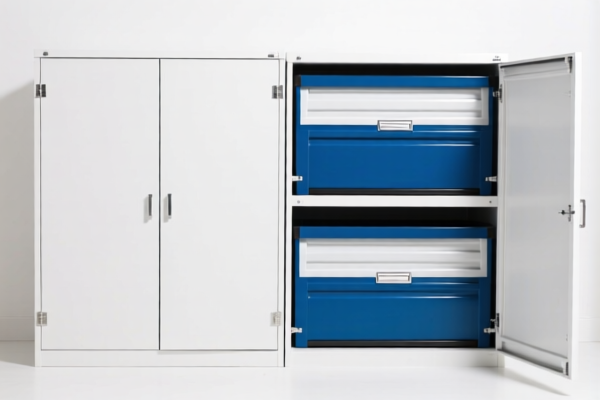
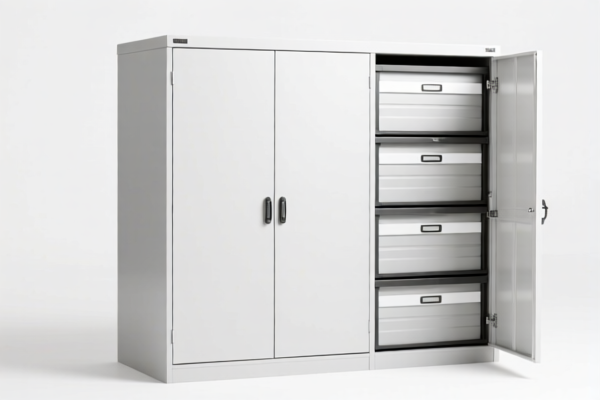
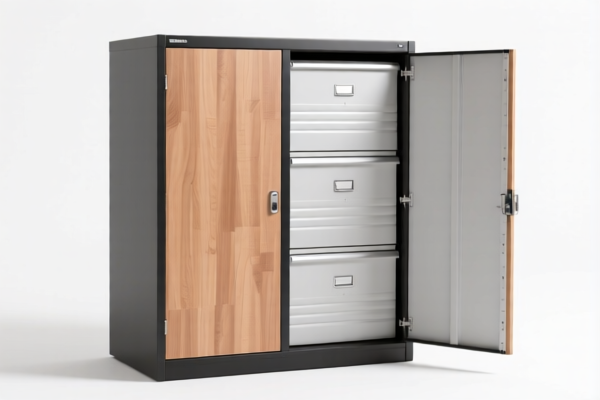
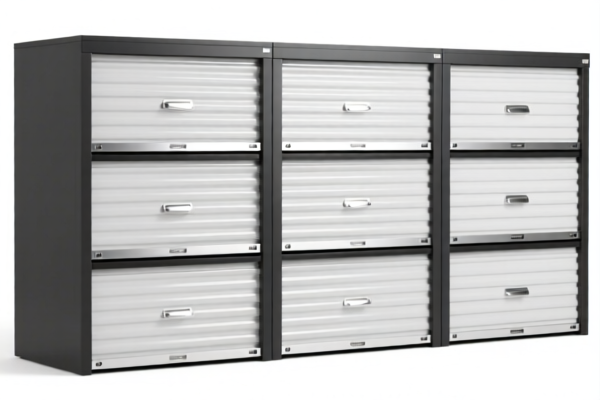
AI分析
🪑 Sideboard Cabinet (餐边柜)
🌐 HS Code Reference & Customs Clearance Guide | 2026 Latest Tariff Analysis | Strategic Import Strategy 📌 Product Definition: What Exactly is a "Sideboard"?
A Sideboard Cabinet is a piece of furniture commonly used in dining rooms, living rooms, or hallways. It serves as storage for tableware, linens, and beverages, often featuring a flat top surface for serving food or displaying decor.
In international trade, sideboards can be classified differently depending on their material and specific design. The following analysis covers the five most relevant HS Codes provided in the data, detailing the exact tax implications for imports from China to the US.
⚠️ Critical Warning:
- All HS Codes in the provided data reflect a Total Tax Rate of 35.0% or 22.8% due to significant punitive tariffs (Section 301 and Section 122).
- Misclassification (e.g., declaring a wooden sideboard as plastic) constitutes customs fraud.
- The "De Minimis" exemption (Section 321) is generally NOT available for goods subject to these specific Section 122 and Section 301 duties if they exceed certain thresholds or are targeted measures, but strictly speaking, the provided data implies a high-duty environment. Always verify current CBP rulings on Section 122 applicability to de minimis shipments.
📦 I. HS Code Classification Details (2026 Latest Data)
Below are the five possible classifications for "Sideboard Cabinet" based on the provided data. Each entry includes the summary provided in the source and the detailed tax breakdown.
1. 🪵 Wooden Sideboard (General Household Use)
HS Code: 9403.89.60.15
- 📝 Summary from Data: "Sideboard belongs to finished furniture, conforming to attributes of other household furniture uses."
- 🧐 Interpretation: This code is a "catch-all" for household furniture not specified elsewhere (like bedroom or office furniture). It typically applies to wooden sideboards that do not fit into specific "dining room furniture" subheadings or are made of other materials not covered by other 9403 subheadings.
- 💰 Tax Rate: 35.0%
- 📊 Tax Breakdown:
- Base Duty: 0.0%
- Section 301 Additional Duty: 25.0%
- Section 122 Additional Duty: 10.0%
2. 🪵 Wooden Sideboard (Kitchen Furniture Category)
HS Code: 9403.40.90.60
- 📝 Summary from Data: "Side cabinet belongs to kitchen furniture category, conforming to attributes of other wooden kitchen furniture."
- 🧐 Interpretation: If the sideboard is specifically designed for or commonly used in a kitchen environment (e.g., for storing dishes, glassware, or kitchen linens), it may be classified under "Kitchen Furniture." This is a more specific classification than 9403.89.
- 💰 Tax Rate: 35.0%
- 📊 Tax Breakdown:
- Base Duty: 0.0%
- Section 301 Additional Duty: 25.0%
- Section 122 Additional Duty: 10.0%
3. 🌿 Wooden Sideboard (General Other Wooden Furniture)
HS Code: 9403.60.80.93
- 📝 Summary from Data: "Side cabinet belongs to other furniture, conforming to the fallback matching principle for wooden material with no conflicts."
- 🧐 Interpretation: This code is used for wooden furniture that does not fit into bedroom (9403.30), office (9403.60.20/40), or kitchen (9403.40) categories. It is a "fallback" for other wooden furniture items, including certain sideboards.
- 💰 Tax Rate: 35.0%
- 📊 Tax Breakdown:
- Base Duty: 0.0%
- Section 301 Additional Duty: 25.0%
- Section 122 Additional Duty: 10.0%
4. 🛋️ Sideboard (Plastic Material)
HS Code: 9403.70.80.31
- 📝 Summary from Data: "Sideboard belongs to the furniture category, conforming to plastic material or other fallback categories."
- 🧐 Interpretation: If the sideboard is primarily made of plastic (e.g., molded plastic, resin, or synthetic materials), it falls under HS 9403.70 ("Furniture of plastic"). The specific sub-code
80.31is a fallback for other plastic furniture. - 💰 Tax Rate: 35.0%
- 📊 Tax Breakdown:
- Base Duty: 0.0%
- Section 301 Additional Duty: 25.0%
- Section 122 Additional Duty: 10.0%
5. 🧴 Sideboard (Other Plastic Products/Furniture Parts)
HS Code: 3926.30.50.00
- 📝 Summary from Data: "Side cabinet belongs to finished consumer goods, conforming to the logic of other plastic products, specifically furniture-use articles."
- 🧐 Interpretation: ⚠️ High Risk/Alternative Classification: This code falls under Chapter 39 (Plastics). It classifies the item not as "furniture" (Chapter 94) but as an "article of plastics" for use in furniture. This might be used for certain plastic components, knock-down furniture kits, or if the item is deemed a "part" or "article" rather than a finished piece of furniture. Note: This is less common for complete sideboards but may apply to specific plastic furniture articles.
- 💰 Tax Rate: 22.8%
- 📊 Tax Breakdown:
- Base Duty: 5.3%
- Section 301 Additional Duty: 7.5%
- Section 122 Additional Duty: 10.0%
💰 II. Detailed Tariff Structure Explained
All imports from China subject to these codes face a complex tax structure. Here is a clear breakdown of the components:
🎯 The "35%" Tariff Breakdown (For Codes 9403.89.60.15, 9403.40.90.60, 9403.60.80.93, 9403.70.80.31)
| Component | Rate | Source/Legal Basis | Description |
|---|---|---|---|
| Base Duty | 0.0% | HTSUS General Rate | Many furniture items from China have a 0% base MFN rate. |
| Section 301 Duty | +25.0% | 19 CFR § 123 | "Retaliatory tariffs" imposed on Chinese goods in response to trade practices. Applies to nearly all Chinese furniture. |
| Section 122 Duty | +10.0% | 19 U.S.C. § 1202 | Additional duty imposed on certain Chinese products under the Section 122 authority (often related to national security or trade remedy actions). |
| TOTAL | 35.0% | This is the final ad valorem rate applied to the CIF value. |
🎯 The "22.8%" Tariff Breakdown (For Code 3926.30.50.00)
| Component | Rate | Source/Legal Basis | Description |
|---|---|---|---|
| Base Duty | 5.3% | HTSUS General Rate | Plastic articles often have a small base duty. |
| Section 301 Duty | +7.5% | 19 CFR § 123 | A lower rate of Section 301 duty applies to some plastic articles compared to wood/plastic furniture (9403). |
| Section 122 Duty | +10.0% | 19 U.S.C. § 1202 | The 10% Section 122 duty still applies. |
| TOTAL | 22.8% | This is the final ad valorem rate applied to the CIF value. |
📌 Key Insight:
- Section 122 (10%) is a significant burden. It was recently expanded to cover a broader range of Chinese goods.
- Section 301 is the main driver of cost. For furniture, it is typically 25%. For some plastic articles, it may be 7.5% or 25% depending on the specific subheading.
- Total Cost Impact: A $10,000 shipment of wooden sideboards will incur $3,500 in duties alone. A $10,000 shipment of plastic sideboards (classified under 3926) will incur $2,280.
🛠️ III. Customs Clearance Advice & Strategy
✅ 1. Material Verification is Key
The difference between a 35% and 22.8% duty rate hinges entirely on the primary material. * Wooden Sideboards: Almost all will fall under 35%. There is no "cheap" wood furniture classification for Chinese imports in this dataset. * Plastic Sideboards: If you can prove the item is primarily plastic, 9403.70.80.31 still carries 35%. However, if it is classified as an "article of plastic" under 3926.30.50.00, the rate drops to 22.8%. * Strategy: If your product is plastic, consult a customs broker to see if it can be classified under Chapter 39 (3926) rather than Chapter 94 (9403). This requires careful documentation of the item's form and function to justify it as an "article of plastic" rather than "furniture."
✅ 2. Accurate Description & Documentation
To avoid delays or penalties: * Be Specific: Do not just list "Sideboard." Use descriptions like: * "Wooden Sideboard, Model XYZ, Dim: 150cm x 40cm x 80cm, Material: Solid Oak + Veneer" * "Plastic Sideboard Cabinet, Model ABC, Material: ABS Plastic, Color: White" * Provide Material Composition: Clearly state the percentage of materials (e.g., "80% Wood, 20% Hardware"). * Photos: Include clear photos of the item, especially close-ups of materials and joints.
✅ 3. Section 122 & 301 Compliance
- Country of Origin: Ensure the Certificate of Origin explicitly states "China". If there is any assembly or substantial transformation in a third country (e.g., Vietnam), you may need to prove that the US does not view it as a circumvention of Chinese tariffs.
- Section 122 List: Verify if your specific product type is listed in the latest Section 122 exclusion lists. As of 2026, most furniture remains subject.
✅ 4. De Minimis (Section 321) Considerations
- ⚠️ Critical: While Section 321 allows duty-free entry for shipments under $800, Section 122 and Section 301 duties often EXCLUDE de minimis entries for certain Chinese goods.
- Check CBP Rulings: Recent enforcement actions suggest that Section 122 duties DO APPLY to Section 321 entries for Chinese goods. Do not assume your low-value shipments are duty-free. Budget for taxes even on small parcels.
🌍 IV. Global Market Comparison (2026)
| Market | Recommended HS Code | Estimated Duty (China Origin) | Notes |
|---|---|---|---|
| 🇺🇸 USA | 9403.89.60.15 / 9403.40.90.60 |
35.0% | High Section 301 + Section 122 duties. |
| 🇺🇸 USA (Plastic Alternative) | 3926.30.50.00 |
22.8% | Only if classified as "article of plastic," not furniture. |
| 🇨🇳 China (Export) | Various | Varies | China exports sideboards freely; duty is paid by US importer. |
| 🇪🇺 EU | 9403.60.60 |
0% - 2.5% | No Section 301/122 equivalents. Lower base duties. |
| 🇨🇦 Canada | 9403.60.60 |
0% | CUSMA/USMCA benefits may apply if origin is NAFTA. |
| 🇦🇺 Australia | 9403.60.60 |
5% | No Section 301/122. Moderate base duty. |
📌 Conclusion for US Importers:
The US market is high-cost for Chinese furniture due to punitive tariffs.
- Wooden Sideboards: Expect 35% duty.
- Plastic Sideboards: Expect 35% duty (as furniture) or 22.8% (as plastic article).
- Strategy: Consider sourcing from non-China origins (Vietnam, Indonesia, Mexico) to avoid Section 301/122 duties, provided you can verify substantial transformation.
📌 V. Common Pitfalls & Avoidance Guide
❌ Pitfall 1: Declaring a wooden sideboard as "Plastic Furniture" to get a lower rate.
👉 Result: Customs inspection will reveal the wood. Penalties, seizures, and back-taxes.
❌ Pitfall 2: Ignoring Section 122 duties.
👉 Result: Underpayment of 10% on all shipments. CBP will demand payment + interest + potential penalties.
❌ Pitfall 3: Assuming De Minimis ($800) is duty-free.
👉 Result: CBP now applies Section 122 and sometimes Section 301 to de minimis entries from China. Budget for taxes on all shipments.
❌ Pitfall 4: Vague Descriptions ("Sideboard").
👉 Result: Customs may classify it under the highest possible duty code or detain the shipment for clarification, causing delays and storage fees.
✅ Correct Approach:
"Wooden Sideboard, Model X, 100% Solid Wood, Made in China" → Classify under 9403.89.60.15 or 9403.60.80.93 (35% duty).
"Plastic Sideboard, Model Y, ABS Plastic, Made in China" → Classify under 9403.70.80.31 (35% duty) OR 3926.30.50.00 (22.8% duty, if arguable as article of plastic).
🎯 VI. Final Recommendation
- Identify Material: Know exactly what your sideboard is made of.
- Choose Wisely: If plastic, explore the 22.8% rate under Chapter 39 (
3926.30.50.00) with legal counsel, but be prepared for scrutiny. If wood, accept the 35% rate. - Price Accordingly: Factor in 35% duties (or 22.8%) into your landed cost.
- Work with a Broker: Customs classification for furniture is complex. A licensed customs broker can help optimize classification within legal bounds and handle Section 122/301 paperwork.
📣 Action Item:
📞 Contact your Customs Broker today with product photos and material specs.
🚀 Request an Advance Ruling if the classification between 9403 and 3926 is ambiguous for plastic items.
💡 Remember: In the US market, duty is not optional. Plan for it.
✨ Accurate Classification = Predictable Costs = Profit Protection
💼 Your bottom line depends on getting the HS Code right.
用户评价
关于 HS 编码归类
协调制度(HS)是由世界海关组织(WCO)制定的国际贸易商品分类标准。全球 200 多个国家采用 HS 系统作为海关关税、贸易统计和进出口监管的基础。
每个 HS 编码遵循以下层级结构:
- 章(2 位)——商品大类(例如:第 84 章:机器和机械设备)
- 品目(4 位)——章内的更具体分类
- 子目(6 位)——国际通用细分,所有 WCO 成员国统一使用
- 本国细分(8-10 位)——各国自行扩展的细分编码,如美国 HTSUS 10 位编码
正确的 HS 编码归类对于顺利通关、准确缴纳关税和遵守贸易法规至关重要。错误归类可能导致海关延误、多缴关税或罚款。
从CN进口到US时,适用的关税税率可能包括:
- 最惠国(MFN)税率——适用于 WTO 成员国的标准关税税率
- 普通税率——适用于无贸易协定国家
- 贸易救济关税——附加关税,如 301 条款(反倾销)、232 条款(国家安全)或反补贴税
本页内容仅供参考。如需正式归类,请咨询当地海关或持牌报关代理。