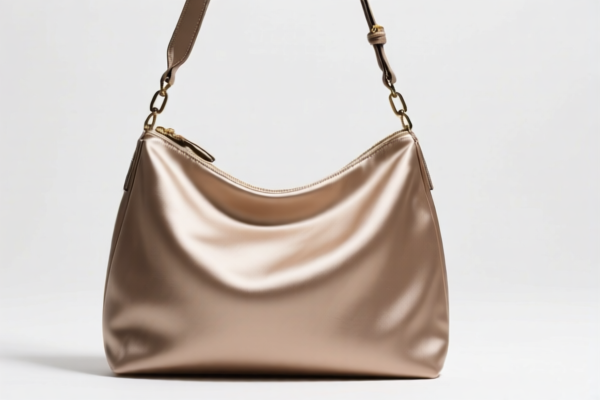
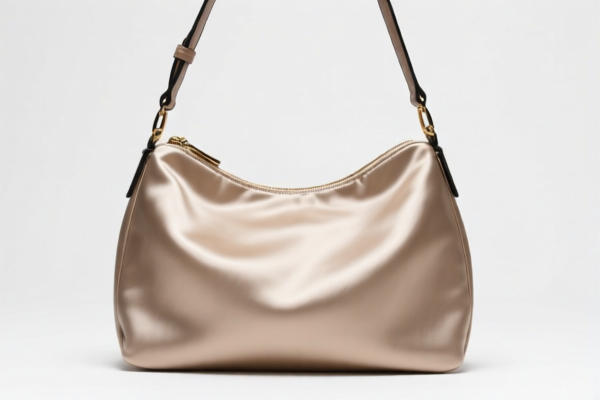
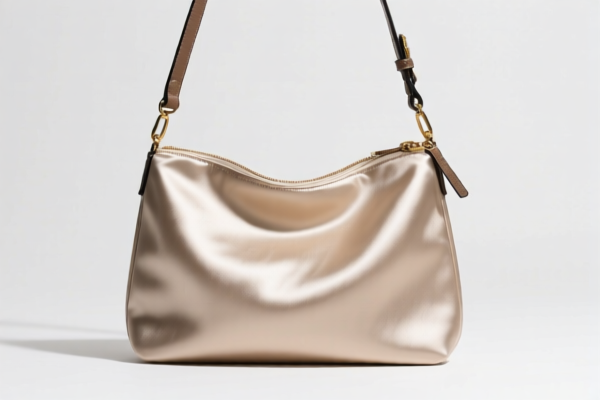
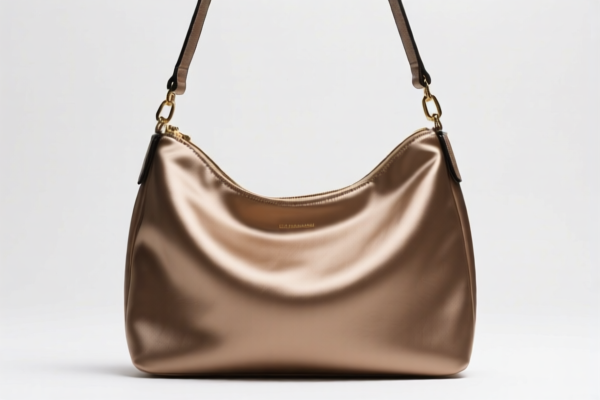
Silk Casual Shoulder Bag
CN → US| HS编码 | 关税税率 | 原产国 | 目的国 | 文档 |
|---|---|---|---|---|
| 4202224010 | 42.4% | CN | US | 官方文档 |
| 4202227000 | 42.0% | CN | US | 官方文档 |
| 5007906090 | 38.9% | CN | US | 官方文档 |
商品图片
AI分析
👜 Silk Casual Shoulder Bag: HS Code Classification & Customs Clearance Guide | 2026 Tariff Breakdown
🌐 HS Code Reference & Customs Clearance Guide | Latest Tariff Analysis | Professional Strategy for Textile Accessories
📌 I. Product Definition & Classification: What Exactly is a "Silk Casual Shoulder Bag"?
A Silk Casual Shoulder Bag is a personal accessory used for carrying small daily essentials. In international trade, its classification depends heavily on two critical factors: 1. Material Composition: The outer surface must be identified as silk (Chapter 50: Silk) or a textile blend. 2. Form/Shape: It must fit the functional description of a handbag, shoulder bag, or satchel (Chapter 42: Articles of leather or synthetic leather, etc.).
⚠️ Key Distinction Point: - If the bag is made primarily of silk fabric → It falls under Chapter 42, specifically heading 4202.22 (Handbags with outer surface of textile materials). - If the bag is made of raw silk threads or woven silk not fashioned into articles → It might fall under Chapter 50 (Silk Yarns and Woven Fabrics), but finished bags are rarely classified here unless they are unfinished accessories.
📦 II. HS Code Classification Details (Based on Provided Data)
| HS Code | Product Description | Key Characteristics | Applicable Scenario |
|--------|--------------------------|-------------------|
| 4202.22.40.10 | Silk Crossbody or Casual Bag | Shape: Handbag/Shoulder Bag; Material: Silk characteristics | ✅ Most common for finished silk casual bags |
| 4202.22.70.00 | Silk Casual or Crossbody Bag | Shape: Handbag; Outer Surface: Textile (Silk) | ✅ For structured handbags made of silk textile |
| 5007.90.60.90 | Silk Casual Bag (Fabric Category) | Matches material & form; Classified under Silk Fabric category | ⚠️ Rare for finished bags; usually implies unfinished or fabric-based components |
| 4202.22.89.80 | Shoulder Bag (General Textile) | Shape: Handbag/Shoulder Bag; Material: Unspecified/Other Textile | ❌ Use only if silk content is unclear or it's a different textile |
🔍 Important Note: - The majority of finished silk casual bags are classified under 4202.22 (Handbags with outer surface of textile materials). - 4202.22.40.10 and 4202.22.70.00 are the most accurate for silk-specific products. - 5007.90.60.90 is less common for finished bags and may apply if the product is considered a "silk article" under Chapter 50, but this is atypical for shoulder bags. - 4202.22.89.80 is a fallback for other textile materials if silk cannot be verified.
💰 III. 2026 Latest Tariff Rate Breakdown (Including Surcharges)
✅ Applicable Country: United States (US)
✅ Origin: China (CN)
✅ Effective Date: November 10, 2025 (and subsequent imports)
🎯 1. 4202.22.40.10 – Silk Crossbody/Casual Bag
| Item | Detail |
|---|---|
| Base Tariff | 7.4% (ad valorem) |
| Section 301 Surcharge | +25.0% (USITC Footnote) |
| Section 122 Surcharge | +10.0% (Specific to certain textile/apparel items) |
| Total Tariff Rate | 42.4% |
| Tax Calculation | CIF Value × 42.4% |
| De Minimis Exemption | ❌ Not Eligible (Subject to strict scrutiny) |
| Legal Basis | USITC:4202.22.40.10 → Section 301: 25% → Section 122: 10% |
📌 Explanation: - Base Tariff (7.4%): Standard import duty for handbags with textile surfaces. - Section 301 (25%): Additional duty on Chinese goods under the US Trade Act. - Section 122 (10%): Additional duty under the Trade Expansion Act of 1962, Section 122, applicable to certain textile and apparel items. - Total: 42.4% – This is a high tariff rate, significantly impacting profit margins.
🎯 2. 4202.22.70.00 – Silk Casual/Handbag
| Item | Detail |
|---|---|
| Base Tariff | 7.0% |
| Section 301 Surcharge | +25.0% |
| Section 122 Surcharge | +10.0% |
| Total Tariff Rate | 42.0% |
| Tax Calculation | CIF Value × 42.0% |
| De Minimis Exemption | ❌ Not Eligible |
| Legal Basis | USITC:4202.22.70.00 → Section 301: 25% → Section 122: 10% |
📌 Note: - Very similar to
4202.22.40.10, with a slightly lower base rate (7.0% vs. 7.4%). - Both codes are subject to the same surcharges, resulting in a 42.0%–42.4% total tariff.
🎯 3. 5007.90.60.90 – Silk Casual Bag (Fabric Category)
| Item | Detail |
|---|---|
| Base Tariff | 3.9% |
| Section 301 Surcharge | +25.0% |
| Section 122 Surcharge | +10.0% |
| Total Tariff Rate | 38.9% |
| Tax Calculation | CIF Value × 38.9% |
| De Minimis Exemption | ❌ Not Eligible |
| Legal Basis | USITC:5007.90.60.90 → Section 301: 25% → Section 122: 10% |
📌 Analysis: - This code has the lowest total tariff (38.9%) due to a lower base rate (3.9%). - However, classification risk is higher because finished shoulder bags are typically classified under Chapter 42, not Chapter 50. Misclassification could lead to penalties.
🎯 4. 4202.22.89.80 – General Textile Shoulder Bag
| Item | Detail |
|---|---|
| Base Tariff | 17.6% |
| Section 301 Surcharge | +25.0% |
| Section 122 Surcharge | +10.0% |
| Total Tariff Rate | 52.6% |
| Tax Calculation | CIF Value × 52.6% |
| De Minimis Exemption | ❌ Not Eligible |
| Legal Basis | USITC:4202.22.89.80 → Section 301: 25% → Section 122: 10% |
📌 Warning: - This is the highest tariff rate (52.6%). - It applies if the material is not specifically identified as silk or is classified under a "other textile" category. - Avoid this code if your product is confirmed to be silk.
🛠️ IV. Customs Clearance Practical Advice
✅ 1. Required Documentation Checklist
| Document | Mandatory? | Notes |
|---|---|---|
| Product Specification Sheet | ✅ Yes | Must specify "Silk" as the main outer material. |
| Material Composition Certificate | ✅ Yes | Proof that the outer surface is ≥85% silk (or as per silk definition). |
| Product Photos | ✅ Yes | Clear images showing the bag’s shape, closure, and material texture. |
| Commercial Invoice | ✅ Yes | Clearly state: "Silk Casual Shoulder Bag, Outer Material: Silk." |
| Packing List | ✅ Yes | Include item count, weight, and dimensions. |
| Certificate of Origin | ✅ Yes | Required for verifying Chinese origin (subject to surcharges). |
✅ 2. Declaration Tips (Key Rules)
🔥 "Silk Identity, Chapter 42, Full Disclosure!"
| Scenario | Correct Declaration | Incorrect Practice |
|---|---|---|
| Confirmed Silk Bag | Use 4202.22.40.10 or 4202.22.70.00 |
Using 4202.22.89.80 → 52.6% tax |
| Unclear Material | Provide test reports to prove silk content | Guessing → Risk of reclassification & penalties |
| Mixed Material Bag | Declare based on principal material | Misrepresenting silk as cotton → Fraud risk |
| Unfinished Bag | Check Chapter 63 (Articles of apparel/accessories) | Classifying under Chapter 50 incorrectly |
✅ 3. Special Cases
| Scenario | Handling Advice |
|---|---|
| OEM Custom Bags | Provide design specs and material invoices to prove silk content. |
| Bag with Silk Lining Only | If outer material is not silk, do not use silk codes. Use appropriate textile code (e.g., 4202.32.xxxx). |
| Silk Blend (e.g., 50% Silk, 50% Polyester) | If silk is the principal material by weight/value, it may still qualify for silk codes. Otherwise, use general textile codes. |
| Gift/No-Commercial Value | Still subject to duties if declared as commercial import. |
🌍 V. Global Market Comparison (2026)
| Country/Region | Recommended HS Code | Tariff (China Origin) | Certification Required | Notes |
|---|---|---|---|---|
| 🇺🇸 USA | 4202.22.40.10 / 4202.22.70.00 |
42.0%–42.4% | None (standard) | Highest impact due to 301 & 122 tariffs |
| 🇨🇳 China | 4202.22.40.10 |
7.4% | None | No surcharges for domestic trade |
| 🇪🇺 EU | 4202.22.40.10 |
0% (Most Favored Nation) | CE (if applicable) | No Section 301/122 equivalents |
| 🇬🇧 UK | 4202.22.40.10 |
4% | UKCA | Post-Brexit tariffs apply |
| 🇦🇺 Australia | 4202.22.40.10 |
5% | RCM | Low tariffs, no surcharges |
📌 Conclusion: - The US market is the most challenging due to Section 301 (25%) and Section 122 (10%) surcharges, totaling ~42%. - EU, UK, and Australia offer significantly lower tariffs, making them more favorable for silk bag exports.
📌 VI. Common Errors & Pitfalls (Lessons Learned)
❌ Error 1: Using 4202.22.89.80 (52.6%) for a silk bag
👉 Consequence: Overpaying ~10% in taxes.
Fix: Always use 4202.22.40.10 or 4202.22.70.00 for silk.
❌ Error 2: Misclassifying as 5007.90.60.90 (38.9%) without proof
👉 Consequence: Customs may reject due to incorrect Chapter (50 vs. 42).
Fix: Only use Chapter 50 if the product is not a finished handbag.
❌ Error 3: Failing to declare silk material
👉 Consequence: Higher duty rate applied, potential penalties for misdeclaration.
Fix: Provide material certificates and clear product descriptions.
✅ Correct Declaration Example:
"Silk Casual Shoulder Bag, Outer Material: 100% Silk, Lining: Polyester, HS Code: 4202.22.40.10"
🎯 VII. Conclusion: Professional Declaration for Cost Efficiency
🎯 Remember the Rule:
🔹 "Silk Bag → Chapter 42, Code 4202.22"
🔹 "Total Tax = 42%, No De Minimis"
🔹 "Verify Material, Avoid 52.6% Trap!"
📌 Pro Tip: If you are exporting to the US, consider: 1. Advance Ruling: Apply for a binding ruling from CBP to confirm the HS code. 2. Supply Chain Adjustment: Explore sourcing silk from non-Chinese origins (e.g., India, Italy) to avoid Section 301 tariffs, if feasible. 3. Cost Absorption: Factor the 42% tariff into your pricing strategy for the US market.
📣 Immediate Action:
📞 Consult a licensed customs broker.
📄 Provide material test reports.
🚀 Ensure accurate declaration to avoid delays and penalties.
✨ Professional Customs Clearance Starts with Accurate Classification!
💼 Your Every Dollar is Worth Calculating!
用户评价
关于 HS 编码归类
协调制度(HS)是由世界海关组织(WCO)制定的国际贸易商品分类标准。全球 200 多个国家采用 HS 系统作为海关关税、贸易统计和进出口监管的基础。
每个 HS 编码遵循以下层级结构:
- 章(2 位)——商品大类(例如:第 84 章:机器和机械设备)
- 品目(4 位)——章内的更具体分类
- 子目(6 位)——国际通用细分,所有 WCO 成员国统一使用
- 本国细分(8-10 位)——各国自行扩展的细分编码,如美国 HTSUS 10 位编码
正确的 HS 编码归类对于顺利通关、准确缴纳关税和遵守贸易法规至关重要。错误归类可能导致海关延误、多缴关税或罚款。
从CN进口到US时,适用的关税税率可能包括:
- 最惠国(MFN)税率——适用于 WTO 成员国的标准关税税率
- 普通税率——适用于无贸易协定国家
- 贸易救济关税——附加关税,如 301 条款(反倾销)、232 条款(国家安全)或反补贴税
本页内容仅供参考。如需正式归类,请咨询当地海关或持牌报关代理。