Silk Fabric Handbags (Embroidered)
CN → US| HS编码 | 关税税率 | 原产国 | 目的国 | 文档 |
|---|---|---|---|---|
| 4202227000 | 42.0% | CN | US | 官方文档 |
| 5007906090 | 38.9% | CN | US | 官方文档 |
| 4202224010 | 42.4% | CN | US | 官方文档 |
| 4202228980 | 52.6% | CN | US | 官方文档 |
| 4202227000 | 42.0% | CN | US | 官方文档 |
商品图片
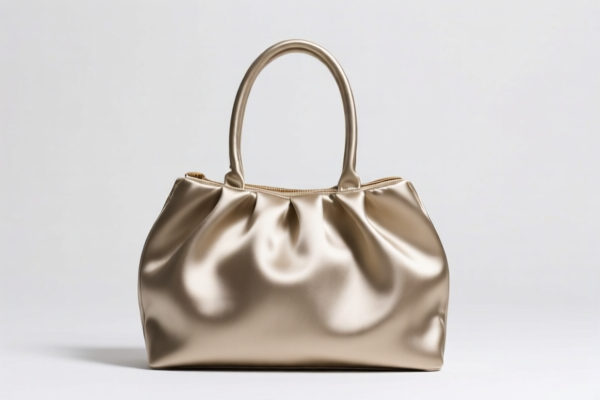
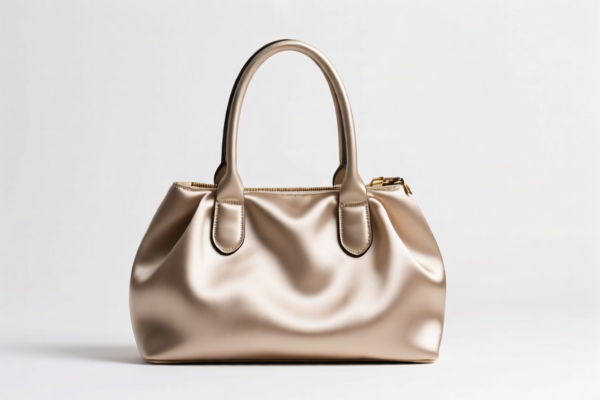
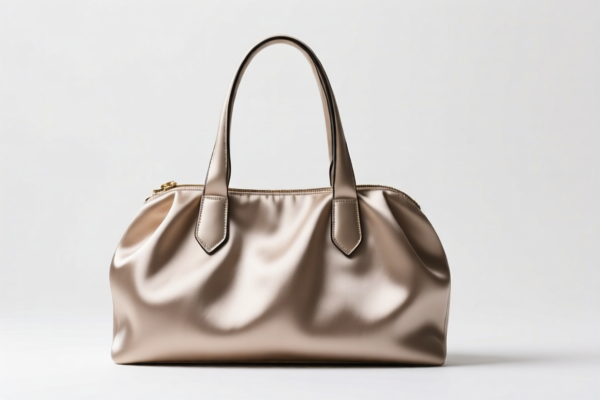
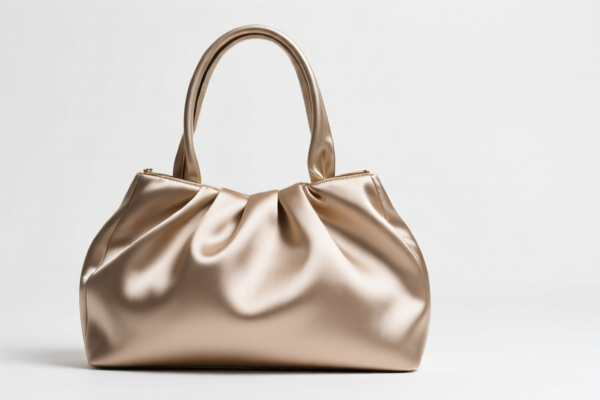
AI分析
👜 Silk Fabric Handbags (Embroidered): HS Code Classification & US Customs Clearance Guide
🌐 HS Code Reference & Customs Clearance Guide | 2026 Latest Tariff Analysis | Professional Strategy for Silk Accessories
📌 Part 1: Product Definition & Classification – What Exactly Is a "Silk Handbag"?
Silk fabric handbags, especially those with embroidery, occupy a nuanced space in international trade. While "silk" suggests natural fiber, the structural form (handbag vs. raw fabric) dictates the HS Code. In the US Harmonized Tariff Schedule, the key distinction lies between:
- Finished Articles (Heading 4202): Handbags, purses, and wallets. These are classified as "Articles of apparel and accessory materials" or "travel goods."
- Raw/Processed Goods (Heading 5007): Silk fabrics/woven materials. These are only applicable if the item is sold as fabric for making bags, not as a bag itself.
⚠️ Critical Distinction:
- If the item is a finished handbag with lining, structure, handles, and closure → It falls under Chapter 42 (Articles of Apparel and Accessory Materials).
- If the item is loose silk fabric (even if high-value or intended for bag-making) → It falls under Chapter 50 (Silk).
- Embroidery does not change the fundamental classification from "handbag" to "fabric" unless the embroidery is the sole defining feature of a non-bag item (which is rare for handbags).
📦 Part 2: HS Code Classification Details (2026 Latest Tariff Concordance)
Based on the provided data, here are the valid HS Codes for Silk Fabric Handbags, categorized by their specific material composition and sub-heading logic.
| HS Code | Product Description | Applicable Scenario | Key Classification Logic |
|---|---|---|---|
| 4202.22.70.00 | Silk Fabric Handbag (Textile-Based) | Finished handbag with silk outer surface; fits general textile bag category | ✅ Finished Article: Outer surface is textile material (silk). Fits "Travel Goods/Handbags." |
| 5007.90.60.90 | Silk Fabric (Woven Silk Material) | NOT a handbag. Sold as woven silk fabric/roll. Core attribute is the fabric itself. | ❌ Raw Material: Classified as silk fabric because the product is defined by its material form, not its function as a bag. |
| 4202.22.40.10 | Silk Fabric Handbag (Specific Silk Content) | Handbag made of silk, meeting specific silk-content requirements for this sub-heading | ✅ Finished Article: Specific textile sub-category for bags with high silk content. |
| 4202.22.89.80 | Silk Fabric Handbag (Other Textile) | Handbag made of textile material that is not cotton, paper yarn, or other specified materials | ✅ Finished Article: Generic textile bag category. Higher base tariff due to broader "other textile" classification. |
| 4202.22.70.00 | Silk Fabric Handbag (General Assumption) | Based on common sense: Silk proportion falls within the scope of this specific sub-heading | ✅ Finished Article: Repeated for emphasis on the most common classification for standard silk handbags. |
🔍 Key Insight:
- HS Code 4202.22.xxxxx is the correct category for finished handbags.
- HS Code 5007.90.60.90 is incorrect for a finished handbag unless it is declared as raw fabric. Misclassifying a handbag as fabric can lead to customs seizures or penalties.
- The Embroidery feature does not shift the code to a different chapter; it is considered part of the textile manufacturing process of the handbag.
💰 Part 3: 2026 Latest Tariff Rate Breakdown (Including Additional Taxes, Policy Surcharges)
✅ Applicable Country: United States (US)
✅ Country of Origin: China (CN)
✅ Effective Date: 2025/2026 (Post-Trade War Surcharges Applied)
🎯 1. 4202.22.70.00 – Silk Fabric Handbag (Most Common)
| Item | Content |
|---|---|
| Base Tariff | 7.0% (Ad Valorem) |
| Section 301 Tariff | +25.0% (USITC Footnote: China-origin goods) |
| 122 Clause Tariff | +10.0% (Specific Chinese Import Clause) |
| Total Tariff Rate | 42.0% |
| Tax Calculation | CIF Value × 42.0% |
| De Minimis Eligibility | ❌ NO (High tariff rate exceeds exemption thresholds for Section 301 goods) |
| Legal Basis Path | USITC:4202.22.70.00 → Section301:Footnote → 122Clause:China |
📌 Explanation:
- 7.0% is the standard MFN (Most Favored Nation) rate for textile handbags.
- 25.0% is the landmark Section 301 tariff on Chinese goods, which includes most textile accessories.
- 10.0% is an additional surcharge under specific US trade enforcement clauses (122 Clause) targeting Chinese imports.
- Total: 42.0% makes this a high-cost import. Profit margin analysis is critical.
🎯 2. 5007.90.60.90 – Silk Fabric (If Misclassified as Raw Material)
| Item | Content |
|---|---|
| Base Tariff | 3.9% (Ad Valorem) |
| Section 301 Tariff | +25.0% |
| 122 Clause Tariff | +10.0% |
| Total Tariff Rate | 38.9% |
| Tax Calculation | CIF Value × 38.9% |
| De Minimis Eligibility | ❌ NO |
| Legal Basis Path | USITC:5007.90.60.90 → Section301:Footnote → 122Clause:China |
📌 Warning:
- While the rate is slightly lower (38.9% vs 42.0%), this code must not be used for a finished handbag.
- If customs determines the item is a handbag, they will reclassify it to 4202 series and charge 42.0% + potential penalties for misdeclaration.
🎯 3. 4202.22.40.10 – Silk Fabric Handbag (Specific Silk Content)
| Item | Content |
|---|---|
| Base Tariff | 7.4% (Ad Valorem) |
| Section 301 Tariff | +25.0% |
| 122 Clause Tariff | +10.0% |
| Total Tariff Rate | 42.4% |
| Tax Calculation | CIF Value × 42.4% |
| De Minimis Eligibility | ❌ NO |
| Legal Basis Path | USITC:4202.22.40.10 → Section301:Footnote → 122Clause:China |
📌 Note:
- This code applies if the bag meets specific silk-content thresholds that trigger this sub-heading.
- Slightly higher than the general 4202.22.70.00 due to the specific nature of the textile classification.
🎯 4. 4202.22.89.80 – Silk Fabric Handbag (Other Textile/Non-Cotton)
| Item | Content |
|---|---|
| Base Tariff | 17.6% (Ad Valorem) |
| Section 301 Tariff | +25.0% |
| 122 Clause Tariff | +10.0% |
| Total Tariff Rate | 52.6% |
| Tax Calculation | CIF Value × 52.6% |
| De Minimis Eligibility | ❌ NO |
| Legal Basis Path | USITC:4202.22.89.80 → Section301:Footnote → 122Clause:China |
📌 Critical Alert:
- This is the highest tariff option (52.6%).
- It applies if the bag is classified as "Other" textile material, possibly because the silk content is below the threshold for specific silk sub-headings or if the lining/structure dominates the classification.
- Avoid this classification if possible by ensuring your product documentation highlights the silk nature of the outer surface.
🛠️ Part 4: Customs Clearance Practical Advice (Actionable Pitfall Avoidance)
✅ 1. Required Documentation Checklist
| Document | Must Provide | Description |
|---|---|---|
| ✅ Product Specification Sheet | ✔️ | Must detail: Outer material (100% Silk), Lining material, Hardware type, Dimensions. |
| ✅ Commercial Invoice | ✔️ | Clearly state: "Silk Fabric Handbag, Embroidered, Model XYZ." Do NOT write "Silk Fabric" alone. |
| ✅ Photos | ✔️ | Clear images of the handbag from all angles, showing handles, closure, and embroidery detail. |
| ✅ Material Composition Certificate | ✔️ | Proof that the outer surface is silk (e.g., lab test report). Crucial for avoiding 4202.22.89.80. |
| ✅ Packing List | ✔️ | Item count, gross/net weight. |
| ✅ Country of Origin Label | ✔️ | "Made in China" must be visible on the product/packaging. |
✅ 2. Declaration Strategy (Key Mantras)
🔥 "Describe the Product, Not Just the Material! 'Bag' over 'Fabric'!"
| Scenario | Correct Declaration | Wrong Declaration | Consequence |
|---|---|---|---|
| Finished Handbag | "Silk Embroidered Handbag" (HS: 4202.22.70.00) | "Silk Fabric for Handbags" | ❌ Misclassification. Penalty + Higher Tariff or Seizure. |
| Mixed Material Bag | "Silk Outer, Cotton Lining Handbag" | "Textile Handbag" | ⚠️ Risk of being classified under "Other" (4202.22.89.80) → 52.6%. |
| Raw Silk Fabric | "Woven Silk Fabric, 100% Mulberry Silk" (HS: 5007.90.60.90) | "Silk Handbag" | ❌ Contradiction. Customs will inspect and reclassify. |
✅ 3. Special Handling Tips
| Situation | Recommendation |
|---|---|
| Embroidery Impact | Ensure the embroidery is not so heavy that it changes the "character" of the product. However, for handbags, it rarely shifts the HS code from 4202. |
| Sustainability Claims | If claiming "Organic Silk" or "Eco-Friendly," provide certificates. This does not change the HS code but may help with buyer perception. |
| Sample vs. Bulk | Declare samples as "Commercial Samples, Value Under $1,000" if applicable, but note that Section 301 taxes may still apply depending on value. |
| Valuation | Ensure the declared value includes the cost of embroidery. Under-declaring value is a major risk. |
🌍 Part 5: Global Market Comparison (2026 Latest)
| Country/Region | Recommended HS Code | Tariff (China Origin) | Notes |
|---|---|---|---|
| 🇺🇸 USA | 4202.22.70.00 |
42.0% | High tariffs due to Section 301 + 122 Clause. |
| 🇨🇳 China | 4202.22.70.00 |
~10-15% | Standard import tariff. No Section 301. |
| 🇪🇺 EU | 4202.22.00 |
~4-10% | No Section 301. May have anti-dumping duties on textiles? Check current status. |
| 🇬🇧 UK | 4202.22.00 |
~4-10% | Post-Brexit tariffs. No US-style retaliatory tariffs. |
| 🇯🇵 Japan | 4202.22.00 |
~0-8% | Generally lower tariffs. |
📌 Conclusion:
- The US market is the most expensive due to the 42.0% total tariff.
- EU, UK, Japan, and China have significantly lower barriers.
- If targeting the US, consider value-added services (luxury branding, unique designs) to absorb the 42% tariff cost.
📌 Part 6: Common Errors & Pitfall Guide (Lessons Learned)
❌ Error 1: Declaring a handbag as "Silk Fabric" to get the lower 38.9% tariff.
👉 Result: Customs inspects the package, sees a finished bag, reclassifies it to 4202.22.70.00 (42.0%) + fines for misdeclaration.
❌ Error 2: Not providing a material composition certificate.
👉 Result: Customs defaults to the "Other" category (4202.22.89.80) → 52.6% tariff.
❌ Error 3: Using vague terms like "Accessory" or "Fashion Item."
👉 Result: Delays in clearance. Customs may question the nature of the good, leading to audits.
❌ Error 4: Assuming embroidery changes the HS Code.
👉 Result: No change. Embroidery is part of the textile manufacturing process for the handbag.
✅ Correct Approach:
"Silk Embroidered Handbag, 100% Silk Outer, Cotton Lining, Model XYZ, Made in China."
🎯 Part 7: Conclusion – Professional Declaration for Cost Efficiency
🎯 Remember the Mantra:
🔹 "Finish the Bag, Declare the Bag. 'Fabric' is for Rolls, 'Handbag' is for Bags."
🔹 "Silk is King, but Structure is Queen. 4202 is your Home, 5007 is your Trap."
🔹 "42% is the US Reality. Plan your Pricing Accordingly."
📌 Pro Tip:
- If your handbags are luxury branded, ensure the brand value is declared correctly.
- Consider Advance Ruling from US Customs and Border Protection (CBP) if you have large volumes, to lock in the HS Code 4202.22.70.00 at 42.0% and avoid last-minute surprises.
📣 Immediate Action:
📞 Contact a Licensed Customs Broker
📸 Provide High-Res Photos of the Handbag
📄 Get a Material Test Report for the Silk
🚀 Clear US Customs Smoothly, Maximize Profit, and Expand Your Market!
✨ Precision in Classification is Precision in Profit!
💼 Your Silk Handbag is a Luxury Item. Treat Its Clearance as Such!
用户评价
关于 HS 编码归类
协调制度(HS)是由世界海关组织(WCO)制定的国际贸易商品分类标准。全球 200 多个国家采用 HS 系统作为海关关税、贸易统计和进出口监管的基础。
每个 HS 编码遵循以下层级结构:
- 章(2 位)——商品大类(例如:第 84 章:机器和机械设备)
- 品目(4 位)——章内的更具体分类
- 子目(6 位)——国际通用细分,所有 WCO 成员国统一使用
- 本国细分(8-10 位)——各国自行扩展的细分编码,如美国 HTSUS 10 位编码
正确的 HS 编码归类对于顺利通关、准确缴纳关税和遵守贸易法规至关重要。错误归类可能导致海关延误、多缴关税或罚款。
从CN进口到US时,适用的关税税率可能包括:
- 最惠国(MFN)税率——适用于 WTO 成员国的标准关税税率
- 普通税率——适用于无贸易协定国家
- 贸易救济关税——附加关税,如 301 条款(反倾销)、232 条款(国家安全)或反补贴税
本页内容仅供参考。如需正式归类,请咨询当地海关或持牌报关代理。