Simulated Abdomen
CN → US| HS编码 | 关税税率 | 原产国 | 目的国 | 文档 |
|---|---|---|---|---|
| 9018194000 | 35.0% | CN | US | 官方文档 |
| 9018908000 | 10.0% | CN | US | 官方文档 |
| 3926909989 | 22.8% | CN | US | 官方文档 |
| 3926902100 | 21.7% | CN | US | 官方文档 |
| 9023000000 | 17.5% | CN | US | 官方文档 |
商品图片
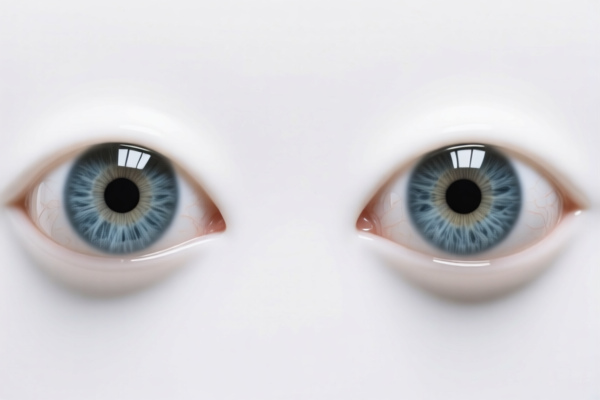


AI分析
🩺 Simulated Abdomen (Medical Training Models)
🌐 HS Code Reference & Customs Clearance Guide | 2024 Latest Tariff Analysis | Professional-Level通关 Strategy
📌 1. Product Definition & Classification: Do You Really Understand “Simulated Abdomen”?
A Simulated Abdomen is a high-fidelity medical training device designed to replicate human anatomical structures for clinical skills training, surgical practice, or medical education. In international trade, its classification depends heavily on two factors: Function (Medical Instrument vs. Educational Demonstration) and Material Composition (Plastic/Silicone vs. Integrated Electronic Components).
⚠️ Key Distinction Point:
- If it functions primarily as a medical/clinical tool for patient simulation or surgical training → Likely Chapter 90 (Medical Instruments).
- If it functions primarily as a static educational display or anatomy model → Likely Chapter 90 (Demonstration Models) or Chapter 39 (Plastics).
- If it lacks specific medical certification and is treated as a generic plastic mold → Likely Chapter 39 (Plastic Articles).
📦 2. HS Code Classification Details (2024 Latest Tariff Authority Comparison)
| HS Code | Product Description | Application Scenario | Tax Rate | Reasoning |
|---|---|---|---|---|
9018.19.40.00 |
Medical/Clinical Examination Models | Used for diagnostic simulation, physical examination training. | 35.0% | Classified under "Other instruments and appliances used in medical, surgical, dental or veterinary sciences." High tax due to 25% + 10% surcharges. |
9018.90.80.00 |
Medical/Surgical Training Simulators | Clinical training, surgical procedure practice. | 10.0% | Classified under "Parts, accessories, and instruments for surgical/medical purposes." Lowest tax due to no 25% surcharge, only 10% IEEPA. |
3926.90.99.89 |
Other Plastic Articles | Generic plastic/silicone model, no specific medical instrument classification. | 22.8% | Treated as a "Miscellaneous Plastic Product." Subject to 5.3% base + 7.5% surcharge + 10% IEEPA. |
3926.90.21.00 |
Plastic Healthcare/Teaching Aids | Plastic material, used for nursing/teaching, not strictly "medical device." | 21.7% | Specific subheading for plastic items used in healthcare/education. Subject to 4.2% base + 7.5% surcharge + 10% IEEPA. |
9023.00.00.00 |
Demonstration Models (Education/Exhibition) | Anatomy models for classroom teaching or museum displays. | 17.5% | Classified under "Instruments, apparatus and models, designed for demonstrational purposes (for example, in education or exhibitions)." Subject to 7.5% surcharge + 10% IEEPA. |
🔍 Key Reminder:
- The difference between 10% and 35% is critical.9018.90.80.00is often the most cost-effective for training simulators if they can be proven to be "medical instruments" rather than "examination devices" or "plastic goods."
- Classification under Chapter 39 (Plastics) is generally a fallback if the product lacks clear medical functionality or electronic components, but it attracts additional tariffs compared to specific medical HS codes.
💰 3. 2024 Latest Tariff Rate Breakdown (Including Surcharges & Policy Add-ons)
✅ Applicable Country: United States (US)
✅ Country of Origin: China (CN)
✅ Effective Time: Current (Post-2025 Trade Policy Context)
🎯 1. 9018.19.40.00 —— Medical Examination Models
| Item | Content |
|---|---|
| Base Tariff | 0.0% |
| Section 301 Surcharge | +25.0% (USITC Footnote) |
| IEEPA Surcharge (122) | +10.0% (China-origin specific) |
| Total Tariff | 35.0% |
| Calculation | CIF Value × 35% |
| De Minimis Exemption | ❌ Not Eligible (High value item) |
| Legal Basis | USITC:9018.19.40.00 → SECTION 301: 25% → IEEPA: 10% |
📌 Explanation:
- This code attracts the highest tariff burden because it is classified as a "medical instrument" subject to the full 25% Section 301 tariff, plus the additional 10% IEEPA tariff.
- Use this only if the product is explicitly marketed and documented as a "diagnostic examination model."
🎯 2. 9018.90.80.00 —— Medical Surgical Training Simulators
| Item | Content |
|---|---|
| Base Tariff | 0.0% |
| Section 301 Surcharge | 0.0% (Exempt from 25% surcharge for certain medical parts/accessories) |
| IEEPA Surcharge (122) | +10.0% (China-origin specific) |
| Total Tariff | 10.0% |
| Calculation | CIF Value × 10% |
| De Minimis Exemption | ❌ Not Eligible |
| Legal Basis | USITC:9018.90.80.00 → IEEPA: 10% |
📌 Critical Advantage:
- This is the preferred code for most training simulators.
- The 25% Section 301 surcharge is waived for certain medical instrument accessories and parts, leaving only the 10% IEEPA surcharge.
- Savings: 25% vs. 35%.
🎯 3. 3926.90.99.89 —— Other Plastic Articles
| Item | Content |
|---|---|
| Base Tariff | 5.3% |
| Section 301 Surcharge | +7.5% |
| IEEPA Surcharge (122) | +10.0% |
| Total Tariff | 22.8% |
| Calculation | CIF Value × 22.8% |
| De Minimis Exemption | ❌ Not Eligible |
| Legal Basis | USITC:3926.90.99.89 → SECTION 301: 7.5% → IEEPA: 10% |
📌 Explanation:
- Classified as a general plastic good. The base tariff is higher (5.3%), and it faces the standard 7.5% Section 301 surcharge (lower than the 25% for medical instruments) plus 10% IEEPA.
- Suitable if the product is a simple silicone mold without "medical instrument" functionality.
🎯 4. 3926.90.21.00 —— Plastic Healthcare/Teaching Aids
| Item | Content |
|---|---|
| Base Tariff | 4.2% |
| Section 301 Surcharge | +7.5% |
| IEEPA Surcharge (122) | +10.0% |
| Total Tariff | 21.7% |
| Calculation | CIF Value × 21.7% |
| De Minimis Exemption | ❌ Not Eligible |
| Legal Basis | USITC:3926.90.21.00 → SECTION 301: 7.5% → IEEPA: 10% |
📌 Explanation:
- A specific subcategory for plastic items used in healthcare or education.
- Slightly cheaper than3926.90.99.89due to a lower base rate (4.2% vs 5.3%).
🎯 5. 9023.00.00.00 —— Demonstration Models
| Item | Content |
|---|---|
| Base Tariff | 0.0% |
| Section 301 Surcharge | +7.5% |
| IEEPA Surcharge (122) | +10.0% |
| Total Tariff | 17.5% |
| Calculation | CIF Value × 17.5% |
| De Minimis Exemption | ❌ Not Eligible |
| Legal Basis | USITC:9023.00.00.00 → SECTION 301: 7.5% → IEEPA: 10% |
📌 Explanation:
- Ideal for static anatomy models used in classrooms or museums.
- No base tariff, but subject to 7.5% Section 301 surcharge + 10% IEEPA.
- Cannot be used if the product is marketed as a "clinical training simulator" (customs may reject this code for active medical use).
🛠️ 4. Customs Clearance Practical Advice (Real-World Pitfall Guide)
✅ 1. Preparation Checklist (Mandatory)
| Document | Required | Notes |
|---|---|---|
| ✅ Product Specification Sheet | ✔️ | Must detail material (Silicone/Plastic), dimensions, and intended use (Training vs. Display). |
| ✅ Usage Description | ✔️ | Clearly state: "For medical education/surgical simulation" to support 9018 or 9023. Avoid vague terms like "toy" or "decor." |
| ✅ Product Photos | ✔️ | Show realistic anatomical features, needles, ports, or electronic interfaces if any. |
| ✅ Commercial Invoice | ✔️ | Must match the HS Code description exactly. E.g., "Medical Simulation Abdomen for Surgical Training." |
| ✅ Proof of Material | ✔️ | If claiming 3926, provide material safety data sheets (MSDS) for silicone/plastic. |
✅ 2. Declaration Strategy (Key Mnemonic)
🔥 “Function First, Material Second, Avoid ‘Plastic’ if ‘Medical’ Fits!”
| Scenario | Recommended HS Code | Wrong Approach | Consequence |
|---|---|---|---|
| Clinical Training Simulator (with needles/procedures) | 9018.90.80.00 |
Using 3926.90.99.89 |
Overpaying: 22.8% vs 10% |
| Diagnostics/Physical Exam Model | 9018.19.40.00 |
Using 9018.90.80.00 |
Under-declaring risk: 35% vs 10% |
| Classroom Anatomy Model (Static, Non-Invasive) | 9023.00.00.00 |
Using 9018.19.40.00 |
Risk of rejection: 17.5% vs 35% |
| Generic Silicone Mold (No Medical Claim) | 3926.90.21.00 |
Using 9018.90.80.00 |
Misclassification: 21.7% vs 10% |
✅ 3. Special Situations
| Situation | Handling Advice |
|---|---|
| Product has electronic sensors | If it includes electronic components for feedback, it must go to 9018 (Medical) or 9023 (Demonstration). Do not use Chapter 39. |
| OEM Customization | Provide client design specs. If the client uses it for hospital training, 9018.90.80.00 is safer. |
| "Educational" vs. "Medical" | The distinction is subtle. If it’s for nursing schools or hospital drills, argue for 9018.90.80.00 (10%). If it’s for university biology classes, 9023.00.00.00 (17.5%) is acceptable. |
| Silicone vs. Plastic | Both fall under different chapters. Silicone medical devices often map to 9018 if used for procedures. Generic silicone molds map to 3926. |
🌍 5. Global Market Clearance Comparison (2024 Latest)
| Country/Region | Recommended HS Code | Tariff (China Origin) | Certification Req. | Notes |
|---|---|---|---|---|
| 🇺🇸 USA | 9018.90.80.00 |
10% (Best Case) | FDA (if applicable) | Avoid 9018.19.40.00 (35%). |
| 🇺🇸 USA | 9023.00.00.00 |
17.5% | None | Good for static models. |
| 🇺🇸 USA | 3926.90.99.89 |
22.8% | None | High tax, avoid if medical use is possible. |
| 🇪🇺 EU | 9018.90.90 |
Varies (0-4.5%) | CE Mark | EU classification is stricter on "Medical Device" claims. |
| 🇨🇳 China | 9018.90.90 |
0-4.5% | NMPA (if medical) | Lower tariffs, but domestic regulations apply. |
| 🇬🇧 UK | 9018.90.90 |
Varies (0-4.5%) | UKCA Mark | Post-Brexit rules may differ slightly. |
📌 Conclusion:
- USA is the most tariff-sensitive market due to Section 301 and IEEPA surcharges.
-9018.90.80.00(10%) is the optimal choice for clinical simulators.
-9023.00.00.00(17.5%) is the best alternative for educational models.
- Avoid9018.19.40.00unless absolutely necessary, as it incurs the highest duty (35%).
📌 6. Common Errors & Pitfall Guide (Lessons from Experience)
❌ Error 1: Classifying a clinical simulator as a "Plastic Toy" (3926)
👉 Consequence: Customs may audit and reclassify to 9018, leading to back-taxes + penalties.
👉 Fix: Always declare based on primary function. If used for medical training, use 9018.
❌ Error 2: Using 9018.19.40.00 for a surgical training pad
👉 Consequence: Paying 35% instead of 10%.
👉 Fix: Differentiate between "Examination" (Diagnostic) and "Training" (Procedural). Training pads often fall under 9018.90.80.00.
❌ Error 3: Ignoring the "Demonstration" Code (9023) for static models
👉 Consequence: Paying 22.8% (3926) instead of 17.5% (9023).
👉 Fix: If the model is non-invasive and used for teaching anatomy only, use 9023.
✅ Correct Practice:
“Medical Simulation Abdomen, Silicone, for Laparoscopic Training, Model MedSim-2024, No Electronic Components.”
🎯 7. Conclusion: Precise Classification, Significant Savings!
🎯 Remember the Mnemonic:
🔹 “Simulator = 10%, Examiner = 35%, Model = 17.5%, Plastic = 22%+!”
🔹 “Function Dictates Code, Code Dictates Cost, Choose Wisely!”
📌 Pro Tip:
If your simulated abdomen has electronic feedback systems (e.g., pressure sensors, virtual reality integration), it may still qualify for 9018.90.80.00 if marketed as a "Medical Training Simulator." Ensure your commercial invoice reflects this medical/educational purpose, not just "plastic model."
📣 Action Required:
📞 Consult a licensed customs broker for Advance Ruling if the product has complex features.
🚀 Save 25% in tariffs by choosing9018.90.80.00over9018.19.40.00where possible!
✨ Professional clearance starts with precise classification!
💼 Your profit margin depends on the right HS Code!
用户评价
关于 HS 编码归类
协调制度(HS)是由世界海关组织(WCO)制定的国际贸易商品分类标准。全球 200 多个国家采用 HS 系统作为海关关税、贸易统计和进出口监管的基础。
每个 HS 编码遵循以下层级结构:
- 章(2 位)——商品大类(例如:第 84 章:机器和机械设备)
- 品目(4 位)——章内的更具体分类
- 子目(6 位)——国际通用细分,所有 WCO 成员国统一使用
- 本国细分(8-10 位)——各国自行扩展的细分编码,如美国 HTSUS 10 位编码
正确的 HS 编码归类对于顺利通关、准确缴纳关税和遵守贸易法规至关重要。错误归类可能导致海关延误、多缴关税或罚款。
从CN进口到US时,适用的关税税率可能包括:
- 最惠国(MFN)税率——适用于 WTO 成员国的标准关税税率
- 普通税率——适用于无贸易协定国家
- 贸易救济关税——附加关税,如 301 条款(反倾销)、232 条款(国家安全)或反补贴税
本页内容仅供参考。如需正式归类,请咨询当地海关或持牌报关代理。