Simulated Eye
CN → US| HS编码 | 关税税率 | 原产国 | 目的国 | 文档 |
|---|---|---|---|---|
| 9503000073 | 10.0% | CN | US | 官方文档 |
| 9503000071 | 10.0% | CN | US | 官方文档 |
| 3926400090 | 15.3% | CN | US | 官方文档 |
| 3926909989 | 22.8% | CN | US | 官方文档 |
| 9018902000 | 35.0% | CN | US | 官方文档 |
商品图片
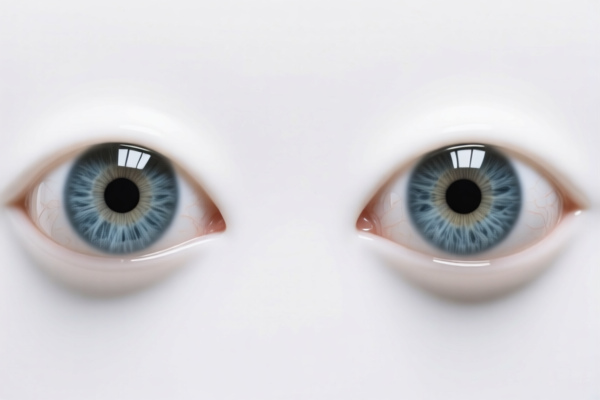


AI分析
👁️ Simulated Eye (Cosmetic/Medical/Cosplay Props)
🌐 HS Code Reference & Customs Clearance Guide | 2026 Latest Tariff Analysis | Professional Clearance Strategy
📌 I. Product Definition: What is a "Simulated Eye"?
A "Simulated Eye" typically refers to prosthetic eyes, cosplay contact lenses (without optical power), or realistic toy/prop eyes. In international trade, its classification depends heavily on intended use (toy, medical device, decoration) and material.
⚠️ Key Distinction:
- If used as a toy or for entertainment/cosplay: Classified under Chapter 95 (Toys).
- If used as plastic decoration or general plastic articles: Classified under Chapter 39 (Plastics).
- If used as a medical prosthesis or optical instrument: Classified under Chapter 90 (Optical/Medical).
📦 II. HS Code Classification Details (2026 Latest Tariff Authority)
Based on the provided data, here are the valid HS Codes for Simulated Eyes, ranging from lowest to highest tariff impact:
| HS Code | Product Description | Classification Logic | Material Inference |
|---|---|---|---|
9503.00.00.73 |
Toys: Other (Fallback Category) | Classified as a toy. Fits the "catch-all" logic for toys not specified elsewhere. | Plastic or Rubber |
9503.00.00.71 |
Toys: Models/Entertainment | Classified as a model/entertainment item. Consistent with toy usage; no material conflict. | Plastic or Rubber |
3926.40.00.90 |
Plastics: Decorations/Ornaments | Classified as a decorative/simulated item. Fits plastic-made decoration category. | Plastic |
3926.90.99.89 |
Plastics: Other Articles | Classified as a general plastic article. Fits the definition of other plastic制品. | Plastic |
9018.90.20.00 |
Optical/Visual Instruments | Classified as an optical device for visual/display purposes. Fits optical instrument category. | Plastic or Resin |
🔍 Critical Note:
- Toys (9503) are generally the most favorable for classification if the item is clearly marketed for play or cosplay.
- Plastics (3926) carry higher base tariffs and potential Section 301 duties.
- Optical/Medical (9018) carries the highest penalty due to specific US trade restrictions.
💰 III. 2026 Latest Tariff Rate Breakdown (Including Additional Taxes & Policies)
✅ Applicable Country: United States (US)
✅ Origin: China (CN)
✅ Effective Date: 2025/2026 Period (Includes Section 301 & IEEPA)
🎯 1. 9503.00.00.73 & 9503.00.00.71 — TOY CATEGORY (BEST OPTION)
| Item | Content |
|---|---|
| Base Tariff | 0.0% (ad valorem) |
| Section 301 (Additional) | 0.0% |
| IEEPA (Section 122/China Specific) | +10.0% |
| Total Effective Rate | 10.0% |
| Tax Calculation | CIF Value × 10% |
| De Minimis Eligibility | ⚠️ Check Carrier Policy (Generally, toys may face scrutiny if volume is high, but tax rate is low) |
| Legal Basis | IEEPA:9903.01.25 (10% surcharge on Chinese goods) |
📌 Explanation:
- These codes classify the simulated eye as a toy.
- Advantage: Lowest base tariff (0%) and no Section 301 additional tariff.
- Cost: Only the 10% IEEPA surcharge applies.
- Strategy: Use this classification if the product is marketed for cosplay, children's play, or Halloween props.
🎯 2. 3926.40.00.90 — PLASTIC DECORATION
| Item | Content |
|---|---|
| Base Tariff | 5.3% |
| Section 301 (Additional) | 0.0% |
| IEEPA (Section 122) | +10.0% |
| Total Effective Rate | 15.3% |
| Tax Calculation | CIF Value × 15.3% |
| Legal Basis | IEEPA:9903.01.24 → USITC:3926.40.00.90 |
📌 Explanation:
- Classifies the item as a plastic ornament/decoration.
- Cost: Higher than toy classification due to the 5.3% base tariff.
- Risk: Customs may reclassify to higher-tax categories if "toy" intent isn't clear.
🎯 3. 3926.90.99.89 — GENERAL PLASTIC ARTICLE
| Item | Content |
|---|---|
| Base Tariff | 5.3% |
| Section 301 (Additional) | +7.5% |
| IEEPA (Section 122) | +10.0% |
| Total Effective Rate | 22.8% |
| Tax Calculation | CIF Value × 22.8% |
| Legal Basis | IEEPA:9901.25 → Section 301 → USITC:3926.90.99.89 |
📌 Explanation:
- This is a fallback plastic category.
- Penalty: Includes a 7.5% Section 301 additional tariff on top of base and IEEPA duties.
- Strategy: Avoid this classification unless the product is strictly a generic plastic part with no decorative/toy function.
🎯 4. 9018.90.20.00 — OPTICAL/MEDICAL INSTRUMENT (HIGHEST COST)
| Item | Content |
|---|---|
| Base Tariff | 0.0% |
| Section 301 (Additional) | +25.0% |
| IEEPA (Section 122) | +10.0% |
| Total Effective Rate | 35.0% |
| Tax Calculation | CIF Value × 35.0% |
| Legal Basis | IEEPA:9903.01.25 → Section 301 → USITC:9018.90.20.00 |
📌 Explanation:
- Classifies the item as an optical device or medical prosthesis.
- Penalty: Highest tariff among all options due to 25% Section 301 additional tariff.
- Strategy: DO NOT use this classification unless the product is a certified medical-grade prosthetic eye with clear medical documentation. Using this for cosmetic/cosplay items is a major compliance risk.
🛠️ IV. Customs Clearance Practical Advice (Pitfall Avoidance)
✅ 1. Documentation Checklist (Must-Haves)
| Document | Required? | Note |
|---|---|---|
| ✅ Product Photos | ✔️ | Must clearly show the item is a "prop" or "toy" (e.g., packaging with cartoon graphics, not medical packaging). |
| ✅ Invoice Description | ✔️ | Use terms like "Cosplay Eye Prop," "Plastic Toy Eye," or "Decorative Simulated Eye." Avoid "Medical Prosthesis" unless true. |
| ✅ Material Declaration | ✔️ | Confirm material is Plastic/Rubber (supports 3926 or 9503 classification). |
| ✅ Use Case Statement | ✔️ | Explain intended use: "For Halloween Costume," "For Doll Accessories," "For Cosplay." |
| ❌ Medical Certificates | ❌ | Do not provide unless it is a real medical device. Providing medical docs for a toy triggers 9018 classification and higher taxes. |
✅ 2. Classification Strategy (Key Tips)
🔥 "Classify as Toy, Avoid Medical, Watch the Plastic!"
| Scenario | Recommended HS Code | Total Tax | Reasoning |
|---|---|---|---|
| Cosplay/Halloween Prop | 9503.00.00.73 / 71 |
10% | Lowest tax. Fits "Toy" definition. |
| Doll Accessories | 9503.00.00.73 / 71 |
10% | Toys/accessories for toys. |
| Generic Plastic Ornament | 3926.40.00.90 |
15.3% | Higher base tax, but no Section 301. |
| Generic Plastic Part | 3926.90.99.89 |
22.8% | Avoid due to Section 301 penalty. |
| Medical Prosthetic Eye | 9018.90.20.00 |
35% | Only for certified medical devices. High risk if misused. |
✅ 3. Special Cases & Warnings
| Case | Handling Advice |
|---|---|
| Misclassification Risk | If you declare a medical eye as a toy, Customs may audit and charge back taxes + penalties. Ensure packaging/marketing supports "Toy/Prop" status. |
| Section 301 Exclusions | Check if your specific item had previous Section 301 exclusions (many cosmetic/plastic items did). If excluded, Section 301 duty drops to 0%. |
| De Minimis ($800) | If shipping under $800 value per shipment, you may still benefit from low tax rates, but IEEPA 10% still applies. Be aware that high-frequency small shipments may trigger scrutiny. |
| Material Mix | If the eye has metal parts (for mounting), ensure the essential character remains plastic/toy. If metal dominates, it might shift to Chapter 73 or 83, which have different tax implications. |
🌍 V. Global Market Comparison (2026)
| Region | Recommended HS Code | Est. Total Duty | Notes |
|---|---|---|---|
| 🇺🇸 USA | 9503.00.00.73 |
10% | Best option. Use Toy classification. |
| 🇺🇸 USA (Medical) | 9018.90.20.00 |
35% | Only for real medical devices. |
| 🇨🇳 China | 9503.00.00.73 |
Varies | Import duty + VAT. Check local policies. |
| 🇪🇺 EU | 9503.00.00 |
Varies | Generally lower base duties. No IEEPA. |
| 🇬🇧 UK | 9503.00.00 |
Varies | Post-Brexit rules apply. |
📌 Conclusion:
- For the US Market, always aim for9503.00.00.73or71.
- The 25% difference between Toy (10%) and Medical/Optical (35%) is massive.
- Misclassification as "Optical" is the most expensive mistake.
📌 VI. Common Errors & Pitfalls (Lessons Learned)
❌ Error 1: Declaring a "Cosplay Eye" as a "Medical Prosthetic" to avoid toy regulations.
👉 Consequence: Tariff jumps from 10% to 35%. Plus, requires FDA/medical documentation you don't have.
❌ Error 2: Using 3926.90.99.89 (General Plastic) for a toy.
👉 Consequence: Unnecessary 7.5% Section 301 tax applied. Waste of money.
❌ Error 3: Vague Description "Simulated Eye" without use context.
👉 Consequence: Customs may choose the highest applicable code (9018) for revenue purposes.
👉 Fix: Always specify "For Costume Use" or "Toy."
✅ Correct Declaration Example:
"Plastic Simulated Eye Prop for Halloween Costume and Cosplay, Made of PVC, Not for Medical Use"
🎯 VII. Conclusion: Smart Classification Saves Money!
🎯 Remember the Rule of Thumb:
🔹 "Toy or Prop = 10% Tax"
🔹 "Medical/Optical = 35% Tax"
🔹 "General Plastic = 15-23% Tax"
📌 Pro Tip:
- Ensure your product images and packaging clearly indicate entertainment/cosplay use.
- Avoid medical terminology (e.g., "prosthetic," "sclera," "iris implant") unless it is a certified medical device.
- Consult a customs broker for pre-classification ruling if shipping high volumes.
📣 Action Required:
📞 Verify your product's primary use.
📦 If for play/cosplay → Use9503.00.00.73.
💰 Save 25% in taxes compared to medical classification.
✨ Professional Clearance Starts with Accurate Classification!
💼 Every Percent Counts in Cross-Border Trade!
用户评价
关于 HS 编码归类
协调制度(HS)是由世界海关组织(WCO)制定的国际贸易商品分类标准。全球 200 多个国家采用 HS 系统作为海关关税、贸易统计和进出口监管的基础。
每个 HS 编码遵循以下层级结构:
- 章(2 位)——商品大类(例如:第 84 章:机器和机械设备)
- 品目(4 位)——章内的更具体分类
- 子目(6 位)——国际通用细分,所有 WCO 成员国统一使用
- 本国细分(8-10 位)——各国自行扩展的细分编码,如美国 HTSUS 10 位编码
正确的 HS 编码归类对于顺利通关、准确缴纳关税和遵守贸易法规至关重要。错误归类可能导致海关延误、多缴关税或罚款。
从CN进口到US时,适用的关税税率可能包括:
- 最惠国(MFN)税率——适用于 WTO 成员国的标准关税税率
- 普通税率——适用于无贸易协定国家
- 贸易救济关税——附加关税,如 301 条款(反倾销)、232 条款(国家安全)或反补贴税
本页内容仅供参考。如需正式归类,请咨询当地海关或持牌报关代理。