Sleeve Covers
CN → US| HS编码 | 关税税率 | 原产国 | 目的国 | 文档 |
|---|---|---|---|---|
| 6217108500 | 24.6% | CN | US | 官方文档 |
| 6217109550 | 32.1% | CN | US | 官方文档 |
| 6117809570 | 32.1% | CN | US | 官方文档 |
| 6117808500 | 32.1% | CN | US | 官方文档 |
| 6217909095 | 32.1% | CN | US | 官方文档 |
商品图片
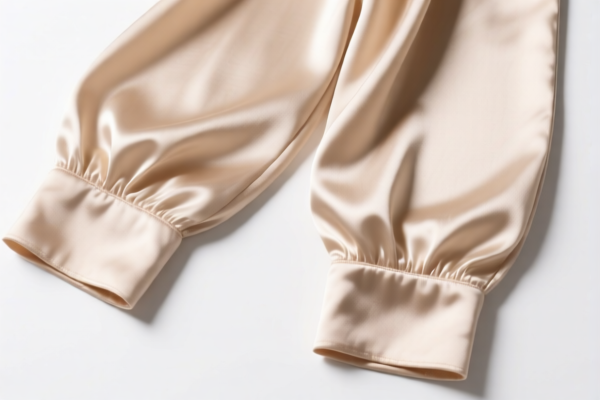
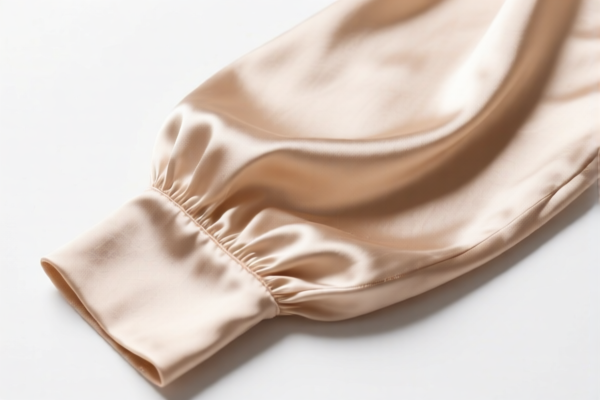
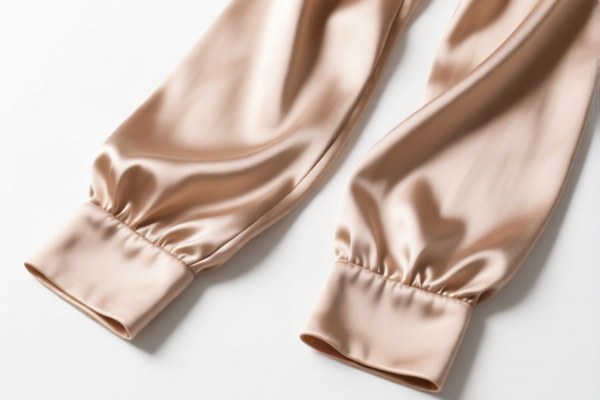
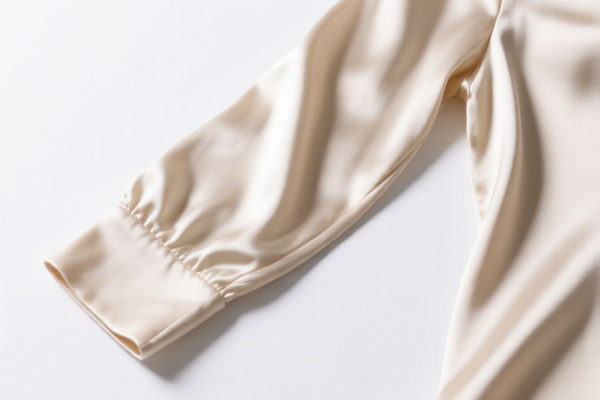
AI分析
🧤 Sleeve Covers (Sun Protection Arm Sleeves)
🌐 HS Code Reference & Customs Clearance Guide | 2026 Latest Tariff Analysis | Strategic Clearance Strategy
📌 I. Product Definition & Classification: Do You Really Understand "Sleeve Covers"?
Sleeve Covers, specifically Sun Protection Arm Sleeves, are fashion accessories and functional apparel items designed to protect arms from UV radiation, wind, or cold. In international trade, their classification depends heavily on the knitting/crochet status and the specific material composition.
They are generally categorized under two main chapters: * Chapter 61: Knitted or Crochled Articles (Most common for elastic, spandex-blend sleeves). * Chapter 62: Articles of Apparel and Clothing Accessories, Not Knitted or Crocheted (Less common, usually for woven or specific attached accessories).
⚠️ Key Distinction Point:
- If the sleeve is knitted/crocheted (stretchy, made of polyester/spandex blends commonly used in sportswear) →归入 Chapter 61 (HS Codes starting with6117...).
- If the sleeve is considered a woven accessory or non-knitted apparel accessory →归入 Chapter 62 (HS Codes starting with6217...or6219...).
- Crucial Note: Most commercial "sun sleeves" are knitted. Misclassifying a knitted product as woven (or vice versa) can lead to significant duty discrepancies due to different tariff rates and "Section 122" implications.
📦 II. HS Code Classification Details (2026 Latest Tariff Authority Reference)
Based on the provided data, here are the specific HS Codes and their logical justifications for Sun Protection Sleeve Covers:
| HS Code | Product Description & Logic | Applicable Scenario | Knitted/Woven? |
|---|---|---|---|
6217.10.85.00 |
Other Made-Up Clothing Accessories: Classified as an apparel accessory. Form is decorative/functional. Material: Usually chemical fiber or elastic fiber. Fits the logic of "Other Made-Up Clothing Accessories." | Woven or Non-Knitted accessories, generic sun sleeves. | ❌ Non-Knitted/Woven |
6217.10.95.50 |
Other Clothing Accessories: Classified as a textile fabric-based accessory. Fits the logic of "Other Clothing Accessories." | Generic woven sleeves or accessories made from textile fabrics not specified elsewhere. | ❌ Non-Knitted/Woven |
6117.80.95.70 |
Other Knitted/Crochled Accessories: Material is typically polyester or nylon synthetic fibers. Fits the definition of "Other Materials" for knitted accessories. | Most Common: Stretchy, elastic, knitted sun sleeves (e.g., Coolmax, Spandex blends). | ✅ Knitted |
6117.80.85.00 |
Other Knitted/Crochled Accessories: Contains Spandex or Polyester elastic fibers. Fits the usage and material characteristics. | Knitted sleeves with specific elastic features, commonly used in sports/outdoor gear. | ✅ Knitted |
6217.90.90.95 |
Other Parts and Accessories of Clothing: Cuffs or sleeve parts. Inferred material: Textile or non-metal parts. Fits "Other Clothing Accessory Parts." | Specific sleeve cuffs or detached parts, not full sleeves. | ❌ Non-Knitted/Woven |
🔍 Key Reminder:
- Knitted vs. Woven is Critical: If your sun sleeves are made of knitted fabric (elastic, stretchy, typical for sportswear), they should ideally fall under6117codes. However, if customs officials interpret them as "accessories" rather than "clothing," they might look at6217.
- Section 122 Impact: All listed codes are subject to Section 122 tariffs (10%) and potential Additional Tariffs (0% or 7.5%) depending on the specific 10-digit subheading and current trade policies.
- Do Not Split: A complete sleeve should be declared as a single unit (Accessory or Part), not split into "fabric" and "sewing."
💰 III. 2026 Latest Tariff Rate Details (Including Additional Taxes & Policy Surcharges)
✅ Applicable Country: United States (US)
✅ Origin: China (CN)
✅ Effective Time: Current rates apply (based on 2025-2026 policy trends)
🎯 1. 6217.10.85.00 & 6217.10.95.50 — Woven/Non-Knitted Accessories
| Item | Content |
|---|---|
| Basic Duty Rate | 14.6% (Ad Valorem) |
| Additional Tariff (Section 301) | 0.0% (For 6217.10.85.00) / 7.5% (For 6217.10.95.50) |
| Section 122 Tariff | +10% (Specific to certain accessory categories) |
| Total Tax Rate | 24.6% (Code .85) / 32.1% (Code .95) |
| Tax Calculation | CIF Value × Total Rate |
| De Minimis Exemption | ❌ Not Applicable (Section 122 and Additional Tariffs generally exclude de minimis for these categories) |
| Legal Basis Path | USITC:6217.10.85.00 → Section 122: 10% |
📌 Explanation:
- The 14.6% is the standard Most Favored Nation (MFN) duty.
- Section 122 (10%) is a specific tariff for certain made-up accessories.
- Additional Tariff: Varies by subheading. Code.95has a 7.5% surcharge, while.85has 0%.
- Total Cost: Importing under.95is significantly more expensive (32.1%) than.85(24.6%).
🎯 2. 6117.80.95.70 & 6117.80.85.00 — Knitted Accessories
| Item | Content |
|---|---|
| Basic Duty Rate | 14.6% (Ad Valorem) |
| Additional Tariff (Section 301) | 7.5% |
| Section 122 Tariff | +10% |
| Total Tax Rate | 32.1% |
| Tax Calculation | CIF Value × 32.1% |
| De Minimis Exemption | ❌ Not Applicable |
| Legal Basis Path | USITC:6117.80.85.00 → Section 122: 10% |
📌 Note:
- Knitted accessories (6117) generally face a flat 32.1% total rate in this dataset.
- Even though knitted goods sometimes have lower base duties, the inclusion of the 7.5% Additional Tariff and 10% Section 122 brings them to the same high tier as the more expensive woven code (.95).
- Critical Strategy: If possible, verify if your specific product design qualifies for6217.10.85.00(24.6%) instead of the knitted codes (32.1%). However, misclassification is risky. If it’s clearly knitted,6117is legally safer despite the higher rate.
🎯 3. 6217.90.90.95 — Other Parts/Accessories
| Item | Content |
|---|---|
| Basic Duty Rate | 14.6% |
| Additional Tariff | 7.5% |
| Section 122 Tariff | +10% |
| Total Tax Rate | 32.1% |
| Tax Calculation | CIF Value × 32.1% |
📌 Note:
- This code is for parts (e.g., cuffs, detachable parts). Do not use this for complete sleeves unless they are truly incomplete components.
- Same high tariff burden as knitted accessories.
🛠️ IV. Customs Clearance Practical Advice (Battle-Tested Pitfall Guide)
✅ 1. Required Documentation Checklist (Non-Negotiable)
| Document | Mandatory? | Description |
|---|---|---|
| ✅ Product Specification Sheet | ✔️ | Must clearly state: Knitted or Woven? Material composition (e.g., 80% Polyester, 20% Spandex). |
| ✅ Product Photos | ✔️ | Clear images showing the knit structure (if knitted) vs. woven texture. Include labels with care instructions. |
| ✅ Commercial Invoice | ✔️ | Clearly describe as: "Sun Protection Arm Sleeves, Knitted/Crocheted, Polyester/Spandex Blend." Avoid vague terms like "Textile Parts." |
| ✅ Packing List | ✔️ | Ensure quantity and weight match the invoice. |
| ✅ Origin Certificate (CO) | ✔️ | Required to prove Chinese origin for Section 122 calculations. |
✅ 2. Declaration Tips (Key Mantras)
🔥 “Knitted vs. Woven Defines the Code, Section 122 Defines the Cost!”
| Scenario | Correct Declaration | Wrong Practice |
|---|---|---|
| Standard Stretchy Sun Sleeves | 6117.80.85.00 (Knitted) |
Declare as 6217 (Woven) → Risk of Misclassification Penalty |
| Woven/Fabric Band Sleeves | 6217.10.85.00 |
Declare as 6117 → Higher Duty (32.1% vs 24.6%) |
| Sleeve Cuffs Only | 6217.90.90.95 |
Declare as Full Sleeves → Value Misstatement |
| Complete Set (Sleeves + Gloves) | Declare Separately | Bundle into one line item → Customs May Split & Reassess |
📌 Strategic Insight:
- The difference between 24.6% and 32.1% is 7.5%. On a $10,000 shipment, that’s $750 in savings.
- If your sleeves are knitted (which most are), you are stuck at 32.1%.
- If you can prove they are non-knitted accessories (e.g., woven elastic bands), you might qualify for 24.6% (.85) or 32.1% (.95).
- Do NOT gamble on classification without professional validation. Misclassification leads to audits, penalties, and seizure.
✅ 3. Special Handling Cases
| Situation | Handling Advice |
|---|---|
| OEM Custom Sleeves | Provide design drawings showing the knit pattern (e.g., rib-knit, circular knit) to support 6117 classification. |
| Material Composition Change | If Spandex content changes, ensure the HS Code still fits "Textile Fabrics." High elastane content usually confirms Knitted status. |
| Packaged as Gift Sets | If sold with gloves or hats, declare each item separately according to its own HS Code. |
| Section 122 Exemption? | ❌ No. Section 122 tariffs for these accessories are currently mandatory and do not offer easy exemptions. |
🌍 V. Global Market Comparison (2026 Latest)
| Country/Region | Recommended HS Code | Tariff Rate (China Origin) | Certification Requirements | Notes |
|---|---|---|---|---|
| 🇺🇸 USA | 6117.80.85.00 / 6217.10.85.00 |
24.6% - 32.1% | None specific for textiles, but ASTM/CPSC may apply for child safety | High Tariff: Section 122 + Additional Duties apply |
| 🇨🇳 China | 6117.80.95.70 |
7.5% - 8.5% | CCC (if applicable) | Lower domestic duty |
| 🇪🇺 EU | 6117.80.95 |
0% - 12% | CE (if claimed), REACH | No Section 122 equivalent |
| 🇬🇧 UK | 6117.80.95 |
0% - 12% | UKCA | Post-Brexit rules apply |
📌 Conclusion:
- USA is the most expensive market for textile accessories due to Section 122 and Section 301 add-ons.
- European Union generally offers lower or zero duties for knitted accessories, depending on the specific origin and FTAs.
- Strategy: Consider shifting manufacturing to Vietnam, Thailand, or India to avoid China-specific Section 122 and 301 tariffs.
📌 VI. Common Mistakes & Pitfalls (Blood-Teaching Lessons)
❌ Mistake 1: Declaring "Knitted Sleeves" as 6217 (Woven) to avoid Section 301 Additional Tariff.
👉 Consequence: Customs audit, penalty of 20-50% of duty evaded, potential seizure.
👉 Correct: Be honest. If it’s knitted, use 6117. Pay the 32.1%.
❌ Mistake 2: Ignoring the 10% Section 122 Tariff.
👉 Consequence: Underpayment of duty. Customs will assess the 10% later, plus interest.
👉 Correct: Always add 10% to your cost model for these HS codes.
❌ Mistake 3: Using vague descriptions like "Arm Warmers" or "Sleeves."
👉 Consequence: Customs may classify it under a higher-duty or restricted category.
👉 Correct: Use "Sun Protection Arm Sleeves, Knitted, Polyester/Spandex."
✅ Correct Practice:
"Knitted Sun Protection Arm Sleeves, 100% Polyester/20% Spandex Blend, Elastic, UV Protection, Model XYZ, Made in China"
🎯 VII. Conclusion: Precise Classification, Cost Efficiency!
🎯 Remember the Mantra:
🔹 "Knitted = 6117 (32.1%), Woven = 6217 (.85 = 24.6%, .95 = 32.1%)."
🔹 "Section 122 is 10% Extra. Don't Forget It!"
🔹 "HS Code Determines Your Profit Margin."
📌 Pro Tip:
If your volume is high, consider pre-classifying with a US customs broker or applying for an Advance Ruling. The 7.5% duty difference between 6217.10.85.00 and 6217.10.95.50 (or knitted codes) is significant.
Also, explore Supply Chain Diversification: Moving production to Southeast Asia can reduce tariffs to 0% - 10% in the US, bypassing Section 122 and Section 301 entirely.
📣 Immediate Action:
📞 Consult a Licensed Customs Broker + Provide Material Samples + Verify Knit/Woven Structure
🚀 Clear Customs Smoothly, Minimize Duty, Maximize Profit!
✨ Professional Clearance Starts with Accurate Classification!
💼 Every Percent Saved is Pure Profit!
用户评价
关于 HS 编码归类
协调制度(HS)是由世界海关组织(WCO)制定的国际贸易商品分类标准。全球 200 多个国家采用 HS 系统作为海关关税、贸易统计和进出口监管的基础。
每个 HS 编码遵循以下层级结构:
- 章(2 位)——商品大类(例如:第 84 章:机器和机械设备)
- 品目(4 位)——章内的更具体分类
- 子目(6 位)——国际通用细分,所有 WCO 成员国统一使用
- 本国细分(8-10 位)——各国自行扩展的细分编码,如美国 HTSUS 10 位编码
正确的 HS 编码归类对于顺利通关、准确缴纳关税和遵守贸易法规至关重要。错误归类可能导致海关延误、多缴关税或罚款。
从CN进口到US时,适用的关税税率可能包括:
- 最惠国(MFN)税率——适用于 WTO 成员国的标准关税税率
- 普通税率——适用于无贸易协定国家
- 贸易救济关税——附加关税,如 301 条款(反倾销)、232 条款(国家安全)或反补贴税
本页内容仅供参考。如需正式归类,请咨询当地海关或持牌报关代理。