Small Polyethylene Bags
CN → US| HS编码 | 关税税率 | 原产国 | 目的国 | 文档 |
|---|---|---|---|---|
| 3923210080 | 38.0% | CN | US | 官方文档 |
| 3923210011 | 38.0% | CN | US | 官方文档 |
| 3923210030 | 38.0% | CN | US | 官方文档 |
| 4202929700 | 52.6% | CN | US | 官方文档 |
| 4202221500 | 51.0% | CN | US | 官方文档 |
商品图片
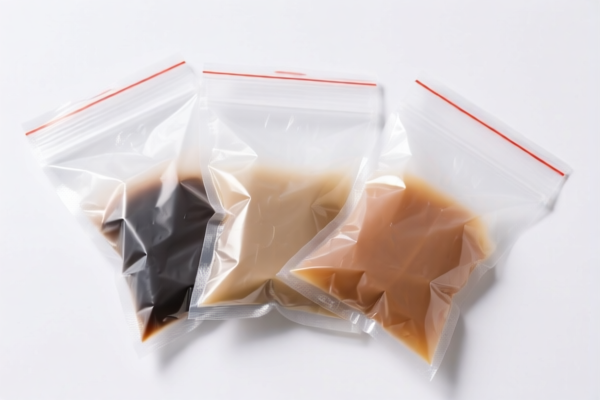

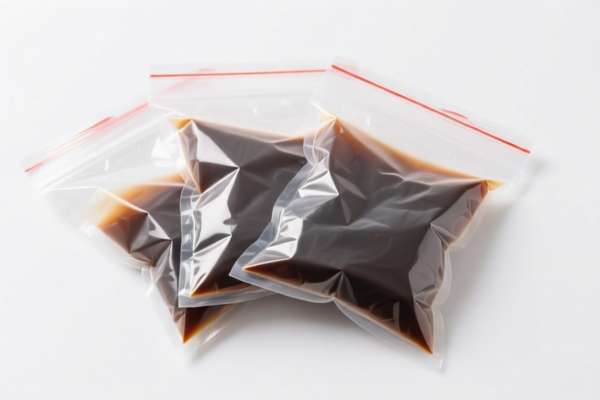
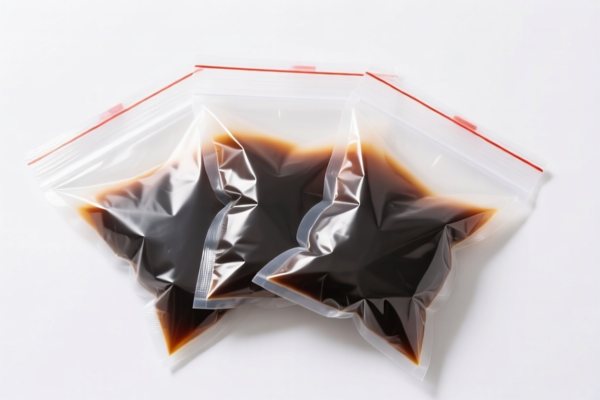
AI分析
🎒 Small Polyethylene Bags (Plastic Sacks & Pouches)
🌐 HS Code Reference & Customs Clearance Guide | 2026 Updated Tariff Analysis | Strategic Entry for PE Bags
📌 I. Product Definition & Classification: What Are "Small Polyethylene Bags"?
Polyethylene (PE) bags are ubiquitous packaging materials used in retail, logistics, and consumer goods. In international trade, their classification depends heavily on material specificity, form, and intended use.
Key Distinctions: * Pure Polyethylene Bags: Specifically identified as PE, typically falling under Chapter 39 (Plastics and Articles Thereof). These include standard shopping bags, trash liners, and produce bags. * Generic Plastic Bags / Specialty Containers: If the material is not strictly specified as PE or if the bag serves a specific retail/display function (e.g., high-end shopping bags), they may fall under Chapter 42 (Articles of Leather; related products).
⚠️ Critical Classification Point:
- If the bag is explicitly made of Polyethylene and serves a general packaging purpose → Chapter 39 (3923.21)
- If the bag is made of Plastic (generic) but designed for shopping/display purposes → Chapter 42 (4202.92 / 4202.22)
📦 II. HS Code Classification Matrix (2026 Official Tariff Schedule)
Based on the provided data, here is the precise breakdown of applicable HS Codes for Small Polyethylene Bags:
| HS Code | Summary / Description | Basis for Classification | Total Tax Rate |
|---|---|---|---|
| 3923.21.00.80 | Material: Polyethylene Form: Bags |
Explicitly matches "Material: Polyethylene, Form: Bags" | 38.0% |
| 3923.21.00.11 | Material: Polyethylene Form: Bags |
Explicitly matches "Material: Polyethylene, Form: Bags" | 38.0% |
| 3923.21.00.30 | Material: Plastic Form: Bags |
Residual/Fallback Category: "Plastic" used broadly for PE bags | 38.0% |
| 4202.92.97.00 | Material: Plastic Form: Bags |
Specific Use: Classified as "Shopping Bags" or similar containers | 52.6% |
| 4202.22.15.00 | Material: Plastic Form: Bags |
Specific Use: Classified as "Handbags / Tote Bags" | 51.0% |
🔍 Key Insight:
- HS 3923.21 codes are generally for industrial/commercial packaging (liners, sacks).
- HS 4202 codes are for consumer retail packaging (shopping bags, tote bags).
- Misclassification Risk: Declaring a high-quality retail shopping bag as a simple "plastic sack" (3923) to avoid higher tariffs can lead to customs penalties. The use (shopping vs. packaging) drives the shift from 38% to ~52%.
💰 III. Detailed Tariff Breakdown (2026 US Import Duties for CN Origin)
✅ Applicable Country: United States (US)
✅ Country of Origin: China (CN)
✅ Effective Date: Current rates include Section 301 and IEEPA surcharges.
🎯 1. Group A: General Packaging Bags (HS 3923.21.x)
Codes: 3923.21.00.80, 3923.21.00.11, 3923.21.00.30
| Component | Rate | Source / Policy |
|---|---|---|
| Base Tariff | 3.0% | MFN (Most Favored Nation) Rate |
| Section 301 Tariff | 25.0% | USITC Footnote 9903.88.01 (China-specific) |
| IEEPA Tariff | 10.0% | Executive Order on IEEPA (China-specific) |
| TOTAL RATE | 38.0% |
📌 Explanation:
- These codes are treated as standard plastic articles.
- The 10% IEEPA and 25% Section 301 are叠加 (stacked) on the 3% base.
- Note: Code3923.21.00.30is a "residual" code for plastic bags not specified as PE, but the tax burden is identical.
🎯 2. Group B: Retail/Consumer Shopping Bags (HS 4202.22 / 4202.92)
Codes: 4202.92.97.00, 4202.22.15.00
| Component | Rate | Source / Policy |
|---|---|---|
| Base Tariff | 16.0% - 17.6% | Higher base rate for "finished articles" |
| Section 301 Tariff | 25.0% | USITC Footnote 9903.88.01 |
| IEEPA Tariff | 10.0% | Executive Order on IEEPA |
| TOTAL RATE | 51.0% - 52.6% |
📌 Explanation:
- These codes carry a significantly higher base tariff (16-17.6%) because they are considered "articles of leather/plastics" with specific retail utility.
- HS 4202.92.97.00 (Shopping Bags): Base 17.6% + 25% + 10% = 52.6%
- HS 4202.22.15.00 (Handbags/Totes): Base 16.0% + 25% + 10% = 51.0%
🛠️ IV. Customs Clearance Strategy & Practical Advice
✅ 1. Document Preparation (Must-Haves)
| Document | Requirement | Why It Matters |
|---|---|---|
| Product Specification Sheet | Must state Material Composition (e.g., "100% Low-Density Polyethylene") | Determines if you qualify for 3923 (PE-specific) or need 4202 (generic plastic). |
| Product Photos | Clear images of the bag, including any handles, zippers, or prints | Helps customs distinguish between simple sacks (3923) and shopping bags (4202). |
| Commercial Invoice | Clearly describe as "Polyethylene Bags for Packaging" NOT "Shopping Bags" unless intended for retail sale | Mislabeling a trash liner as a "shopping bag" triggers the 52.6% rate. |
| Origin Certificate | Verify Country of Origin (China) | Required to calculate the 25% + 10% surcharges accurately. |
✅ 2. Classification Optimization Strategy
Scenario A: Industrial/Commercial Use (e.g., trash liners, bulk shipping bags) * Strategy: Classify under 3923.21.00.xx. * Benefit: 38.0% Total Tax. * Key: Ensure the invoice description emphasizes "packaging," "liners," or "industrial use." Avoid words like "shopping," "gift," or "tote."
Scenario B: Retail Consumer Use (e.g., branded shopping bags for boutiques) * Strategy: You must use 4202.22.15.00 or 4202.92.97.00. * Cost: 51.0% - 52.6% Total Tax. * Key: Do not attempt to misclassify as 3923. Customs may audit based on product appearance (handles, prints, stiffness). If it looks like a shopping bag, it will be taxed as a shopping bag.
✅ 3. Common Pitfalls & Risks
| Mistake | Consequence | Solution |
|---|---|---|
| Declaring Shopping Bags as "Plastic Sacks" | Customs reclassification → Back Taxes + Penalties (Up to 52.6% vs 38%) | Be honest about usage. If it has handles and is for retail, declare as 4202. |
| Vague Material Description | Customs may assign the highest residual code or audit | Specify "Polyethylene (PE)" explicitly. Avoid just "Plastic." |
| Ignoring IEEPA Section | Unexpected 10% surcharge at port | Ensure your broker applies the IEEPA 10% correctly for CN origin. |
🌍 V. Global Market Comparison (2026)
| Market | Recommended HS Code | Est. Total Duty | Notes |
|---|---|---|---|
| 🇺🇸 USA | 3923.21.00.xx |
38.0% | Highest surcharges (35% total added to base). |
| 🇺🇸 USA | 4202.22/92.xx |
51.0% - 52.6% | For retail shopping bags. |
| 🇨🇳 China | 3923.21.00.90 |
~10% - 13% | Lower base rates; no Section 301/IEEPA for domestic. |
| 🇪🇺 EU | 3923.29.00 |
~6.5% | No equivalent to US 301/IEEPA; lower barrier. |
📌 Strategic Takeaway:
The US market is the most expensive for Chinese PE bags due to the 35%叠加 surcharge (25% + 10%).
For retail shopping bags, the cost is nearly double that of industrial packaging bags.
📌 VI. Conclusion & Action Plan
🎯 Final Recommendation:
- For Industrial/Logistics Bags: Use 3923.21.00.80 / .11 / .30.
- Tax: 38%
- Description: "Polyethylene Bags for Packaging/Liners"
- For Retail Shopping Bags: Use 4202.22.15.00 or 4202.92.97.00.
- Tax: 51% - 52.6%
- Description: "Plastic Shopping Bags with Handles"
🔥 Pro Tip:
If your business model relies on high-volume, low-margin poly bags, the 38% duty is a significant cost driver. Consider:
- Supply Chain Diversification: Source from non-China origins (e.g., Vietnam, Thailand) to potentially avoid Section 301 (25%) and IEEPA (10%), reducing the rate to just the Base Tariff (~3-17%).
- Advance Ruling: Apply for a Customs Ruling before shipment to lock in the 38% classification and avoid disputes.
✨ Smart Clearing, Maximized Profit!
💼 Classify Correctly, Declare Honestly, Clear Faster!
用户评价
关于 HS 编码归类
协调制度(HS)是由世界海关组织(WCO)制定的国际贸易商品分类标准。全球 200 多个国家采用 HS 系统作为海关关税、贸易统计和进出口监管的基础。
每个 HS 编码遵循以下层级结构:
- 章(2 位)——商品大类(例如:第 84 章:机器和机械设备)
- 品目(4 位)——章内的更具体分类
- 子目(6 位)——国际通用细分,所有 WCO 成员国统一使用
- 本国细分(8-10 位)——各国自行扩展的细分编码,如美国 HTSUS 10 位编码
正确的 HS 编码归类对于顺利通关、准确缴纳关税和遵守贸易法规至关重要。错误归类可能导致海关延误、多缴关税或罚款。
从CN进口到US时,适用的关税税率可能包括:
- 最惠国(MFN)税率——适用于 WTO 成员国的标准关税税率
- 普通税率——适用于无贸易协定国家
- 贸易救济关税——附加关税,如 301 条款(反倾销)、232 条款(国家安全)或反补贴税
本页内容仅供参考。如需正式归类,请咨询当地海关或持牌报关代理。