Small Pottery Machine
CN → US| HS编码 | 关税税率 | 原产国 | 目的国 | 文档 |
|---|---|---|---|---|
| 8479820040 | 35.0% | CN | US | 官方文档 |
| 8479820080 | 35.0% | CN | US | 官方文档 |
| 9023000000 | 17.5% | CN | US | 官方文档 |
| 8479820040 | 35.0% | CN | US | 官方文档 |
商品图片
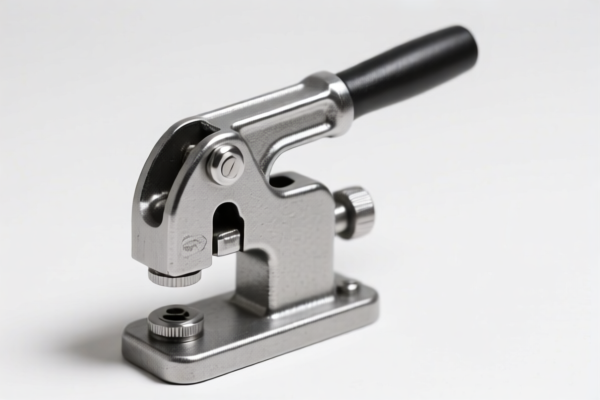
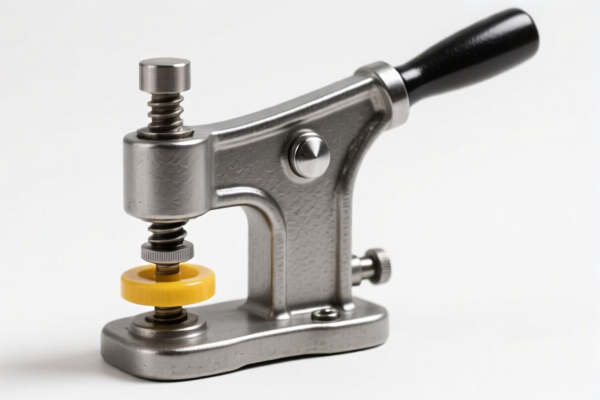
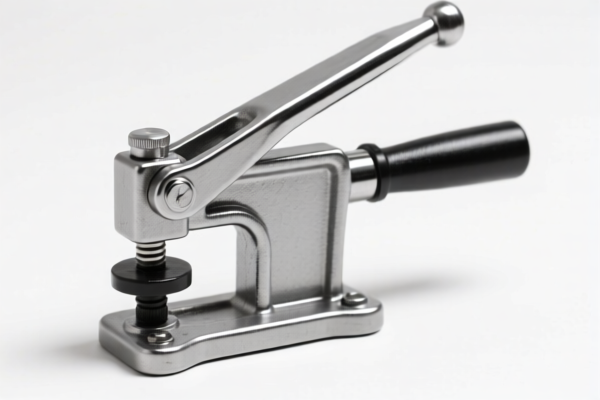
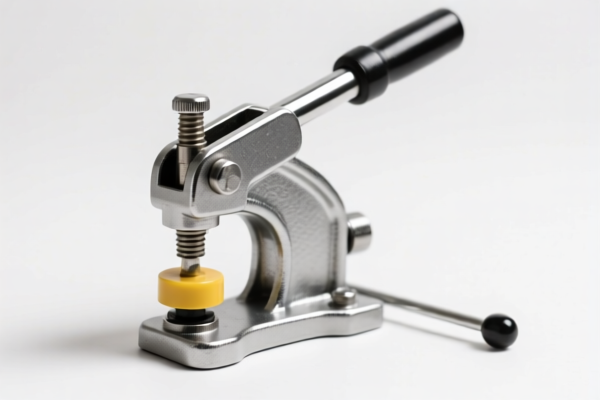
AI分析
🏺 Small Pottery Machine (Mini Clay Kneader/Mixer)
🌐 HS Code Reference & Customs Clearance Guide | 2026 Latest Tariff Analysis | Strategic Entry for US Imports
📌 I. Product Definition & Classification: What Exactly Is a "Small Pottery Machine"?
A "Small Pottery Machine" in international trade typically refers to a compact mechanical device used for rotating, mixing, kneading, or shaping clay. It is crucial to distinguish between a functional mixing machine (used for preparing clay) and a demonstration/educational device (used for art class displays or teaching). This distinction drastically changes the HS Code and, consequently, the tariff burden.
⚠️ Key Distinction Point:
- If the machine is primarily for mixing, kneading, or batching clay → It falls under Chapter 84 (Machinery for Mixing/Kneading).
- If the machine is primarily for demonstration, teaching, or artistic display without heavy-duty mixing functions → It may fall under Chapter 90 (Instruments/Apparatus for Demonstration).
📦 II. HS Code Classification Details (2026 Official Tariff Schedule)
Based on the provided data, here are the specific classifications for Small Pottery Machines entering the US market.
| HS Code | Product Description | Applicability Scenario | Tax Rate (Total) |
|---|---|---|---|
8479.82.00.40 |
Mechanical apparatus for mixing/kneading; specifically identified as a Small Pottery Machine with rotating/forming functions. | Functional clay mixing machines, commercial or studio-grade kneaders. | 35.0% |
8479.82.00.80 |
Other mixing/kneading machines; Small Pottery Machine used for rotating, stirring, or kneading clay. | General-purpose clay kneaders not specifically listed elsewhere; generic mixing functions. | 35.0% |
9023.00.00.00 |
Instruments, apparatus, and models designed for demonstrational purposes (e.g., teaching, exhibitions). Mini Pottery Machine for art display/education. | Educational kits, demo units, lightweight artistic models not for industrial/professional mixing. | 17.5% |
🔍 Critical Analysis:
- Category A (Ch. 84): Codes8479.82.00.40and8479.82.00.80are for functional machinery. The key here is the mechanical action of mixing or kneading. These attract higher tariffs due to being industrial/commercial equipment.
- Category B (Ch. 90): Code9023.00.00.00is for demonstration/educational devices. If the "Mini Pottery Machine" is lightweight, intended for classroom use, or lacks heavy-duty mixing capability, it qualifies for the lower 17.5% rate.
- Note: Code8479.82.00.40also appears for "Mini Pottery Machine" in the data if it is deemed to have "independent mechanical functions" fitting the mixing category. This shows that intent and primary function matter more than just the word "Mini."
💰 III. 2026 Latest Tariff Rate Breakdown (Including Surcharge & Policy Add-ons)
✅ Applicable Country: United States (US)
✅ Origin: China (CN)
✅ Effective Date: Ongoing (Includes Section 301 and IEEPA measures)
🎯 1. For Functional Machines: HS Codes 8479.82.00.40 & 8479.82.00.80
| Item | Content |
|---|---|
| Base Tariff | 0.0% (Ad Valorem) |
| Section 301 Surcharge | +25.0% (USITC Footnote 9903.88.01) |
| IEEPA Surcharge (122 Clause) | +10.0% (Targeting specific Chinese machinery categories) |
| Total Tariff Rate | 35.0% |
| Tax Calculation | CIF Value × 35% |
| De Minimis Eligibility | ❌ No (High-value machinery generally excluded or too expensive for $800 exemption) |
| Legal Authority Path | IEEPA:9903.01.25 → Section 301: 8479.82.00.40/80 |
📌 Explanation:
- The 35% total rate is a combination of the standard base (0%) plus two layers of punitive/additional tariffs.
- 25% is the standard Section 301 duty on many Chinese goods.
- 10% is the specific "122 Clause" tariff applied to this machinery category.
- Cost Impact: This is a high-cost category. You must factor this into your landed cost immediately.
🎯 2. For Demonstration/Educational Units: HS Code 9023.00.00.00
| Item | Content |
|---|---|
| Base Tariff | 0.0% (Ad Valorem) |
| Section 301 Surcharge | +7.5% (Reduced rate for certain demonstration/educational instruments) |
| IEEPA Surcharge (122 Clause) | +10.0% |
| Total Tariff Rate | 17.5% |
| Tax Calculation | CIF Value × 17.5% |
| De Minimis Eligibility | ❌ No (Depends on unit value, but generally subject to duty if declared as machinery) |
| Legal Authority Path | IEEPA:9903.01.24 → USITC:9023.00.00.00 |
📌 Explanation:
- The 17.5% total rate is significantly lower than the functional machinery rate.
- The 7.5% Section 301 surcharge is lower for this category compared to the 25% for Ch. 84 machinery.
- The 10% IEEPA surcharge still applies.
- Strategy: If your product is lightweight, plastic/resin-based, and marketed for hobby/education, aim for this classification to save 17.5% in duties.
🛠️ IV. Customs Clearance Practical Advice (Avoid Pitfalls)
✅ 1. Preparation Checklist (Mandatory Documents)
| Document | Required? | Notes |
|---|---|---|
| ✅ Product Specification Sheet | ✔️ | Must clearly state: Function (Mixing vs. Demo), Power Rating, Weight, Material. |
| ✅ Product Photos | ✔️ | Show the machine in operation. Does it have a heavy mixing paddle? Or is it a simple rotating turntable? |
| ✅ Instruction Manual (English) | ✔️ | Explicitly mention the intended use: "For Educational/Demonstration Purposes" or "Professional Clay Kneading." |
| ✅ Commercial Invoice | ✔️ | Accurate description: "Clay Mixing Machine" vs. "Educational Pottery Display Model." |
| ✅ Packing List | ✔️ | Ensure weight matches the HS code expectation (Ch. 90 items are usually lighter). |
✅ 2. Declaration Strategy (The "Golden Rules")
🔥 “Function Defines Code, Weight Supports Claim, Description Matches Reality!”
| Scenario | Recommended HS Code | Risk of Misclassification |
|---|---|---|
| Heavy Duty, Motorized, for Studio Use | 8479.82.00.40 / .80 |
If you declare as 9023 but it’s a heavy mixer → Penalty + Back Taxes. |
| Lightweight, Plastic, Classroom Demo | 9023.00.00.00 |
If you declare as 9023 but it’s a professional mixer → Penalty + Back Taxes. |
| Generic "Pottery Wheel" (Rotating, Not Mixing) | Check Specific Subheading | Ensure it’s not classified as a "Lathe" (Ch. 84) by mistake. The provided data focuses on mixing/kneading or demo. |
✅ 3. Special Handling Tips
| Situation | Actionable Advice |
|---|---|
| OEM for Schools | Clearly label as "Educational Equipment" on the invoice. Provide school purchase orders if possible. |
| Mixed Shipments | If you ship both professional mixers and demo units, separate them in the declaration. Do not lump them under one code. |
| Weight Limit | Items under 20kg are more likely to be scrutinized as "consumer/hobby" goods, supporting the 9023 claim if other features match. |
| Component Separation | If you ship parts separately to assemble later, the risk of being classified as "Machinery" (Ch. 84) increases. Consider shipping as a complete unit. |
🌍 V. Global Market Comparison (Quick Reference)
| Country/Region | Recommended HS Code | Est. Tariff (China Origin) | Key Certification |
|---|---|---|---|
| 🇺🇸 USA | 8479.82.00.40 / 9023.00.00.00 |
35% (Functional) 17.5% (Demo) |
FCC, UL (Electrical) |
| 🇪🇺 EU | 8479.82 / 9023 |
~0% - 4% (No Section 301) | CE, RoHS, REACH |
| 🇨🇳 China | 8479.82 / 9023 |
~0% - 5% (Import Duty) | CCC (If applicable) |
| 🇬🇧 UK | 8479.82 / 9023 |
~0% - 4% (Post-Brexit) | UKCA, CE |
📌 Conclusion:
- The USA is the most expensive market due to Section 301 and IEEPA tariffs.
- Cost Saving Opportunity: If your product can legitimately be classified as Educational/Demonstration Equipment (9023), you save 17.5% in duties. Ensure your marketing and documentation support this "Educational" narrative.
📌 VI. Common Errors & Pitfalls (Lessons Learned)
❌ Error 1: Declaring a heavy, industrial clay mixer as "Educational Demo" to get 17.5%.
👉 Result: Customs inspection reveals high weight/power → Reclassified to 8479 → Back taxes + fines.
❌ Error 2: Using vague descriptions like "Pottery Tool."
👉 Result: Customs assigns a default high-rate code or demands additional info → Delay in clearance.
❌ Error 3: Ignoring the "122 Clause" 10% IEEPA tariff.
👉 Result: Underquoting the landed cost → Profit margin erosion.
✅ Correct Description Example:
"Mini Educational Pottery Kneader, Demo Unit, Plastic Housing, 120V, for Classroom Art Instruction, Model XYZ, FCC Certified"
(This supports HS 9023.00.00.00)
🎯 VII. Conclusion: Strategic Importing for 2026
🎯 Remember:
🔹 "Mixing = 35% Duty (Ch. 84)"
🔹 "Demo/Education = 17.5% Duty (Ch. 90)"
🔹 "Documentation is Key: Prove the Educational Use!"
📌 Pro Tip:
If you are importing for resale, ensure your marketing materials for the end-user clearly state "For Educational/Demo Use" if you are aiming for the lower 17.5% rate. However, never misrepresent a professional machine. Consult a customs broker to review your product specs before shipping.
📣 Immediate Action:
📞 Contact a licensed US Customs Broker
📄 Provide Product Spec Sheet & Photos
🚀 Apply for Advance Ruling (Optional but Recommended) to lock in the HS Code and avoid surprise audits.
✨ Smart Classification, Smarter Profits!
💼 Don't let tariffs eat your margin. Classify correctly, clear smoothly.
用户评价
关于 HS 编码归类
协调制度(HS)是由世界海关组织(WCO)制定的国际贸易商品分类标准。全球 200 多个国家采用 HS 系统作为海关关税、贸易统计和进出口监管的基础。
每个 HS 编码遵循以下层级结构:
- 章(2 位)——商品大类(例如:第 84 章:机器和机械设备)
- 品目(4 位)——章内的更具体分类
- 子目(6 位)——国际通用细分,所有 WCO 成员国统一使用
- 本国细分(8-10 位)——各国自行扩展的细分编码,如美国 HTSUS 10 位编码
正确的 HS 编码归类对于顺利通关、准确缴纳关税和遵守贸易法规至关重要。错误归类可能导致海关延误、多缴关税或罚款。
从CN进口到US时,适用的关税税率可能包括:
- 最惠国(MFN)税率——适用于 WTO 成员国的标准关税税率
- 普通税率——适用于无贸易协定国家
- 贸易救济关税——附加关税,如 301 条款(反倾销)、232 条款(国家安全)或反补贴税
本页内容仅供参考。如需正式归类,请咨询当地海关或持牌报关代理。