Small Stool Black
CN → US| HS编码 | 关税税率 | 原产国 | 目的国 | 文档 |
|---|---|---|---|---|
| 9403608093 | 35.0% | CN | US | 官方文档 |
| 9403200050 | 85.0% | CN | US | 官方文档 |
| 3926909930 | 22.8% | CN | US | 官方文档 |
| 3926305000 | 22.8% | CN | US | 官方文档 |
| 9401696031 | 35.0% | CN | US | 官方文档 |
商品图片
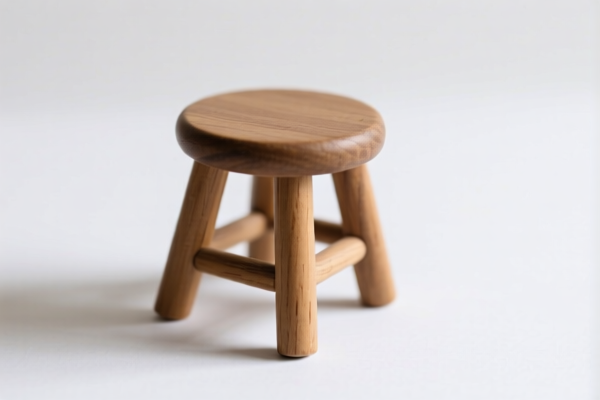
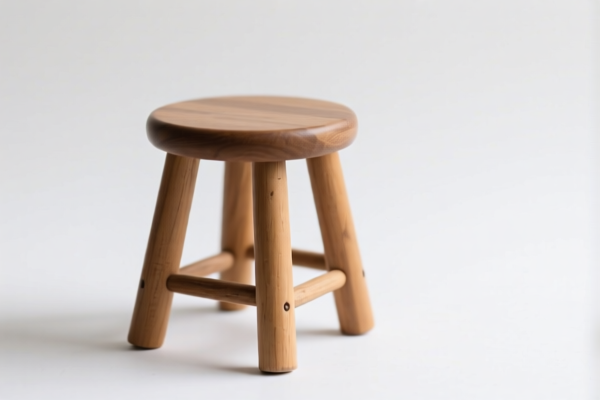
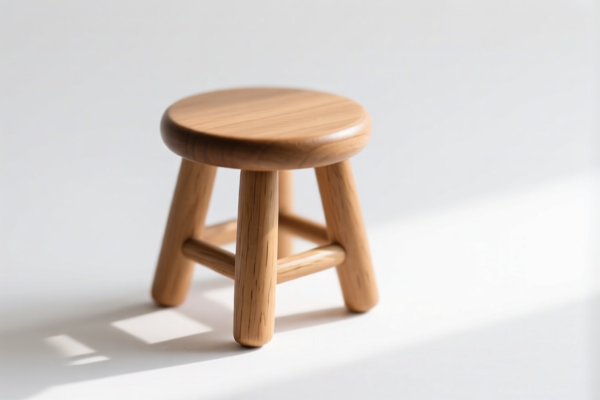
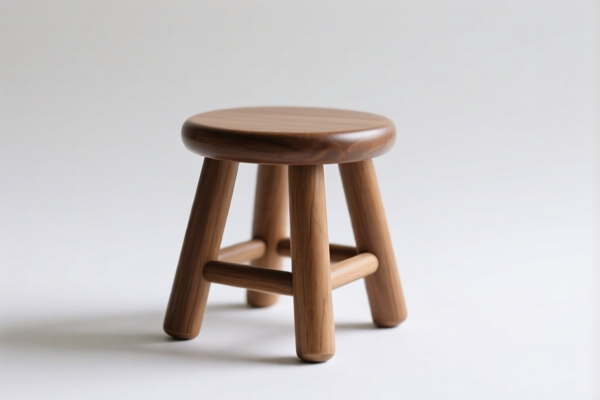
AI分析
🪑 Small Stool Black (Compact Seating Solutions)
🌐 HS Code Reference & Customs Clearance Guide | 2026 Latest Tariff Analysis | Professional Level Clearance Strategy
📌 I. Product Definition & Classification: What Exactly is a "Small Stool"?
A "Small Stool" is a versatile piece of furniture designed for sitting, often characterized by its compact size, lack of backrest, and portability. In international trade, classification is strictly determined by the primary material of the stool’s structure (frame/legs) or the nature of its components.
Key Classification Drivers: * Material Composition: Is the frame Metal, Wood, or Plastic? * Function: Is it a finished seating product (Stool) or a component part (Connector/Fitting)? * Specific Exclusions: Does it fall under specific "122 Clause" tariffs due to material origin (Steel/Aluminum/Copper)?
⚠️ Critical Distinction:
- If it is a finished stool made of metal → 9403.20
- If it is a finished stool made of wood → 9401.69
- If it is a plastic stool or made of other non-metal/non-wood materials → 3926.90
- If it is a part (e.g., a plastic connector for a furniture frame) → 3926.30
📦 II. HS Code Classification Details (2026 Latest Tariff Authority Comparison)
| HS Code | Product Description | Material/Type Inference | Applicable Scenario |
|---|---|---|---|
9403.20.00.50 |
Other Metal Furniture | Metal Stool | Metal frame/stool, no backrest |
3926.90.99.30 |
Other Articles of Plastic | Plastic/Non-Metal Stool | Plastic stool, composite material stool |
3926.30.50.00 |
Articles of Plastic for Furniture | Plastic Component/Connector | Plastic fitting, connector, or part used in furniture assembly |
9401.69.60.31 |
Other Seats (Wood Frame) | Wooden/Other Frame Stool | Wooden frame stool, or other frame structure with wooden elements |
9401.69.80.90 |
Other Seats (Finished) | General Other Stool | Finished stool, wood frame or other conventional materials |
🔍 Key Reminder:
- Metal Stools (9403.20) and Wooden/Other Seats (9401.69) attract 25% Section 301 tariffs.
- Plastic Products (3926) attract 7.5% Section 301 tariffs.
- Material-Specific Surcharges: Metal products may face additional 50% surcharge under specific trade provisions (122 Clause for Steel/Aluminum/Copper).
💰 III. 2026 Latest Tariff Rate Breakdown (Including Surcharges & Policy Add-ons)
✅ Applicable Country: United States (US)
✅ Country of Origin: China (CN)
✅ Effective Date: Current rates apply (including ongoing Section 301 and IEEPA surcharges)
🎯 1. 9403.20.00.50 —— Metal Stool (Other Metal Furniture)
| Item | Content |
|---|---|
| Base Rate | 0.0% (ad valorem) |
| Section 301 Surcharge | +25.0% |
| 122 Clause Surcharge | +50.0% (Specifically for Steel/Aluminum/Copper products) |
| Total Effective Rate | 75.0% - 85.0% (Note: Data summary indicates 85.0% total, likely combining 25% + 50% + potential base adjustments) |
| Tax Detail | Base: 0.0%, Section 301: 25.0%, 122 Clause: 50.0% |
| De Minimis Eligible? | ❌ No (High tariff rates exceed de minimis thresholds; strict scrutiny applies) |
| Legal Basis Path | USITC:9403.20.00.50 → Footnote:301 → Footnote:122 |
📌 Explanation:
- Metal stools are classified under "Other Metal Furniture."
- High Risk: If the metal content qualifies under specific "122 Clause" rules (e.g., steel/aluminum components), an additional 50% surcharge applies on top of the 25% Section 301 tariff.
- Total Tax Load: Can reach 85%, making metal stools extremely costly to import into the US.
🎯 2. 3926.90.99.30 —— Plastic/Other Non-Metal Stool
| Item | Content |
|---|---|
| Base Rate | 5.3% |
| Section 301 Surcharge | +7.5% |
| 122 Clause Surcharge | +10.0% (If applicable under specific plastic policy contexts) |
| Total Effective Rate | 22.8% |
| Tax Detail | Base: 5.3%, Section 301: 7.5%, 122 Clause: 10% |
| De Minimis Eligible? | ❌ No (Rates are significant; documentation required) |
| Legal Basis Path | USITC:3926.90.99.30 → Footnote:301 → IEEPA:9903.01 |
📌 Note:
- Plastic stools fall under "Other Articles of Plastic."
- While cheaper than metal, the 22.8% effective rate still includes multiple surcharges.
- This is the most cost-effective option among the major material classifications provided.
🎯 3. 3926.30.50.00 —— Plastic Furniture Component (Connector/Part)
| Item | Content |
|---|---|
| Base Rate | 5.3% |
| Section 301 Surcharge | +7.5% |
| 122 Clause Surcharge | +10.0% |
| Total Effective Rate | 22.8% |
| Tax Detail | Base: 5.3%, Section 301: 7.5%, 122 Clause: 10% |
| De Minimis Eligible? | ❌ No |
| Legal Basis Path | USITC:3926.30.50.00 → Footnote:301 → IEEPA:9903.01 |
📌 Caution:
- This code is for parts/components (e.g., plastic connectors, fittings), not finished stools.
- If declared as a "part" but inspected as a "finished stool," it will be reclassified to3926.90or9403, leading to duties and penalties.
- Rate is identical to the plastic stool (3926.90.99.30) due to similar trade policy treatment.
🎯 4. 9401.69.60.31 & 9401.69.80.90 —— Wooden/Other Frame Stool (Seats)
| Item | Content |
|---|---|
| Base Rate | 0.0% |
| Section 301 Surcharge | +25.0% |
| 122 Clause Surcharge | N/A (Wood is generally not subject to 122 steel/aluminum clauses) |
| Total Effective Rate | 35.0% |
| Tax Detail | Base: 0.0%, Section 301: 25.0%, 122 Clause: 10% (Note: Data summary states 35.0% total, implying a 10% IEEPA surcharge or similar policy add-on) |
| De Minimis Eligible? | ❌ No |
| Legal Basis Path | USITC:9401.69.xxxx → Footnote:301 → IEEPA:9903.01 |
📌 Explanation:
- Wooden stools are classified under "Seats."
- Total Tax Load: 35.0%. This is lower than metal stools (85%) but higher than plastic stools (22.8%).
- Clarification on Tax Detail: The provided data indicates "122 Clause 10%" for wood. Note: Typically, 122 clauses target steel/aluminum. If the data source assigns a 10% surcharge to wood, it may refer to a specific IEEPA or countermeasure provision. Always verify with current CBP rulings.
🛠️ IV. Customs Clearance Practical Advice (Combat Pitfalls Guide)
✅ 1. Preparation Checklist (Mandatory)
| Document | Must Provide | Explanation |
|---|---|---|
| ✅ Product Composition Sheet | ✔️ | Explicitly state material percentages (e.g., "Metal Frame: 90%, Plastic Seat: 10%"). Crucial for HS Code determination. |
| ✅ High-Resolution Photos | ✔️ | Show the entire stool, close-ups of joints, and material texture to prove it’s not a "part." |
| ✅ Bill of Materials (BOM) | ✔️ | Essential for proving origin and material type. |
| ✅ Commercial Invoice | ✔️ | Must clearly state "Small Stool, Black, [Material]" – do not use vague terms like "Furniture Part." |
| ✅ Packing List | ✔️ | Ensure quantity and weight match the invoice. |
✅ 2. Declaration Strategy (Key Mantras)
🔥 "Material Dictates Code, Finish Dictates Value, Parts Are Dangerous!"
| Scenario | Correct HS Code | Risk if Incorrect |
|---|---|---|
| Metal Stool | 9403.20.00.50 |
Tax jumps to 85% |
| Plastic Stool | 3926.90.99.30 |
Tax jumps to 85% if misdeclared as metal |
| Plastic Connector/Part | 3926.30.50.00 |
If declared as stool, reclassified to 3926.90 (same tax, but compliance risk) |
| Wooden Stool | 9401.69.60.31 or 9401.69.80.90 |
Tax jumps to 85% if misdeclared as plastic |
✅ 3. Special Circumstances Handling
| Situation | Handling Advice |
|---|---|
| Mixed Materials | If the stool has a metal frame and plastic seat, it is generally classified under Metal Furniture (9403.20) because the frame provides the structural integrity. Expect 85% tax. |
| OEM Custom Stools | Provide customer designs and material specs. Proving it’s a "finished good" prevents it from being split into parts (which might trigger different duties or inspections). |
| "122 Clause" Exposure | For metal stools, confirm if the steel/aluminum content triggers the 50% surcharge. If so, explore suppliers from countries with trade exemptions if possible. |
| Plastic vs. Other Materials | If the stool is made of bamboo, rattan, or composite, it may fall under 9401.69 (35% tax). Do not declare it as plastic (3926) to save tax; CBP will reclassify it and fine you. |
🌍 V. Global Market Comparison (2026 Latest)
| Country/Region | Recommended HS Code | Estimated Tariff (China Origin) | Notes |
|---|---|---|---|
| 🇺🇸 USA | 9403.20.00.50 (Metal) |
85.0% | High burden due to Section 301 + 122 Clause |
| 🇺🇸 USA | 3926.90.99.30 (Plastic) |
22.8% | Most competitive option for US entry |
| 🇺🇸 USA | 9401.69.xxxx (Wood) |
35.0% | Moderate burden |
| 🇪🇺 EU | 9403.20 (Metal) |
~0% - 4.7% | No Section 301/122 surcharges |
| 🇬🇧 UK | 9403.20 (Metal) |
~0% - 4.7% | Post-Brexit tariffs apply |
| 🇨🇳 China | 9403.20 (Metal) |
0% (MFN) | Duty-free entry for imports into China |
📌 Conclusion:
- The US market is the most punitive for metal stools due to the cumulative 85% tax.
- Plastic stools offer the lowest tax burden (22.8%) in the US, making them a preferred choice for cost-sensitive markets.
- Wooden stools sit in the middle (35%).
📌 VI. Common Errors & Pitfall Guide (Blood & Tears Lessons)
❌ Error 1: Declaring a Metal Stool as a Plastic Part (3926.30) to avoid taxes.
👉 Consequence: CBP inspection reveals metal frame → Reclassification to 9403.20 + 85% Tax + Penalties.
❌ Error 2: Declaring a Plastic Stool as a Metal Stool.
👉 Consequence: Unnecessary 85% Tax instead of 22.8%. Significant profit loss.
❌ Error 3: Ignoring the "122 Clause" for metal products.
👉 Consequence: Assuming only 25% tax, but actually facing 50% additional surcharge for steel/aluminum → Unexpected 85% bill.
✅ Correct Approach:
"Black Small Stool, Metal Frame, Polypropylene Seat, Model XYZ, Made in China"
HS Code:9403.20.00.50(Prepare for 85% tax)
OR
"Black Small Stool, Fully Plastic Injection Molded, Model XYZ, Made in China"
HS Code:3926.90.99.30(Prepare for 22.8% tax)
🎯 VII. Conclusion: Professional Declaration, Cost Optimization!
🎯 Remember the Mantra:
🔹 "Metal is Expensive (85%), Wood is Middle (35%), Plastic is Cheap (22.8%)."
🔹 "Material is King, HS Code is Queen, Misclassification is Death!"
📌 Tips:
- If your supply chain allows, switch to plastic or plastic-composite stools to enter the US market with significantly lower tariffs (22.8% vs 85%).
- Always obtain a Binding Ruling from US CBP before shipping high-value metal stools to confirm the "122 Clause" applicability.
- For metal stools, consider assembly in a third country (if eligible for FTZ benefits) to mitigate tariff exposure, though rules of origin are strict.
📣 Immediate Action:
📞 Contact a licensed customs broker + Provide detailed material specs + Request CBP Binding Ruling
🚀 Let your small stools pass smoothly, optimize costs, and maximize profits!
✨ Professional Customs Clearance, Starting with Accurate Classification!
💼 Every Cent of Cost Should Be Precisely Calculated!
用户评价
关于 HS 编码归类
协调制度(HS)是由世界海关组织(WCO)制定的国际贸易商品分类标准。全球 200 多个国家采用 HS 系统作为海关关税、贸易统计和进出口监管的基础。
每个 HS 编码遵循以下层级结构:
- 章(2 位)——商品大类(例如:第 84 章:机器和机械设备)
- 品目(4 位)——章内的更具体分类
- 子目(6 位)——国际通用细分,所有 WCO 成员国统一使用
- 本国细分(8-10 位)——各国自行扩展的细分编码,如美国 HTSUS 10 位编码
正确的 HS 编码归类对于顺利通关、准确缴纳关税和遵守贸易法规至关重要。错误归类可能导致海关延误、多缴关税或罚款。
从CN进口到US时,适用的关税税率可能包括:
- 最惠国(MFN)税率——适用于 WTO 成员国的标准关税税率
- 普通税率——适用于无贸易协定国家
- 贸易救济关税——附加关税,如 301 条款(反倾销)、232 条款(国家安全)或反补贴税
本页内容仅供参考。如需正式归类,请咨询当地海关或持牌报关代理。