Sock Model
CN → US| HS编码 | 关税税率 | 原产国 | 目的国 | 文档 |
|---|---|---|---|---|
| 3926204050 | 16.5% | CN | US | 官方文档 |
| 6115966010 | 36.3% | CN | US | 官方文档 |
| 6115940000 | 28.8% | CN | US | 官方文档 |
商品图片
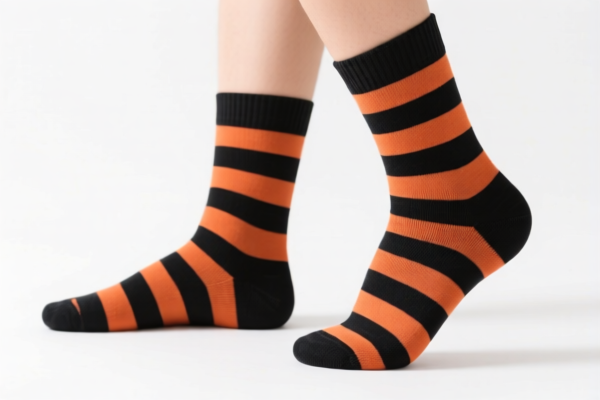
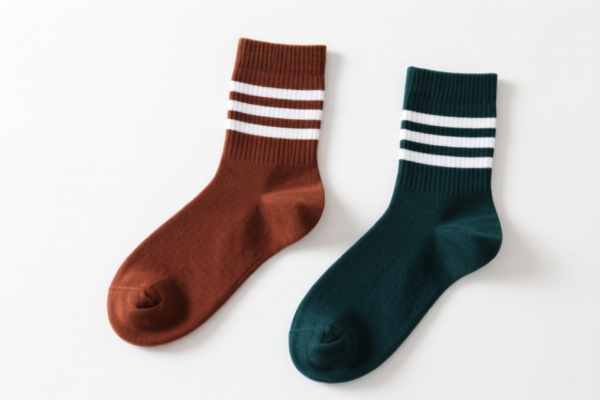
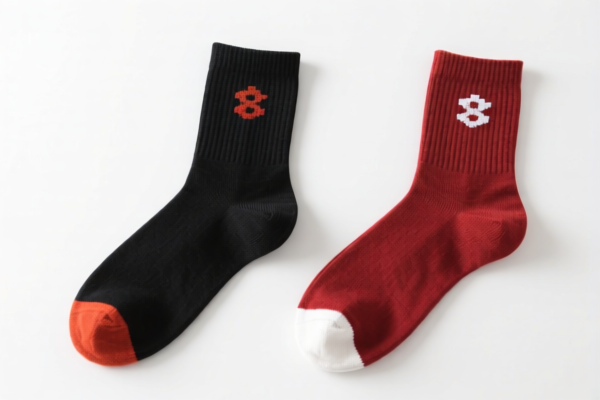
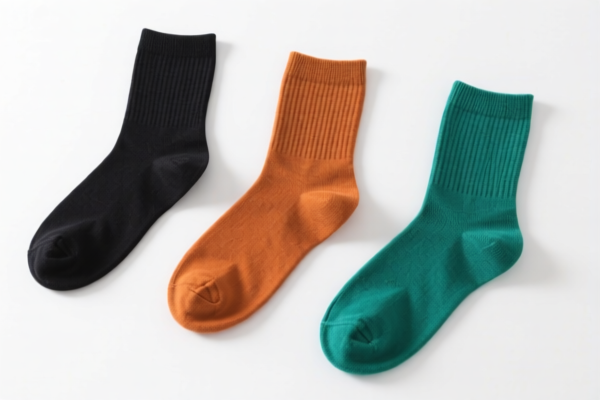
AI分析
🧦 Sock Model (Textile & Plastic Variants)
🌐 HS Code Reference & Customs Clearance Guide | 2026 Latest Tariff Breakdown | Professional Clearance Strategy
📌 I. Product Definition & Classification: Is Your "Sock" Textile or Plastic?
In international trade, the term "Sock Model" is ambiguous and requires precise classification based on material composition and manufacturing method. Misclassification here is common and leads to massive tariff discrepancies.
There are two distinct categories for socks: 1. Knitted/Crocheted Socks (Textile): The traditional type made from cotton, wool, polyester, or blends. These fall under Chapter 61. 2. Plastic Socks/Model Parts: Items that are molded entirely of plastic (e.g., decorative sock models, promotional plastic forms, or non-wearable plastic covers). These fall under Chapter 39.
⚠️ Key Distinction:
- If the item is wearable, flexible, and knitted/crocheted → It is a Textile Good (Chapter 61).
- If the item is rigid, molded, or made entirely of plastic material (even if shaped like a sock) → It is a Plastic Good (Chapter 39).
📦 II. HS Code Classification Details (2026 Latest Tariff Authority)
Based on the provided data, here are the specific HS Codes and their corresponding tax implications.
| HS Code | Product Description | Summary | Material/Type |
|---|---|---|---|
3926.20.40.50 |
Sock Model Classified as Other Plastic Products | Decorative plastic sock forms, non-wearable plastic molds, or promotional plastic items shaped like socks. | 🧱 Plastic |
6115.96.60.10 |
Knitted or Crocheted Other Socks | Traditional wearable socks. Specifically categorized under "Other" knitted/crocheted socks (likely synthetic fibers or specific blends). | 🧶 Knitted Textile |
6115.94.00.00 |
Knitted or Crocheted Other Socks | Traditional wearable socks. Another sub-category for knitted/crocheted socks (potentially different fiber content or origin within Chapter 61). | 🧶 Knitted Textile |
🔍 Critical Reminder:
- Do not misclassify knitted socks as plastic. If it is wearable and knitted, it must go under6115.xx.
- Do not classify rigid plastic sock displays as textiles. If it is a plastic model/form, it must go under3926.xx.
💰 III. 2026 Latest Tariff Rate Breakdown (Including Additional Duties)
✅ Applicable Country: United States (US)
✅ Origin: China (CN) (Implied by "122 Clause" and "Add-on Tariff" structure typical of US-China trade tensions)
✅ Effective Time: Current 2025-2026 Trade Rules
🎯 1. 3926.20.40.50 — Other Plastic Products (Sock Model)
| Item | Detail |
|---|---|
| Base Tariff | 6.5% |
| Add-on Tariff | 0.0% |
| Section 301 / "122 Clause" Tariff | 10% |
| Total Effective Rate | 16.5% |
| Tax Calculation | CIF Value × 16.5% |
| De Minimis Exemption | ❌ Not Applicable for Section 301 goods (typically) |
| Legal Basis | USITC HTSUS 3926.20.40.50 |
📌 Explanation:
- This is the lowest tax burden option.
- If your product is indeed a plastic model/display and not a wearable sock, this is the optimal classification.
- Note: The "122 Clause Tariff" refers to specific US trade enforcement mechanisms against Chinese goods.
🎯 2. 6115.96.60.10 — Knitted or Crocheted Other Socks
| Item | Detail |
|---|---|
| Base Tariff | 18.8% |
| Add-on Tariff | 7.5% |
| Section 301 / "122 Clause" Tariff | 10% |
| Total Effective Rate | 36.3% |
| Tax Calculation | CIF Value × 36.3% |
| De Minimis Exemption | ❌ Not Applicable |
| Legal Basis | USITC HTSUS 6115.96.60.10 |
📌 Explanation:
- This is a high-tax category.
- Textile products from China often face higher base tariffs and additional punitive duties.
- Warning: A 36.3% rate significantly impacts profit margins.
🎯 3. 6115.94.00.00 — Knitted or Crocheted Other Socks
| Item | Detail |
|---|---|
| Base Tariff | 11.3% |
| Add-on Tariff | 7.5% |
| Section 301 / "122 Clause" Tariff | 10% |
| Total Effective Rate | 28.8% |
| Tax Calculation | CIF Value × 28.8% |
| De Minimis Exemption | ❌ Not Applicable |
| Legal Basis | USITC HTSUS 6115.94.00.00 |
📌 Explanation:
- This is a moderate-to-high tax category.
- The base tariff (11.3%) is lower than6115.96.60.10(18.8%), but the total rate is still significantly higher than the plastic option.
- The difference between6115.94and6115.96usually depends on the fiber content (e.g., cotton vs. synthetic) or type of knit structure.
🛠️ IV. Customs Clearance Practical Advice (Avoiding Pitfalls)
✅ 1. Material Verification (The Most Critical Step)
| Product Type | Correct HS Code | Risk of Wrong Classification |
|---|---|---|
| Wearable Knitted Socks | 6115.96.60.10 or 6115.94.00.00 |
If misclassified as Plastic → Penalty + Back Taxes + Possible Fraud Charges |
| Plastic Sock Models/Displays | 3926.20.40.50 |
If misclassified as Textile → Overpayment of Taxes (Lost Profit) |
📌 Action Item:
- Provide a Material Certificate or Factory Invoice specifying the exact material (e.g., "100% Cotton Knit" vs. "ABS Plastic Mold").
- If it is a "Sock Model" for display purposes (e.g., mannequin feet), ensure it is rigid plastic, not soft textile, to qualify for3926.
✅ 2. Documentation Requirements
| Document | Requirement | Purpose |
|---|---|---|
| Commercial Invoice | Must clearly state "Plastic Sock Model" OR "Knitted Cotton Socks" | Prevents ambiguity for Customs Brokers |
| Product Photos | High-res images showing texture/rigidity | Distinguishes plastic mold from fabric |
| Bill of Materials (BOM) | List of components | Proves plastic content >50% for Chapter 39 |
| Origin Certificate | Form A or General Certificate of Origin | May help with certain FTAs (though US-China duties often negate benefits) |
✅ 3. Clearance Strategy & Cost Optimization
| Strategy | Recommendation |
|---|---|
| For Wearable Socks | Try to verify if 6115.94.00.00 (28.8%) applies instead of 6115.96.60.10 (36.3%) by checking fiber content. Even a 7.5% difference is significant. |
| For Plastic Models | Ensure strict adherence to Chapter 39. Use terms like "Plastic Display Form," "Socks Mannequin," or "Non-Textile Sock Model" to avoid textile inspection. |
| Section 301 Exclusions | Check if the specific HS Code currently has a Section 301 Exclusion (Exemption). If so, the 10% "122 Clause" tariff might be waived, reducing total tax. |
| De Minimis (Section 321) | ❌ Do not attempt. Textiles and plastics subject to Section 301 tariffs are generally excluded from the $800 de minimis exemption. |
🌍 V. Global Market Comparison (2026)
| Market | Recommended HS Code | Estimated Total Duty | Notes |
|---|---|---|---|
| 🇺🇸 USA | 3926.20.40.50 / 6115.xx |
16.5% – 36.3% | High punitive tariffs on China-origin goods. |
| 🇨🇳 China | 3926.20.40.50 / 6115.xx |
5% – 10% | Lower base tariffs; no Section 301. |
| 🇪🇺 EU | 3926.90.99 / 6115.95 |
4% – 6% | No "122 Clause" equivalent; standard MFN rates. |
| 🇬🇧 UK | 3926.90.99 / 6115.95 |
4% – 6% | Post-Brexit tariffs align closely with EU. |
📌 Conclusion:
- The USA is the most expensive market for sock-related goods due to additive tariffs (Base + Add-on + Section 301).
- For plastic models,3926.20.40.50is the most cost-effective clearance path in the US.
📌 VI. Common Errors & Pitfalls (Lessons Learned)
❌ Error 1: Declaring wearable knitted socks as "Plastic Sock Models" to save tax.
👉 Consequence: Customs inspection reveals textile nature → Back taxes (36.3%) + Penalties + Cargo Detention.
❌ Error 2: Using "Sock Model" as a generic description without specifying material.
👉 Consequence: Customs uses residual classification or highest duty rate → Unnecessary overpayment or delays.
❌ Error 3: Ignoring the "122 Clause" / Section 301 tariffs.
👉 Consequence: Profit margin eroded by the additional 10% tax that was not factored into the price.
✅ Correct Practice:
For Wearable Socks: "Knitted Cotton Socks, Article 6115.94.00.00"
For Display Models: "Rigid Plastic Sock Display Form, Article 3926.20.40.50"
🎯 VII. Conclusion: Precision in Classification Saves Money
🎯 Key Takeaway:
🔹 "Material Dictates Code: Plastic = 16.5%, Knit = 28.8%~36.3%"
🔹 "Don't guess 'Sock Model'. Specify 'Plastic Model' or 'Knitted Sock'."
🔹 "Always account for the 10% Section 301 duty in your pricing."
📌 Pro Tip:
If you are importing plastic sock models for display, ensure they are non-usable as garments. Clear distinction prevents audit risks.
For wearable socks, work with a customs broker to confirm if 6115.94.00.00 (28.8%) is applicable based on your exact fiber blend, as it is cheaper than 6115.96.60.10 (36.3%).
📣 Immediate Action:
📞 Verify Material: Confirm if your "Sock Model" is Plastic or Textile.
📄 Document: Prepare invoices with clear material descriptions.
🚀 Clearance: Use the correct HS Code to avoid 30%+ tax shocks.
✨ Professional Clearance Starts with Accurate Classification!
💼 Every percentage point of tax savings is pure profit!
用户评价
关于 HS 编码归类
协调制度(HS)是由世界海关组织(WCO)制定的国际贸易商品分类标准。全球 200 多个国家采用 HS 系统作为海关关税、贸易统计和进出口监管的基础。
每个 HS 编码遵循以下层级结构:
- 章(2 位)——商品大类(例如:第 84 章:机器和机械设备)
- 品目(4 位)——章内的更具体分类
- 子目(6 位)——国际通用细分,所有 WCO 成员国统一使用
- 本国细分(8-10 位)——各国自行扩展的细分编码,如美国 HTSUS 10 位编码
正确的 HS 编码归类对于顺利通关、准确缴纳关税和遵守贸易法规至关重要。错误归类可能导致海关延误、多缴关税或罚款。
从CN进口到US时,适用的关税税率可能包括:
- 最惠国(MFN)税率——适用于 WTO 成员国的标准关税税率
- 普通税率——适用于无贸易协定国家
- 贸易救济关税——附加关税,如 301 条款(反倾销)、232 条款(国家安全)或反补贴税
本页内容仅供参考。如需正式归类,请咨询当地海关或持牌报关代理。