Socks (pair)
CN → US| HS编码 | 关税税率 | 原产国 | 目的国 | 文档 |
|---|---|---|---|---|
| 6115959000 | 31.0% | CN | US | 官方文档 |
| 6117909090 | 32.1% | CN | US | 官方文档 |
| 6115969020 | 24.6% | CN | US | 官方文档 |
| 6115959000 | 31.0% | CN | US | 官方文档 |
| 6115969020 | 24.6% | CN | US | 官方文档 |
商品图片
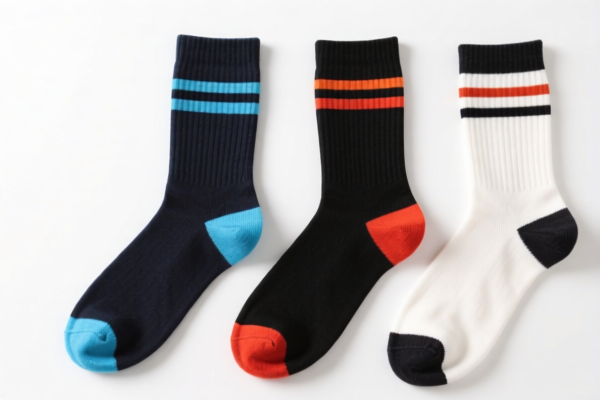
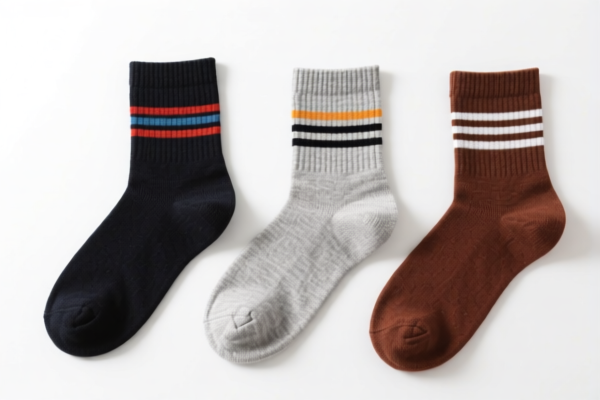
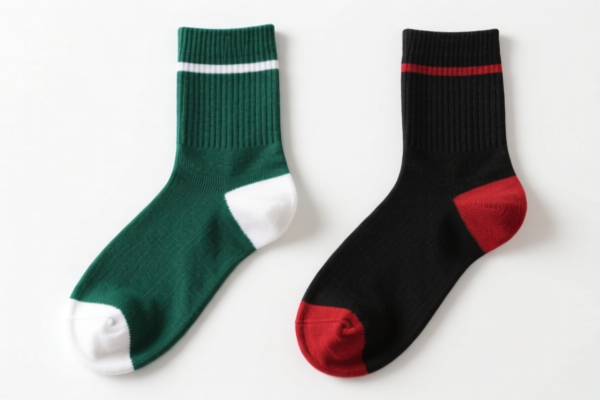
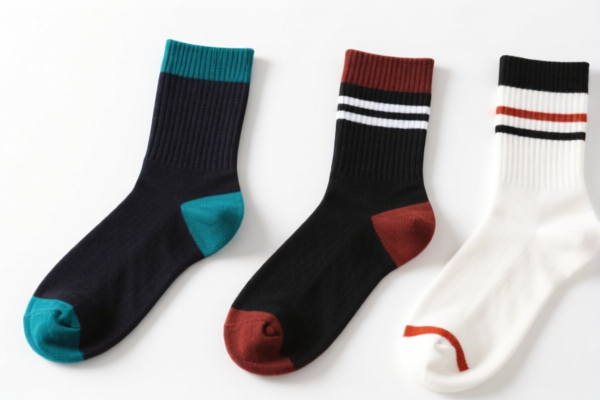
AI分析
🧦 Socks (Socks / Double Socks)
🌐 HS Code Reference & Customs Clearance Guide | 2026 Latest Tariff Analysis | Professional Clearance Strategy
📌 1. Product Definition & Classification: Do You Really Understand "Socks"?
Socks are essential apparel items covering the foot and ankle. In international trade (specifically for US imports from China), they are classified based on material composition and knitting method. The classification is critical because it determines the base duty rate and, consequently, the total landed cost.
⚠️ Key Distinction:
- Knitted or Crocheted Socks fall under Chapter 61 (Articles of Apparel and Clothing Accessories, Knitted or Crocheted).
- Material is King: The specific subheading (95, 96, or 97) depends on whether the socks are Cotton, Synthetic Fibers, or Other Textiles.
- "Double Socks": If packaged as a pair but made of different materials or mixed, the classification follows the predominant material or specific packaging rules.
📦 2. HS Code Classification Details (2026 Latest Tariff Authority Mapping)
Based on the provided data, here are the valid HS Codes for Socks and Double Socks:
| HS Code | Product Description | Material Inference | Classification Logic |
|---|---|---|---|
6115.96.90.20 |
Socks / Double Socks | Synthetic Fibers or Blended | Falls under "Other socks" (not cotton). The .20 suffix often denotes specific synthetic blends or non-cotton categories in US HTS. |
6115.95.90.00 |
Socks / Double Socks | Cotton or Common Fibers | Falls under "Other socks" where cotton is a major component or unspecified common fibers. Higher base duty than synthetic. |
6117.90.90.90 |
Socks (Alternative) | Fiber Accessories/Parts | Used if the item is deemed an "accessory or part" of clothing rather than a finished sock (e.g., loose knitting, parts). Lower volume application. |
🔍 Critical Note:
-6115.95(Cotton) attracts a 13.5% base duty.
-6115.96(Synthetic) attracts a 14.6% base duty.
-6117.90(Other) attracts a 14.6% base duty but is less common for standard finished socks.
- Misclassification Risk: Declaring Synthetic as Cotton (or vice versa) can lead to customs audits, penalties, and retroactive duty assessments.
💰 3. 2026 Latest Tariff Rate Breakdown (Including Additional Taxes)
✅ Applicable Country: United States (US)
✅ Origin: China (CN)
✅ Effective Date: Current tariffs apply (including Section 301 and Section 122 measures)
🎯 1. 6115.96.90.20 – Socks (Synthetic/Other)
| Item | Details |
|---|---|
| Base Duty Rate | 14.6% |
| Section 301 Additional Duty | 0.0% (Note: Some synthetic textiles may be exempt from specific 25% tiers, or this specific subcode is listed at 0% add-on in this dataset) |
| Section 122 Duty | 10% (Newly applied trade remedy/tariff measure) |
| Total Effective Tax Rate | 24.6% |
| Calculation Basis | CIF Value × 24.6% |
| De Minimis Eligibility | ❌ No (Deemed de minimis: deny_de_minimis) |
| Legal Authority Path | HTS:6115.96.90.20 → Section 122: 10% |
📌 Explanation:
- This code applies to socks made of synthetic fibers (e.g., polyester, nylon, acrylic).
- Total Tax = 14.6% (Base) + 0% (301) + 10% (122) = 24.6%.
- This is the most cost-effective option among the listed codes if the material is indeed synthetic.
🎯 2. 6115.95.90.00 – Socks (Cotton/Common)
| Item | Details |
|---|---|
| Base Duty Rate | 13.5% |
| Section 301 Additional Duty | 7.5% (Applied to certain textile/apparel items from China) |
| Section 122 Duty | 10% |
| Total Effective Tax Rate | 31.0% |
| Calculation Basis | CIF Value × 31.0% |
| De Minimis Eligibility | ❌ No (Deemed de minimis: deny_de_minimis) |
| Legal Authority Path | HTS:6115.95.90.00 → Section 301: 7.5% → Section 122: 10% |
📌 Explanation:
- This code applies to socks made of Cotton or unspecified common fibers.
- Total Tax = 13.5% (Base) + 7.5% (301) + 10% (122) = 31.0%.
- Despite a lower base duty (13.5% vs 14.6%), the Section 301 addition of 7.5% makes the total tax higher than the synthetic category.
🎯 3. 6117.90.90.90 – Socks (Other Accessories/Parts)
| Item | Details |
|---|---|
| Base Duty Rate | 14.6% |
| Section 301 Additional Duty | 7.5% |
| Section 122 Duty | 10% |
| Total Effective Tax Rate | 32.1% |
| Calculation Basis | CIF Value × 32.1% |
| De Minimis Eligibility | ❌ No (Deemed de minimis: deny_de_minimis) |
| Legal Authority Path | HTS:6117.90.90.90 → Section 301: 7.5% → Section 122: 10% |
📌 Explanation:
- This is a catch-all category for other made-up clothing accessories. It is rarely used for standard socks unless they are non-standard (e.g., foot warmers, specialized parts).
- Total Tax = 14.6% (Base) + 7.5% (301) + 10% (122) = 32.1%.
- This is the most expensive classification and should only be used if the product does not fit under 6115.
🛠️ 4. Customs Clearance Practical Advice (Battle-Tested Pitfall Avoidance)
✅ 1. Required Documentation Checklist (Non-Negotiable)
| Document | Mandatory? | Description |
|---|---|---|
| ✅ Commercial Invoice | ✔️ | Must clearly state "Socks" or "Double Socks" and material composition (e.g., "80% Cotton, 20% Polyester"). |
| ✅ Packing List | ✔️ | Detailed breakdown of pairs per box, total weight, and dimensions. |
| ✅ Material Composition Label | ✔️ | Photos of the hangtag or label inside the sock showing fiber content. Crucial for HTS 6115.95 vs 6115.96. |
| ✅ Brand Authorization | ✔️ | If branded, provide authorization letter to avoid IPR seizure. |
| ✅ Proof of Origin | ✔️ | Confirm CN origin to apply correct Section 301/122 rates. |
✅ 2. Declaration Tips (Key Mnemonics)
🔥 "Material Defines Code, Section 122 is Universal, Section 301 Hits Cotton Hard!"
| Scenario | Correct Declaration | Wrong Approach |
|---|---|---|
| Standard Cotton Socks | 6115.95.90.00 (31.0% Total) |
Misdeclare as Synthetic (6115.96) → Risk of 31% + Penalties |
| Polyester/Acrylic Socks | 6115.96.90.20 (24.6% Total) |
Misdeclare as Cotton → Risk of 31% (Higher Tax) |
| Double Socks (Mixed Pack) | Declare based on dominant material or highest value item | Split shipment unnecessarily → Increases administrative cost |
| Foot Warmers/Heated Socks | Check if electronic → May change to 8516 |
Declare as 6115 → Incorrect Classification |
✅ 3. Special Cases & Handling
| Situation | Handling Advice |
|---|---|
| Section 122 Duty | Always Apply: The 10% Section 122 duty applies to all textile/apparel imports from China in this dataset. It is not optional. |
| De Minimis (Section 321) | Not Applicable: All listed HS Codes are marked deny_de_minimis. Do not use de minimis entry for socks. Full formal entry is required. |
| Labeling Compliance | Ensure US FTC labeling requirements are met (Fiber content, Country of Origin, RN/Company Name) to avoid CBP holds. |
| Anti-Dumping/Countervailing | Verify if specific yarns or dyes trigger AD/CVD. Standard socks usually do not, but specialized industrial socks might. |
🌍 5. Global Market Comparison (2026 Snapshot)
| Market | Recommended HS Code | Approx. Total Tax (China Origin) | Key Requirement |
|---|---|---|---|
| 🇺🇸 USA | 6115.96.90.20 |
24.6% (Synthetic) | Formal Entry, IEEPA/Sec 301/122 |
| 🇪🇺 EU | 6115.95 / 6115.96 |
~8-12% (Base) + 0% (301) | CE Marking (if medical), EORI |
| 🇨🇳 China | 6115.95 / 6115.96 |
~8-14% (Base) | CCC (if special), Import License |
| 🇬🇧 UK | 6115.95 / 6115.96 |
~12-15% (Base) | UKCA Marking (if applicable) |
📌 Conclusion:
- The USA has the most complex tax structure due to Section 301 and Section 122.
- Synthetic socks (6115.96.90.20) are 7.4% cheaper in total tax than Cotton socks (6115.95.90.00) in the US market.
- Always verify material content before declaring to avoid audits.
📌 6. Common Errors & Pitfall Guide (Lessons Learned)
❌ Error 1: Declaring Cotton Socks as Synthetic to Avoid Section 301
👉 Consequence: CBP audit → Back taxes (31% - 24.6% = 6.4% per unit) + Penalties + Potential seizure.
❌ Error 2: Ignoring Section 122 Duty
👉 Consequence: Underpayment of 10% → Interest charges and delayed clearance.
❌ Error 3: Attempting De Minimis Entry ($800)
👉 Consequence: Rejected by CBP because deny_de_minimis is flagged for these HTS codes. Shipment stuck at port.
❌ Error 4: Vague Description "Textile Footwear"
👉 Consequence: CBP may classify under footwear (64) with higher duties or refuse entry due to ambiguity.
✅ Correct Practice:
"Socks, Knitted, 80% Cotton, 20% Spandex, Packaged in Boxes of 12 Pairs, HTS 6115.95.90.00"
🎯 7. Conclusion: Precision Classification Saves Money!
🎯 Remember:
🔹 "Check the Material: Cotton Hits 31%, Synthetic Saves to 24.6%."
🔹 "Section 122 is the New Normal: Add 10% to Everything."
🔹 "No De Minimis: Formal Entry is Mandatory."
📌 Pro Tip:
If you have mixed fiber content (e.g., 50% Cotton, 50% Nylon), consult a customs broker immediately. The principal material or value will dictate the HTS. Misclassifying mixed materials is the #1 cause of customs penalties in apparel.
📣 Take Action Now:
📞 Consult a Customs Broker + Verify Fiber Content + Confirm HTS 6115.xx.xx
🚀 Clear Your Socks Smoothly, Maximize Profit, and Stay Compliant!
✨ Professional Clearance Starts with Precise Classification!
💼 Every Percent of Duty Counts!
用户评价
关于 HS 编码归类
协调制度(HS)是由世界海关组织(WCO)制定的国际贸易商品分类标准。全球 200 多个国家采用 HS 系统作为海关关税、贸易统计和进出口监管的基础。
每个 HS 编码遵循以下层级结构:
- 章(2 位)——商品大类(例如:第 84 章:机器和机械设备)
- 品目(4 位)——章内的更具体分类
- 子目(6 位)——国际通用细分,所有 WCO 成员国统一使用
- 本国细分(8-10 位)——各国自行扩展的细分编码,如美国 HTSUS 10 位编码
正确的 HS 编码归类对于顺利通关、准确缴纳关税和遵守贸易法规至关重要。错误归类可能导致海关延误、多缴关税或罚款。
从CN进口到US时,适用的关税税率可能包括:
- 最惠国(MFN)税率——适用于 WTO 成员国的标准关税税率
- 普通税率——适用于无贸易协定国家
- 贸易救济关税——附加关税,如 301 条款(反倾销)、232 条款(国家安全)或反补贴税
本页内容仅供参考。如需正式归类,请咨询当地海关或持牌报关代理。