Sofa Leg
CN → US| HS编码 | 关税税率 | 原产国 | 目的国 | 文档 |
|---|---|---|---|---|
| 3926305000 | 22.8% | CN | US | 官方文档 |
| 3926301000 | 24.0% | CN | US | 官方文档 |
| 9401919090 | 35.0% | CN | US | 官方文档 |
| 8302423065 | 71.4% | CN | US | 官方文档 |
商品图片
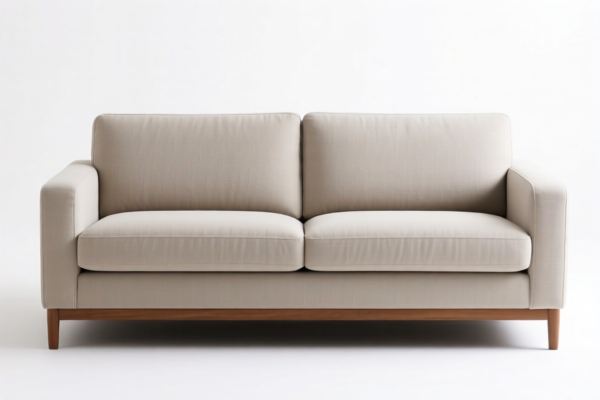
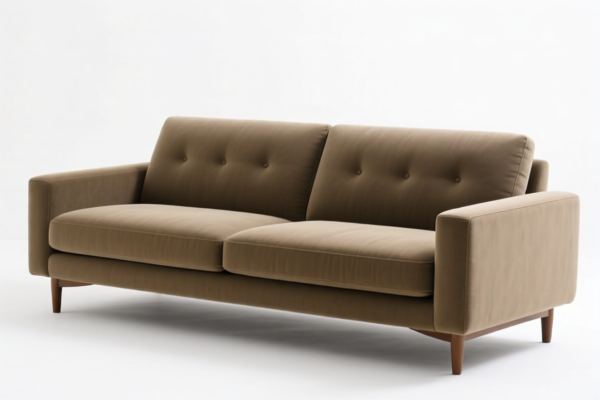
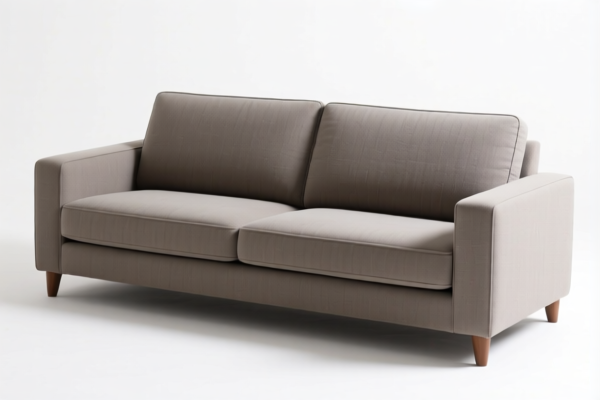
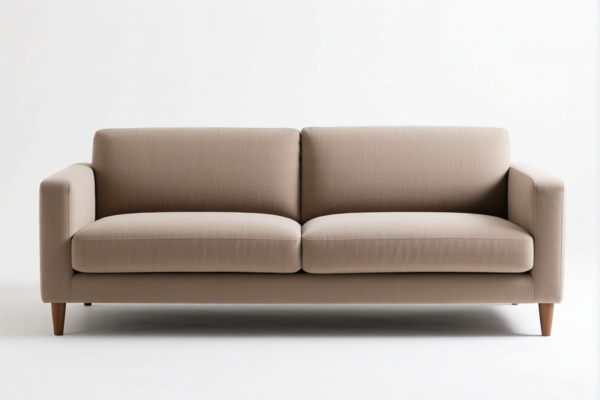
AI分析
🛋️ Sofa Legs (Furniture Parts/Fittings)
🌐 HS Code Reference & Customs Clearance Guide | 2026 Latest Tariff Analysis | Professional Clearance Strategy
📌 I. Product Definition & Classification: Do You Truly Understand "Sofa Legs"?
Sofa legs are the critical structural components that support the weight of the sofa and determine its aesthetic style. In international trade, they are generally classified as furniture parts or furniture fittings/accessories.
Due to material differences, they fall under different tariff headings: * Plastic Sofa Legs: Typically classified as plastic fittings or furniture accessories. * Metal Sofa Legs: Classified as metal fittings or parts of metal furniture. * Wooden Sofa Legs: Classified as parts of wooden furniture.
⚠️ Key Distinction:
- If made of Plastic → Likely falls under Chapter 39 (Plastics) or Chapter 94 (Furniture Parts) depending on specific design.
- If made of Metal (Steel, Aluminum, etc.) → Likely falls under Chapter 73/76/83 (Metal Fittings).
- If made of Wood → Likely falls under Chapter 94 (Parts of Furniture).
📦 II. HS Code Classification Details (2026 Latest Tariff Authority Comparison)
Based on the provided data, here are the four primary classification paths for Sofa Legs:
| HS Code | Product Description | Material Basis | Applicable Scenario |
|---|---|---|---|
3926.30.50.00 |
Other plastic articles; Furniture fittings/accessories | Plastic | Sofa legs made of plastic, classified as general plastic fittings/accessories |
3926.30.10.00 |
Other plastic articles; Handles, knobs, etc. | Plastic | Sofa legs interpreted as "handles/knobs" for furniture use |
9401.91.90.90 |
Parts of seats | Wood/Metal | Sofa legs interpreted as parts of seating, inferred as wood or metal |
8302.42.30.65 |
Base metal fittings, mountings | Metal | Sofa legs interpreted as metal furniture fittings (Steel, Aluminum, Copper, Zinc) |
🔍 Key Insight:
- Plastic legs usually attract lower base tariffs but face additional trade war duties.
- Metal legs (especially Steel/Aluminum) face significantly higher tariffs due to the "Section 232" 50% additional tariff mentioned in the data.
- Wooden/Seat Parts classification (9401) has a 0% base tariff but high additional duties.
💰 III. 2026 Latest Tariff Rate Details (Including Additional Taxes & Policy Surcharges)
✅ Applicable Country: United States (US)
✅ Country of Origin: China (CN)
✅ Effective Time: Current rates apply (including Section 301 & Section 232 implications)
🎯 1. 3926.30.50.00 – Plastic Fittings / Accessories
| Item | Content |
|---|---|
| Base Tariff | 5.3% |
| Section 301 Additional Tariff | 7.5% |
| Section 122 Tariff | 10% |
| Total Effective Tax Rate | 22.8% |
| Calculation Basis | CIF Value × 22.8% |
| De Minimis Exemption | ❌ Not Applicable (High tariff rate exceeds de minimis thresholds in practice) |
| Legal Path | Base Tariff (5.3%) + Section 301 (7.5%) + Section 122 (10%) |
📌 Explanation:
- This is the most cost-effective option among the listed codes for plastic legs.
- The "Section 122" refers to specific tariff actions on certain goods, adding a fixed 10% burden.
🎯 2. 3926.30.10.00 – Plastic Handles/Knobs
| Item | Content |
|---|---|
| Base Tariff | 6.5% |
| Section 301 Additional Tariff | 7.5% |
| Section 122 Tariff | 10% |
| Total Effective Tax Rate | 24.0% |
| Calculation Basis | CIF Value × 24.0% |
| De Minimis Exemption | ❌ Not Applicable |
| Legal Path | Base Tariff (6.5%) + Section 301 (7.5%) + Section 122 (10%) |
📌 Note:
- Slightly higher than3926.30.50.00due to a higher base rate (6.5% vs 5.3%).
- Use this only if customs authorities strictly interpret "legs" as "handles/knobs" for functional reasons.
🎯 3. 9401.91.90.90 – Parts of Seats (Wood/Metal Inferred)
| Item | Content |
|---|---|
| Base Tariff | 0.0% |
| Section 301 Additional Tariff | 25.0% |
| Section 122 Tariff | 10% |
| Total Effective Tax Rate | 35.0% |
| Calculation Basis | CIF Value × 35.0% |
| De Minimis Exemption | ❌ Not Applicable |
| Legal Path | Base Tariff (0%) + Section 301 (25%) + Section 122 (10%) |
📌 Warning:
- Although the Base Tariff is 0%, the Section 301 tariff is 25% (not 7.5%), leading to a much higher total.
- This classification assumes the leg is a "part of the seat" rather than a standalone fitting. Risky for plastic/metal legs unless specifically designed as integral seat structures.
🎯 4. 8302.42.30.65 – Base Metal Fittings (Steel, Aluminum, etc.)
| Item | Content |
|---|---|
| Base Tariff | 3.9% |
| Section 301 Additional Tariff | 7.5% |
| Section 232 (Steel/Aluminum) Tariff | 50% |
| Section 122 Tariff | 10% |
| Total Effective Tax Rate | 71.4% |
| Calculation Basis | CIF Value × 71.4% |
| De Minimis Exemption | ❌ Not Applicable |
| Legal Path | Base (3.9%) + Sec 301 (7.5%) + Sec 232 (50%) + Sec 122 (10%) |
📌 Critical Alert:
- This is the highest tariff category.
- The 50% Section 232 tariff applies to steel, aluminum, and copper products.
- Metal sofa legs (especially steel/aluminum) are extremely costly to import under this code.
- Only use this if the product is definitively classified as "base metal fittings" and not as a "furniture part" under Chapter 94.
🛠️ IV. Customs Clearance Practical Advice (Battle-Proven Pitfall Guide)
✅ 1. Documentation Checklist (Missing Items = Delay/Seizure)
| Document | Required | Notes |
|---|---|---|
| ✅ Product Specification Sheet | ✔️ | Must clearly state Material (Plastic, Metal, Wood), Weight, Dimensions |
| ✅ High-Resolution Photos | ✔️ | Show cross-sections (to prove material), connection points, and overall shape |
| ✅ Commercial Invoice | ✔️ | Describe as "Plastic Sofa Leg" or "Metal Sofa Leg" – DO NOT use vague terms like "Furniture Part" |
| ✅ Packing List | ✔️ | List net/gross weight accurately; specify if legs are pre-assembled or disassembled |
| ✅ Material Declaration | ✔️ | Explicitly state if metal contains steel/aluminum (triggers Sec 232) |
✅ 2. Classification Strategy (Key Mnemonics)
🔥 "Material Defines Code, Metal Triggers 50%, Plastic is Cheaper!"
| Scenario | Recommended HS Code | Why? |
|---|---|---|
| Plastic Legs | 3926.30.50.00 |
Lowest total tax (22.8%). Best for profit margin. |
| Metal Legs (Steel/Aluminum) | 8302.42.30.65 |
High tax (71.4%) unavoidable if classified as metal fittings. Consider redesigning as plastic or wood if possible. |
| Wooden Legs | 9401.91.90.90 |
Moderate tax (35%). Avoids the 50% metal penalty but still faces 25% Sec 301. |
| Mixed Materials | Consult Customs | If leg is metal base + plastic cap, classification becomes complex. Likely falls under the principal material. |
✅ 3. Special Circumstances & Risk Mitigation
| Situation | Handling Advice |
|---|---|
| Plastic-Coated Metal Legs | If the plastic is merely a coating, it may still be classified as metal (8302). Test for weight of plastic vs. metal. If plastic is the main feature, argue for Chapter 39. |
| Pre-Assembled vs. Disassembled | Disassembled legs are clearly "parts." Pre-assembled with seat might be considered "Furniture" (Chapter 94). Ship legs separately to maintain "Part/Fitting" classification. |
| Section 232 Exemptions | Check if your specific steel/aluminum alloy is exempt from the 50% tariff. Exemptions are rare and product-specific. |
| De Minimis (Section 321) | Not Available. Since tariffs exceed 20-30%, de minimis ($800) exemptions do not apply in practice for high-value commercial shipments. |
🌍 V. Global Market Clearance Comparison (2026 Latest)
| Country/Region | Recommended HS Code | Est. Tariff (China Origin) | Certification Requirements | Notes |
|---|---|---|---|---|
| 🇺🇸 USA | 3926.30.50.00 (Plastic) |
22.8% | None | Most cost-effective. Avoid Metal (8302) due to 71.4% tax. |
| 🇺🇸 USA | 8302.42.30.65 (Metal) |
71.4% | None | Avoid if possible. Extremely high cost. |
| 🇨🇳 China | 3926.30.50.00 |
~5-10% | CCC (if applicable) | Lower duties domestically. |
| 🇪🇺 EU | 3926.90 / 9403.90 |
0-6.5% | CE (if electrical, unlikely for legs) | No Section 301/232 tariffs. Much better for metal legs. |
| 🇬🇧 UK | 3926.90 / 9403.90 |
0-6.5% | UKCA | Post-Brexit rules apply. No US-style punitive tariffs. |
📌 Conclusion:
- USA: Plastic legs (3926) are highly recommended. Metal legs are penalized heavily.
- EU/UK: Metal legs face significantly lower tariffs. Consider diversifying supply chain to Asia or Europe if selling to Western markets.
📌 VI. Common Errors & Pitfall Guide (Lessons Learned)
❌ Error 1: Classifying Metal Legs as 3926 (Plastic)
👉 Consequence: Customs seizure, fines, and retroactive application of 71.4% tariff + penalties.
👉 Fix: Declare material accurately. If plastic-coated, disclose both materials.
❌ Error 2: Using "Furniture Part" as a generic description
👉 Consequence: Customs may default to the highest applicable tariff (e.g., Metal Fittings).
👉 Fix: Be specific: "Plastic Sofa Support Leg."
❌ Error 3: Ignoring Section 232 for Aluminum Legs
👉 Consequence: Surprise 50% tax bill upon arrival.
👉 Fix: Confirm alloy type. If it's pure aluminum, Sec 232 applies.
✅ Correct Practice:
"Plastic Sofa Leg, Model XYZ, Material: PP Plastic, Weight: 0.5kg, Designed for Residential Use"
🎯 VII. Conclusion: Precise Classification Saves Money!
🎯 Key Takeaways:
🔹 Plastic Legs: Best for US market (22.8% total tariff).
🔹 Metal Legs: Avoid for US market (71.4% total tariff) unless value-added is extremely high.
🔹 Documentation: Material declaration is critical. Photos must show cross-sections.📌 Pro Tip:
If you are importing Metal Sofa Legs to the US, consider:
1. Redesigning as Plastic or Wood to reduce tariffs.
2. Transshipment through a non-tariffed country (though "Country of Origin" rules may still apply).
3. Applying for an Exclusion under Section 232 (if available for your specific product type).
📣 Immediate Action:
📞 Contact your customs broker with product photos and material specs.
🚀 Pre-classify using HS Code3926.30.50.00for plastic legs to optimize costs.
💼 Don't let a 50% metal tariff eat your profits!
✨ Professional clearance starts with accurate classification!
💼 Every percentage point of tax saved is pure profit!
用户评价
关于 HS 编码归类
协调制度(HS)是由世界海关组织(WCO)制定的国际贸易商品分类标准。全球 200 多个国家采用 HS 系统作为海关关税、贸易统计和进出口监管的基础。
每个 HS 编码遵循以下层级结构:
- 章(2 位)——商品大类(例如:第 84 章:机器和机械设备)
- 品目(4 位)——章内的更具体分类
- 子目(6 位)——国际通用细分,所有 WCO 成员国统一使用
- 本国细分(8-10 位)——各国自行扩展的细分编码,如美国 HTSUS 10 位编码
正确的 HS 编码归类对于顺利通关、准确缴纳关税和遵守贸易法规至关重要。错误归类可能导致海关延误、多缴关税或罚款。
从CN进口到US时,适用的关税税率可能包括:
- 最惠国(MFN)税率——适用于 WTO 成员国的标准关税税率
- 普通税率——适用于无贸易协定国家
- 贸易救济关税——附加关税,如 301 条款(反倾销)、232 条款(国家安全)或反补贴税
本页内容仅供参考。如需正式归类,请咨询当地海关或持牌报关代理。