Solid Color Fabric / Wide Fabric
CN → US| HS编码 | 关税税率 | 原产国 | 目的国 | 文档 |
|---|---|---|---|---|
| 6006219080 | 45.0% | CN | US | 官方文档 |
| 6006310080 | 45.0% | CN | US | 官方文档 |
| 5208214020 | 45.2% | CN | US | 官方文档 |
| 5407522040 | 49.9% | CN | US | 官方文档 |
| 5407692010 | 49.9% | CN | US | 官方文档 |
商品图片
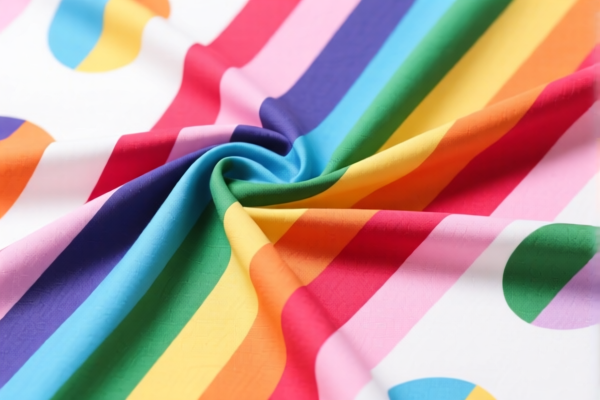
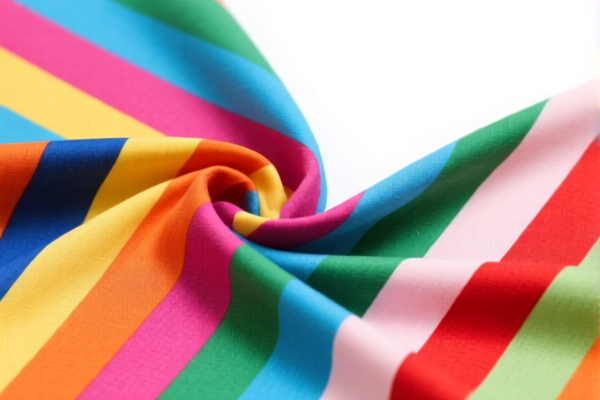
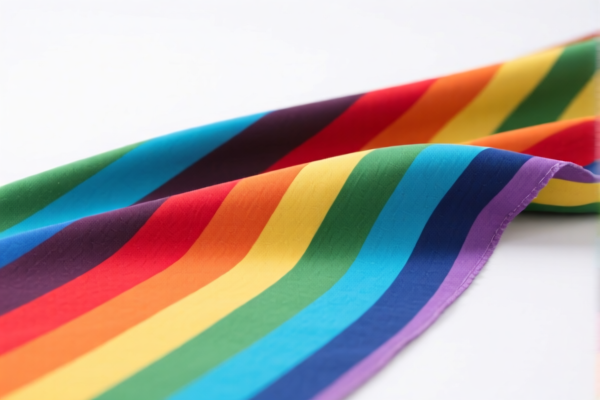
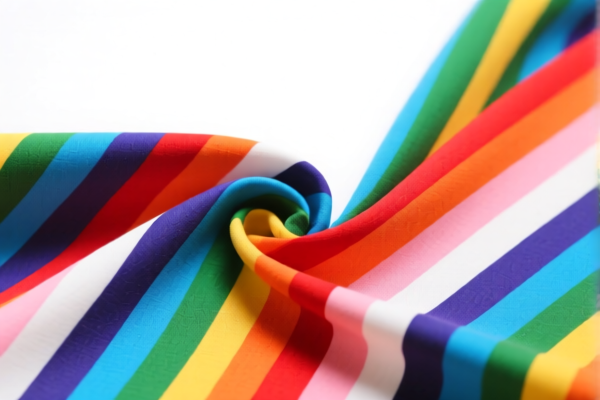
AI分析
🧵 Solid Color Fabric / Wide Fabric (素色宽幅面料)
🌐 HS Code Reference & Customs Clearance Guide | 2026 Latest Tariff Analysis | Professional-Level Clearance Strategy
📌 I. Product Definition & Classification: Do You Really Understand "Wide Fabric"?
Solid Color Fabric / Wide Fabric, often referred to as "Greige Fabric" or plain dyed textile rolls, is the raw material foundation for apparel, home textiles, and industrial uses. In international trade, its classification is highly sensitive to weave structure (knitted vs. woven) and fiber composition (cotton, polyester, synthetic, etc.). Because the input provides limited detail (only "Solid Color" and "Wide"), the classification falls into a bottom-up logic based on general characteristics or inferred usage.
⚠️ Key Distinction Points:
- Knitted Fabrics (Chapter 60): Elastic, looped structure. Used for T-shirts, sportswear. → HS 6006 Series
- Woven Fabrics (Chapters 52 & 54): Stable, interlaced structure. Used for dress shirts, pants, suits.
- Cotton-based (Chapter 52): Natural fiber feel, breathable. → HS 5208 Series
- Synthetic/Polyester-based (Chapter 54): Smooth, durable, wrinkle-resistant. → HS 5407 Series
📦 II. HS Code Classification Details (2026 Latest Tariff Authority Match)
Based on the provided data, here are the four possible classification paths depending on the specific fiber and weave type.
| HS Code | Product Description | Inferred Characteristics | Total Tax Rate |
|---|---|---|---|
6006.21.90.80 |
Knitted or Crocheted Fabrics, Solid Color | Knitted, unidentifiable specific fiber, general apparel use. "Catch-all" logic for knitted solids. | 45.0% |
6006.31.00.80 |
Knitted or Crocheted Fabrics, Solid Color | Knitted, fiber type unspecified but inferred as synthetic/natural for apparel. | 45.0% |
5208.21.40.20 |
Woven Cotton Fabrics, Solid Color | Woven, inferred Cotton (or Cotton/Poly blend). Breathable apparel fabric. | 45.2% |
5407.52.20.40 |
Woven Synthetic Filament Fabrics, Solid Color | Woven, inferred Polyester or other synthetic filaments. Smooth, durable. | 49.9% |
5407.69.20.10 |
Woven Other Synthetic Textile Fabrics, Solid Color | Woven, inferred Other Synthetics (e.g., Nylon, Acrylic). High versatility. | 49.9% |
🔍 Critical Note:
- Since the input "Solid Color Fabric / Wide Fabric" does not specify the fiber content or weave type, customs may require a pre-ruling or detailed product specification sheet to distinguish between Knitted (Ch. 60), Cotton Woven (Ch. 52), or Synthetic Woven (Ch. 54). - Misclassification can lead to significant tax differences (e.g., 45% vs. 49.9%) and potential penalties.
💰 III. 2026 Latest Tariff Rate Breakdown (Including Surtaxes & Policy Add-ons)
✅ Applicable Country: United States (US)
✅ Origin: China (CN)
✅ Effective Date: 2025/2026 Period (Current Trade Policy)
🎯 1. Knitted Solid Fabrics (6006.21.90.80 & 6006.31.00.80)
| Item | Content |
|---|---|
| Base Tariff Rate | 10.0% |
| Section 301 Surcharge | +25.0% (Additional Tariff) |
| Section 122 Tariff | +10.0% (Specific to China-origin textiles/apparel items under certain conditions) |
| Total Tax Rate | 45.0% |
| Calculation Basis | CIF Value × 45% |
| De Minimis Exemption | ❌ Not Eligible (deny_de_minimis) |
📌 Explanation:
- Knitted fabrics are highly susceptible to Section 301 and Section 122 tariffs due to their direct link to apparel manufacturing. - The 45% rate is a high burden, requiring careful cost allocation.
🎯 2. Woven Cotton Fabric (5208.21.40.20)
| Item | Content |
|---|---|
| Base Tariff Rate | 10.2% |
| Section 301 Surcharge | +25.0% |
| Section 122 Tariff | +10.0% |
| Total Tax Rate | 45.2% |
| Calculation Basis | CIF Value × 45.2% |
| De Minimis Exemption | ❌ Not Eligible |
📌 Note:
- Cotton fabrics have a slightly higher base rate (10.2% vs 10.0%) compared to some knitted items, resulting in a 45.2% total rate.
🎯 3. Woven Synthetic Fabrics (5407.52.20.40 & 5407.69.20.10)
| Item | Content |
|---|---|
| Base Tariff Rate | 14.9% |
| Section 301 Surcharge | +25.0% |
| Section 122 Tariff | +10.0% |
| Total Tax Rate | 49.9% |
| Calculation Basis | CIF Value × 49.9% |
| De Minimis Exemption | ❌ Not Eligible |
📌 Warning:
- Synthetic fabrics (Polyester/Nylon) carry a higher base duty (14.9%), pushing the total tax to nearly 50%. - This is the most expensive classification path. Accurate fiber declaration is crucial to avoid over-taxation if the fabric is actually cotton or blended.
🛠️ IV. Customs Clearance Practical Advice (Battle-Tested Pitfall Guide)
✅ 1. Required Documentation Checklist (Non-Negotiable)
| Document | Required? | Purpose |
|---|---|---|
| ✅ Product Spec Sheet | ✔️ | Must include: Fiber Content (%), Weave Type (Knit/Woven), Weight (GSM), Width, Dyeing Method. |
| ✅ Laboratory Test Report | ✔️ | Crucial! Must confirm fiber composition (e.g., 100% Cotton vs. 100% Polyester) to determine Chapter 52 vs. 54. |
| ✅ Commercial Invoice | ✔️ | Clearly state "Solid Color Woven/Knitted Fabric" + HS Code. |
| ✅ Packing List | ✔️ | Specify roll length and weight. Avoid vague terms like "Textile Goods." |
| ✅ Origin Certificate | ✔️ | Proves China origin; if applicable, check for any preferential treatment (though unlikely for CN-US under current rules). |
✅ 2. Declaration Strategy (Key Mantra)
🔥 "Fiber is King, Weave is Queen, Section 122 Hits Hard, Don't Guess!"
| Scenario | Correct Declaration | Incorrect Action | Consequence |
|---|---|---|---|
| 100% Cotton Woven | 5208.21.40.20 (45.2%) |
Declare as Polyester (5407...) |
Overpayment of ~5% tax |
| 100% Polyester Woven | 5407.52.20.40 (49.9%) |
Declare as Cotton (5208...) |
Underpayment → Penalties + Back Taxes |
| Knitted T-Shirt Fabric | 6006.21.90.80 (45.0%) |
Declare as Woven | Wrong Chapter → Seizure/Rejection |
| Blended Fabric (e.g., 65% Poly/35% Coton) | Must specify blend | Vague "Fabric" | Customs may assign highest applicable rate or require lab test |
✅ 3. Special Handling for "Wide Fabric"
- Width Matters: If the fabric width exceeds standard apparel roll widths (e.g., >150cm), ensure it’s not misclassified as "Industrial Geotextile" (different HS).
- Roll vs. Cut: Declare as "Rolls," not "Cut Pieces," unless specified. Cut pieces may be considered "Finished Goods" or "Accessories," altering the HS code.
🌍 V. Global Market Comparison (2026 Update)
| Market | Recommended HS Code | Est. Tariff (China Origin) | Key Requirement | Note |
|---|---|---|---|---|
| 🇺🇸 USA | Varies by Fiber (5208/5407/6006) | 45.0% - 49.9% | Section 301 + Section 122 | Highest Barrier |
| 🇨🇳 China | Varies | 5% - 8% | None | Low cost, domestic production hub |
| 🇪🇺 EU | Varies | 4% - 6% | CE (if functional), REACH | No Section 301/122 equivalent |
| 🇹🇷 Turkey | Varies | 10% - 15% | Customs Union Rules | Potential hub for EU-bound goods |
📌 Conclusion:
- The US is the most challenging market for textile imports from China due to Section 301 (301 Tariffs) and Section 122 (Uyghur Forced Labor Prevention Act - UFLPA implications, though 122 tariff specifically referenced here adds 10%). - Total taxes exceed 45%, significantly impacting margins.
📌 VI. Common Errors & Pitfalls (Lessons Learned)
❌ Error 1: Declaring "Polyester" when it's actually "Cotton"
👉 Result: Base tariff jumps from 10.2% to 14.9% → Total tax increases from 45.2% to 49.9% → Overpayment!
❌ Error 2: Declaring "Knitted" when it's "Woven"
👉 Result: Wrong Chapter (60 vs 52/54) → Customs Inspection → Delay → Demurrage Charges!
❌ Error 3: Ignoring Section 122 Tariff
👉 Result: Missing the +10% surcharge → Underpayment → Audit & Penalties!
❌ Error 4: Using "Fabric" as the Product Name
👉 Result: Vague description → Customs may assign higher default duty or request mandatory lab testing ($200-$500 per test).
✅ Best Practice:
"100% Cotton, Plain Weave, Solid Color, 45 inches Wide, 150 GSM, Dye-Finished Textile Fabric, Roll Pack"
🎯 VII. Conclusion: Precision Classification Saves Money!
🎯 Remember the Mantra:
🔹 "Cotton is Cheaper (10.2%), Poly is Pricier (14.9%), Knit is in Between (10%)."
🔹 "Add 25% (301) + 10% (122) = Total Pain."
🔹 "Declare Fiber Accurately, Avoid 50% Tax Shock!"
📌 Pro Tip:
- If your fabric contains recycled polyester, check if it qualifies for any USITC exemptions (rare but possible for specific sustainable lines).
- Pre-arrange a Binding Ruling with US CBP if you are unsure about fiber content. It provides legal certainty for 5 years.
📣 Immediate Action:
📞 Contact your freight forwarder with lab test reports for fiber composition.
🚀 Calculate landed cost: CIF Price × (1 + 45%~49.9%) + Freight + Insurance.
💼 Your fabric's profit margin depends on accurate HS Code selection!
✨ Professional Clearance Starts with Precise Classification!
💼 Every Percent Saved is Pure Profit!
用户评价
关于 HS 编码归类
协调制度(HS)是由世界海关组织(WCO)制定的国际贸易商品分类标准。全球 200 多个国家采用 HS 系统作为海关关税、贸易统计和进出口监管的基础。
每个 HS 编码遵循以下层级结构:
- 章(2 位)——商品大类(例如:第 84 章:机器和机械设备)
- 品目(4 位)——章内的更具体分类
- 子目(6 位)——国际通用细分,所有 WCO 成员国统一使用
- 本国细分(8-10 位)——各国自行扩展的细分编码,如美国 HTSUS 10 位编码
正确的 HS 编码归类对于顺利通关、准确缴纳关税和遵守贸易法规至关重要。错误归类可能导致海关延误、多缴关税或罚款。
从CN进口到US时,适用的关税税率可能包括:
- 最惠国(MFN)税率——适用于 WTO 成员国的标准关税税率
- 普通税率——适用于无贸易协定国家
- 贸易救济关税——附加关税,如 301 条款(反倾销)、232 条款(国家安全)或反补贴税
本页内容仅供参考。如需正式归类,请咨询当地海关或持牌报关代理。