Solid Color Plastic Floor Tiles
CN → US| HS编码 | 关税税率 | 原产国 | 目的国 | 文档 |
|---|---|---|---|---|
| 3925900000 | 40.3% | CN | US | 官方文档 |
| 3918101040 | 40.3% | CN | US | 官方文档 |
| 3926906090 | 39.2% | CN | US | 官方文档 |
| 3926909989 | 22.8% | CN | US | 官方文档 |
| 5904901000 | 35.0% | CN | US | 官方文档 |
| 5904909000 | 35.0% | CN | US | 官方文档 |
商品图片
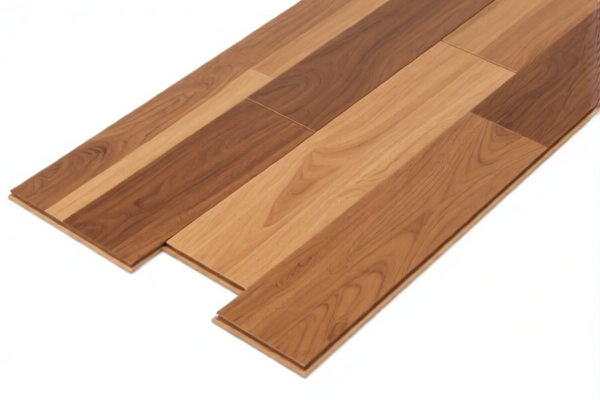
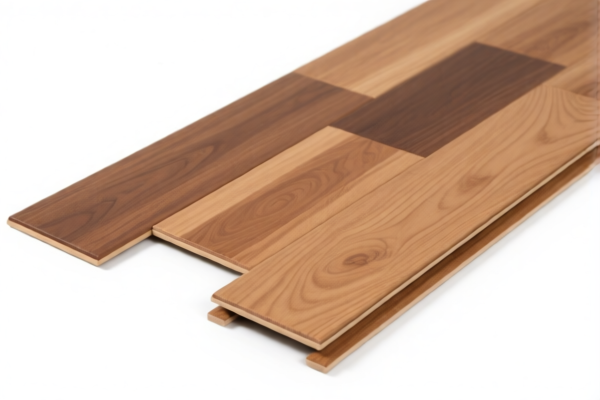
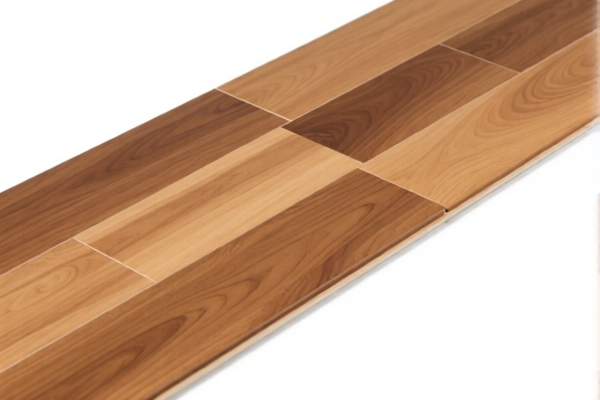
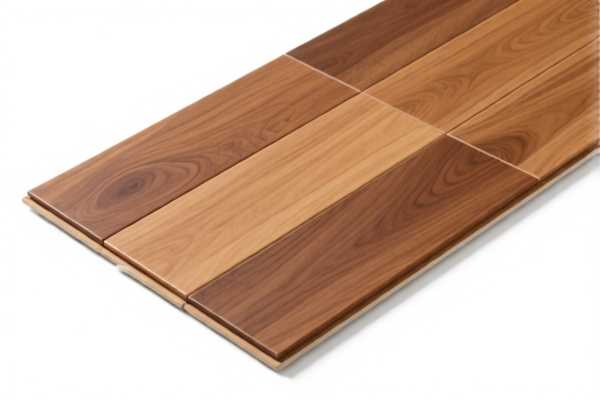
AI分析
🧱 Solid Color Plastic Floor Tiles
🌐 HS Code Reference & Customs Clearance Guide | 2026 Latest Tariff Analysis | Professional Clearance Strategy
📌 I. Product Definition & Classification: Do You Really Understand "Plastic Floor Tiles"?
Solid color plastic floor tiles are popular flooring materials used in residential, commercial, and industrial settings. They are typically made from PVC (Polyvinyl Chloride), PP (Polypropylene), or other polymer compounds. In international trade, the classification depends heavily on the manufacturing method, structure (e.g., whether it is a rolled product, a loose tile, or a laminate with textile backing), and the primary function.
Key Distinctions:
- Pure Plastic Tiles: Solid PVC/PP sheets/tiles with no textile backing → Classified under Chapter 39.
- Floor Coverings with Textile Base: Plastic/PVC coated onto a textile fabric base → Classified under Chapter 59.
- Other Plastic Articles: If the product does not fit the specific definition of "floor covering" but is a general plastic article → Classified under Chapter 39 (Miscellaneous) or Chapter 39.26.
⚠️ Critical Classification Point:
- If the tile is loose, solid plastic, and intended for flooring → It is usually considered a "floor covering" if it meets specific construction criteria, otherwise it may fall under "other articles of plastics."
- If the tile has a fabric backing (even if coated with plastic), it is never classified under Chapter 39 but under Chapter 59.
- Misclassification between Chapter 39 and Chapter 59 is the most common error, leading to significant duty differences.
📦 II. HS Code Classification Details (2026 Latest Tariff Authority Comparison)
| HS Code | Product Description | Application Scenario | Material/Structure |
|---|---|---|---|
3925.90.00.00 |
Plastic building materials, other | Flooring components that do not fit specific "floor covering" definitions; general plastic building parts | ✅ Solid Plastic, Building Component |
3918.10.10.40 |
Plastic floor coverings, specifically PVC | Vinyl planks, solid PVC tiles, standard vinyl flooring | ✅ PVC Plastic, Floor Covering |
3926.90.60.90 |
Other articles of plastic, not elsewhere specified | General plastic items if the floor tile is deemed a "miscellaneous plastic article" rather than a building material | ✅ Plastic, Miscellaneous Article |
3926.90.99.89 |
Other plastic articles, no specific material conflict | General plastic articles; lower duty rate if classified here due to specific subheading logic | ✅ Plastic, General Article |
5904.90.10.00 |
Floor coverings with textile base | Tiles with fabric backing coated/covered with plastic (PVC/PU) | ✅ Textile Base + Plastic Coating |
5904.90.90.00 |
Other carpet/floor coverings | Carpet-like floor coverings where plastic is a coating/cover layer, falling under other categories | ✅ Textile/Carpet Base + Plastic Layer |
🔍 Key Reminder:
- Chapter 39 (3918): Applies to solid plastic floor coverings (like vinyl rolls/tiles).
- Chapter 39 (3925/3926): Applies to plastic building components or miscellaneous plastic articles.
- Chapter 59 (5904): Applies to floor coverings where textile/fabric is the base and plastic is the coating.
- Do NOT mix these chapters. A product with a fabric backing must go to Chapter 59.
💰 III. 2026 Latest Tariff Rate Breakdown (Including Additional Duties, Policy Add-ons)
✅ Applicable Country: United States (US)
✅ Origin: China (CN)
✅ Effective Date: From November 10, 2025 (including subsequent imports)
🎯 1. 3918.10.10.40 —— Plastic Floor Coverings (PVC/Vinyl)
| Item | Content |
|---|---|
| Base Tariff | 5.3% (ad valorem) |
| USITC Additional Duty (Section 301) | +25.0% |
| IEEPA Additional Duty (Section 122) | +10.0% |
| Total Rate | 40.3% |
| Tax Calculation | CIF Value × 40.3% |
| De Minimis Exemption? | ❌ No (deny_de_minimis) |
| Legal Basis Path | Base: 5.3% → 301: 25.0% → 122: 10.0% |
📌 Explanation:
- This is the standard classification for solid vinyl/PVC flooring.
- The 40.3% total rate is very high due to the combination of Section 301 (25%) and Section 122 (10%) tariffs.
- Cost Impact: For every $10,000 of goods, the duty is $4,030.
🎯 2. 3925.90.00.00 —— Plastic Building Materials (Other)
| Item | Content |
|---|---|
| Base Tariff | 5.3% (ad valorem) |
| USITC Additional Duty (Section 301) | +25.0% |
| IEEPA Additional Duty (Section 122) | +10.0% |
| Total Rate | 40.3% |
| Tax Calculation | CIF Value × 40.3% |
| De Minimis Exemption? | ❌ No (deny_de_minimis) |
| Legal Basis Path | Base: 5.3% → 301: 25.0% → 122: 10.0% |
📌 Note:
- If the product is classified as a "building material" rather than a "floor covering," the rate is the same (40.3%).
- This applies to plastic panels or tiles that are not strictly "floor coverings" but are used for flooring construction.
🎯 3. 3926.90.60.90 —— Other Articles of Plastic
| Item | Content |
|---|---|
| Base Tariff | 4.2% (ad valorem) |
| USITC Additional Duty (Section 301) | +25.0% |
| IEEPA Additional Duty (Section 122) | +10.0% |
| Total Rate | 39.2% |
| Tax Calculation | CIF Value × 39.2% |
| De Minimis Exemption? | ❌ No (deny_de_minimis) |
| Legal Basis Path | Base: 4.2% → 301: 25.0% → 122: 10.0% |
📌 Explanation:
- If the product is deemed a "miscellaneous plastic article" (not a building material or specific floor covering), the base rate is slightly lower (4.2%).
- Total Rate: 39.2%. This is 1.1% cheaper than 3918/3925.
🎯 4. 3926.90.99.89 —— Other Plastic Articles (General)
| Item | Content |
|---|---|
| Base Tariff | 5.3% (ad valorem) |
| USITC Additional Duty (Section 301) | +7.5% |
| IEEPA Additional Duty (Section 122) | +10.0% |
| Total Rate | 22.8% |
| Tax Calculation | CIF Value × 22.8% |
| De Minimis Exemption? | ❌ No (deny_de_minimis) |
| Legal Basis Path | Base: 5.3% → 301: 7.5% → 122: 10.0% |
📌 Critical Optimization Point:
- This code offers the lowest total tariff (22.8%) among all plastic-related codes.
- However, this code is for "other plastic articles" and NOT for floor coverings or building materials.
- Risk: Misclassifying floor tiles as "general plastic articles" to save 17.5% in duties is high-risk. Customs may reject this if the product is clearly a floor tile. Only use if the product can be legitimately argued as a non-flooring plastic component.
🎯 5. 5904.90.10.00 & 5904.90.90.00 —— Floor Coverings with Textile Base
| Item | Content |
|---|---|
| Base Tariff | 0.0% (ad valorem) |
| USITC Additional Duty (Section 301) | +25.0% |
| IEEPA Additional Duty (Section 122) | +10.0% |
| Total Rate | 35.0% |
| Tax Calculation | CIF Value × 35.0% |
| De Minimis Exemption? | ❌ No (deny_de_minimis) |
| Legal Basis Path | Base: 0.0% → 301: 25.0% → 122: 10.0% |
📌 Explanation:
- If your plastic floor tile has a fabric/textile backing, it must be classified under Chapter 59.
- The base tariff is 0%, but the additional duties (25% + 10%) still apply.
- Total Rate: 35.0%. This is 5.3% cheaper than solid PVC flooring (40.3%).
- Condition: Must have a textile base. If it's 100% plastic with no fabric, do not use this code.
🛠️ IV. Customs Clearance Practical Advice (Combat Pitfall Guide)
✅ 1. Preparation Checklist (Must-Have Documents)
| Document | Required | Description |
|---|---|---|
| ✅ Product Specification Sheet | ✔️ | Dimensions, thickness, material composition (PVC/PP/Textile %), usage (indoor/outdoor) |
| ✅ Cross-Section Diagram | ✔️ | CRITICAL: Must clearly show if there is a textile base. If no textile, use Chapter 39. If textile, use Chapter 59. |
| ✅ Product Photos (Clear) | ✔️ | Show top surface, side profile (layer structure), and packaging |
| ✅ Material Safety Report | ✔️ | RoHS, REACH, Phthalates free (important for PVC flooring in US/EU) |
| ✅ Commercial Invoice | ✔️ | Clearly state "Solid Color Plastic Floor Tiles" or "Vinyl Flooring" |
| ✅ Packing List | ✔️ | Show net/gross weight, number of pieces per box |
| ✅ Certificate of Origin (CO) | ✔️ | If applicable, for potential FTA benefits (though US tariffs are high) |
✅ 2. Declaration Strategy (Key Mnemonic)
🔥 "Structure Determines Chapter, Base Determines Duty!"
| Scenario | Correct HS Code | Incorrect Action | Result |
|---|---|---|---|
| Solid PVC/PP Tile (No fabric) | 3918.10.10.40 |
Misclassify as 3926 |
Risk of penalty, but 3926 might be lower duty if allowed |
| Tile with Fabric Backing | 5904.90.10.00 |
Misclassify as 3918 |
Higher duty (40.3% vs 35.0%) + Risk of misclassification |
| General Plastic Component | 3926.90.99.89 |
Use for actual floor tiles | High Audit Risk. Only use if product is not a floor tile |
| Building Panel | 3925.90.00.00 |
Use for loose floor tiles | Possible, but 3918 is more precise for "floor coverings" |
✅ 3. Special Case Handling
| Scenario | Handling Advice |
|---|---|
| Mixed Materials (e.g., PVC + Fiber Glass Mesh) | If the fiber glass mesh is significant, it might be considered a textile base → Chapter 59. Check the weight ratio. |
| Floating Floor System | If tiles click together (lock system), they are still floor coverings. Do not break down into "locks" + "tiles". |
| OEM Custom Design | Provide design files to prove it's a finished flooring product, not a raw material. |
| Low-Value Shipments | No De Minimis Exemption for China-origin goods under Section 301/122. Even $100 items pay full duty. |
🌍 V. Global Market Comparison (2026 Latest)
| Country/Region | Recommended HS Code | Tariff (China Origin) | Certification | Notes |
|---|---|---|---|---|
| 🇺🇸 USA | 3918.10.10.40 or 5904.90.10.00 |
40.3% (Plastic) / 35.0% (Textile Base) | FTC, Prop 65 (CA) | High Tariff Zone. Textile base is cheaper. |
| 🇨🇳 China | 3918.10.10.40 |
0% - 5% (Import Duty) | CCC (if applicable) | No Section 301/122 tariffs. |
| 🇪🇺 EU | 3918.10.10.40 or 5904.90.10.00 |
6.5% - 8% | CE, REACH, EPR | No Section 301. VAT applies separately. |
| 🇬🇧 UK | 3918.10.10.40 |
6.5% - 8% | UKCA | Post-Brexit rules similar to EU. |
| 🇦🇺 Australia | 3918.10.10.40 |
5% | RCM | GTE (Garment Trade Agreement) may apply. |
📌 Conclusion:
- USA is the most expensive market due to Section 301 and 122 tariffs.
- If exporting to USA, consider if the product can be legitimately classified under Chapter 59 (with textile base) to save 5.3% in duties.
- If 100% plastic, the 40.3% rate is unavoidable. Consider supply chain diversification (e.g., assemble in Vietnam/Mexico) if volume is large.
📌 VI. Common Errors & Pitfalls (Blood & Tears Lessons)
❌ Error 1: Classifying a textile-backed tile as 3918 (Solid Plastic)
👉 Consequence: Overpayment of 5.3% duty + High risk of Customs audit for misclassification.
👉 Fix: Always check for fabric backing. If present, use 5904.
❌ Error 2: Classifying floor tiles as 3926.90.99.89 to save duty
👉 Consequence: Severe Penalty. Customs will reclassify to 3918 or 3925 and charge back-tariff + fines.
👉 Fix: Only use 3926 if the product is NOT a floor tile (e.g., plastic wall panel).
❌ Error 3: Ignoring Section 122 (10%) tariffs
👉 Consequence: Underpaying duties. Many traders only account for Section 301 (25%) and forget the additional 10%.
👉 Fix: Always calculate Base + 25% + 10%.
✅ Correct Declaration Example:
"Vinyl Plank Flooring, 100% PVC, Click-Lock System, Solid Color, No Textile Base, Model XYZ, RoHS Compliant" → HS: 3918.10.10.40
"Luxury Vinyl Tile (LVT) with Jute Backing, PVC Surface, Textile Base, Model ABC" → HS: 5904.90.10.00
🎯 VII. Conclusion: Professional Classification, Cost Optimization!
🎯 Remember the Mnemonic:
🔹 "No Fabric? Chapter 39 (40.3%). With Fabric? Chapter 59 (35.0%). General Plastic? Chapter 39.26 (22.8% but risky)."
🔹 "Section 301 (25%) + Section 122 (10%) are mandatory for China-origin goods."
📌 Pro Tip:
- If your product is 100% plastic, the 40.3% rate is fixed.
- If you can add a textile backing (e.g., jute, felt, fiberglass mesh) legitimately, you can save 5.3% in duties by using Chapter 59.
- Pre-Ruling: For large shipments, apply for a Customs Ruling from US CBP to confirm the correct HS Code and avoid post-clearance audits.
📣 Immediate Action:
📞 Consult a licensed customs broker + Provide cross-section diagrams + Verify material composition
🚀 Optimize your supply chain and declaration strategy to maximize profit margins!
✨ Professional Clearance, Starting from Precise Classification!
💼 Every percentage point matters in global trade!
用户评价
关于 HS 编码归类
协调制度(HS)是由世界海关组织(WCO)制定的国际贸易商品分类标准。全球 200 多个国家采用 HS 系统作为海关关税、贸易统计和进出口监管的基础。
每个 HS 编码遵循以下层级结构:
- 章(2 位)——商品大类(例如:第 84 章:机器和机械设备)
- 品目(4 位)——章内的更具体分类
- 子目(6 位)——国际通用细分,所有 WCO 成员国统一使用
- 本国细分(8-10 位)——各国自行扩展的细分编码,如美国 HTSUS 10 位编码
正确的 HS 编码归类对于顺利通关、准确缴纳关税和遵守贸易法规至关重要。错误归类可能导致海关延误、多缴关税或罚款。
从CN进口到US时,适用的关税税率可能包括:
- 最惠国(MFN)税率——适用于 WTO 成员国的标准关税税率
- 普通税率——适用于无贸易协定国家
- 贸易救济关税——附加关税,如 301 条款(反倾销)、232 条款(国家安全)或反补贴税
本页内容仅供参考。如需正式归类,请咨询当地海关或持牌报关代理。