Spherical Catalyst Carrier
CN → US| HS编码 | 关税税率 | 原产国 | 目的国 | 文档 |
|---|---|---|---|---|
| 6909195095 | 39.0% | CN | US | 官方文档 |
| 6909195010 | 39.0% | CN | US | 官方文档 |
| 6914108000 | 44.0% | CN | US | 官方文档 |
| 3815190000 | 35.0% | CN | US | 官方文档 |
| 3926909989 | 22.8% | CN | US | 官方文档 |
商品图片
AI分析
🔬 Spherical Catalyst Carrier: HS Code Classification & Customs Clearance Guide
🌐 HS Code Reference & Customs Clearance Guide | 2026 Latest Tariff Analysis | Professional Clearance Strategy
📌 I. Product Definition & Classification: What Exactly is a "Spherical Catalyst Carrier"?
A Spherical Catalyst Carrier is a specialized industrial component used to support active catalytic materials in chemical reactions. It is typically manufactured in a spherical shape to optimize surface area-to-volume ratios and ensure uniform flow through reactor beds. In international trade, these carriers are classified differently based on their material composition and functional status (whether they are inert supports or pre-impregnated catalysts).
According to the provided data, three main material types are identified: 1. Ceramic Spherical Carriers: High-temperature resistant, chemically inert, used in labs/industry. 2. Plastic/Other Material Spherical Carriers: Used for specific chemical applications where corrosion resistance or lightweight is key. 3. Pre-Impregnated/Ready-to-Use Catalyst Supports: If the carrier is already impregnated with the active catalytic agent, it may be classified as a "catalyst preparation" rather than just a support material.
⚠️ Key Distinction Point:
- If the product is an inert ceramic/plastic sphere solely acting as a support → Classified under Chapter 69 (Ceramics) or Chapter 39 (Plastics).
- If the product is impregnated/activated and functions as a catalyst → Classified under Chapter 38 (Chemical Products).
- Shape Note: While the user input specifies "Spherical," the provided data only lists "Ring-shaped" (环形) and "Rod-shaped" (棒状) carriers explicitly. However, HS Code 6909.19 generally covers "Laboratory, Technical or Industrial Ceramics" including various shapes like rings, tubes, and spheres for catalyst support. HS Code 3926.90 covers "Other articles of plastics," which can include spherical shapes if not specifically listed elsewhere. HS Code 3815 covers "Prepared catalysts," regardless of the physical shape of the support.
📦 II. HS Code Classification Details (2026 Latest Tariff Authority Comparison)
Based on the provided <DATA>, here are the specific HS Codes, descriptions, and corresponding tax rates for catalyst carriers. Note that the data explicitly lists "Ring-shaped" and "Rod-shaped" examples, but the material and function are the primary drivers for classification. Spherical carriers follow the same material-based logic.
| HS Code | Product Description & Material | Application Scenario | Total Tax Rate |
|---|---|---|---|
| 6909.19.50.95 | Ring-shaped Ceramic Catalyst Carrier Material: Ceramic Use: Lab/Chemical/Technical |
High-temp chemical reactors, lab-scale catalytic processes | 39.0% |
| 6909.19.50.10 | Ring-shaped Ceramic Catalyst Carrier Material: Ceramic Use: Lab/Chemical/Technical |
Specific lab-grade ceramic supports | 39.0% |
| 3815.19.00.00 | Rod-shaped Catalyst Carrier Function: Support material for catalyst preparations |
Impregnated catalysts, ready-to-use catalytic systems | 35.0% |
| 3926.90.99.89 | Rod-shaped Catalyst Carrier Material: Plastic/Other Materials |
Chemical corrosion-resistant applications, low-temp processes | 22.8% |
| 6914.10.80.00 | Rod-shaped Ceramic Product Material: Ceramic (Other Ceramic Articles) |
General ceramic industrial components, non-specific catalyst support | 44.0% |
🔍 Critical Note on "Spherical" vs. "Ring/Rod" in Data:
- The provided data does not explicitly list "Spherical" but lists Ring (环形) and Rod (棒状).
- For Ceramic Spherical Carriers: They should logically fall under 6909.19.50.95/10 (Laboratory/Technical Ceramics) or 6914.10.80.00 (Other Ceramic Articles) depending on whether they are specialized lab items or general industrial ceramics. 6909.19 is preferred if they are specifically designed for catalytic support in technical applications.
- For Plastic Spherical Carriers: They fall under 3926.90.99.89 (Other plastic articles).
- If Impregnated: Even if spherical, if the product is a "catalyst preparation," it must be classified under 3815.19.00.00, regardless of whether it is ring, rod, or spherical.
💰 III. 2026 Latest Tariff Rate Breakdown (Including Additional Taxes & Policies)
✅ Applicable Country: United States (US)
✅ Origin: China (CN)
✅ Effective Date: November 10, 2025 (Including subsequent imports)
🎯 1. Ceramic Catalyst Carriers (HS Codes: 6909.19.50.95 / 6909.19.50.10)
| Item | Detail |
|---|---|
| Base Tariff | 4.0% (Ad Valorem) |
| Section 301 Additional Tariff | +25% |
| Section 122 Tariff (IEEPA) | +10% (Targeting Chinese products) |
| Total Tax Rate | 39.0% |
| Tax Calculation | CIF Value × 39% |
| De Minimis Exemption | ❌ Not Eligible |
| Legal Basis Path | IEEPA:9903.01.25 → Section 301: 9903.88.01 → USITC:6909.19.50.95 |
📌 Explanation:
- Ceramic catalyst carriers are considered industrial technical goods.
- The 39% total rate includes the base duty, the major 301 tariff, and the additional 122 tariff.
- Spherical ceramic carriers should be classified here if they are for lab/technical use. If they are general industrial ceramics not specifically for lab use, they might fall under 6914.10.80.00 (44% total).
🎯 2. Catalyst Preparations / Impregnated Supports (HS Code: 3815.19.00.00)
| Item | Detail |
|---|---|
| Base Tariff | 0.0% |
| Section 301 Additional Tariff | +25% |
| Section 122 Tariff (IEEPA) | +10% |
| Total Tax Rate | 35.0% |
| Tax Calculation | CIF Value × 35% |
| De Minimis Exemption | ❌ Not Eligible |
| Legal Basis Path | IEEPA:9903.01.25 → Section 301: 9903.88.01 → USITC:3815.19.00.00 |
📌 Explanation:
- If your spherical carrier is already impregnated with catalytic agents (e.g., platinum, palladium, zeolites), it is a "prepared catalyst."
- The base duty is 0%, but the 35% total rate still applies due to Section 301 and 122 tariffs.
- Key Advantage: Slightly lower total rate (35%) compared to pure ceramic carriers (39%) or other ceramics (44%).
🎯 3. Plastic/Other Material Catalyst Carriers (HS Code: 3926.90.99.89)
| Item | Detail |
|---|---|
| Base Tariff | 5.3% |
| Section 301 Additional Tariff | +7.5% |
| Section 122 Tariff (IEEPA) | +10% |
| Total Tax Rate | 22.8% |
| Tax Calculation | CIF Value × 22.8% |
| De Minimis Exemption | ❌ Not Eligible |
| Legal Basis Path | IEEPA:9903.01.25 → Section 301: 9903.88.01 → USITC:3926.90.99.89 |
📌 Explanation:
- Plastic catalyst carriers are subject to a lower additional tariff (7.5%) under Section 301 compared to ceramics (25%).
- Total rate of 22.8% is the most cost-effective option among the provided codes, provided the product is made of plastic/other non-ceramic materials.
- Spherical plastic carriers should be classified here.
🎯 4. Other Ceramic Articles (HS Code: 6914.10.80.00)
| Item | Detail |
|---|---|
| Base Tariff | 9.0% |
| Section 301 Additional Tariff | +25% |
| Section 122 Tariff (IEEPA) | +10% |
| Total Tax Rate | 44.0% |
| Tax Calculation | CIF Value × 44% |
| De Minimis Exemption | ❌ Not Eligible |
| Legal Basis Path | IEEPA:9903.01.25 → Section 301: 9903.88.01 → USITC:6914.10.80.00 |
📌 Explanation:
- This code is for "Other Ceramic Articles" not specifically classified as laboratory/technical ceramics (Chapter 6909).
- If the spherical carrier is a general industrial ceramic part not specifically designed for lab use, it may fall here.
- Highest tax rate (44%), so avoid this classification if a more specific technical code (6909) applies.
🛠️ IV. Customs Clearance Practical Advice (Battle-Tested Pitfall Avoidance Guide)
✅ 1. Required Documentation Checklist (None Can Be Skipped)
| Document | Mandatory? | Description |
|---|---|---|
| ✅ Product Specification Sheet | ✔️ | Must state material (Ceramic/Plastic), shape (Spherical/Ring/Rod), dimensions, porosity, and intended use (Lab/Industrial). |
| ✅ Material Composition Statement | ✔️ | Explicitly declare if the carrier is impregnated with catalytic agents. If yes, classify under 3815. If no, classify under 6909 or 3926. |
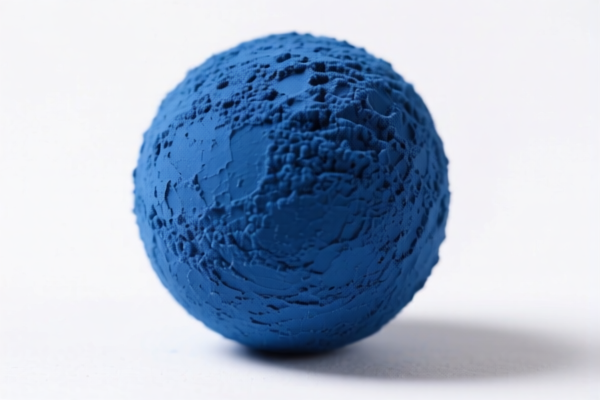
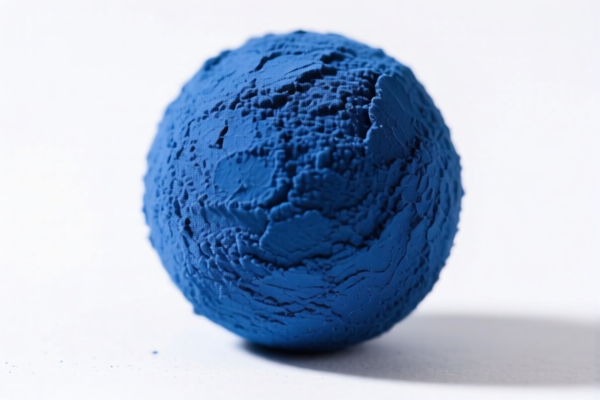
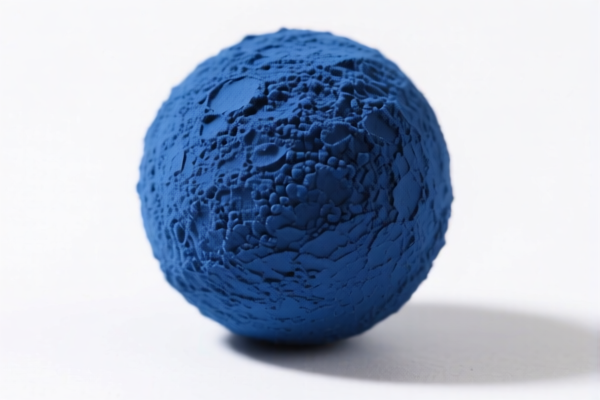
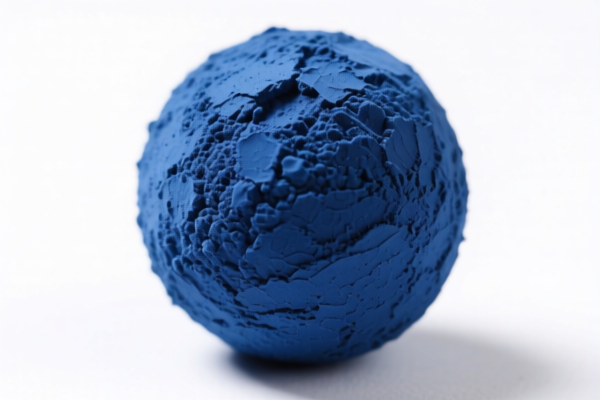
| ✅ Product Photos (Including Label) | ✔️ | Show the spherical shape, size scale, and any labeling (e.g., "Catalyst Support"). |
| ✅ Commercial Invoice | ✔️ | Clearly describe the product as "Spherical Catalyst Carrier, Ceramic/Plastic, For Chemical Reaction Support." Avoid vague terms like "Ceramic Ball." |
| ✅ Certificate of Origin (CO) | ✔️ | If the product is not Chinese-origin, this may help with tariff eligibility. |
| ✅ Packing List | ✔️ | Detail net/gross weight, number of spheres per package. |
✅ 2. Declaration Tips (Key Mnemonics)
🔥 "Material Dictates Chapter, Impregnation Dictates Chapter 38!"
| Scenario | Correct Declaration | Incorrect Action |
|---|---|---|
| Ceramic Spheres, Empty | 6909.19.50.95 or 6909.19.50.10 |
Misclassify as 6914 → 44% vs 39% |
| Plastic Spheres, Empty | 3926.90.99.89 |
Misclassify as ceramic → Higher tax |
| Spheres, Already Impregnated | 3815.19.00.00 |
Misclassify as ceramic → 35% vs 39% (Savings!) |
| General Ceramic Balls (Non-tech) | 6914.10.80.00 |
Misclassify as lab equipment → 44% |
✅ 3. Special Cases Handling
| Case | Handling Advice |
|---|---|
| Mixed Shapes (Spherical + Ring) | Declare separately by shape if possible, or use the highest tax code for the mix to avoid penalties. Prefer declaring as "Catalyst Carriers" with a generic description if allowed, but material must be clear. |
| OEM Custom Spheres | Provide customer orders and design specs. If they are standard shapes, use general codes. If unique, provide detailed technical drawings. |
| Labeled "Catalyst" but is a Carrier | If the product is empty, do NOT declare as "Catalyst" (3815). Declare as "Catalyst Carrier/Support." Misdeclaration leads to severe penalties. |
| Spheres with Activated Carbon | If coated with activated carbon, still likely under 3815 if the carbon is the active medium. |
🌍 V. Global Major Market Customs Comparison (2026 Latest)
| Country/Region | Recommended HS Code (Ceramic Sphere) | Tariff (China Origin) | Certification Requirements | Remarks |
|---|---|---|---|---|
| 🇺🇸 USA | 6909.19.50.95 |
39% | None specific, but clear description needed | High tariffs due to Section 301 & 122 |
| 🇨🇳 China | 6909.19.50.95 |
4% | None | Base rate only |
| 🇪🇺 EU | 6909.19.50.95 |
4% (approx.) | REACH Compliance | No Section 301/122 tariffs |
| 🇦🇺 Australia | 6909.19.50.95 |
5% | None | Moderate tariffs |
| 🇯🇵 Japan | 6909.19.50.95 |
4-5% | None | Stable tariffs |
📌 Conclusion:
- USA is the most challenging market for catalyst carriers due to 39-44% total tariffs.
- China Origin products face significant penalties.
- Consider supply chain diversification if exporting spherical ceramic carriers to the US.
📌 VI. Common Errors & Pitfall Guide (Lessons Learned the Hard Way)
❌ Error 1: Declaring Impregnated Spheres as Ceramic Carriers (6909)
👉 Consequence: Incorrect classification. The correct code is 3815.19.00.00 (35% vs 39%). You might overpay tax, but if caught later, it’s a compliance risk.
❌ Error 2: Declaring Empty Spheres as Catalysts (3815)
👉 Consequence: Severe Penalty. Empty carriers are not catalysts. Misdeclaration leads to fines and delays. Use 6909 or 3926.
❌ Error 3: Using vague terms like "Ceramic Balls"
👉 Consequence: Customs may classify under 6914.10.80.00 (44%) instead of 6909.19.50.95 (39%). Always specify "For Catalyst Support."
❌ Error 4: Ignoring Section 122 Tariff
👉 Consequence: Forgetting the 10% IEEPA tariff leads to underpayment. Total rate is not just 301!
✅ Correct Declaration Example:
"Spherical Catalyst Carrier, Ceramic, Porous, For Chemical Reactor Support, Not Impregnated, Material: Alumina Ceramic, Model XYZ"
🎯 VII. Conclusion: Professional Declaration, Save Time, Reduce Costs!
🎯 Remember the Mnemonic:
🔹 "Empty Ceramic = 6909 (39%) / 6914 (44%)
🔹 Empty Plastic = 3926 (22.8%)
🔹 Impregnated = 3815 (35%)
🔹 Spherical Shape Does Not Change Chapter, Material Does!"🔹 "HS Code Determines Destiny, Tax Rate Differs by 20 Points, One Step Wrong, Tax Bill Skyrockets!"
📌 Pro Tip:
If your spherical catalyst carriers are originating from Vietnam, Mexico, Thailand, or Malaysia, you may apply for IEEPA Exemption, reducing the tariff to 0-5%.
Recommend applying for an Advance Ruling before shipment to avoid clearance risks.
📣 Take Action Now:
📞 Contact a professional customs broker + Provide Product Photos + Apply for HS Code Advance Ruling
🚀 Let your spherical catalyst carriers clear customs smoothly, export efficiently, and double your profits!
✨ Professional Clearance Starts with Accurate Classification!
💼 Every Cent of Your Cost Deserves to Be Precisely Calculated!
用户评价
关于 HS 编码归类
协调制度(HS)是由世界海关组织(WCO)制定的国际贸易商品分类标准。全球 200 多个国家采用 HS 系统作为海关关税、贸易统计和进出口监管的基础。
每个 HS 编码遵循以下层级结构:
- 章(2 位)——商品大类(例如:第 84 章:机器和机械设备)
- 品目(4 位)——章内的更具体分类
- 子目(6 位)——国际通用细分,所有 WCO 成员国统一使用
- 本国细分(8-10 位)——各国自行扩展的细分编码,如美国 HTSUS 10 位编码
正确的 HS 编码归类对于顺利通关、准确缴纳关税和遵守贸易法规至关重要。错误归类可能导致海关延误、多缴关税或罚款。
从CN进口到US时,适用的关税税率可能包括:
- 最惠国(MFN)税率——适用于 WTO 成员国的标准关税税率
- 普通税率——适用于无贸易协定国家
- 贸易救济关税——附加关税,如 301 条款(反倾销)、232 条款(国家安全)或反补贴税
本页内容仅供参考。如需正式归类,请咨询当地海关或持牌报关代理。